Find the Best Septic Tank Inspection Companies for Your Business
No obligation • Fast responses • Nationwide coverage

Why you can trust Septic Spot
Septic Spot is a leading United States resource for understanding and comparing septic services. Our editors review providers using consistent criteria and verify key business details. Listings and scores are independent, and companies cannot pay to influence our content.
Search providers near you
Top Septic Tank Inspection Companies in San Ramon, California Ranked
A septic tank inspection is a critical evaluation of your onsite wastewater treatment system to ensure it is functioning safely and efficiently. For San Ramon homeowners, these assessments are not just about maintenance-they are a key requirement for property sales and a vital part of protecting your investment and local groundwater. This guide will help you understand the process, local regulations, and what to look for when seeking a qualified professional for your system evaluation.
Trinity Liquid Waste Services
San Jose, CA
Trinity Liquid Waste Services provides septic tank pumping, inspection, repair, and maintenance services for residential and commercial clients in San Jose, CA. The family-owned company offers a wide range of septic system solutions including grease trap pumping, sewage ejector tank maintenance, and water jetting to keep systems functioning properly. They also handle storm drain cleaning and provide 24/7 same-day service for urgent septic issues. Their team is experienced in addressing common septic problems caused by household appliance overuse and sediment buildup, helping customers maintain optimal system performance.
PICHANGA PUMPING SERVICE LLC
901 N Rengstorff Ave, Mountain View, CA 94043
PICHANGA PUMPING SERVICE LLC is a family-owned business with over 10 years of experience, serving San Jose, CA. They provide septic tank pumping, inspection, repair, and installation services. The company uses specialized equipment for camera inspections and locating issues within pipes and sewer lines. They also offer restroom rentals. Pichanga Pumping Service provides after-hours and emergency services for added convenience.
Castle Pumping and Plumbing Services
San Jose, CA
Castle Pumping and Plumbing Services is a locally owned company based in San Jose, CA, offering comprehensive septic system services including pumping, inspections, repairs, and installations. With over 32 years of experience, they serve residential and commercial properties in the San Jose area. Their expertise includes locating septic tanks, performing detailed inspections of tank components, and specialized outflow line exploration to diagnose backups without unnecessary replacements. The company uses advanced equipment and techniques to maintain and repair septic systems, ensuring long-lasting functionality.
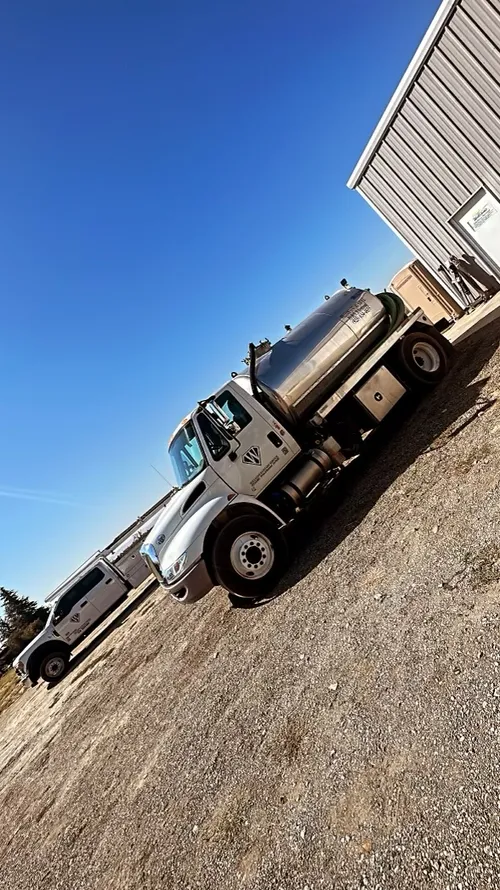
Williams Sanitary Service Inc
Oakland, CA
Williams Sanitary Service Inc is a family-owned septic system company serving Oakland, CA, and surrounding areas since 1950. They provide a full range of septic services including pumping, inspection, repair, and installation for both residential and commercial clients. The company also offers general plumbing services such as drain cleaning and water heater repair. Williams Sanitary Service Inc is equipped to handle all sizes of septic jobs across Contra Costa and Alameda Counties and offers 24/7 service availability.

American Eagle Plumbing & Construction
5441 Victoria Ln, El Sobrante, CA 94803
American Eagle Plumbing & Construction is a licensed, bonded, and insured plumbing and construction company based near Berkeley, CA. Serving the East Bay, Peninsula, North Bay, South Bay, and San Francisco, they provide a full range of plumbing, sewer, septic system inspection, pumping, and repair services for residential, commercial, and municipal clients. With over 26 years of experience since 2001, the company specializes in trenchless sewer repair and works closely with PG&E and local municipalities to ensure code compliance and efficient project approvals. Their licensed plumbers are available 24/7 for emergency plumbing services.
Understanding Septic System Inspections in Alameda County
In San Ramon, septic systems, or Onsite Wastewater Treatment Systems (OWTS), fall under the jurisdiction of Alameda County Environmental Health and must comply with standards set by the California State Water Resources Control Board 1 2. A professional septic inspection goes far beyond a simple check; it's a comprehensive review of the tank's structural integrity, the drain field's absorption capacity, and the system's overall compliance with local codes. Regular evaluations are essential because a failing system can lead to costly repairs, environmental contamination, and health hazards.
Why Inspections Are Mandatory: Point of Sale and Beyond
One of the most common triggers for a septic system inspection in San Ramon is a real estate transaction. California law requires a formal inspection by a licensed professional before a property with an OWTS can be transferred to a new owner 3. This "point of sale" inspection provides documented proof that the system is functioning correctly, protecting both buyer and seller. Beyond real estate, the U.S. Environmental Protection Agency and local authorities recommend systems be checked every 1 to 3 years, with pumping typically needed every 3 to 5 years, depending on household size and usage 4. Staying ahead of maintenance can prevent emergencies and extend the life of your system.
The Step-by-Step Septic Inspection Process
A thorough septic tank assessment follows a detailed protocol. Here's what you can expect when a certified inspector evaluates your San Ramon home's system.
1. Locating and Accessing the System The process begins by locating the tank and drain field, often using property "as-built" drawings. The inspector will then carefully excavate to expose the manhole covers for full access to the tank's interior.
2. Evaluating Tank Conditions and Levels Once opened, the inspector measures the levels of sludge (solids at the bottom) and scum (floating fats and greases). A key rule is that sludge should not occupy more than one-third of the tank's liquid volume. High levels indicate the need for immediate pumping.
3. Inspecting Critical Components The inlet and outlet baffles (or tees) are checked for corrosion, decay, or damage. These components are crucial for preventing solids from flowing out into the drain field. The inspector also examines the tank's walls and lid for any cracks or structural issues.
4. Testing System Function and Flow A functional test is performed by running water from the house into the tank to verify proper inflow and check for backups in the household plumbing. A dye test is often conducted to confirm that wastewater is flowing correctly into the drain field and not surfacing elsewhere on your property 5.
5. Assessing the Drain Field The inspector will walk the drain field area looking for telltale signs of failure, such as surfacing sewage, overly damp or soggy soil, or unpleasant odors. A compromised drain field is a serious issue that requires immediate attention 6 7.
6. Pumping for a Complete Evaluation For a full inspection, especially during a real estate transaction, the tank is usually pumped out. This allows the inspector to examine the tank's interior walls and bottom for cracks, leaks, or other damage that would be impossible to see otherwise 8 9.
Find the perfect septic tank inspection companies for your needs
Get personalized recommendations and expert advice
Costs Associated with Septic Inspections and Services in San Ramon
Understanding the potential costs helps homeowners budget for both routine care and unexpected repairs. Pricing can vary based on the size of the tank, its accessibility, and the scope of the inspection.
- Standard Inspection: A comprehensive septic system inspection in the San Ramon area typically ranges from $300 to $600.
- Septic Tank Pumping: If pumping is required as part of the inspection or routine maintenance, the service generally costs between $290 and $560.
- Additional Service Costs: Replacing a tank effluent filter (if your system has one) can cost approximately $230 to $280. If the tank location is unknown and requires probing or digging to find, this will add to the total cost 10 11.
- Major Repairs and Replacement: Addressing a failed system is significantly more expensive. Repairing a drain field can start well over $1,000 to $3,000, while a full septic system replacement can range from $5,000 to $12,000 or more, depending on soil conditions and system design 12.
Maintaining Your System Between Inspections
Regular inspections are the cornerstone of septic care, but what you do between visits matters greatly. Proper maintenance protects your system and saves you money. Always conserve water to avoid overloading the system, and spread out laundry and dishwasher use throughout the week. Be extremely mindful of what goes down your drains; avoid flushing anything besides human waste and toilet paper. Never pour cooking grease, chemicals, or medications down the drain, as they can kill the beneficial bacteria in your tank and contaminate groundwater. Also, keep vehicles and heavy equipment off your drain field to prevent soil compaction and pipe damage.
The Consequences of Non-Compliance
Ignoring inspection schedules or necessary repairs can lead to severe outcomes. A malfunctioning system can cause sewage to back up into your home or seep onto your lawn, creating serious health risks. Environmentally, it can contaminate nearby wells, streams, and groundwater. Financially, you may face substantial fines from Alameda County Environmental Health for non-compliance with regulations, not to mention the dramatically higher cost of an emergency repair versus scheduled maintenance. Proactive inspection and care are always the most cost-effective and responsible paths.
Choosing a Qualified Septic Inspection Professional in San Ramon
Not all contractors are equal when it comes to evaluating an onsite wastewater system. For your safety and compliance, it's essential to choose a qualified professional. Ensure the provider is licensed by the state of California to perform septic inspections and repairs. Look for companies with specific experience in San Ramon and Alameda County, as they will be familiar with local soil conditions and county health department requirements. Don't hesitate to ask for references and proof of insurance. A reputable inspector will provide a detailed written report outlining their findings, including measurements, photos, and clear recommendations for any needed maintenance or repairs.
Frequently asked questions
Sources
Footnotes
-
Frequent Questions on Septic Systems | US EPA - https://www.epa.gov/septic/frequent-questions-septic-systems ↩
-
California Septic Tank Requirements | Onsite Wastewater Treatment Systems - https://www.ntotank.com/blog/california-septic-tank-requirements ↩
-
Point of Sale Septic Inspections: What to Expect - https://westcoastsanitationinc.com/point-of-sale-septic-inspections-what-to-expect/ ↩
-
The Californian's Guide To Septic Tanks - https://cacciaplumbing.com/blog/california-septic-tank-guide/ ↩
-
Buying or Selling a House with a Septic System - https://westcoastsanitationinc.com/buying-or-selling-a-house-with-a-septic-system/ ↩
-
Septic System Inspections - InterNACHI® - https://www.nachi.org/inspecting-septic-systems.htm ↩
-
What Is a Septic Inspection? Everything Homeowners Need to Know - https://www.redfin.com/blog/what-you-need-to-know-about-septic-inspections/ ↩
-
What to Expect from a Septic Inspection - https://www.wrenvironmental.com/blog/2023/may/what-to-expect-from-a-septic-inspection/ ↩
-
Septic Inspection Process: What Homeowners Should Know | LunsPro - https://www.lunspro.com/vlog/the-septic-system-inspection-process-what-homeowners-should-know ↩
-
Maintaining your Septic System A Guide for Homeowners - https://www.ihs.gov/california/tasks/sites/default/assets/File/SFC-MaintainingYourSepticSystemGuide.pdf ↩
-
How Much Does a Septic Inspection Cost? [2026 Data] - Angie's List - https://www.angi.com/articles/septic-inspection-cost.htm ↩
-
Stay Compliant: Avoid Fines with Septic System Regulations - https://smartsepticpros.com/blog/septic-system-regulations/ ↩