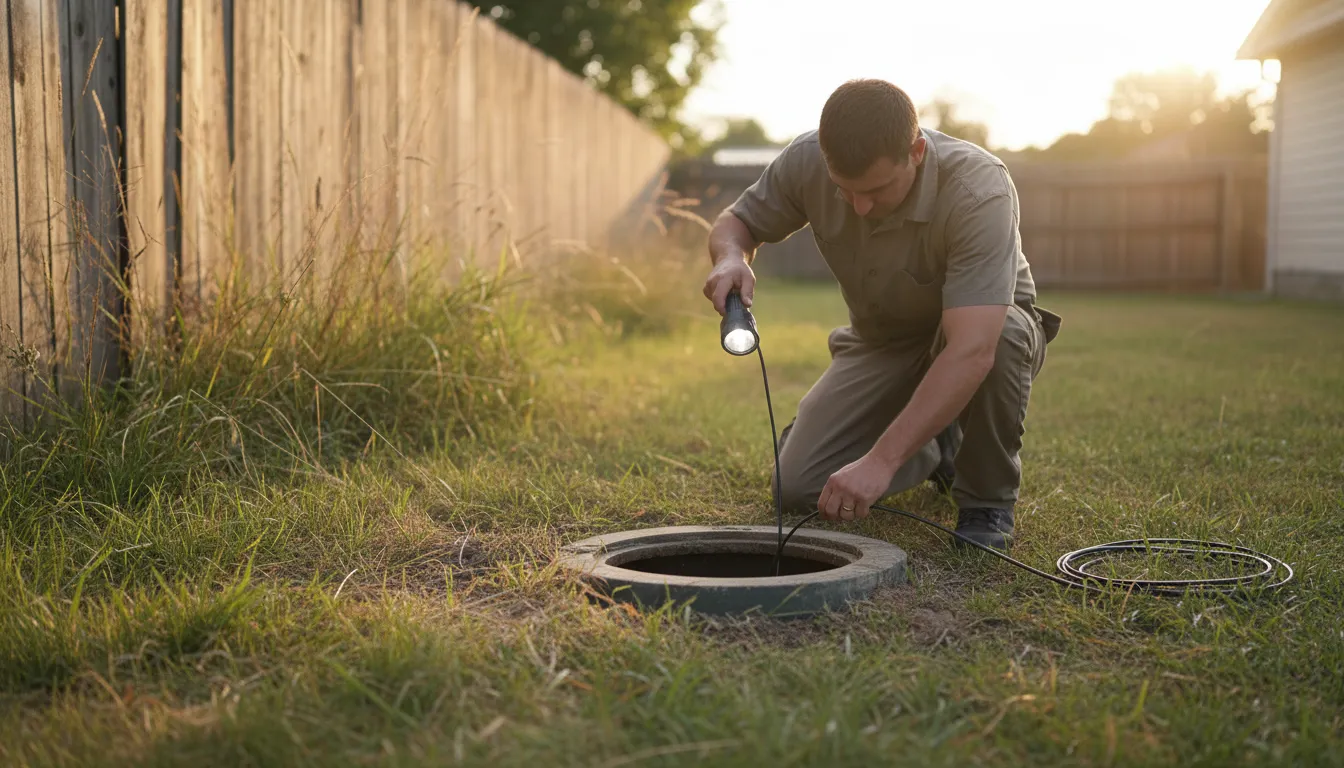
Find the Best Septic Tank Inspection Companies for Your Business
No obligation • Fast responses • Nationwide coverage

Why you can trust Septic Spot
Septic Spot is a leading United States resource for understanding and comparing septic services. Our editors review providers using consistent criteria and verify key business details. Listings and scores are independent, and companies cannot pay to influence our content.
Search providers near you
Top Septic Tank Inspection Companies in Santee, California Ranked
A septic tank inspection is a critical evaluation of your onsite wastewater system's health and functionality. In Santee, where many homes rely on these private systems, regular checks are not just a good idea-they are often mandated by local health regulations to protect public health and the environment. This guide explains what a septic system inspection entails, why it's essential for Santee homeowners, and how you can find qualified local professionals to perform this vital service.
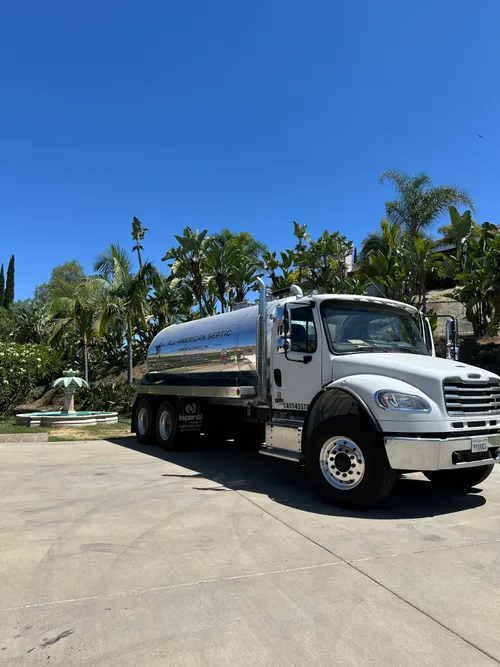
All-American Septic Pumping & Services, Inc
29105 Valley Center Rd Suite 115, Valley Center, CA 92082
All-American Septic Pumping & Services, Inc provides septic tank pumping, inspection, and repair services in Los Angeles, CA. They assist with maintaining and repairing septic systems to ensure proper function and compliance with local standards. Customers can conveniently book appointments online.
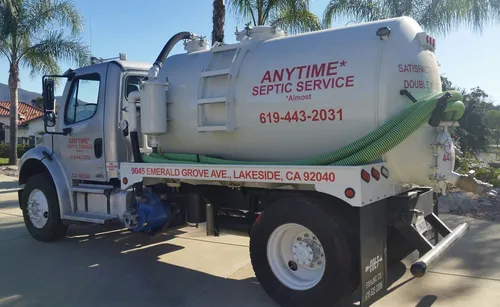
Anytime Septic Service
8867 Gardena Rd, Lakeside, CA 92040
Anytime Septic Service is a family-owned company serving San Diego, CA, with over 55 years of experience in septic system care. They provide septic tank pumping, inspection, repairs, and installation across multiple local communities including El Cajon, Lakeside, La Mesa, and others. The team uses modern techniques and equipment to ensure septic systems function properly, offering thorough visual inspections and detailed explanations of their findings. They also provide after-hours emergency service for urgent septic needs.
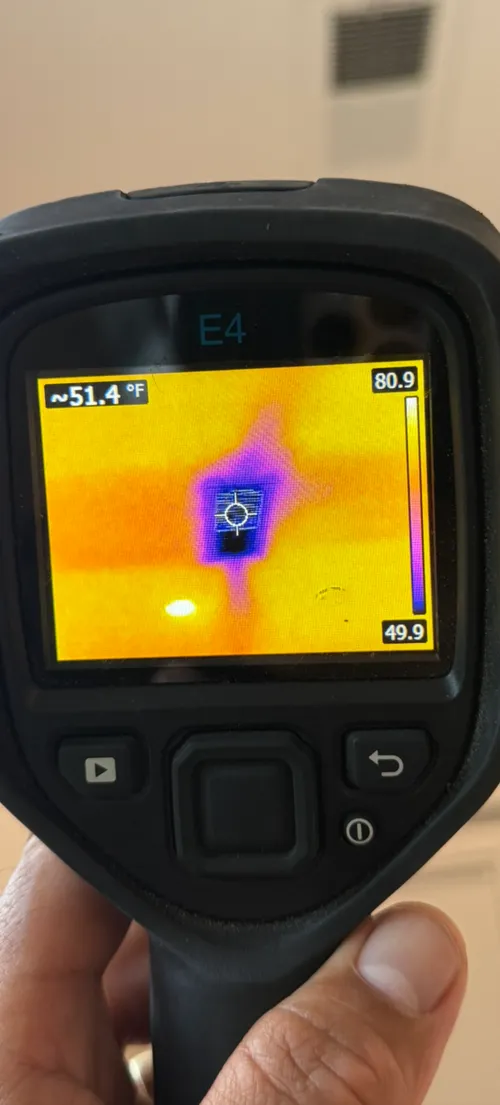
The San Diego Inspectors Company
4538 Cass St suite 14-D1, San Diego, CA 92109
The San Diego Inspectors Company is a certified home inspection provider based in San Diego, CA. They offer a wide range of inspection services including septic tank inspection, sewer line inspection, mold inspection, thermal imaging, and pool and spa inspection. Their team is certified by the International Association of Certified Home Inspectors (InterNACHI) and uses advanced equipment to deliver detailed reports. The company is known for thorough inspections that help buyers and sellers make informed decisions during real estate transactions. They also provide specialized inspections such as 4-point inspections and mobile home inspections.
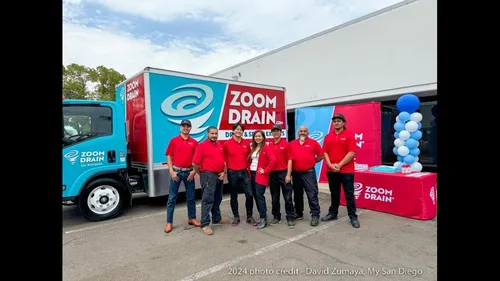
Zoom Drain SD North County
1317 Simpson Way Suite B, Escondido, CA 92029
Zoom Drain SD North County is a septic tank inspection company based in San Diego, CA, serving Escondido and surrounding areas. They specialize in drain and sewer services for residential and commercial clients, using advanced camera inspection technology to accurately diagnose plumbing issues such as clogs, leaks, and root intrusion. Their capabilities include high-pressure hydro jetting and eco-friendly treatments like RootX herbicide and CitraJet to maintain and restore plumbing systems. The company is known for tailored maintenance plans and supports real estate transactions with thorough inspections.
Modern Septic Service
1506 Pioneer Way, El Cajon, CA 92020
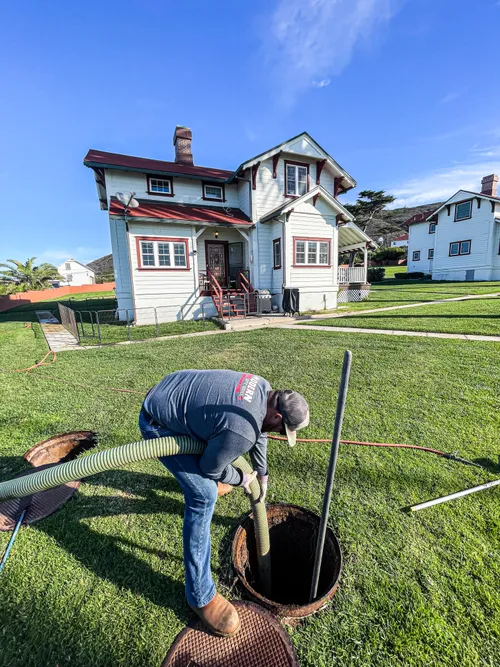
Modern Septic Service is a family-owned septic tank pumping, inspection, and repair company serving San Diego, CA. With over 60 years of experience, they provide residential and commercial septic services, including routine pumping, cleaning, troubleshooting, and maintenance. The company specializes in handling large-capacity septic systems for various commercial and municipal clients, offering 24/7 emergency pumping services and supporting public works projects with prevailing wage compliance. Founded in 1960, Modern Septic Service has grown through three generations, expanding its fleet and capabilities to meet diverse septic system needs across San Diego County.
Understanding Septic System Regulations in San Diego County
All septic systems in Santee fall under the jurisdiction of the County of San Diego's Department of Environmental Health and Quality (DEHQ). The county has specific rules to ensure systems operate safely. For instance, septic tanks installed must have IAPMO approval, and specialized designs are required for properties with steep slopes over 25% or those using vertical seepage pits 1 2.
A key regulation is the required frequency for system evaluations. The county mandates inspections every 1 to 3 years and septic tank pumping every 3 to 5 years, depending on usage and system type. Furthermore, any new installation or replacement of a system requires a permit, a site evaluation, and design plans approved by the DEHQ before work can begin. Systems that include pumps or advanced alternative treatment technologies are subject to even stricter maintenance, typically requiring annual inspections.
Why Regular Septic Inspections Are Non-Negotiable
Skipping a routine septic system evaluation can lead to costly and unpleasant consequences. A failing system is a health hazard, potentially contaminating groundwater and surface water with harmful bacteria and nutrients. For you, the homeowner, the first signs of trouble are often the worst: sewage backups into your home, foul odors in your yard, or soggy, brightly green patches over the drainfield.
Beyond health and nuisance, an inspection is frequently a legal requirement. The most common trigger for a mandatory inspection is during a property transfer. No buyer or lender will proceed without a clear report on the septic system's condition. Regular maintenance inspections also provide a documented history, which can be invaluable during a real estate transaction and for demonstrating compliance with county regulations.
What a Professional Septic Inspection Involves
A comprehensive septic tank check is a multi-step process performed by a trained professional. It is often most efficiently conducted concurrently with a pumping service. Here is a breakdown of the standard procedure:
1. Locating the System Components The inspector will first locate and uncover the septic tank and identify the drainfield (or leach field) area. This may involve consulting property records or using probing tools.
2. Evaluating Tank Conditions The core of the inspection happens at the tank. The inspector will:
- Measure Sludge and Scum Levels: This determines the accumulation of solids and determines the urgency for pumping.
- Inspect Tank Integrity: Check for cracks, corrosion, or leaks in the tank itself.
- Check Baffles and Outlet Tees: Ensure inlet and outlet baffles or tees are intact and functional, which is crucial for preventing solids from entering the drainfield 3.
- Examine Risers and Lids: Verify that access risers are secure and lids are in good, safe condition.
3. Assessing the Drainfield The inspector will examine the drainfield area for telltale signs of failure, such as standing water, overly lush vegetation, or sewage odors 4 5. A healthy drainfield is essential for the final treatment and dispersal of wastewater.
4. Checking Mechanical Components If your system includes a pump, float switches, alarms, or effluent filters, these will be tested to ensure they are operating correctly 6 7.
Find the perfect septic tank inspection companies for your needs
Get personalized recommendations and expert advice
Cost of Septic Inspections and Pumping in Santee
Understanding the potential costs helps homeowners budget for this necessary maintenance. It's important to get detailed quotes from providers, as prices can vary based on tank size, accessibility, and the inspection's depth.
- Septic Inspection Cost: A standard inspection typically ranges from $100 to $1,000 in the Santee area. A routine maintenance check tends to be on the lower end, while a full, top-to-bottom inspection for a real estate transaction, which may involve additional reporting, often falls at the higher end of the spectrum.
- Septic Tank Pumping Cost: The service of pumping out the accumulated solids generally costs between $300 and $1,237, with a common average around $423 8 9.
- Combined Service: Many companies offer a discount when bundling an inspection with a pumping service, which is a practical and economical approach to full system maintenance.
Choosing a Qualified Septic Service Provider in Santee
When selecting a professional for your septic system assessment, due diligence is key. Always choose a contractor who is licensed, insured, and familiar with San Diego County's specific regulations. They should be able to explain the local permit process and inspection requirements. Look for companies with strong local reputations, and don't hesitate to ask for references or details about what exactly their inspection report will include. A reputable inspector will provide a clear, written report detailing the condition of each system component and any recommended actions.
Maintaining Your System Between Inspections
Professional evaluations are crucial, but day-to-day homeowner care extends the life of your system. Be mindful of what goes down your drains. Avoid flushing anything other than human waste and toilet paper. Never pour grease, chemicals, or medications down the drain. Conserve water to avoid hydraulically overloading the system, and keep the area over your drainfield clear of structures, parking, and deep-rooted plants. Keeping a record of all inspections, pumpings, and repairs creates a valuable maintenance history for your property.
Frequently asked questions
Sources
Footnotes
-
Septic Systems - County of San Diego - https://www.sandiegocounty.gov/content/sdc/deh/lwqd/lu_septic_systems.html ↩
-
California Septic Tank Requirements | Onsite Wastewater Treatment Systems - https://www.ntotank.com/blog/california-septic-tank-requirements ↩
-
Frequent Questions on Septic Systems | US EPA - https://www.epa.gov/septic/frequent-questions-septic-systems ↩
-
Pumping and Inspecting Your System - Indian Health Service (IHS) - https://www.ihs.gov/california/index.cfm/offices/oehe/dsfc/drinking-water-and-sanitation/maintaining-your-septic-system-guide/pumping-and-inspecting-your-system/ ↩
-
The Californian's Guide To Septic Tanks - https://cacciaplumbing.com/blog/california-septic-tank-guide/ ↩
-
standard septic system operation and maintenance plan - https://www.sandiegocounty.gov/content/dam/sdc/deh/lwqd/Standard_Operation_and_Maintenance_Plan_Template_FILLABLE.pdf ↩
-
Homeowner's Guide to Septic Systems - El Dorado County - https://www.eldoradocounty.ca.gov/files/assets/county/v/1/documents/government/environmental-management/environmental-management/septic-documents/epa_homeowner_septic_guide.pdf ↩
-
Septic System Cost Estimate: A Complete Breakdown - Land Perc - https://landperc.com/septic-system-cost-estimate/ ↩
-
Septic Tank Pumping Cost: Guide & Pricing in 2025 - Splash Plumbing - https://www.splashplumbing.com/how-much-does-it-cost-to-pump-septic-tank-understanding-pricing-and-factors-involved/ ↩