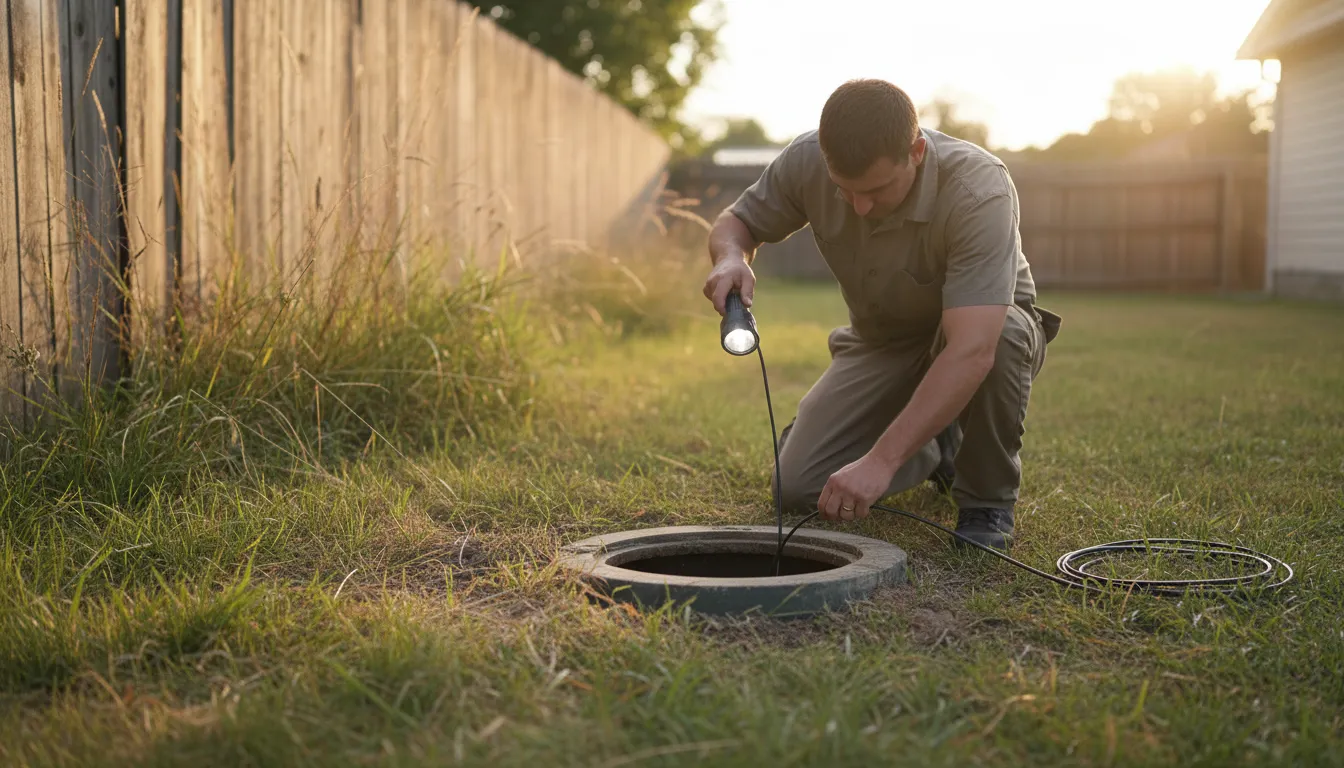
Find the Best Septic Tank Inspection Companies for Your Business
No obligation • Fast responses • Nationwide coverage

Why you can trust Septic Spot
Septic Spot is a leading United States resource for understanding and comparing septic services. Our editors review providers using consistent criteria and verify key business details. Listings and scores are independent, and companies cannot pay to influence our content.
Search providers near you
Top Septic Tank Inspection Companies in South Gate, California Ranked
A septic tank inspection is a critical evaluation of your onsite wastewater system's health and functionality. For homeowners in South Gate, regular assessments are essential for protecting your property value, ensuring public health, and complying with local regulations. This guide explains what a septic system evaluation entails, why it's important, and how you can connect with certified local professionals to schedule your next service.
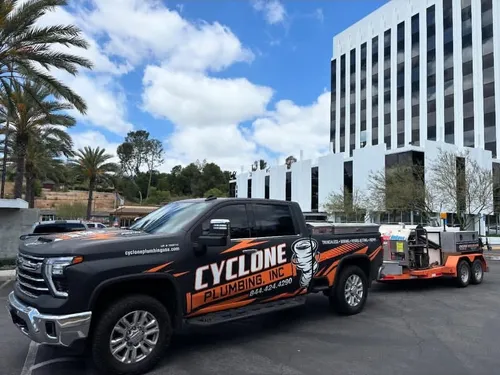
Cyclone Plumbing USA
1440 N Harbor Blvd suite 840, Fullerton, CA 92835
Cyclone Plumbing USA is a plumbing company based in Fullerton, CA, serving homes and businesses throughout Orange County. They offer a wide range of plumbing services, including septic tank inspection and septic system repair, as well as drain cleaning, hydro jetting, water heater installation, and leak detection. The company uses advanced equipment such as sewer cameras to diagnose issues and provides same-day repairs when needed. Cyclone Plumbing USA operates 24/7, offering emergency plumbing services at any time. The team at Cyclone Plumbing USA consists of licensed and insured professionals with years of hands-on experience. They emphasize transparency and fair pricing while delivering quality workmanship. Their commitment to customer satisfaction and comprehensive maintenance plans helps prevent costly repairs and ensures plumbing systems function efficiently.
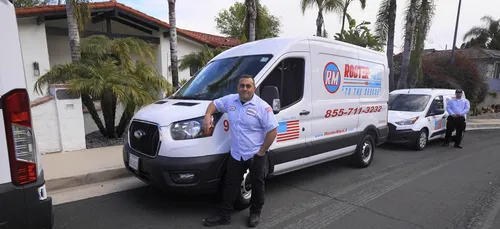
Rooter Man Plumbing of Orange
521 W Katella Ave, Orange, CA 92867
Rooter Man Plumbing of Orange provides septic tank pumping and inspection services in Santa Ana, CA. They offer a wide range of plumbing solutions including emergency repairs, drain cleaning, sewer line replacement, and hydro jetting. The company is equipped to handle both residential and commercial plumbing needs with capabilities such as leak detection and water heater maintenance. Emergency plumbing services are available 24/7 to address urgent issues at any time.
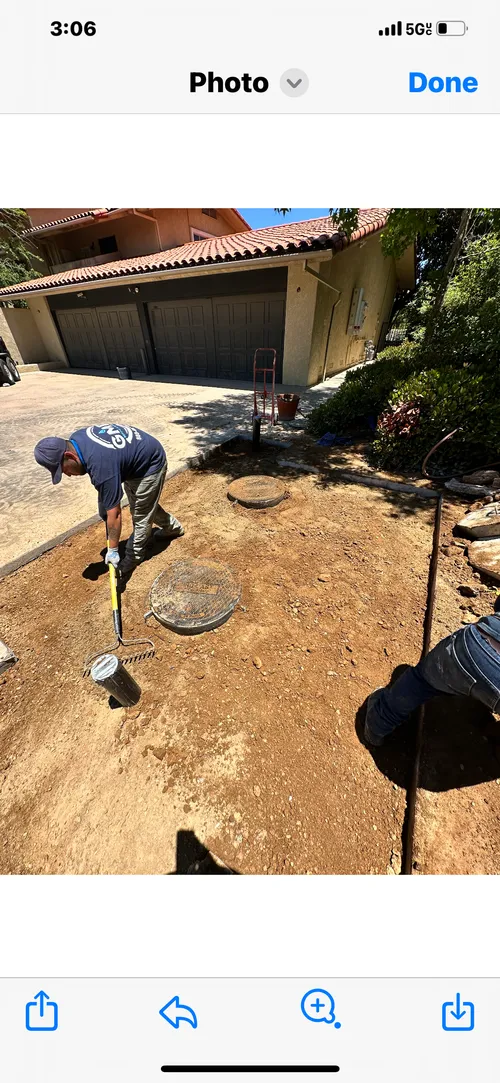
GMP Septic And Sewer
20 Surrey Ln, Rancho Palos Verdes, CA 90275
GMP Septic And Sewer provides a full range of septic services in Los Angeles, CA, including septic tank pumping, cleaning, inspections, repairs, installations, and system upgrades. They handle new construction, remodels, and replacements, ensuring systems are tailored to property needs. The company offers 24/7 emergency services for urgent septic system repairs. Their expertise covers diagnosing leaks, replacing damaged components, and maintaining system performance through regular maintenance and thorough inspections.
Septic Tank Pumping Rode Inc
14648 Sylvan St suite 107, Van Nuys, CA 91411
Septic Tank Pumping Rode Inc provides septic tank pumping and inspection services in Los Angeles, CA. They offer a full range of solutions including emergency pumping, routine maintenance, and detailed system inspections to maintain septic system health and environmental safety. Their certified technicians use advanced pumping technology to deliver efficient waste removal and thorough system care, suitable for medium to large properties. The company emphasizes compliance with local standards and offers 24/7 emergency response to address urgent septic issues promptly.

Rooter Man Plumbing of Los Angeles
3026 Kester Ave, Los Angeles, CA 91405
Rooter Man Plumbing of Los Angeles provides a range of plumbing services in Los Angeles, CA, including septic tank inspections, routine maintenance, and emergency repairs. They serve residential and commercial clients, offering specialized capabilities such as hydro jet drain cleaning, trenchless sewer repair, and advanced leak detection using thermal imaging and acoustic devices. The company supports high-rise and multi-unit buildings and is available 24/7 for plumbing emergencies across the city.
Understanding Septic System Regulations in Los Angeles County
In South Gate, all septic systems fall under the jurisdiction of the Los Angeles County Public Health Department, specifically its Environmental Health Division's Onsite Wastewater Treatment Program. This agency enforces state and local codes through a Local Agency Management Program (LAMP) to ensure systems are designed, installed, and maintained properly 1 2. A key part of compliance is obtaining the correct permits. Any significant repair, alteration, or new installation of a septic system requires a county permit, which often involves a site evaluation and percolation test to assess soil conditions 3 4. Staying informed about these regulations helps homeowners avoid violations and ensures their system protects both their family and the community's groundwater.
What Does a Professional Septic Inspection Involve?
A thorough septic system check-up is more than just looking into the tank. Certified professionals follow a detailed process to assess every component. Understanding these steps can help you know what to expect when you hire an inspector.
Locating and Gaining Access The process begins with locating the tank and distribution box, which may require probing if the lids are buried. The inspector will then safely excavate and open the manhole cover to begin the visual assessment.
Tank Structure and Component Check Inside the tank, the inspector examines the concrete, fiberglass, or plastic structure for any cracks, leaks, or signs of deterioration that could lead to groundwater contamination or system failure. A crucial part of this stage is inspecting the inlet and outlet baffles. These components are vital for preventing solids from escaping the tank and clogging the drainfield; they must be securely attached and intact.
Sludge and Scum Level Measurement One of the most quantitative parts of the inspection is measuring the levels of sludge (at the bottom) and scum (at the top). These measurements determine if the tank needs to be pumped. If the combined depth of sludge and scum exceeds certain thresholds, it indicates that pumping is overdue to prevent solids from flowing into the drainfield 5.
Drainfield Assessment The inspection extends outside the tank to the leach field or drainfield. The professional will look for telltale signs of failure, such as soggy ground, standing wastewater, unusually lush patches of grass, or foul odors emanating from the soil. These symptoms suggest the soil is no longer properly absorbing and filtering the liquid effluent.
Comprehensive Reporting Finally, a reputable inspector provides a detailed written report of all findings. This document is invaluable for maintenance planning, real estate transactions, and any required communications with the Los Angeles County Public Health Department.
How Often Should You Schedule a Septic Inspection?
Adhering to a regular maintenance schedule is the best way to prevent costly emergencies and system failures. For most households, the U.S. Environmental Protection Agency (EPA) recommends having your septic system inspected at least every three years by a qualified professional 6. However, more frequent checks-every one to two years-are advisable for systems that see heavier use or are older 6 7.
Pumping is a separate but related maintenance task. While inspection frequency is based on assessment, pumping is typically needed every three to five years, depending on tank size and household usage. An inspection will explicitly tell you if pumping is required.
Be alert to signs that demand an immediate inspection, regardless of schedule. These include drains that are slow throughout the house, gurgling sounds from plumbing fixtures, sewage backups, or foul odors in your yard 8. Addressing these warnings quickly can mean the difference between a simple repair and a full system replacement.
Find the perfect septic tank inspection companies for your needs
Get personalized recommendations and expert advice
Cost Considerations for Inspection and Related Services
Understanding potential costs helps homeowners budget for essential septic system care. It's important to note that prices can vary based on tank size, system accessibility, and the scope of the inspection.
A standard septic tank inspection in the South Gate area typically ranges from $150 to $300 9. The service of pumping a septic tank generally costs between $150 and $250, with the final price influenced by tank capacity 9. Many homeowners opt for a combined inspection and pumping service, which often has a total cost ranging from $300 to over $600, potentially offering savings compared to scheduling each service separately.
If an inspection reveals problems, repair costs can vary widely. Minor fixes like replacing a baffle or repairing a pipe may be relatively affordable. However, a failing drainfield or complete system replacement is a major undertaking, with costs frequently ranging from $3,000 to over $10,000 depending on the property and system requirements 10. This stark difference underscores the financial value of regular, preventive inspections.
The Role of Inspections in Real Estate Transactions
A septic system evaluation is often a non-negotiable part of buying or selling a home in South Gate. A "point of sale" inspection provides transparency for all parties. For the buyer, it reveals the condition of a critical and expensive-to-replace asset. For the seller, a clean inspection report can facilitate a smoother sale and potentially justify a higher asking price. The detailed report from a certified inspector serves as a key document in the transaction, outlining the system's current state and any recommended actions 11. Given that Los Angeles County requires permits for system work, having a professional assessment can clarify what, if any, county approvals might be needed before a sale is finalized 12.
Maintaining Your System Between Inspections
While professional check-ups are essential, homeowners play a key role in day-to-day system health. Proper maintenance extends the life of your system and helps avoid issues between inspections. First, be mindful of what goes down your drains. Avoid flushing anything besides human waste and toilet paper, and never pour grease, chemicals, or medications down the drain, as these can kill the beneficial bacteria in your tank and contaminate groundwater. Second, conserve water to avoid hydraulically overloading the system; spreading out laundry loads and fixing leaky faucets can make a significant difference. Finally, protect your drainfield. Never park vehicles or build structures over it, and divert rainwater runoff away from the area to keep the soil from becoming saturated. These simple practices, combined with regular professional inspections, form a complete strategy for septic system stewardship.
Frequently asked questions
Sources
Footnotes
-
California Septic Tank Requirements | Onsite Wastewater ... - https://www.ntotank.com/blog/california-septic-tank-requirements ↩
-
Chapter 6.4 SEWAGE STANDARDS - https://www.codepublishing.com/CA/SolanoCounty/html/SolanoCounty0604.html ↩
-
Septic Systems - GNR Health - https://www.gnrhealth.com/septic-systems/ ↩
-
Septic System & Percolation Testing Permit Handout • Number of plan sets normally required • Information normally requir - https://www.woodsideca.gov/DocumentCenter/View/569/Septic-System-and-Percolation-Testing-Permit-Handout-PDF?bidId= ↩
-
A 3-Step Checklist for Septic Tank Inspection - AAA Pumping Services - https://www.aaapumpingservice.net/a-3-step-checklist-for-septic-tank-inspection ↩
-
Frequent Questions on Septic Systems | US EPA - https://www.epa.gov/septic/frequent-questions-septic-systems ↩ ↩2
-
The Californian's Guide To Septic Tanks - https://cacciaplumbing.com/blog/california-septic-tank-guide/ ↩
-
How to Check if Your Septic Tank is Full: Signs, Solutions, and Preventive Measures - https://wini.com/articles/how-to-check-if-your-septic-tank-is-full-signs-solutions-and-preventive-measures/ ↩
-
Maintaining your Septic System A Guide for Homeowners - https://www.ihs.gov/california/tasks/sites/default/assets/File/SFC-MaintainingYourSepticSystemGuide.pdf ↩ ↩2
-
Septic Tank Pumping Cost: Guide & Pricing in 2025 - Splash Plumbing - https://www.splashplumbing.com/how-much-does-it-cost-to-pump-septic-tank-understanding-pricing-and-factors-involved/ ↩
-
Point of Sale Septic Inspections: What to Expect - https://westcoastsanitationinc.com/point-of-sale-septic-inspections-what-to-expect/ ↩
-
Onsite Wastewater Treatment System in Los Angeles County - http://www.publichealth.lacounty.gov/eh/business/septic-systems.htm ↩