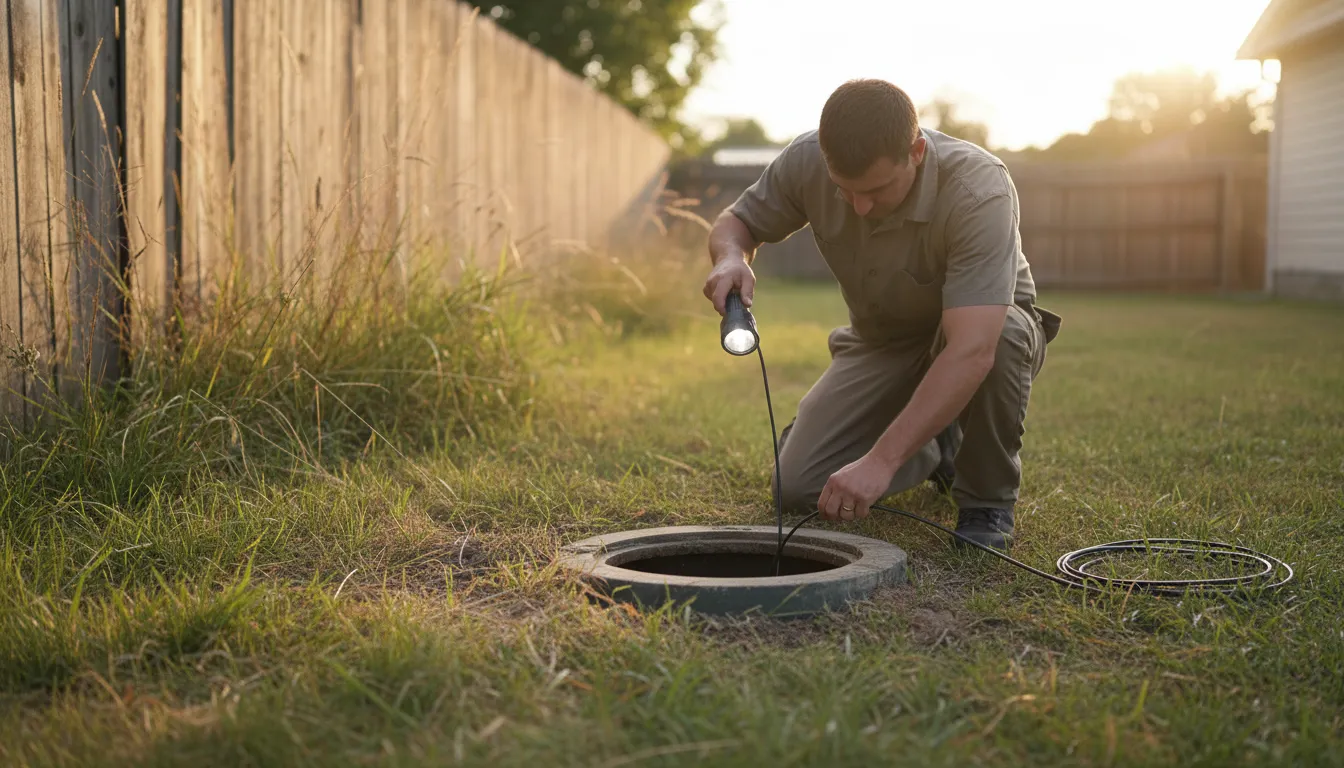
Find the Best Septic Tank Inspection Companies for Your Business
No obligation • Fast responses • Nationwide coverage

Why you can trust Septic Spot
Septic Spot is a leading United States resource for understanding and comparing septic services. Our editors review providers using consistent criteria and verify key business details. Listings and scores are independent, and companies cannot pay to influence our content.
Search providers near you
Top Septic Tank Inspection Companies in Sunnyvale, California Ranked
A septic tank inspection is a critical evaluation of your onsite wastewater treatment system to ensure it is functioning safely and efficiently. For Sunnyvale homeowners, these assessments are not just about maintenance; they are a key part of protecting local groundwater and complying with California's strict environmental regulations. This guide explains what a septic system inspection entails, why it's essential for your property, and how you can connect with qualified local professionals to schedule this vital service.
Wade's Plumbing & Septic
San Jose, CA
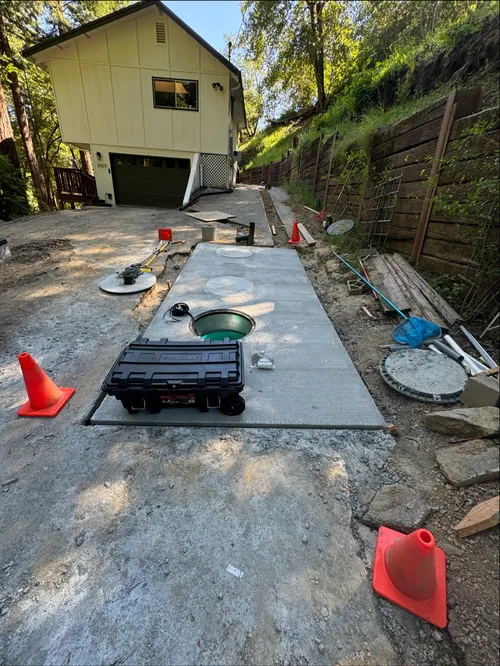
Wade's Plumbing & Septic is a family-owned company serving San Jose, CA, and licensed in California and Georgia. They specialize in septic tank pumping, inspection, repair, and installation, with a focus on enhanced treatment systems designed for challenging sites such as steep slopes, limited space, and environmentally sensitive areas. Their services include plumbing repairs and preventative maintenance, delivered by licensed professionals since 2021. Wade's offers upfront flat-rate pricing and emphasizes honest recommendations without upselling. They operate during regular business hours on weekdays.
Trinity Liquid Waste Services
San Jose, CA
Trinity Liquid Waste Services provides septic tank pumping, inspection, repair, and maintenance services for residential and commercial clients in San Jose, CA. The family-owned company offers a wide range of septic system solutions including grease trap pumping, sewage ejector tank maintenance, and water jetting to keep systems functioning properly. They also handle storm drain cleaning and provide 24/7 same-day service for urgent septic issues. Their team is experienced in addressing common septic problems caused by household appliance overuse and sediment buildup, helping customers maintain optimal system performance.
PICHANGA PUMPING SERVICE LLC
901 N Rengstorff Ave, Mountain View, CA 94043
PICHANGA PUMPING SERVICE LLC is a family-owned business with over 10 years of experience, serving San Jose, CA. They provide septic tank pumping, inspection, repair, and installation services. The company uses specialized equipment for camera inspections and locating issues within pipes and sewer lines. They also offer restroom rentals. Pichanga Pumping Service provides after-hours and emergency services for added convenience.
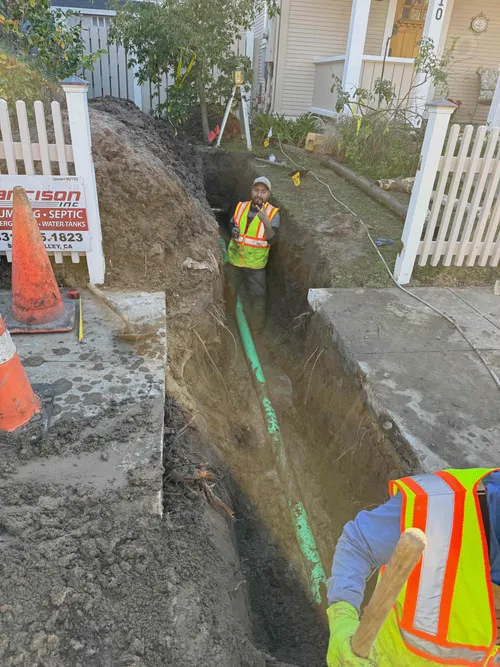
Garrison Plumbing Inc.
San Jose, CA
Garrison Plumbing Inc. is a licensed and insured septic and plumbing company serving San Jose, CA. Established in 1999, they offer septic tank pumping and inspection services, along with other plumbing needs including water tanks, heaters, and filtration systems. Their team can identify and investigate potential septic issues during service, providing comprehensive support for septic system maintenance and repairs.
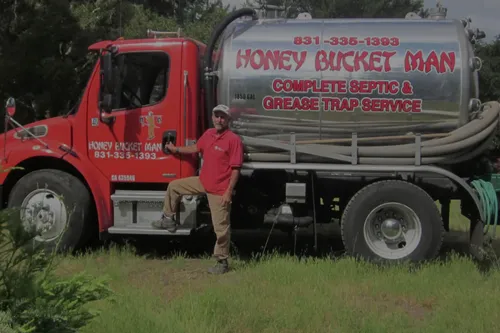
The Honey Bucket Man
6116 CA-9 # D, Felton, CA 95018
The Honey Bucket Man is a septic service provider located in San Jose, CA. They offer septic system cleaning, minor repairs, tank locating and uncovering, real estate inspections, and installation of new lids. Their services cover a range of septic system needs, including troubleshooting common problems to maintain system function.
Understanding Septic Systems and Local Regulations
In Sunnyvale and throughout California, septic systems are regulated under the state's Onsite Wastewater Treatment Systems (OWTS) Policy. This framework is designed to prevent groundwater contamination, a crucial concern for community health and environmental protection. While the state sets the baseline standards, enforcement and permitting are typically handled at the county level by the local environmental health department, such as the Santa Clara County Department of Environmental Health.
Compliance means your system must be properly sited, completely watertight, and designed with specific requirements, such as having at least three feet of suitable soil beneath the dispersal trenches 1. A permit is mandatory for any new installation, major repair, or significant alteration to an existing system 2. Staying proactive with regular septic tank evaluations is the best way to ensure your system remains compliant and avoids costly regulatory issues or environmental hazards.
Why Regular Septic Inspections Are Non-Negotiable
Scheduling a routine septic system check is one of the most responsible actions a homeowner can take. These inspections are recommended every 1 to 3 years to catch minor issues before they escalate into system failures. A failing septic system can lead to sewage backing up into your home, foul odors, and contaminated wastewater surfacing in your yard, creating both a health risk and a significant repair expense.
Beyond preventing disasters, regular assessments help you plan and budget for necessary maintenance, like pumping. Most systems require pumping every 3 to 5 years, but the exact timing depends heavily on household size and usage 3. An inspection provides the definitive data on sludge and scum levels to tell you exactly when pumping is needed, preventing both premature service and the risks of an overfull tank.
What Happens During a Professional Septic Inspection?
A comprehensive septic tank inspection is a multi-step process conducted by a trained professional. Understanding what to expect can help you prepare and ensure a thorough evaluation.
1. Locating and Accessing the System The inspector will start by locating your tank and drainfield. They may refer to property "as-built" records or use specialized probes to find the tank lids. The manhole covers will then be uncovered to allow for internal examination.
2. Evaluating Tank Conditions and Sludge Levels This is the core of the inspection. The professional will measure the thickness of the scum layer (floating solids) and the sludge layer (settled solids) at the bottom of the tank. These measurements determine the tank's capacity and whether immediate pumping is required 4. They will also inspect the tank's interior walls, baffles, and tees for any signs of cracking, corrosion, or damage that could compromise the tank's watertight integrity 5.
3. Assessing the Effluent Filter and Drainfield The effluent filter, which prevents solids from leaving the tank and clogging the drainfield, will be removed, inspected, and cleaned 6. Finally, the inspector will examine the drainfield (or leach field) area for warning signs of failure, such as overly soggy soil, lush green grass over the lines, or the surfacing of untreated wastewater.
Find the perfect septic tank inspection companies for your needs
Get personalized recommendations and expert advice
Understanding Costs for Inspection and Related Services
The cost of a septic inspection in Sunnyvale can vary based on the system's size, complexity, and accessibility. A standard inspection typically ranges from $350 to $6507. If the inspection reveals that pumping is needed, that service generally costs between $290 and $560, though more complex or emergency situations can push pumping costs toward $1,0007 8 9. Emergency or overdue pumping may incur additional fees of $100 to $200.
It's wise to view inspection and pumping as linked, preventative investments. The cost of repairs discovered later is always higher. Minor repairs like fixing a baffle or a small leak might cost $1,000 to $3,000, while a major drainfield replacement can exceed $12,00010 11. A routine inspection is the most cost-effective tool to avoid these severe expenses.
The Home Sale Inspection: A Special Consideration
A point-of-sale septic inspection is often a mandatory contingency in real estate transactions involving properties with onsite wastewater systems in California. This inspection is more rigorous than a routine maintenance check. Its purpose is to provide a definitive assessment of the system's condition and compliance with current regulations for the buyer, seller, and lending institution 12.
A failed point-of-sale inspection can delay or derail a home sale, as it may require the seller to complete significant repairs or even a full system replacement before the transaction can proceed. If you are buying or selling a home in Sunnyvale with a septic system, factoring in the time and potential cost for this specialized inspection is crucial. Always hire a professional experienced in these real estate-related evaluations.
Maintaining Your System Between Professional Inspections
While professional evaluations are essential, homeowners play a key role in day-to-day septic system care. Proper maintenance extends the life of your system and keeps it running efficiently.
- Mind What You Flush: Only human waste and toilet paper should go down the drain. Avoid flushing wipes (even "flushable" ones), feminine hygiene products, dental floss, cooking grease, and chemicals. These can clog pipes, destroy beneficial bacteria in the tank, and contaminate the groundwater 13.
- Conserve Water: Excessive water use can overload the system. Spread out laundry loads, fix leaky faucets promptly, and consider installing high-efficiency toilets and showerheads.
- Protect the Drainfield: Never park vehicles or place heavy structures like sheds on your drainfield. Keep roof drains, sump pumps, and other surface water away from the area to prevent saturation. Also, avoid planting trees or shrubs with deep roots near the drainfield lines.
Finding a Qualified Septic Service Provider in Sunnyvale
When selecting a professional for your septic tank evaluation or pumping, due diligence is important. Look for providers who are licensed, insured, and familiar with Santa Clara County and California OWTS regulations. They should be able to clearly explain their inspection process, provide a detailed report of findings, and offer transparent pricing. A reputable company will also handle the proper disposal of septage at approved treatment facilities, as required by law 14.
Frequently asked questions
Sources
Footnotes
-
California Septic Tank Requirements | Onsite Wastewater Treatment Systems - https://www.ntotank.com/blog/california-septic-tank-requirements ↩
-
The Californian's Guide To Septic Tanks - https://cacciaplumbing.com/blog/california-septic-tank-guide/ ↩
-
How Often Should You Have Your Septic Tank Checked? - https://www.drsepticsd.com/news/how-often-should-you-have-your-septic-tank-checked/ ↩
-
What to Expect from a Septic Inspection - https://www.wrenvironmental.com/blog/2023/may/what-to-expect-from-a-septic-inspection/ ↩
-
Septic System Inspections - InterNACHI® - https://www.nachi.org/inspecting-septic-systems.htm ↩
-
Section 9.08 Sewage Treatment Standards. A. Purpose and Intent: The purpose of the Sewage and Wastewater Treatment Section sh - http://greaterlakesrealtors.com/download/Gov%20Affairs/Todd%20County%20Section%209.08%20Final%20Septic%20Ordinance%2020130708.pdf ↩
-
How Much Does a Septic Inspection Cost? [2026 Data] | Angi - https://www.angi.com/articles/septic-inspection-cost.htm ↩ ↩2
-
Septic Pumping Cost by State: 2024 Complete Price Guide - https://wastedoor.com/article/septic-pumping-cost-by-state ↩
-
Septic Tank Pumping Cost: Guide & Pricing in 2025 - Splash Plumbing - https://www.splashplumbing.com/how-much-does-it-cost-to-pump-septic-tank-understanding-pricing-and-factors-involved/ ↩
-
Common Septic Tank Repairs In California (& What They Cost) - https://cacciaplumbing.com/blog/common-septic-tank-repairs-in-california/ ↩
-
What Is a Septic Inspection? Everything Homeowners Need to Know - https://www.redfin.com/blog/what-you-need-to-know-about-septic-inspections/ ↩
-
Point of Sale Septic Inspections: What to Expect - https://westcoastsanitationinc.com/point-of-sale-septic-inspections-what-to-expect/ ↩
-
Frequent Questions on Septic Systems | US EPA - https://www.epa.gov/septic/frequent-questions-septic-systems ↩
-
Land Use, Septic Systems, Septic Pumper Businesses, & Water Wells - https://www.smchealth.org/landuse ↩