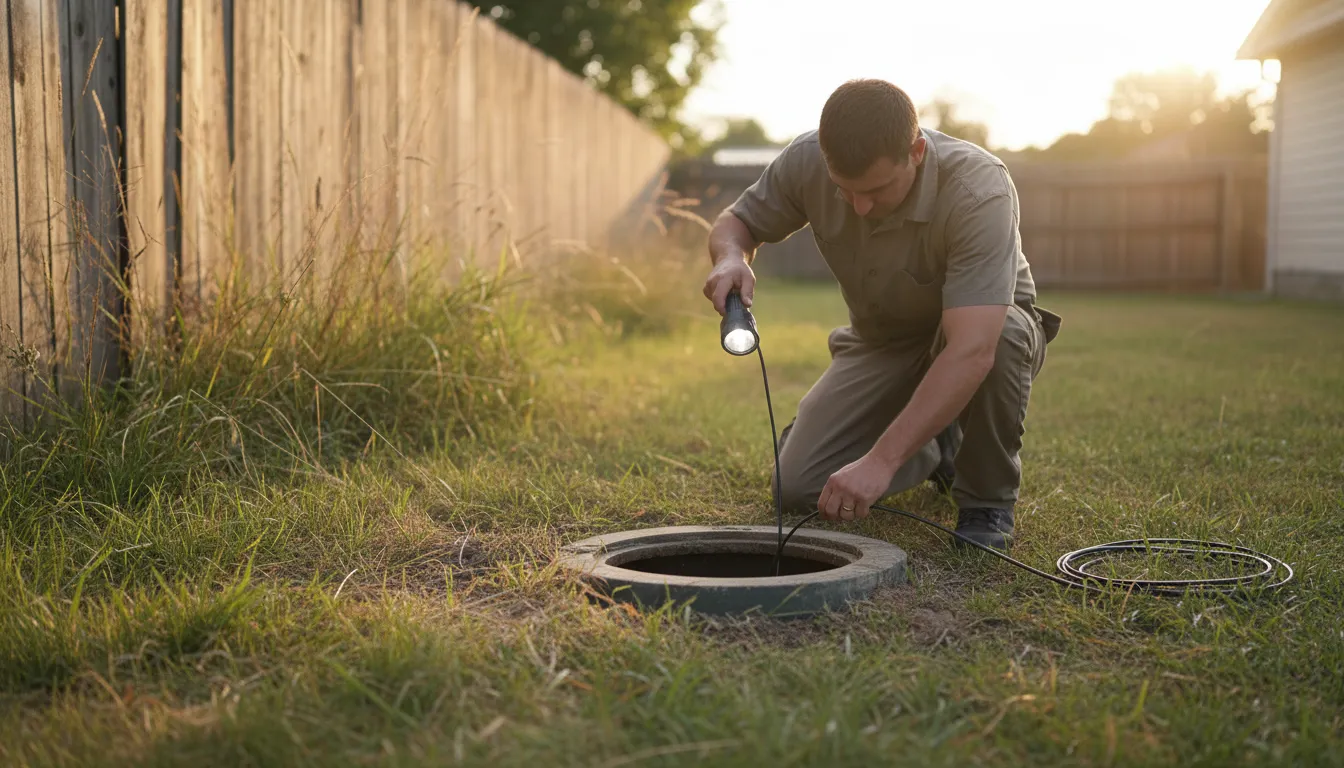
Find the Best Septic Tank Inspection Companies for Your Business
No obligation • Fast responses • Nationwide coverage

Why you can trust Septic Spot
Septic Spot is a leading United States resource for understanding and comparing septic services. Our editors review providers using consistent criteria and verify key business details. Listings and scores are independent, and companies cannot pay to influence our content.
Search providers near you
Top Septic Tank Inspection Companies in Watsonville, California Ranked
A septic tank inspection is a critical evaluation of your onsite wastewater treatment system (OWTS) to ensure it is functioning safely and efficiently. In Watsonville, where many homes rely on these private systems, regular assessments are not just a good idea-they are a regulatory requirement for protecting public health and local groundwater. This guide will help you understand the process, local rules, and how to find qualified professionals to perform this essential service for your property.
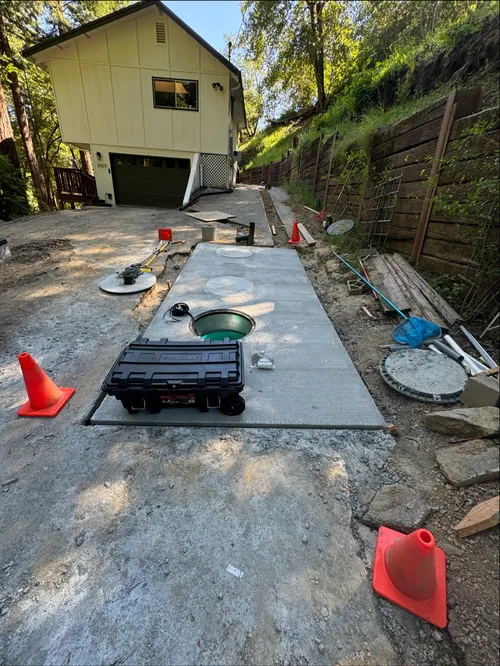
Wade's Plumbing & Septic
San Jose, CA
Wade's Plumbing & Septic is a family-owned company serving San Jose, CA, and licensed in California and Georgia. They specialize in septic tank pumping, inspection, repair, and installation, with a focus on enhanced treatment systems designed for challenging sites such as steep slopes, limited space, and environmentally sensitive areas. Their services include plumbing repairs and preventative maintenance, delivered by licensed professionals since 2021. Wade's offers upfront flat-rate pricing and emphasizes honest recommendations without upselling. They operate during regular business hours on weekdays.
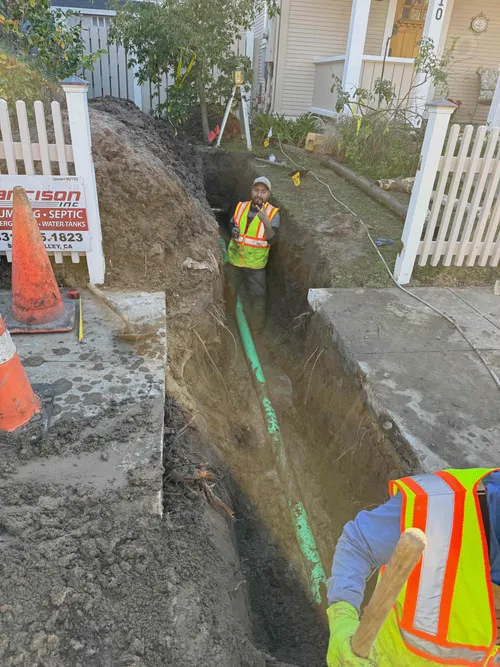
Garrison Plumbing Inc.
San Jose, CA
Garrison Plumbing Inc. is a licensed and insured septic and plumbing company serving San Jose, CA. Established in 1999, they offer septic tank pumping and inspection services, along with other plumbing needs including water tanks, heaters, and filtration systems. Their team can identify and investigate potential septic issues during service, providing comprehensive support for septic system maintenance and repairs.
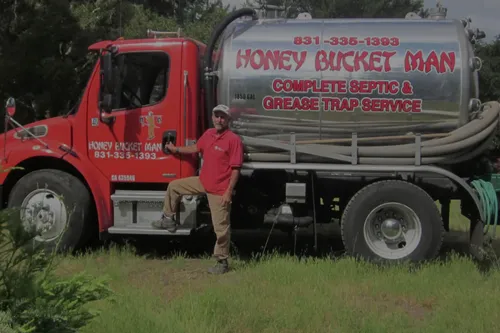
The Honey Bucket Man
6116 CA-9 # D, Felton, CA 95018
The Honey Bucket Man is a septic service provider located in San Jose, CA. They offer septic system cleaning, minor repairs, tank locating and uncovering, real estate inspections, and installation of new lids. Their services cover a range of septic system needs, including troubleshooting common problems to maintain system function.
Environmental Septic Solution
Stockton, CA
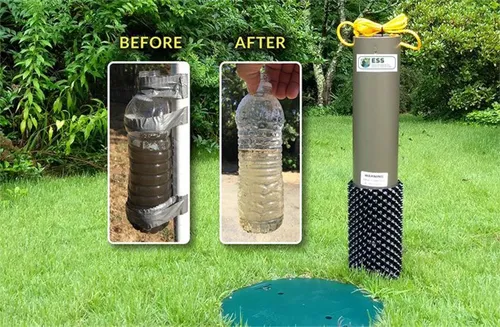
Environmental Septic Solution is a septic system service provider based in Stockton, CA. They specialize in septic tank pumping, inspection, repair, and drain field restoration using a proprietary aerobic bacteria technology. This system is designed to break down organic waste and biomat buildup, helping to avoid costly and invasive drain field replacements. Since 2007, they have offered solutions that can restore failing septic systems and reduce the need for frequent pumping. Their approach aims to maintain septic system function while protecting the environment.

Viking Septic Salinas
1337 Palmera Ave, Salinas, CA 93905
Viking Septic Salinas provides septic tank pumping and inspection services in Salinas, CA. The company helps maintain private septic systems to prevent environmental pollution by offering thorough cleaning and inspection using industry-standard tools and methods. Their team explains the process clearly and works to protect surrounding areas during service.
Understanding Septic Systems and Local Regulations
In Santa Cruz County, septic systems are formally known as Onsite Wastewater Treatment Systems (OWTS) and are regulated by the County Environmental Health Department. These systems are a common solution for properties not connected to municipal sewer lines, handling all the wastewater from a home. The primary goal of local and state regulations is to prevent contamination of water sources, a particularly important concern in California's environmental landscape.
The California State Water Resources Control Board sets the framework, but Santa Cruz County enforces specific rules for maintenance and inspection frequency. For homeowners in Watsonville, this means your system is subject to regular check-ups. A key trigger for a mandatory inspection is a property transfer; you cannot sell a home with a septic system without a current inspection report from a licensed contractor. Beyond real estate transactions, the county mandates inspections every 3 to 5 years to ensure ongoing compliance and functionality.
What Does a Professional Inspection Involve?
A thorough septic system evaluation is a multi-step process conducted by a licensed professional. It goes far beyond just checking if your toilets flush. Here's a breakdown of what a comprehensive inspection typically includes:
- Locating and Exposing the System: The inspector must first find all components-the tank, distribution box, and drainfield. They will need to uncover the tank's access manholes. Having "risers" installed brings these access points to the surface, making future inspections and pumping much easier and less invasive 1.
- Inspecting Tank Components: Once opened, the inspector checks the tank's interior and exterior for structural issues like cracks, corrosion, or leaks. They will examine the inlet and outlet baffles (or tees) to ensure they are intact and functioning, as these are crucial for preventing solids from escaping into the drainfield.
- Measuring Sludge and Scum Levels: This is a core part of the inspection. Using specialized tools, the professional measures the depth of the sludge layer at the bottom and the scum layer at the top. These measurements determine if the tank needs to be pumped. If the combined thickness of these layers exceeds a certain percentage of the tank's liquid depth, pumping is required to maintain proper treatment.
- Assessing the Drainfield: The inspector will evaluate the drainfield (or leach field) for signs of failure. This includes looking for soggy ground, surfacing sewage, or unusually lush vegetation, which can indicate that wastewater is not being properly absorbed into the soil 2.
- Flow Test: A functional test is often performed where water is run through the household plumbing to confirm wastewater flows into the tank correctly and that the drainfield is absorbing the effluent without backing up 3.
Find the perfect septic tank inspection companies for your needs
Get personalized recommendations and expert advice
Inspection Frequency and Costs in Watsonville
How often you need a septic tank check-up depends on several factors. While Santa Cruz County requires an inspection at least every 5 years, many experts recommend a more frequent schedule of every 1 to 3 years, especially for older systems or larger households 4. You should also schedule an inspection if you notice any warning signs, such as slow drains, gurgling pipes, sewage odors, or wet spots in your yard.
Regarding cost, a professional inspection is often bundled with pumping service. In the Watsonville area, the total cost for a routine inspection and pumping typically ranges from $300 to $1,000, with local averages reported between $380 and $400 5 6 7. An inspection-only service call will generally cost less but is often rolled into the pumping fee if pumping is deemed necessary. It's important to get detailed quotes from local providers, as prices can vary based on tank size, accessibility, and the extent of the evaluation.
Maintaining Your System Between Inspections
Professional inspections are essential, but day-to-day homeowner care is what extends the life of your septic system. Proper maintenance can prevent costly repairs and system failures.
- Mind Your Water Use: Excessive water entering the tank too quickly can overwhelm the system. Spread out laundry loads, fix leaky faucets promptly, and consider installing water-efficient fixtures.
- Watch What You Flush: Your septic system is designed for human waste and toilet paper. Never flush items like wipes (even "flushable" ones), feminine hygiene products, dental floss, cooking grease, or chemicals. These can clog pipes, baffles, and the drainfield 8.
- Protect the Drainfield: This is the most vulnerable part of your system. Never drive or park vehicles over it, as this compacts the soil. Avoid planting trees or shrubs nearby, as roots can infiltrate and damage pipes. Also, keep roof drains and other surface water runoff directed away from the area 9.
When You Need More Than an Inspection: Permits and Repairs
If an inspection reveals significant problems, or if you are planning to install a new system or expand your home, you will likely need to engage with the county's permitting process. Any major repair, modification, or new installation of a septic system in Watsonville requires an Individual Sewage Disposal Permit from Santa Cruz County Environmental Health 10 11.
The county also enforces strict "setback" requirements, mandating that septic tanks be located at least 100 feet from watercourses or wells and 25-50 feet from pools or embankments 12. A professional inspector or installer can help you navigate these regulations to ensure your system is both functional and legally compliant.
Frequently asked questions
Sources
Footnotes
-
Do-It-Yourself Septic System Inspection Field Guide - https://doh.wa.gov/sites/default/files/legacy/Documents/Pubs//337-122.pdf ↩
-
Frequent Questions on Septic Systems | US EPA - https://www.epa.gov/septic/frequent-questions-septic-systems ↩
-
What to Expect from a Septic Inspection - https://www.wrenvironmental.com/blog/2023/may/what-to-expect-from-a-septic-inspection/ ↩
-
ONSITE SYSTEMS MANUAL - California Water Boards - https://www.waterboards.ca.gov/sanfranciscobay/board_info/agendas/2016/January/SantaClaraOWTS/SCC_OWTS_B_Onsite_Systems_Manual.pdf ↩
-
Septic Tank pumping? : r/FirstTimeHomeBuyer - Reddit - https://www.reddit.com/r/FirstTimeHomeBuyer/comments/1inpsh4/septic_tank_pumping/ ↩
-
Septic Pumping in Watsonville, CA - Costs 01 / 2026 - Homeyou - https://www.homeyou.com/ca/septic-pumping-watsonville-costs ↩
-
Common Septic Tank Repairs In California (& What They Cost) - https://cacciaplumbing.com/blog/common-septic-tank-repairs-in-california/ ↩
-
Septic System DO's and DONT's - https://www.ihs.gov/california/index.cfm/offices/oehe/dsfc/water-san/maintaining-your-septic-system-guide/septic-system-do-s-and-dont-s/ ↩
-
The Californian's Guide To Septic Tanks - https://cacciaplumbing.com/blog/california-septic-tank-guide/ ↩
-
Septic System Users Manual - County of Santa Cruz - https://www.scceh.com/Portals/6/Env_Health/Land%20Use/Land%20Use%20Documents/septic%20system%20user%20manual.pdf ↩
-
Septic-Onsite Wastewater Information (Health Department) - https://www.countyofmonterey.gov/government/departments-a-h/housing-community-development/permit-center/forms-applications/septic-onsite-wastewater-information-health-department ↩
-
Overview of the Inspection Process - Santa Cruz County - https://cdi.santacruzcountyca.gov/UPC/BuildingPermitsSafety/ManageYourProject/Inspections/OverviewoftheInspectionProcess.aspx ↩