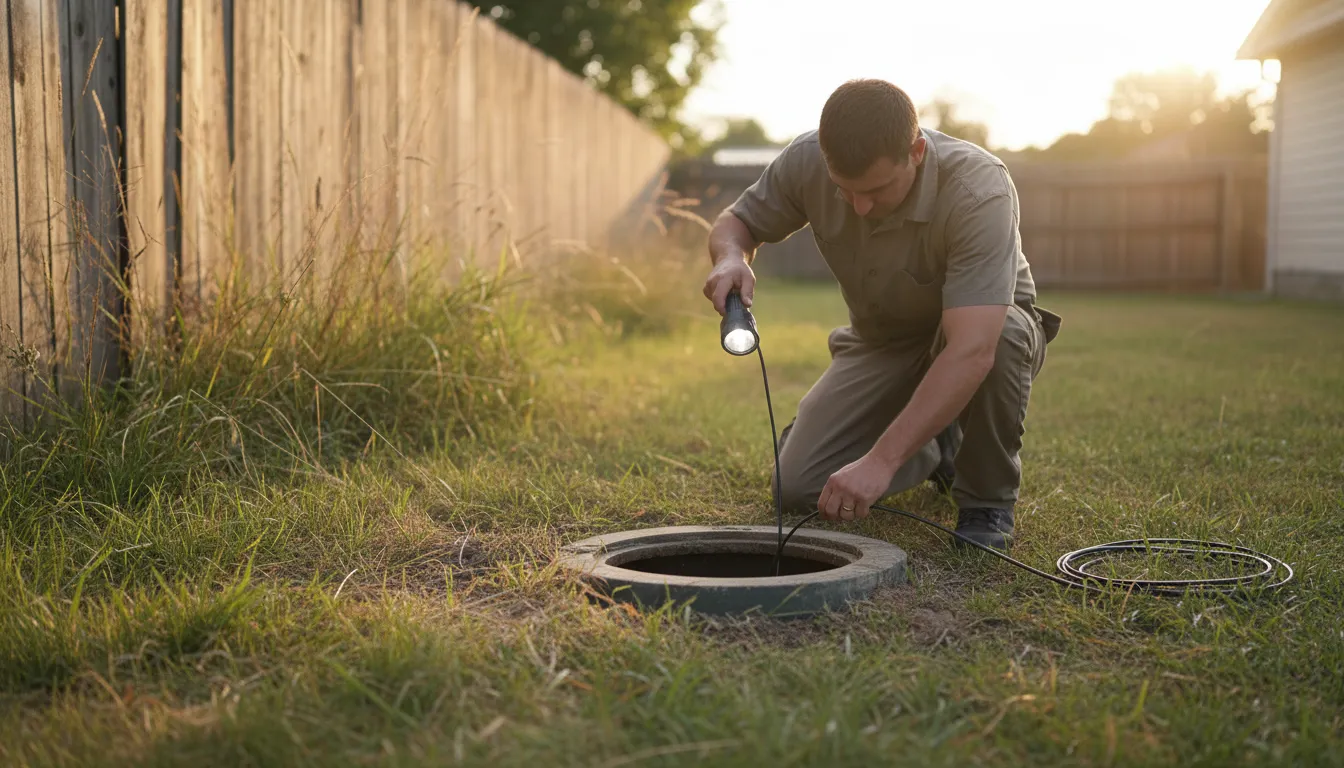
Find the Best Septic Tank Inspection Companies for Your Business
No obligation • Fast responses • Nationwide coverage

Why you can trust Septic Spot
Septic Spot is a leading United States resource for understanding and comparing septic services. Our editors review providers using consistent criteria and verify key business details. Listings and scores are independent, and companies cannot pay to influence our content.
Search providers near you
Top Septic Tank Inspection Companies in Yorba Linda, California Ranked
Maintaining a healthy septic system is a critical responsibility for homeowners in Yorba Linda. A professional septic system evaluation is the best way to ensure your onsite wastewater treatment system is functioning properly, protecting your property value, your family's health, and the local environment. This guide explains the importance of regular assessments, outlines the specific regulations and processes in Yorba Linda, and helps you understand what to expect when you schedule a local service provider for an inspection or certification.
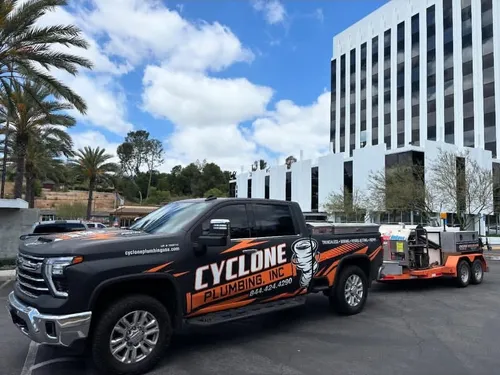
Cyclone Plumbing USA
1440 N Harbor Blvd suite 840, Fullerton, CA 92835
Cyclone Plumbing USA is a plumbing company based in Fullerton, CA, serving homes and businesses throughout Orange County. They offer a wide range of plumbing services, including septic tank inspection and septic system repair, as well as drain cleaning, hydro jetting, water heater installation, and leak detection. The company uses advanced equipment such as sewer cameras to diagnose issues and provides same-day repairs when needed. Cyclone Plumbing USA operates 24/7, offering emergency plumbing services at any time. The team at Cyclone Plumbing USA consists of licensed and insured professionals with years of hands-on experience. They emphasize transparency and fair pricing while delivering quality workmanship. Their commitment to customer satisfaction and comprehensive maintenance plans helps prevent costly repairs and ensures plumbing systems function efficiently.
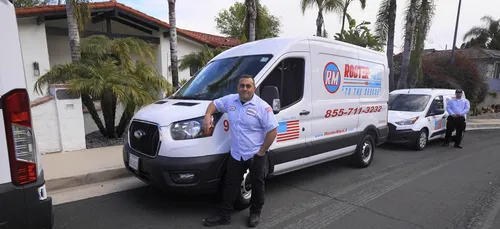
Rooter Man Plumbing of Orange
521 W Katella Ave, Orange, CA 92867
Rooter Man Plumbing of Orange provides septic tank pumping and inspection services in Santa Ana, CA. They offer a wide range of plumbing solutions including emergency repairs, drain cleaning, sewer line replacement, and hydro jetting. The company is equipped to handle both residential and commercial plumbing needs with capabilities such as leak detection and water heater maintenance. Emergency plumbing services are available 24/7 to address urgent issues at any time.
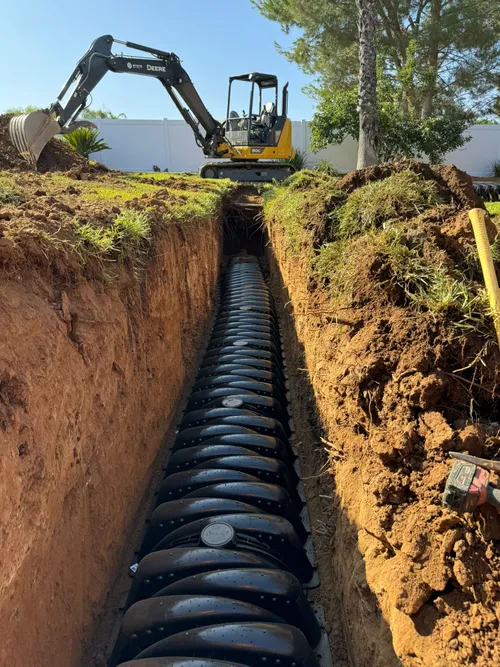
The Pink Septic Services
Riverside, CA
The Pink Septic Services is a septic tank inspection company based in Riverside, CA. They provide expertise in identifying and addressing common septic system issues, including odor problems both inside and outside the home. Their services include inspecting P traps, toilet seals, septic tank covers, and vent pipes to locate sources of septic gases. The company advises on practical solutions such as water replenishment in traps and installing charcoal filters to reduce odors. While specific years in business are not stated, The Pink Septic Services focuses on thorough septic system inspections to help maintain proper function and prevent potential failures.
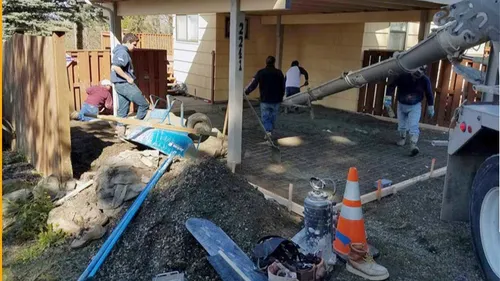
Honey Doo Wagon Septic Pumping
Irvine, CA
Honey Doo Wagon Septic Pumping is a full-service septic company serving Irvine, CA. They offer septic tank pumping, inspections, repairs, installations, replacements, and maintenance. With over 18 years of experience, the company provides a wide range of septic services backed by a commitment to professionalism and integrity.
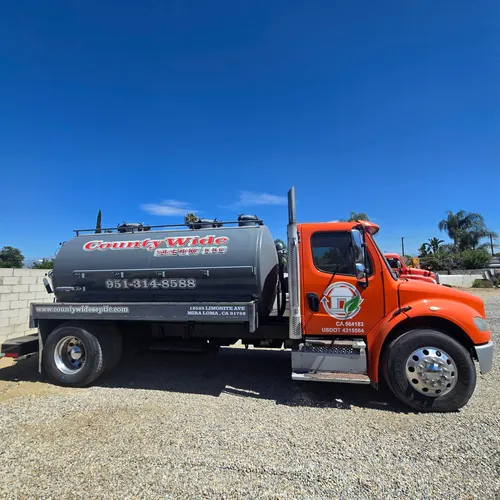
Countywide Septic Pumping LLC
5290 Capella Ct, Jurupa Valley, CA 91752
Countywide Septic Pumping LLC provides septic tank installation, pumping, inspection, and repair services in Los Angeles, CA, and surrounding counties including Riverside, Orange, and San Bernardino. They serve both residential and commercial clients, handling everything from soil sampling and permit acquisition to system maintenance and emergency repairs. The company offers 24-hour emergency septic tank pumping and repair services to address urgent needs promptly. Countywide Septic Pumping uses updated equipment to ensure effective septic system performance and safe installation, supporting properties where municipal water and sewage services are unavailable.
Why Septic System Inspections Are Essential in Yorba Linda
Unlike homes connected to a municipal sewer line, properties with septic systems treat wastewater on-site. The system consists of a tank, where solids settle and begin to decompose, and a drainfield (or leach field), where liquid effluent is filtered through the soil. A malfunctioning system can lead to sewage backups into your home, foul odors, and contamination of groundwater-a serious concern in our community.
Regular septic tank check-ups are not just a good idea; they are a cornerstone of responsible homeownership. The U.S. Environmental Protection Agency recommends inspections at least every three years, though many local professionals in Orange County suggest an evaluation every 1-3 years, with pumping every 3-5 years, depending on usage. An inspection can identify minor issues, like a damaged baffle or excessive sludge, before they escalate into costly repairs or a complete system failure requiring replacement.
Understanding Yorba Linda and Orange County Regulations
Yorba Linda septic systems are governed by California's statewide Onsite Wastewater Treatment System (OWTS) policy, which is administered locally by the Orange County Environmental Health division. These regulations are designed to protect public health and water quality.
A key requirement is that any significant property change-such as adding a bedroom, building an accessory dwelling unit (ADU), or installing a pool-triggers the need for a formal system evaluation by a licensed professional 1. This evaluation, often required for a permit, ensures the existing septic system can handle the proposed increased wastewater load. Furthermore, strict "setback" distances must be maintained between the septic tank, seepage pits, and any water wells to prevent contamination.
For most inspection and repair work, you must hire a contractor with the appropriate California state license, such as a Class-A, C-36 (plumbing), or C-42 (sanitation) license. Always verify a provider's credentials before hiring them for your septic system assessment.
The Step-by-Step Septic Inspection Process
A comprehensive septic system evaluation in Yorba Linda is a detailed process. While specifics can vary by provider, a standard inspection typically includes the following steps:
1. Locating and Exposing the System: The inspector will locate the tank and distribution box, often using probing tools. They will then carefully excavate to expose the access lids.
2. Tank Interior Examination: After pumping out any standing liquid if necessary for visibility, the inspector opens the tank to check its structural integrity. They look for cracks, corrosion, and ensure the tank is watertight.
3. Baffle and Tee Inspection: The inlet and outlet baffles (or tees) are crucial components that prevent scum and solids from flowing out into the drainfield. The inspector checks that they are intact and properly installed 2.
4. Sludge and Scum Measurement: This is a primary method for determining if pumping is needed. The inspector measures the thickness of the scum layer (floating solids) and the sludge layer (settled solids) at the bottom of the tank. If the combined depth is too great, it indicates the tank needs to be pumped 3.
5. Drainfield Assessment: The inspector examines the drainfield area for telltale signs of failure. These include unusually bright green grass over the field, soggy soil, standing water (ponding), or foul odors 4. A malfunctioning drainfield is a serious issue that often requires significant repair.
6. Hydraulic Load Test (Dye Test): To evaluate the drainfield's absorption capacity, the inspector may introduce a substantial amount of water (often around 180 gallons) into the system, sometimes with a non-staining dye 5. They then monitor to see if the water drains properly or if it surfaces, indicating a clogged or failed field.
Find the perfect septic tank inspection companies for your needs
Get personalized recommendations and expert advice
Types of Inspections: From Basic Check-ups to Point-of-Sale
Not all septic inspections are the same. The type you need depends on your situation.
- Routine Maintenance Inspection: This is a periodic check-up to monitor the health of your system and plan for pumping. It may be a "limited visual inspection" that focuses on the tank's interior and basic drainfield observation.
- Full System Certification: Often required by the county for property upgrades or repairs, this is a more comprehensive evaluation that follows a standardized checklist and results in a formal compliance statement for the authorities 6.
- Point-of-Sale Inspection: When selling a home with a septic system in Yorba Linda, a full inspection is almost always required by the buyer's lender or as a condition of the sale. This inspection provides a detailed report on the system's condition, which can affect the transaction 7.
Costs Associated with Septic Inspections and Services
Understanding potential costs helps in budgeting for this essential home maintenance. In the Yorba Linda area, fees can vary based on the inspection's complexity, tank size, and property access.
- Inspection Fee: A standard septic system evaluation typically costs between $50 and $150 8.
- Pumping Fee: If the inspection reveals the tank needs to be pumped, that service generally ranges from $150 to $250, depending on tank size 9 10.
- Major Repairs or Replacement: Costs here can rise significantly. Replacing a failed drainfield or entire system involves new engineering plans, soil percolation tests, excavation, and materials, often totaling several thousand dollars 11 12. Addressing issues early during a routine inspection is the most cost-effective strategy.
Maintaining Your System Between Inspections
A professional inspection is vital, but day-to-day care extends the life of your septic system. Key maintenance tips include:
- Conserve Water: Spread out laundry loads and fix leaky faucets to avoid overwhelming the system.
- Mind What You Flush: Only human waste and toilet paper should go down the drain. Avoid flushing wipes (even "flushable" ones), feminine hygiene products, dental floss, and cooking grease.
- Be Careful with Chemicals: Harsh drain cleaners, antibacterial soaps, and excessive bleach can kill the beneficial bacteria in your tank that break down waste.
- Protect the Drainfield: Never park vehicles or build structures over the drainfield. Keep roof drains and sump pumps from discharging into this area.
For the most current local rules and to find licensed contractors, homeowners can consult the Orange County Environmental Health division.
Frequently asked questions
Sources
Footnotes
-
Southern California Septic System Regulations: What You Need to ... - https://www.lanikseptic.com/socal-septic-regulations/ ↩
-
What to Expect from a Septic Inspection - https://www.wrenvironmental.com/blog/2023/may/what-to-expect-from-a-septic-inspection/ ↩
-
Do-It-Yourself Septic System Inspection (Septic 201) - https://www.youtube.com/watch?v=oATI6NUBw5s ↩
-
Septic Tank Testing & Inspection | What to Expect Guide | Blog - https://www.blueribbonseptic.com/blog/septic-tank-testing-and-inspection ↩
-
Septic System Inspections in Orange County, CA | SewerMan - https://sewerman.com/orange-county/services/oil-to-gas-conversions/ ↩
-
SEPTIC SYSTEM INSPECTION and COMPLIANCE STATEMENT - https://berkeleylake.com/Assets/Files/Docs/Administration/Forms%20and%20Checklists/Septic%20Permit/Septic%20Tank%20Inspection%20Form.pdf ↩
-
Point of Sale Septic Inspections: What to Expect - https://westcoastsanitationinc.com/point-of-sale-septic-inspections-what-to-expect/ ↩
-
Septic Tank Inspection: A Guide - https://www.petesoutflow.com/septic-tank-inspection-a-guidee01bcb81 ↩
-
Septic System Information | Yorba Linda, CA - https://www.yorbalindaca.gov/762/Septic-System-Information ↩
-
Maintaining your Septic System A Guide for Homeowners - https://www.ihs.gov/california/tasks/sites/default/assets/File/SFC-MaintainingYourSepticSystemGuide.pdf ↩
-
Frequent Questions on Septic Systems | US EPA - https://www.epa.gov/septic/frequent-questions-septic-systems ↩
-
A Guide To Florida Septic Tank Regulations and Rules - https://advancedsepticservicesfl.com/florida-septic-tank-regulations/ ↩