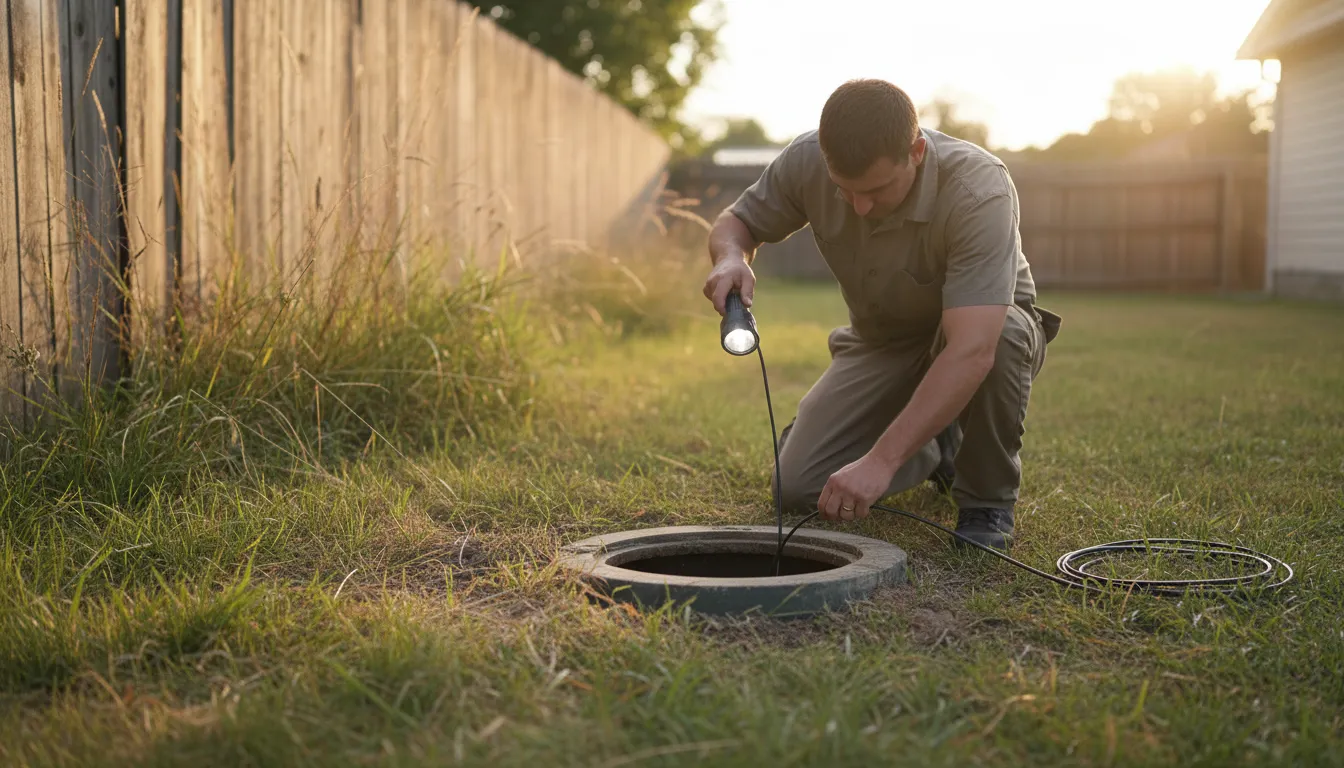
Find the Best Septic Tank Inspection Companies for Your Business
No obligation • Fast responses • Nationwide coverage

Why you can trust Septic Spot
Septic Spot is a leading United States resource for understanding and comparing septic services. Our editors review providers using consistent criteria and verify key business details. Listings and scores are independent, and companies cannot pay to influence our content.
Search providers near you
Top Septic Tank Inspection Companies in Boulder, Colorado Ranked
For homeowners in Boulder, a septic tank inspection is a critical part of responsible property ownership and a mandatory step in the real estate transaction process. This professional evaluation of your onsite wastewater treatment system (OWTS) ensures it is functioning safely, protects public health and local waterways, and is a key requirement from Boulder County Public Health (BCPH). Whether you're preparing to sell your home, buying a property with a septic system, or simply maintaining your existing system, understanding the local inspection process helps you find qualified professionals and navigate county regulations with confidence.
Black Diamond Pumping
14037 Co Rd 8, Fort Lupton, CO 80621
Black Diamond Pumping is a family-owned septic service company based in Fort Lupton, Colorado, serving Denver and the surrounding Northern Colorado areas including Adams, Weld, and Boulder counties. They provide a full range of septic system services such as pumping, inspections, repairs, and installations for both residential and commercial properties. With over 20 years of experience, the company is licensed and insured, equipped to handle septic tanks of all sizes, and emphasizes routine maintenance to ensure proper system function and safety.

The Drain Check | A drain, sewer, septic and portable restroom company.
163 4th Ave, Longmont, CO 80501
The Drain Check is a septic tank pumping and inspection company serving Denver, CO, and the Front Range area. They offer a range of services including septic pumping, septic inspections, sewer line camera inspections, hydro jetting, and sewer line repairs. The company uses camera technology to identify sewer line issues and can locate pipe damage to assist with efficient repairs. They recommend annual sewer line inspections and cleanings to prevent costly backups and damage caused by tree roots or other blockages.
Colorado Septic
80 Big Springs Dr #304, Nederland, CO 80466
Colorado Septic is a septic tank pumping, inspection, and repair company serving Denver, CO. They provide comprehensive onsite wastewater treatment system services, including pumping, cleaning, inspecting, and repairing septic tanks and drain fields. Their capabilities include using sewer cameras to locate blockages and employing hydro-jetting and drain rooter machines to clear obstructions. Colorado Septic focuses on identifying problems early to prevent further damage and ensure timely service completion.

Urgent Septic Services
Fort Collins, CO
Urgent Septic Services is a family-owned business offering septic tank pumping, inspection, and installation in Fort Collins, CO. With over a decade of experience serving Greeley and surrounding areas, they provide comprehensive septic solutions for both residential and commercial properties. Their skilled team handles everything from routine maintenance to emergency septic services, ensuring systems function properly and efficiently.
Suc N Up LLC
1580 County Rd 20 1/2, Longmont, CO 80504
Suc N Up LLC is a septic tank pumping, inspection, repair, and installation company based in Denver, CO. They serve a wide range of areas across Colorado, including Larimer, Weld, Boulder, Jefferson, Douglas, and several others. The company offers specialized services such as grease trap cleaning and lift station maintenance to support proper wastewater management. With over 20 years of experience, Suc N Up LLC emphasizes relationship-driven service and is available 24/7 to assist clients whenever needed.
Why Septic System Inspections Are Essential in Boulder
Boulder's environmental regulations are designed to protect the unique ecosystem, making septic system oversight particularly important. A failing system can contaminate groundwater, streams, and pose serious health risks. Regular evaluations, often called septic assessments or OWTS checks, are not just about compliance; they are a proactive measure to catch small issues before they become expensive, environmentally damaging failures. For property transfers, a certified inspection is a legal requirement to obtain a Use Permit from BCPH, making it a non-negotiable part of the closing process.
Boulder County's Inspection Requirements
Local rules govern when and how your septic system must be inspected. The primary trigger is a property sale.
- Property Transfer Mandate: Upon the sale of any property with an OWTS, the seller must submit a Use Permit application to BCPH, which requires a certified inspection report from a county-licensed inspector. The system must be found to be functioning properly, permitted, and correctly sized for the home's capacity.
- Routine Maintenance Schedule: Even without a sale, BCPH recommends that systems be pumped and inspected every 3 to 4 years to ensure optimal performance. At a bare minimum, an inspection should be conducted every 10 years to assess the system's health.
- Consequences of a Failed Inspection: If an inspection uncovers problems, repairs or a full system replacement must be completed and approved within one year of the property sale 1. This underscores the importance of having an inspection done early in the sales process.
The Step-by-Step Inspection Process
A thorough septic system evaluation in Boulder follows a detailed procedure to assess every component.
- Record Review & Locating the System: The process often begins with obtaining the system's "as-built" drawing from the BCPH online portal to accurately locate the tank and drain field. The property owner is responsible for uncovering the tank access lids before the inspector arrives.
- Tank Interior Assessment: The inspector will open the tank to check the sludge and scum levels, typically using a tool called a "sludge judge". They also examine the structural integrity of the concrete or fiberglass tank, the inlet and outlet baffles, and the effluent filter (if present) for any damage or blockages.
- Drain Field (Leach Field) Evaluation: This is a crucial part of the inspection. A technician will often perform a hydraulic load test by running water into the system to see if the liquid drains properly through the soil absorption field or if there is surfacing or backup, indicating a failure 2.
- Reporting: The licensed inspector completes Boulder County's official 4-page OWS Inspection report. This document details the findings and must be submitted to the health department for the Use Permit application 3.
Understanding Inspection Costs
The price of a septic inspection in Boulder varies based on the scope of work and system accessibility.
- Inspection Only (for a Use Permit): This typically ranges from $400 to $800 or more, depending on the system's complexity and size 4.
- Combined Pumping and Inspection: Most inspectors recommend pumping the tank during the inspection to get a clear view of all components. This bundled service usually costs between $600 and $1,000+ 5 6.
- Additional Factors: Costs can increase if the tank lacks risers (requiring extra excavation), is difficult to locate or access, or if the property is particularly remote. If repairs are needed-such as fixing baffles or unclogging pipes-the expenses will be significantly higher.
Find the perfect septic tank inspection companies for your needs
Get personalized recommendations and expert advice
Choosing a Licensed Boulder County Inspector
Not all septic service providers are authorized to conduct official inspections for property transfers. It is essential to verify that the professional you hire is currently licensed by Boulder County Public Health. These licensed evaluators understand the specific county paperwork, testing protocols, and submission processes. You can find resources and the latest forms on the official Boulder County SepticSmart webpage 7.
Maintenance Beyond the Inspection
A septic system inspection is a snapshot of its health at one moment. Ongoing care is vital. Adhering to the recommended 3-4 year pumping schedule is the best practice to prevent sludge overload 8. Being mindful of what goes down your drains-avoiding grease, harsh chemicals, and non-biodegradable materials-will extend the life of your system and help it pass future inspections with ease 9.
The Role of Inspections in Property Sales
For sellers, getting a pre-listing septic assessment can prevent surprises and delays during negotiations. For buyers, it's a crucial due diligence step. The inspection report provides peace of mind that the wastewater system is a functioning asset, not a looming liability. Remember, final approval from BCPH in the form of the Use Permit is required to complete the sale, making the inspector's role pivotal 10 11.
Frequently asked questions
Sources
Footnotes
-
Realtors Guide to Septic Inspections in Southern Colorado - https://saveurseptic.com/wp-content/uploads/2025/02/Realtors-Guide-to-Septic-Inspections-Final.pdf ↩
-
Septic Inspections - Boulder, CO - https://www.sullivanseptic.net/boulder-county-inspections ↩
-
Septic System Inspections - InterNACHI® - https://www.nachi.org/inspecting-septic-systems.htm ↩
-
Use Permits & Inspections - Colorado Septic Maintenance & Repair - https://www.cosepticmr.com/post/use-permits-inspections ↩
-
Septic Tanks Requirements for Property Sales - https://www.coinspection.com/colorado-inspection-services/maintenance-resources/septic-systems/septic-tanks-requirements-for-property-sales/ ↩
-
Cost of a Septic Inspection: A Comprehensive Guide - https://www.maxrealestateexposure.com/septic-inspection-cost/ ↩
-
the seller, - Boulder County - https://assets-sandbox.bouldercounty.gov/wp-content/uploads/2017/02/septic-sellers-brochure.pdf ↩
-
Maintenance - Boulder County - https://bouldercounty.gov/environment/water/septicsmart/maintenance/ ↩
-
Frequent Questions on Septic Systems | US EPA - https://www.epa.gov/septic/frequent-questions-septic-systems ↩
-
Colorado Septic Tank Requirements | On-site Wastewater Treatment ... - https://www.ntotank.com/blog/colorado-septic-tank-requirements ↩
-
SepticSmart - Property Transfer - Boulder County - https://bouldercounty.gov/environment/water/septicsmart/property-transfer/ ↩