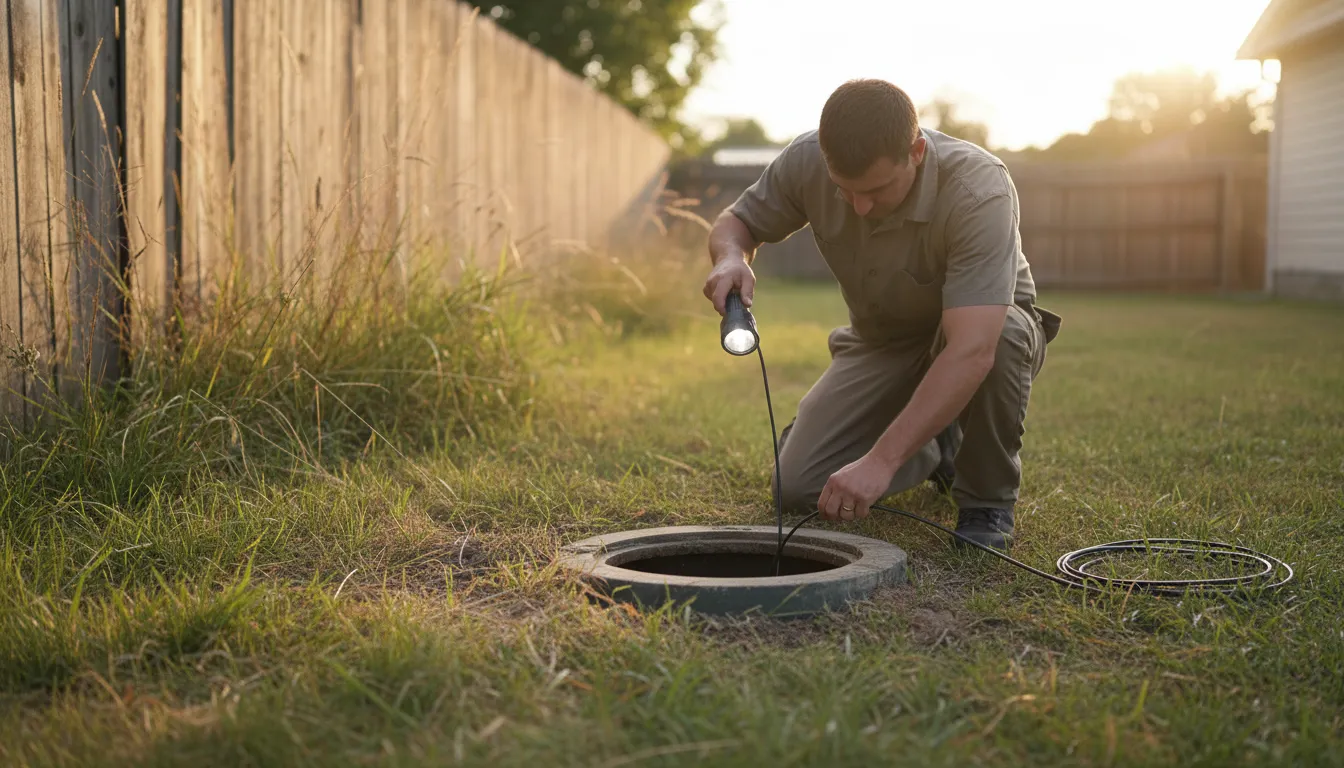
Find the Best Septic Tank Inspection Companies for Your Business
No obligation • Fast responses • Nationwide coverage

Why you can trust Septic Spot
Septic Spot is a leading United States resource for understanding and comparing septic services. Our editors review providers using consistent criteria and verify key business details. Listings and scores are independent, and companies cannot pay to influence our content.
Search providers near you
Top Septic Tank Inspection Companies in Castle Rock, Colorado Ranked
A septic tank inspection is a professional assessment of your on-site wastewater treatment system's condition and functionality. For homeowners in Castle Rock, these evaluations are crucial for protecting your property value, ensuring public health, and complying with Douglas County regulations. This guide explains the local inspection process, costs, and requirements, helping you connect with qualified, certified inspectors in the area to maintain your system properly.
Ley Septic LLC
174 Granada Way, Pine, CO 80470
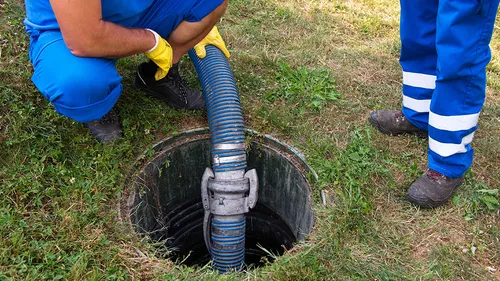
Ley Septic LLC provides septic tank pumping and inspection services in Denver, CO. They focus on routine maintenance to prevent backups, extend system lifespan, and ensure compliance with local regulations. Their process includes thorough inspections, safe pumping with advanced equipment, and detailed reporting to keep septic systems functioning properly. The company emphasizes professional handling of septic waste and offers personalized maintenance recommendations to protect homes and businesses.
Pipe Spies, Inc.®
Aurora, CO
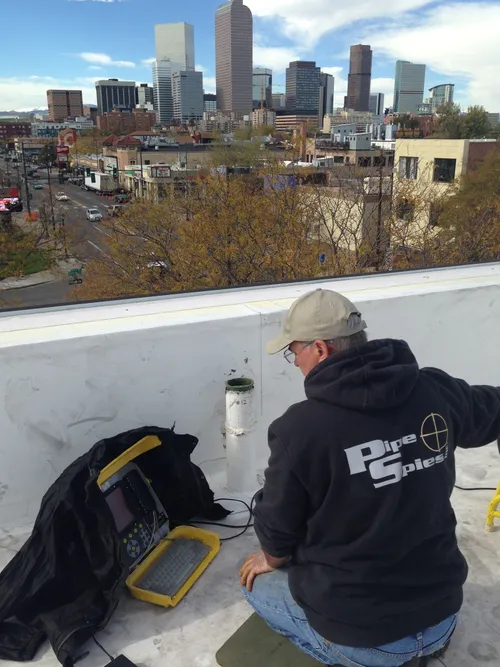
Pipe Spies, Inc.® is a septic tank inspection company based in Aurora, CO. They specialize in providing unbiased sewer and septic system inspections without offering repair services, ensuring no conflict of interest. Their expertise includes detailed video inspections and accurate diagnostics to identify real issues and recommend practical solutions. The company is known for offering reliable second opinions that can prevent unnecessary repairs and expenses.
High Plains Sanitation Service
Denver, CO
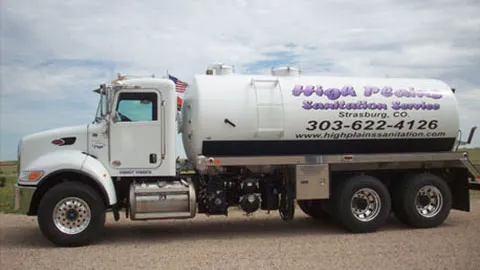
High Plains Sanitation Service is a family-owned septic company based in Denver, CO, serving the I-70 Corridor and surrounding areas. They specialize in septic tank pumping, cleaning, inspections, and minor septic system repairs, with additional electrical support for septic systems. The company has been serving the local community for over 65 years and is NAWT certified, ensuring professional and knowledgeable service.
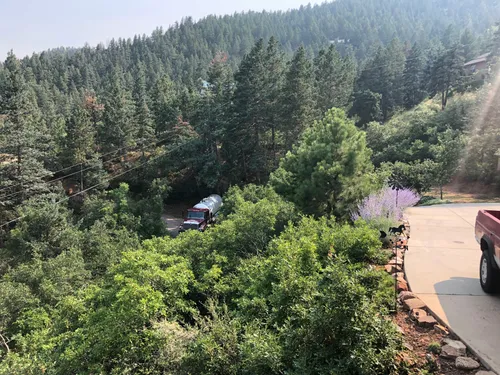
Arrowhead Septic Services
Colorado Springs, CO
Arrowhead Septic Services is a family-owned company based in Colorado Springs, CO, providing septic tank pumping, septic inspections, and grease trap maintenance. They serve homeowners and businesses throughout El Paso and Teller Counties. As a Certified Septic Inspector and member of the National Association of Waste Transporters, they offer professional septic and grease trap services.
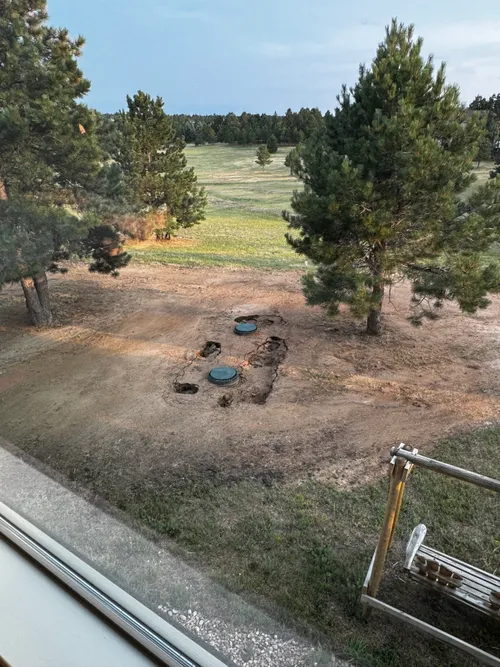
Murray Excavating, Inc.
Colorado Springs, CO
Murray Excavating, Inc. is a septic system installation and repair company serving Colorado Springs, CO, and El Paso County. They specialize in septic system replacement, installation, and repair, including drain field and septic pump services. The company handles site preparation, grading, plumbing, electrical work, and backfilling to ensure complete septic system functionality. With over 20 years of experience, Murray Excavating is known for its knowledge of health department codes and strong relationships with local authorities. They operate as an owner-run business focused on quality work and customer satisfaction.
Understanding Septic System Inspections in Douglas County
In Castle Rock and throughout Douglas County, septic systems are formally known as On-site Wastewater Treatment Systems (OWTS). Local health codes mandate specific inspection protocols to ensure these systems operate safely and do not contaminate groundwater or create public nuisances. The primary goal of a septic system evaluation is to verify that all components-from the tank to the soil treatment area (leach field)-are intact and functioning as designed.
The most common trigger for an inspection is a property transfer. Douglas County requires a formal "Use Permit" whenever a property with a septic system changes ownership. This isn't merely a bureaucratic step; it's a vital check that protects both the buyer and the seller by documenting the system's condition at the time of sale. Beyond real estate transactions, the county also requires systems to be inspected, and tanks pumped, at least every four years for ongoing maintenance.
The Inspection Process: What a Certified Professional Does
A thorough septic tank inspection is a detailed, multi-step procedure conducted by a qualified expert. Here's what you can expect when you hire a professional for a system assessment in Castle Rock:
1. Locating and Gaining Access The inspector will first locate the septic tank and distribution box. Ideally, tanks should have risers that bring the access lids up to ground level. If lids are buried, the inspector may need to excavate, which can incur additional charges. This step underscores the value of installing risers for easy, future access.
2. Tank Integrity and Component Check Once opened, the inspector examines the tank itself for structural issues like cracks, leaks, or signs of backflow. A critical part of this is inspecting the inlet and outlet baffles (or tees). These components are essential for preventing solids from escaping into the drain field, and their failure is a common cause of system problems 1.
3. Measuring Sludge and Scum Levels Using specialized tools, the inspector measures the depth of the scum layer (floating solids) and the sludge layer (settled solids) at the bottom of the tank. Douglas County standards require pumping if the sludge exceeds 25% of the tank's liquid volume 2 3. This measurement determines if immediate pumping is necessary.
4. Operational and Hydraulic Test The inspector will often run water through household fixtures to check the flow into the tank and observe the drain field for any surfacing effluent, which indicates a failure. For systems with pumps, they will check the pump, floats, and alarm systems to ensure proper operation 4 5.
5. Reporting and County Compliance Following the assessment, the certified inspector provides a detailed report. For a Use Permit application, this report must be submitted to the Douglas County Health Department to obtain approval for the property transfer 6.
Find the perfect septic tank inspection companies for your needs
Get personalized recommendations and expert advice
Local Requirements: Use Permits and Certified Inspectors
Navigating Douglas County's regulations is a key part of owning a septic system in Castle Rock.
The Use Permit Requirement A Use Permit is not a one-time installation permit; it's required for any change in ownership or use of a property with an OWTS. The seller is typically responsible for ensuring the inspection is completed and the permit is obtained before closing. It's highly recommended to schedule this septic tank evaluation early in the real estate contract period-ideally 3-4 weeks before closing-to address any unforeseen issues or repairs.
Choosing a Qualified Inspector Douglas County requires that inspections for Use Permits be completed by a qualified professional. Many local inspectors hold certification through the National Association of Wastewater Technicians (NAWT), which is a recognized standard for competency. When searching for a provider, confirm they are familiar with Douglas County's specific reporting requirements to avoid delays in your permit application.
What Inspection Costs in Castle Rock
The price of a septic inspection in Castle Rock varies based on the scope of work and system complexity.
- Routine Inspection: A standard inspection, often done for maintenance purposes, typically ranges from $200 to $900, with an average cost around $550.
- Real Estate Transfer Inspection with Pumping: A comprehensive inspection combined with tank pumping, which is standard for a property transfer, can cost up to $1,3007 8.
- Additional Potential Costs: If your tank lacks risers and the lids are buried, contractors will charge for excavation to access them. Investing in riser installation during this service can save money and hassle on future inspections.
These costs are an investment in your property's health and value. An inspection can identify minor issues before they become major, expensive failures.
Maintaining Your System Between Inspections
While professional inspections are mandatory, proactive maintenance extends the life of your system. Pump your tank regularly (typically every 3-5 years, depending on usage). Be mindful of what goes down your drains; avoid flushing chemicals, grease, and non-biodegradable items. Conserve water to prevent hydraulically overloading the drain field. Finally, keep detailed records of all inspections, pumping, and repairs-this documentation is invaluable for future sales and troubleshooting.
Signs You Might Need an Inspection Sooner
Don't wait for a property sale or the four-year mark if you notice warning signs. Contact a septic service professional for an assessment if you observe:
- Sewage odors in your yard or home.
- Slow-draining sinks, tubs, or toilets.
- Gurgling sounds in your plumbing.
- Lush, green grass or standing water over the drain field.
- Sewage backing up into the house.
Addressing these issues promptly can prevent environmental contamination and more costly repairs down the line.
Frequently asked questions
Sources
Footnotes
-
Septic Pumping & Inspections - Douglas County Septic - The Colorado Septic Professionals - https://douglascountyseptic.com/douglas-county-septic-systems/septic-pumping/ ↩
-
Use Permits (Septic Systems) - Douglas County - https://www.douglas.co.us/health-department/use-permits-septic-systems/ ↩
-
Colorado Septic Tank Requirements | On-site Wastewater ... - https://www.ntotank.com/blog/colorado-septic-tank-requirements ↩
-
Realtors Guide to Septic Inspections in Southern Colorado - https://saveurseptic.com/wp-content/uploads/2025/02/Realtors-Guide-to-Septic-Inspections-Final.pdf ↩
-
Septic System Inspections: A Step-by-Step How-To Guide - https://westcoastsanitationinc.com/septic-inspection-service/ ↩
-
Septic System FAQs - Douglas County - https://www.douglas.co.us/health-department/septic-system-faqs/ ↩
-
Use Permits & Inspections - https://www.cosepticmr.com/post/use-permits-inspections ↩
-
How Much Does a Septic Inspection Cost? [2026 Data] | Angi - https://www.angi.com/articles/septic-inspection-cost.htm ↩