Find the Best Septic Tank Inspection Companies for Your Business
No obligation • Fast responses • Nationwide coverage

Why you can trust Septic Spot
Septic Spot is a leading United States resource for understanding and comparing septic services. Our editors review providers using consistent criteria and verify key business details. Listings and scores are independent, and companies cannot pay to influence our content.
Search providers near you
Top Septic Tank Inspection Companies in Greeley, Colorado Ranked
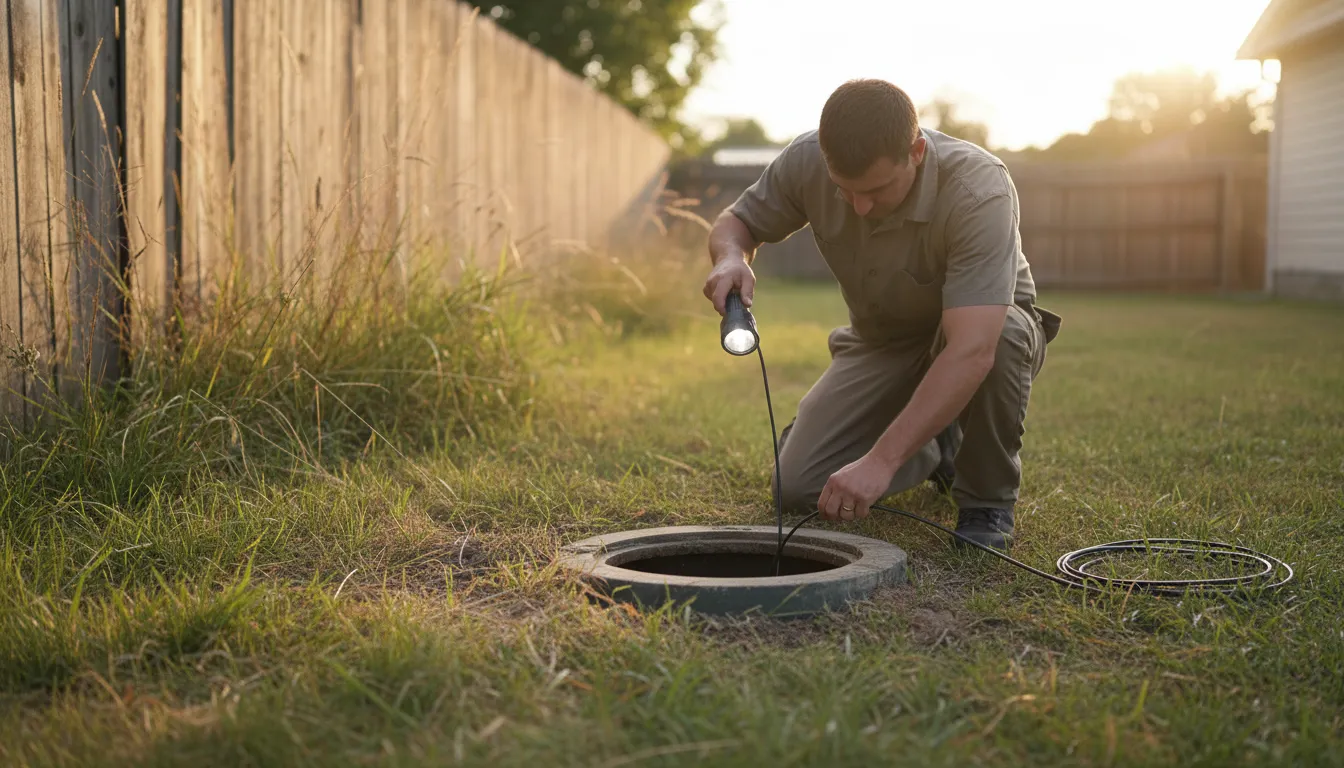
A septic tank inspection is a critical evaluation of your on-site wastewater system, ensuring it is functioning safely and in compliance with local health codes. In Greeley and Weld County, these assessments are often required during property transfers and are essential for protecting your investment and the local environment. This guide will help you understand the process, local regulations, and how to find qualified professionals to conduct a thorough system evaluation.
A-1 Septic Service
Denver, CO
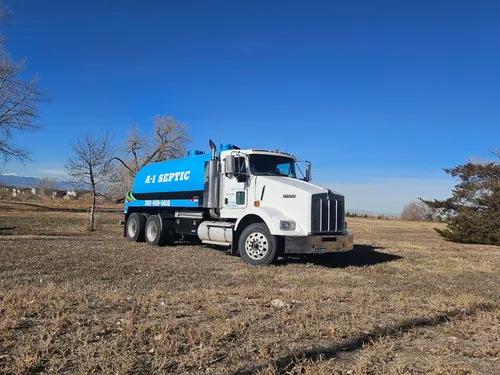
A-1 Septic Service provides septic tank pumping and inspection services in Denver, CO. They serve both residential and commercial clients across Adams, Arapahoe, Boulder, Broomfield, and Weld counties. The company focuses on regular septic system maintenance to prevent buildup of scum and sludge, which can cause overflow or system failure if left unaddressed. This preventative approach helps protect property value and safety.
Black Diamond Pumping
14037 Co Rd 8, Fort Lupton, CO 80621
Black Diamond Pumping is a family-owned septic service company based in Fort Lupton, Colorado, serving Denver and the surrounding Northern Colorado areas including Adams, Weld, and Boulder counties. They provide a full range of septic system services such as pumping, inspections, repairs, and installations for both residential and commercial properties. With over 20 years of experience, the company is licensed and insured, equipped to handle septic tanks of all sizes, and emphasizes routine maintenance to ensure proper system function and safety.

The Drain Check | A drain, sewer, septic and portable restroom company.
163 4th Ave, Longmont, CO 80501
The Drain Check is a septic tank pumping and inspection company serving Denver, CO, and the Front Range area. They offer a range of services including septic pumping, septic inspections, sewer line camera inspections, hydro jetting, and sewer line repairs. The company uses camera technology to identify sewer line issues and can locate pipe damage to assist with efficient repairs. They recommend annual sewer line inspections and cleanings to prevent costly backups and damage caused by tree roots or other blockages.
Urgent Septic Services
Fort Collins, CO
Urgent Septic Services is a family-owned business offering septic tank pumping, inspection, and installation in Fort Collins, CO. With over a decade of experience serving Greeley and surrounding areas, they provide comprehensive septic solutions for both residential and commercial properties. Their skilled team handles everything from routine maintenance to emergency septic services, ensuring systems function properly and efficiently.
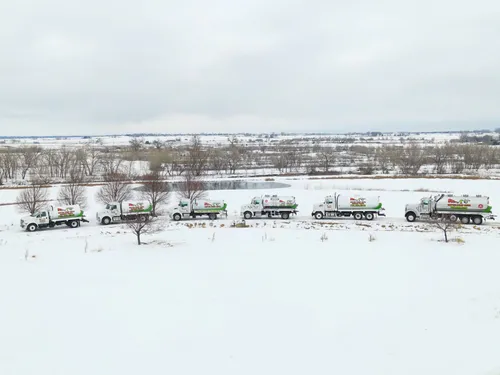
Suc N Up LLC
1580 County Rd 20 1/2, Longmont, CO 80504
Suc N Up LLC is a septic tank pumping, inspection, repair, and installation company based in Denver, CO. They serve a wide range of areas across Colorado, including Larimer, Weld, Boulder, Jefferson, Douglas, and several others. The company offers specialized services such as grease trap cleaning and lift station maintenance to support proper wastewater management. With over 20 years of experience, Suc N Up LLC emphasizes relationship-driven service and is available 24/7 to assist clients whenever needed.
Why Septic System Inspections Are Required in Weld County
Local authorities mandate septic inspections to protect public health and groundwater quality. In Greeley, the Weld County Department of Public Health and Environment (WCDPHE) enforces state and county regulations, primarily Regulation 43. An inspection is a legal requirement for obtaining a Use Permit during a property sale, serving as official verification that the system is operational and poses no imminent health risk. Without a passing inspection report filed with the county, a real estate transaction can be delayed or halted.
Beyond real estate, a professional assessment is a cornerstone of responsible homeownership. It identifies minor issues before they become costly failures, such as a clogged drain field or a structurally compromised tank. Regular checks help maintain the system's longevity and prevent environmental contamination in your community.
The Role of a Certified Septic Inspector
Not just any contractor can perform a legally valid inspection in Colorado. A certified septic inspector must hold qualifications from a national body like the National Association of Wastewater Technicians (NAWT) or a state-approved program1. This certification ensures the inspector understands Colorado's specific technical standards, such as the required minimum pipe slope of 1/8 inch per foot to prevent freezing.
Hiring a certified professional guarantees that the evaluation will meet Weld County's strict criteria and that the subsequent report will be accepted by the health department. They are trained to identify subtle signs of system distress that an untrained eye might miss, providing you with a reliable picture of your septic system's health.
What to Expect During a Comprehensive System Evaluation
A full septic tank inspection is a multi-step process that examines every component of your on-site wastewater system. Here's a breakdown of what a thorough evaluation entails 2:
-
Pre-Inspection Preparation: To save on labor costs, homeowners are often advised to locate and uncover the tank's access lids before the inspector arrives3. If the lids are buried, inspectors may charge an additional fee to excavate them. Installing risers-access pipes that bring the lids to ground level-is a highly recommended upgrade that simplifies future inspections and pumping.
-
Initial System Review: The inspector will check both indoor and outdoor plumbing for proper flow and look for any obvious signs of backup or malfunction.
-
Tank Access and Visual Inspection: Once the tank is opened, the inspector checks for structural integrity, looking for cracks, corrosion, or signs of deterioration in the tank itself. A key check is ensuring the inlet and outlet baffles or tees are intact; these devices are crucial for preventing solids from flowing into the drain field.
-
Sludge and Scum Measurement: The inspector measures the levels of sludge (solid waste at the bottom) and scum (floating fats and greases). A common rule is that sludge should not exceed one-third of the tank's liquid depth. High levels indicate the need for pumping.
-
Drain Field Assessment: The soil treatment area, or drain field, is evaluated for signs of failure. The inspector looks for ponding water, surfacing sewage, or foul odors-all indicators that the field is saturated and unable to properly treat the effluent.
-
Pumping for Clarity: While not always mandatory for a visual inspection, the tank is often pumped as part of a full evaluation. This allows the inspector to clearly see the tank's interior, check the effluent filter (if present), and accurately assess the bottom and walls 4.
-
Final Reporting: After the evaluation, the inspector provides a detailed report of their findings. If the system passes, this report is filed with the WCDPHE to secure the necessary Use Permit for a property transfer.
Find the perfect septic tank inspection companies for your needs
Get personalized recommendations and expert advice
Understanding Costs for Inspection and Pumping in Greeley
The price of septic services in Greeley depends on the scope of work. A standalone visual inspection typically ranges from $150 to $350. If the inspection includes pumping the tank-which is common for a thorough assessment during a home sale-the combined cost generally falls between $400 and $600 5.
Pumping alone usually costs $200 to $400, varying with tank size and accessibility6 7. Remember that additional fees may apply for locating a buried tank, excavating lids, or for the county's permit filing. To avoid surprises, always request a detailed quote that breaks down inspection, pumping, and any potential extra charges.
Key Regulations and Passing Inspection in Weld County
Understanding local rules can help you prepare for a successful system evaluation. Weld County adheres to Colorado's Regulation 43, which sets the standards for design, installation, and maintenance 8. For an inspection, the key requirements are:
- All system components must be accessible. This means the tank, pipes, and distribution box need to be uncovered for visual and physical inspection9 10.
- The system must be structurally sound. The tank cannot have cracks or leaks, and all baffles/tees must be in place.
- The drain field must be functional. There should be no evidence of effluent surfacing or hydraulic overload.
- Sludge levels must be within limits. Excessive accumulation is a primary reason systems fail inspection, as it signals the need for immediate pumping and can lead to drain field clogging11.
A common tip for homeowners, especially those selling a property, is to schedule the inspection 3-4 weeks before the closing date. This provides ample time to address any repair issues that might arise without derailing the sale timeline.
Maintaining Your System After a Successful Inspection
Passing an inspection is a milestone, but ongoing maintenance is what preserves your system's health. After pumping, regular habits are essential: conserve water to avoid overloading the system, avoid flushing anything besides human waste and toilet paper, and never pour grease or harsh chemicals down the drain. It's advisable to have your tank pumped every 3-5 years, depending on household size and usage, to prevent sludge buildup from reaching critical levels.
Being proactive with maintenance not only prevents emergencies but also makes your next required inspection-whether for a future sale or just for peace of mind-a smooth and predictable process.
Frequently asked questions
Sources
Footnotes
-
Colorado Septic License & Certification | 2024 Contractor Guide - https://www.servicetitan.com/licensing/septic/colorado ↩
-
What to Expect from a Septic Inspection - https://www.wrenvironmental.com/blog/2023/may/what-to-expect-from-a-septic-inspection/ ↩
-
Use Permits & Inspections - https://www.cosepticmr.com/post/use-permits-inspections ↩
-
Understanding Septic Tank Inspections: A Complete Homeowner's ... - https://septic-masters.com/septic-tank-inspection-homeowner-guide/ ↩
-
Douglas County Well & Septic Maintenance Essentials - https://dstreetbrokers.com/blog/well-and-septic-maintenance-basics-in-rural-douglas-county ↩
-
Septic Tanks Requirements for Property Sales - https://www.coinspection.com/colorado-inspection-services/maintenance-resources/septic-systems/septic-tanks-requirements-for-property-sales/ ↩
-
Frequent Questions on Septic Systems | US EPA - https://www.epa.gov/septic/frequent-questions-septic-systems ↩
-
Clean water: On-site wastewater treatment systems - https://cdphe.colorado.gov/OWTS ↩
-
Septic Systems (On-site Wastewater Treatment Systems) - https://www.weld.gov/Government/Departments/Health-and-Environment/Environmental-Health-Services/Septic-Systems ↩
-
On-site Wastewater Treatment System Regulations - https://nchd.org/wp-content/uploads/2024/08/Onsite-wastewater-treatment-system-regulations.pdf ↩
-
How to Get Septic to Pass Inspection - https://www.guardianangelinspections.com/how-to-get-septic-to-pass-inspection ↩