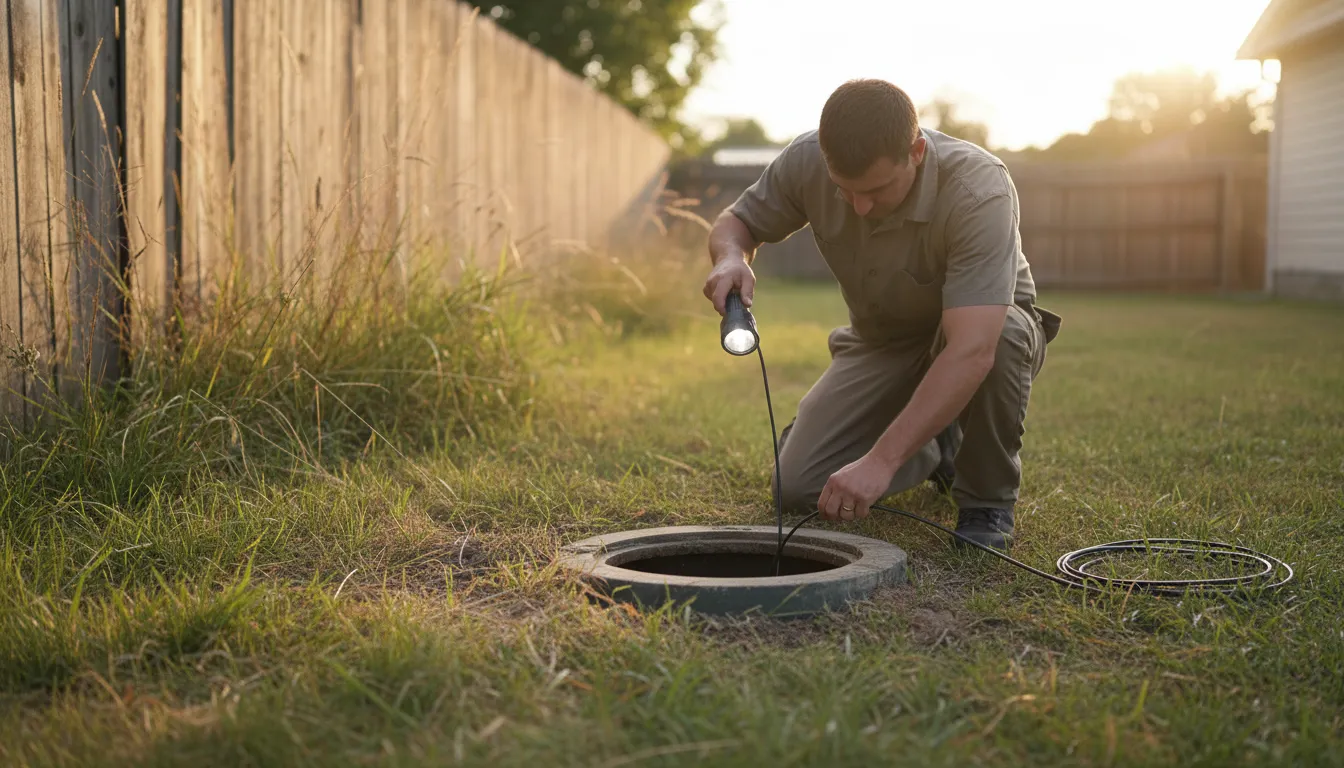
Find the Best Septic Tank Inspection Companies for Your Business
No obligation • Fast responses • Nationwide coverage

Why you can trust Septic Spot
Septic Spot is a leading United States resource for understanding and comparing septic services. Our editors review providers using consistent criteria and verify key business details. Listings and scores are independent, and companies cannot pay to influence our content.
Search providers near you
Top Septic Tank Inspection Companies in Lakewood, Colorado Ranked
A septic tank inspection is a critical evaluation of your onsite wastewater system's health and functionality. In Lakewood, these assessments are not just a good maintenance practice; they are a mandatory step for property sales and a key part of protecting your investment and local groundwater. This guide helps you understand the local requirements, the inspection process, and how to find certified professionals to ensure your system is evaluated properly.
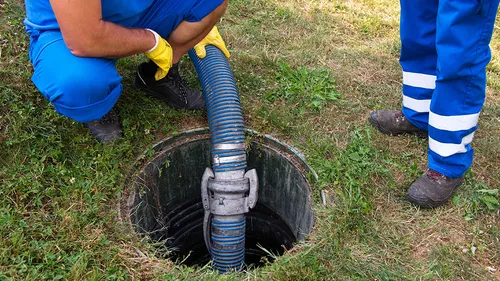
Ley Septic LLC
174 Granada Way, Pine, CO 80470
Ley Septic LLC provides septic tank pumping and inspection services in Denver, CO. They focus on routine maintenance to prevent backups, extend system lifespan, and ensure compliance with local regulations. Their process includes thorough inspections, safe pumping with advanced equipment, and detailed reporting to keep septic systems functioning properly. The company emphasizes professional handling of septic waste and offers personalized maintenance recommendations to protect homes and businesses.
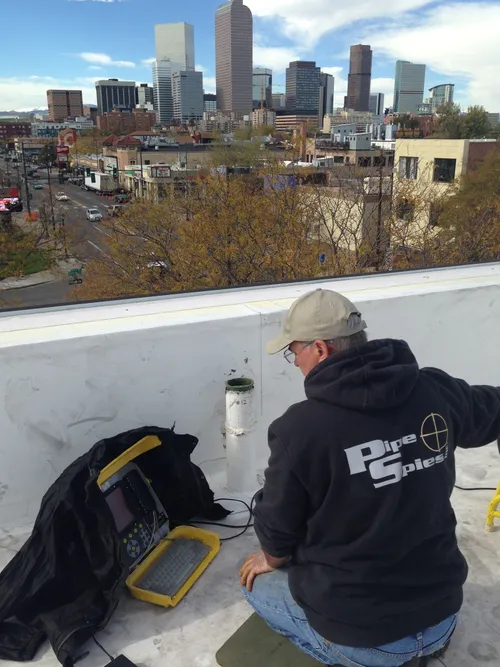
Pipe Spies, Inc.®
Aurora, CO
Pipe Spies, Inc.® is a septic tank inspection company based in Aurora, CO. They specialize in providing unbiased sewer and septic system inspections without offering repair services, ensuring no conflict of interest. Their expertise includes detailed video inspections and accurate diagnostics to identify real issues and recommend practical solutions. The company is known for offering reliable second opinions that can prevent unnecessary repairs and expenses.
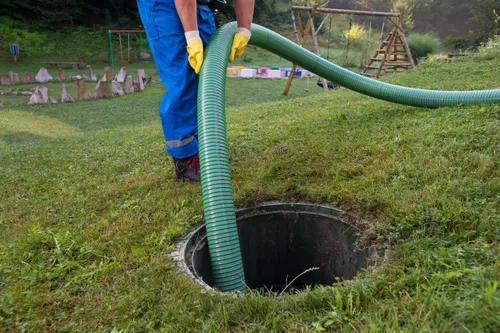
Black Diamond Pumping
14037 Co Rd 8, Fort Lupton, CO 80621
Black Diamond Pumping is a family-owned septic service company based in Fort Lupton, Colorado, serving Denver and the surrounding Northern Colorado areas including Adams, Weld, and Boulder counties. They provide a full range of septic system services such as pumping, inspections, repairs, and installations for both residential and commercial properties. With over 20 years of experience, the company is licensed and insured, equipped to handle septic tanks of all sizes, and emphasizes routine maintenance to ensure proper system function and safety.
Colorado Septic
80 Big Springs Dr #304, Nederland, CO 80466
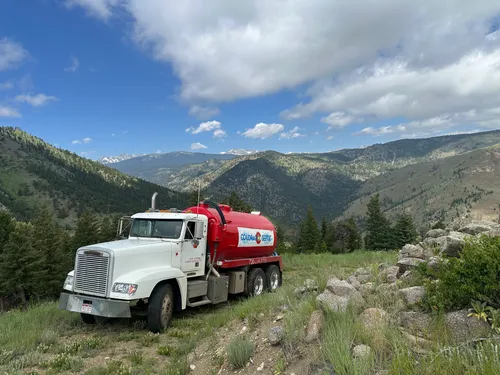
Colorado Septic is a septic tank pumping, inspection, and repair company serving Denver, CO. They provide comprehensive onsite wastewater treatment system services, including pumping, cleaning, inspecting, and repairing septic tanks and drain fields. Their capabilities include using sewer cameras to locate blockages and employing hydro-jetting and drain rooter machines to clear obstructions. Colorado Septic focuses on identifying problems early to prevent further damage and ensure timely service completion.

Urgent Septic Services
Fort Collins, CO
Urgent Septic Services is a family-owned business offering septic tank pumping, inspection, and installation in Fort Collins, CO. With over a decade of experience serving Greeley and surrounding areas, they provide comprehensive septic solutions for both residential and commercial properties. Their skilled team handles everything from routine maintenance to emergency septic services, ensuring systems function properly and efficiently.
Why Septic System Inspections Are Essential in Jefferson County
For homeowners in Lakewood and across Jefferson County, a septic system evaluation is a non-negotiable part of responsible homeownership. Unlike municipal sewer connections, your septic system is your private responsibility. Regular check-ups, typically recommended every 1-3 years, can catch small issues before they become expensive, environmentally hazardous failures. The most common trigger for an inspection, however, is the sale of a property. Jefferson County mandates that a certified contractor must inspect and pump the system to obtain a "Use Permit" before a title transfer can be completed. This regulation ensures that buyers are not inheriting a failing system and that all wastewater systems in the county meet basic health and safety standards.
The Jefferson County Use Permit: A Step-by-Step Guide
If you are buying or selling a home with a septic system in Lakewood, navigating the Use Permit process is your first priority.
- The Requirement: A valid Use Permit from the Jefferson County Department of Health and Environment is required before the sale of any property with an onsite wastewater system.
- Permit Validity: Once issued, the permit is generally valid for six months or until the time of title transfer, whichever comes first.
- The Process: The seller is typically responsible for hiring a county-certified septic inspector/pumper to perform the combined inspection and pumping service. The contractor will then file the official report with the county health department.
- The Filing Fee: A $75 fee is required for the county to process and file the inspection reports.
Scheduling this combined service 3-4 weeks before your planned closing date is highly advised. This buffer allows ample time for the inspection to be completed, the report to be filed, and-critically-for any necessary repairs to be addressed if the system fails the initial evaluation 1.
What a Certified Septic Inspection Involves
A thorough septic system assessment by a qualified professional is a multi-step process designed to evaluate every component. Here's what you can expect during a comprehensive inspection in Lakewood:
- System Location & Access: The inspector will locate and uncover the septic tank lids. If the lids are buried, they may recommend installing risers to bring access to grade level for future service.
- Pumping & Internal Inspection: The tank is fully pumped out. This is not just for maintenance; it allows the inspector to examine the tank's interior walls for cracks, check the structural integrity, and inspect the inlet and outlet baffles or tees for damage or blockages.
- Liquid Level Check: The inspector assesses the scum and sludge layers and the liquid level to determine if the tank is draining properly or if there is a backup indicating a drain field issue.
- Drain Field Evaluation: The soil treatment area (drain field) is examined for signs of failure. This includes looking for surfacing sewage, soggy ground, or unusually lush vegetation, which can all indicate that the field is saturated and not properly absorbing effluent 2.
- Component & Function Review: All system components, including pumps, alarms, and distribution boxes, are checked for proper operation 3.
- Reporting: Finally, the certified inspector compiles a detailed report of their findings and submits it directly to the Jefferson County Health Department to fulfill the Use Permit requirement 4.
Find the perfect septic tank inspection companies for your needs
Get personalized recommendations and expert advice
Understanding Costs and Potential Repairs
Being prepared for the financial aspect of a septic inspection is important for planning, especially during a real estate transaction.
- Combined Inspection & Pumping: In the Lakewood area, the typical cost for the mandatory combined inspection and pumping service generally ranges between $400 and $500.
- County Filing Fee: Remember to account for the separate $75 filing fee paid to Jefferson County 5.
- Repair Costs: These are additional and can vary widely. If the inspection reveals issues-such as damaged baffles, a cracked tank, or a failing drain field-repair costs can range from a few hundred dollars for minor parts replacement to several thousand for major excavation or system components. The pre-closing inspection period is the time to negotiate these repairs between buyer and seller.
Finding and Choosing a Certified Inspector
Not all septic service providers are authorized to perform inspections for a Jefferson County Use Permit. Certification is key.
- Verification is Crucial: Always confirm that the inspector or pumper you hire is currently certified by the Jefferson County Department of Health and Environment or by an authorized national organization like the National Association of Wastewater Technicians (NAWT).
- Ask for Credentials: A reputable professional will readily provide proof of their county certification and insurance.
- Seek Local Experience: Choose a company familiar with Lakewood's soil types, common system designs, and the specific paperwork flow of the Jefferson County health department. Their local expertise can streamline the entire process.
Maintenance Beyond the Inspection
A passing inspection is a snapshot of your system's health at one moment in time. To ensure long-term functionality and avoid surprises at the next inspection or sale:
- Adhere to a Pumping Schedule: Even if not selling, plan to pump your tank every 3 to 5 years, depending on household size and usage 6.
- Practice Water Conservation: Spreading out laundry loads and fixing leaky faucets reduces strain on your system.
- Mind What Goes Down the Drain: Avoid flushing anything besides human waste and toilet paper. Never pour grease, chemicals, or non-biodegradable items into drains.
- Protect the Drain Field: Never park vehicles or place heavy structures over the drain field area, and divert rainwater runoff away from it.
Staying proactive with these practices can extend the life of your system for decades and make every future inspection a smooth process.
Frequently asked questions
Sources
Footnotes
-
Use Permits & Inspections - https://www.cosepticmr.com/post/use-permits-inspections ↩
-
What to Expect from a Septic Inspection - https://www.wrenvironmental.com/blog/2023/may/what-to-expect-from-a-septic-inspection/ ↩
-
Colorado Septic Inspections | Real Estate Transfer-of-Title Requirement - https://www.blackdiamondpumping.com/post/real-estate-septic-inspections ↩
-
Frequently Asked Questions - CivicPlus.CMS.FAQ - Jefferson County - https://www.jeffco.us/FAQ.aspx?QID=365 ↩
-
Septic Tanks Requirements for Property Sales - https://www.coinspection.com/colorado-inspection-services/maintenance-resources/septic-systems/septic-tanks-requirements-for-property-sales/ ↩
-
Frequent Questions on Septic Systems | US EPA - https://www.epa.gov/septic/frequent-questions-septic-systems ↩