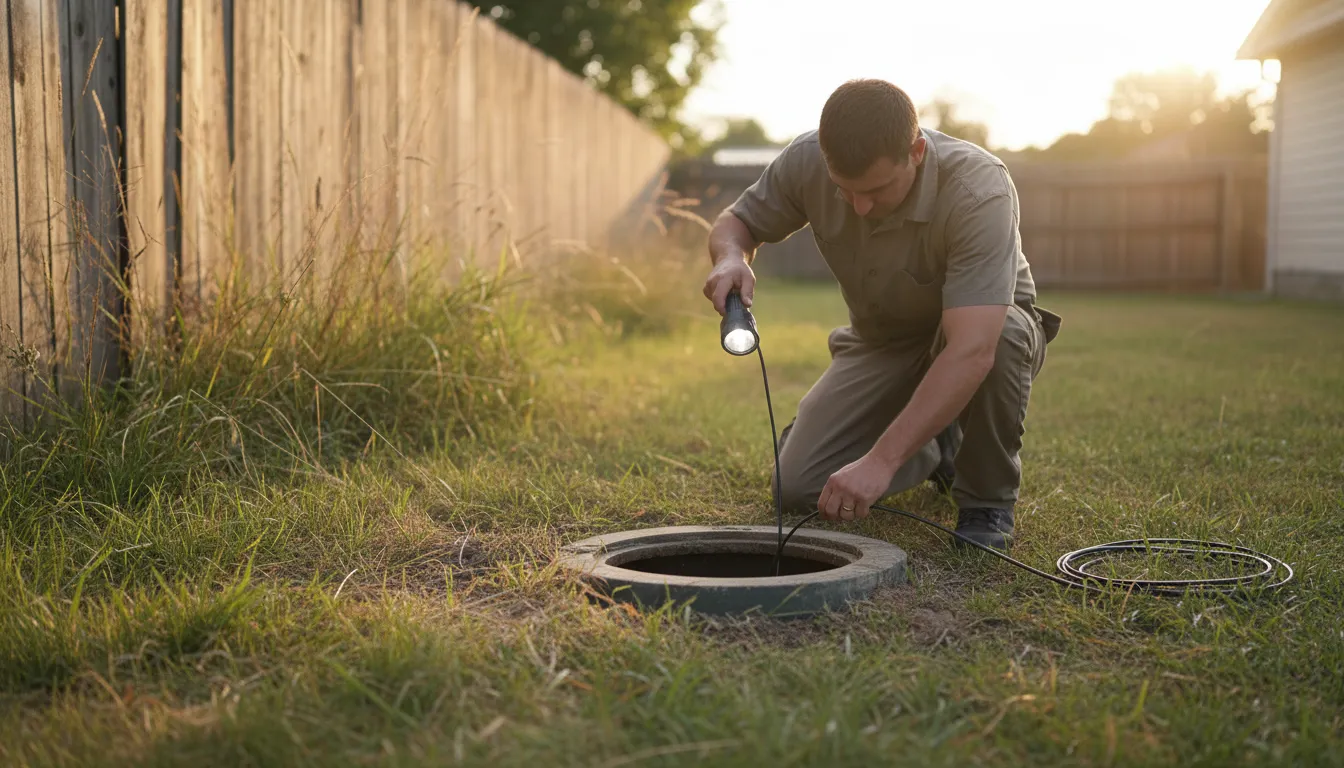
Find the Best Septic Tank Inspection Companies for Your Business
No obligation • Fast responses • Nationwide coverage

Why you can trust Septic Spot
Septic Spot is a leading United States resource for understanding and comparing septic services. Our editors review providers using consistent criteria and verify key business details. Listings and scores are independent, and companies cannot pay to influence our content.
Search providers near you
Top Septic Tank Inspection Companies in Longmont, Colorado Ranked
A septic tank inspection is a critical evaluation of your home's on-site wastewater treatment system, ensuring it is functioning safely and in compliance with local health codes. In Longmont, these assessments are not just a good idea-they are a regulatory requirement for property transfers and a cornerstone of responsible homeownership. This guide will help you understand the local rules, the inspection process, and how to connect with qualified professionals to protect your property and the environment.
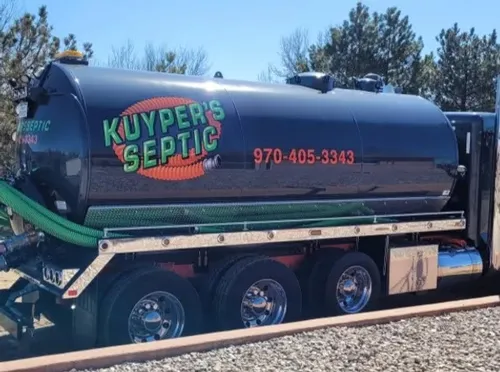
Kuyper's Septic
Fort Collins, CO
Kuyper's Septic is a family-owned business providing septic pumping and inspection services in Fort Collins, CO, and the Northern Front Range. Since 2014, they have offered thorough septic tank cleaning and system inspections, including the removal of solids and water. Their skilled team supports clients throughout the entire septic project process, emphasizing integrity and quality work.
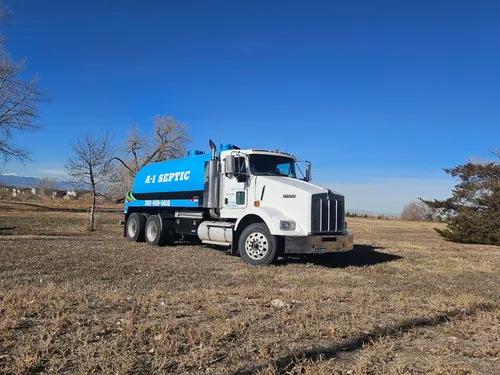
A-1 Septic Service
Denver, CO
A-1 Septic Service provides septic tank pumping and inspection services in Denver, CO. They serve both residential and commercial clients across Adams, Arapahoe, Boulder, Broomfield, and Weld counties. The company focuses on regular septic system maintenance to prevent buildup of scum and sludge, which can cause overflow or system failure if left unaddressed. This preventative approach helps protect property value and safety.
Black Diamond Pumping
14037 Co Rd 8, Fort Lupton, CO 80621
Black Diamond Pumping is a family-owned septic service company based in Fort Lupton, Colorado, serving Denver and the surrounding Northern Colorado areas including Adams, Weld, and Boulder counties. They provide a full range of septic system services such as pumping, inspections, repairs, and installations for both residential and commercial properties. With over 20 years of experience, the company is licensed and insured, equipped to handle septic tanks of all sizes, and emphasizes routine maintenance to ensure proper system function and safety.

The Drain Check | A drain, sewer, septic and portable restroom company.
163 4th Ave, Longmont, CO 80501
The Drain Check is a septic tank pumping and inspection company serving Denver, CO, and the Front Range area. They offer a range of services including septic pumping, septic inspections, sewer line camera inspections, hydro jetting, and sewer line repairs. The company uses camera technology to identify sewer line issues and can locate pipe damage to assist with efficient repairs. They recommend annual sewer line inspections and cleanings to prevent costly backups and damage caused by tree roots or other blockages.
Colorado Septic
80 Big Springs Dr #304, Nederland, CO 80466
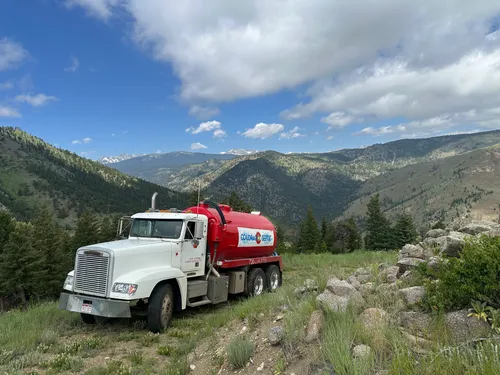
Colorado Septic is a septic tank pumping, inspection, and repair company serving Denver, CO. They provide comprehensive onsite wastewater treatment system services, including pumping, cleaning, inspecting, and repairing septic tanks and drain fields. Their capabilities include using sewer cameras to locate blockages and employing hydro-jetting and drain rooter machines to clear obstructions. Colorado Septic focuses on identifying problems early to prevent further damage and ensure timely service completion.
Understanding Local Septic System Regulations
In Longmont, septic system oversight is managed by county health departments. Depending on your exact address, your property falls under the jurisdiction of either Boulder County Public Health or the Weld County Department of Public Health and Environment. Both agencies enforce Colorado Regulation 43, the state's standard for on-site wastewater treatment systems (OWTS) 1.
The primary goal of these regulations is to protect public health and groundwater quality. A key component of compliance is obtaining a Use Permit for your system, which is often contingent upon a passing inspection report. For homeowners, the most common triggers for a mandatory septic system evaluation are:
- Property Sale: An inspection is strongly recommended and often required by lenders before closing on a home with a septic system.
- Routine Maintenance: Boulder County recommends inspections every 1 to 3 years to catch problems early.
- System Alterations: Any construction, repair, or expansion of your septic system requires a permit and subsequent inspection from the county 2.
The Septic Inspection Process: A Step-by-Step Guide
A thorough septic system assessment is more than just a quick look. Certified inspectors follow a detailed process to evaluate every component. Here's what you can expect during a professional evaluation of your wastewater system.
1. Preparation and Access
The inspection begins long before the professional arrives. Homeowners should locate and expose the septic tank lids. If your lids are buried deep, the inspector may charge extra for excavation. Many experts recommend installing septic tank risers, which bring access points to the surface, saving time and money on future inspections and pumpings.
2. Tank Interior Evaluation
This is the core of the inspection. The inspector will:
- Measure Sludge and Scum: Using specialized tools, they measure the layer of sludge at the bottom of the tank and the scum floating at the top. If these layers combined exceed one-third of the tank's liquid capacity, the system is at risk of failure and pumping is immediately required 3.
- Inspect Structural Components: The inspector checks the tank's inlet and outlet baffles (or tees) for blockages or damage. They also examine the tank walls and interior for cracks, corrosion, or signs of leakage 4 5.
- Assess the Pump (if present): For systems with a pump tank, the pump, floats, alarms, and electrical components are tested for proper operation.
3. Soil Treatment Area (Drainfield) Assessment
A failing drainfield is one of the most serious and expensive septic problems. The inspector will evaluate the leach field for signs of failure, which include:
- Soggy ground or standing water over the field area.
- Unpleasant odors or surfacing sewage effluent.
- Unusually lush and green grass over the drainfield lines 6.
4. Reporting and Compliance
After the evaluation, a certified inspector will compile a detailed report. If the system passes, this report is submitted to the relevant county health department (Boulder or Weld) to issue or renew the system's Use Permit. If issues are found, the report will outline the necessary repairs or maintenance needed to bring the system into compliance.
Find the perfect septic tank inspection companies for your needs
Get personalized recommendations and expert advice
Costs Associated with Septic Inspections and Maintenance
Understanding the potential costs helps homeowners budget for this essential service. Prices can vary based on tank size, accessibility, and the scope of the inspection.
- Standard Septic Tank Inspection: The typical range for a comprehensive inspection in the Longmont area is $150 to $350.
- Septic Tank Pumping: If pumping is required during the inspection (to check for backflow or if sludge levels are too high), this service typically costs an additional $200 to $4007. Regular pumping every 3-5 years is a standard maintenance cost 8.
- Permit and Filing Fees: The county charges a fee to process the inspection report and issue the Use Permit. This fee varies but is often around $100.
- Accessibility Improvements: If your tank lacks risers, installing them can cost $400 to $800 or more, depending on the depth, but it is a one-time investment that simplifies all future service 9.
Key Tips for a Successful Inspection
Whether you're selling your home or performing routine maintenance, these steps can ensure the process goes smoothly:
- Plan Ahead for Sales: If you're selling your home, schedule the septic evaluation during the listing phase, ideally 3-4 weeks before closing. This provides ample time to address any unexpected repair needs 10.
- Provide Clear Access: Dig up and clearly mark the tank lids and distribution box before the inspector arrives to avoid additional labor charges.
- Hire Certified Professionals: Always use an inspector and pumper who are certified and approved by Boulder County Public Health or your local jurisdiction. Their reports are required for county compliance 11.
- Review Inspection Records: Keep all inspection, pumping, and repair records. This history is valuable for maintenance and is a strong selling point for potential buyers.
Maintaining Your System Between Inspections
Regular inspections are vital, but day-to-day care extends the life of your septic system. Follow these guidelines to prevent premature failure:
- Conserve Water: Fix leaks and spread out laundry loads to avoid overwhelming the drainfield.
- Mind What You Flush: Only human waste and toilet paper should go down the drain. Avoid chemicals, grease, diapers, wipes (even "flushable" ones), and coffee grounds.
- Protect the Drainfield: Never park vehicles or build structures over the soil treatment area. Keep roof drains, sump pumps, and other surface water away from this zone.
By understanding the importance of septic system evaluations, the local regulations, and the inspection process, Longmont homeowners can take proactive steps to ensure their systems function properly for years to come, safeguarding their property investment and community health.
Frequently asked questions
Sources
Footnotes
-
Clean water: On-site wastewater treatment systems - https://cdphe.colorado.gov/OWTS ↩
-
CHAPTER 14.08. - SEWERS | Code of Ordinances | Longmont, CO - https://library.municode.com/co/longmont/codes/code_of_ordinances/253521?nodeId=PTIICOOR_TIT14PUSE_CH14.08SE_IIDE ↩
-
On-site Wastewater Treatment System Regulations - https://nchd.org/wp-content/uploads/2024/08/Onsite-wastewater-treatment-system-regulations.pdf ↩
-
How to Get Septic to Pass Inspection - https://www.guardianangelinspections.com/how-to-get-septic-to-pass-inspection ↩
-
Buying Acreage in Black Forest: Wells, Septic, Zoning - https://johnsonteamworks.com/blog/buying-acreage-in-black-forest-wells-septic-zoning ↩
-
Septic Inspection Process: What Homeowners Should Know | LunsPro - https://www.lunspro.com/vlog/the-septic-system-inspection-process-what-homeowners-should-know ↩
-
Septic Tanks Requirements for Property Sales - https://www.coinspection.com/colorado-inspection-services/maintenance-resources/septic-systems/septic-tanks-requirements-for-property-sales/ ↩
-
SepticSmart: Maintenance - Boulder County - https://bouldercounty.gov/environment/water/septicsmart/maintenance/ ↩
-
Colorado Septic License & Certification | 2024 Contractor Guide - https://www.servicetitan.com/licensing/septic/colorado ↩
-
Do's & Don'ts 5-2-07.indd - https://assets.bouldercounty.gov/wp-content/uploads/2019/04/dos-and-donts-of-septic-maintenance.pdf ↩
-
Use Permits & Inspections - https://www.cosepticmr.com/post/use-permits-inspections ↩