Find the Best Septic Tank Inspection Companies for Your Business
No obligation • Fast responses • Nationwide coverage

Why you can trust Septic Spot
Septic Spot is a leading United States resource for understanding and comparing septic services. Our editors review providers using consistent criteria and verify key business details. Listings and scores are independent, and companies cannot pay to influence our content.
Search providers near you
Top Septic Tank Inspection Companies in Atlanta, Georgia Ranked
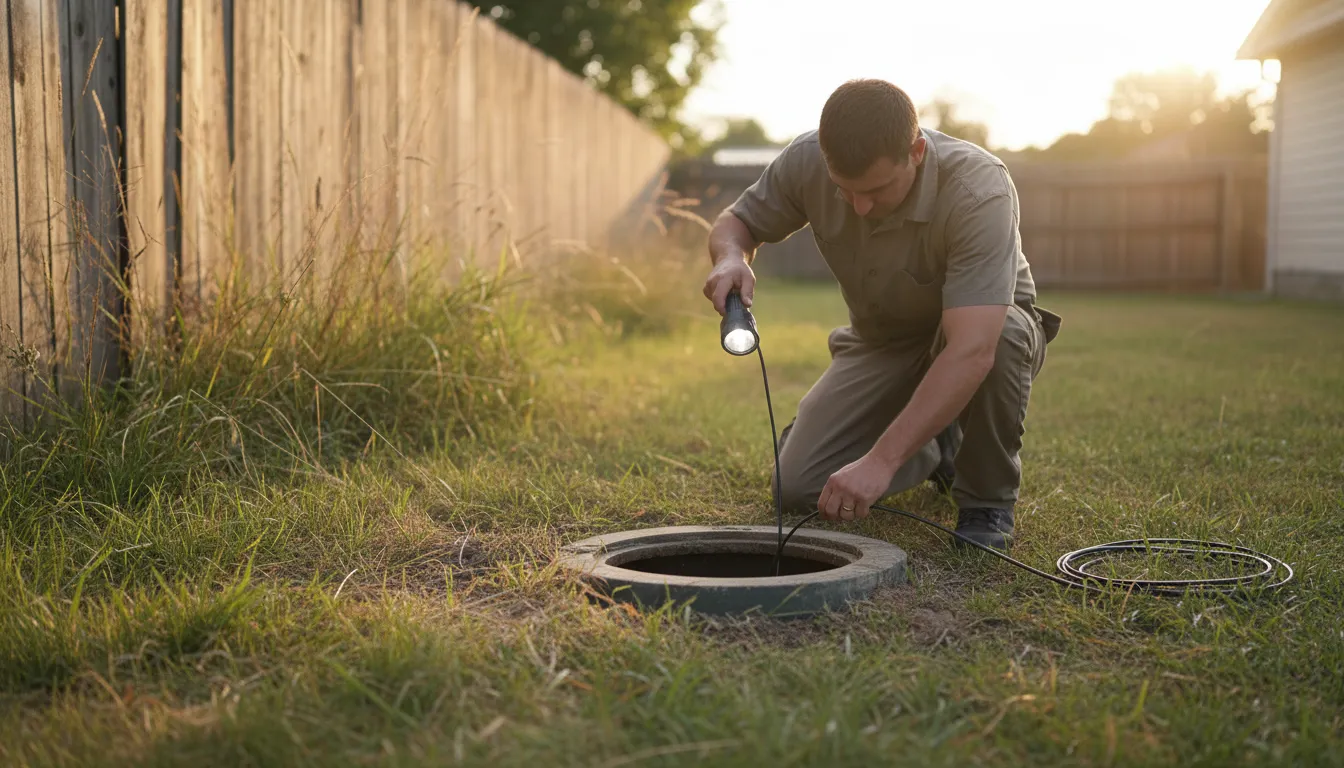
A septic tank inspection is a professional assessment of your on-site wastewater system's health and functionality. In Atlanta, where many homes rely on septic systems, these evaluations are critical for protecting your property value, ensuring public health, and preventing costly environmental contamination. This guide explains what a septic system inspection entails, why it's necessary, and how you can find qualified local professionals to perform this essential service.
Right Price Plumbing and Septic
Atlanta, GA
Right Price Plumbing and Septic is a local, family-owned company serving Atlanta, GA, and surrounding counties. They provide a range of residential and commercial plumbing and septic services, including septic tank pumping, inspection, repair, and installation. The company also offers drain inspection, emergency plumbing, and water heater repair. They are known for their comprehensive service options and have experience handling various plumbing and septic system needs. Right Price Plumbing and Septic serves multiple counties in Georgia and offers financing options to customers.
Septic On Call
2180 Satellite Blvd NW #400, Duluth, GA 30097
Septic On Call is a septic tank service provider based in Atlanta, GA. The company offers a range of services including septic tank pumping, inspections, repairs, and installation of septic tanks and drainfields. They provide thorough cleaning and maintenance to help prevent costly repairs and ensure proper system function. Septic On Call also specializes in diagnosing and repairing septic system issues, from minor leaks to major damage. The company offers 24/7 emergency services for septic tank problems and backups, responding quickly to urgent repair needs.
Smart Septic Pros
210 Holt Ct, Acworth, GA 30101
Smart Septic Pros is a septic tank pumping, inspection, and repair company based in South Fulton, GA. They provide thorough septic system maintenance aimed at reducing odors and sludge build-up to support healthier effluent discharge. With over a decade of experience and more than 1,000 tanks serviced, they handle everything from routine inspections to resolving solid blockages to maintain proper septic function. Their services focus on ensuring safety, compliance, and reliable waste management for homes in the area.
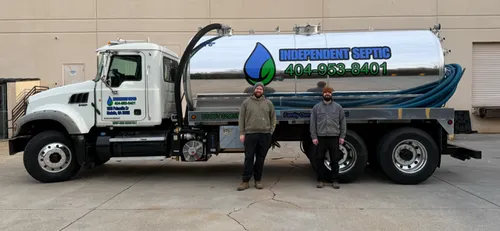
Independent Septic and Sewer LLC
Atlanta, GA
Independent Septic and Sewer LLC is a family-owned business serving Atlanta, GA, and surrounding counties. They provide septic tank pumping, cleaning, inspection, repair, and installation services for residential and commercial properties. With over 20 years of experience, the company offers expertise in diagnosing and repairing septic system issues, including drain field repairs and sewer line maintenance. They also provide a 10-year warranty on repairs and handle all necessary permits and building code requirements. Their services include thorough septic tank pumping that removes both liquids and solids, as well as hydro jetting and camera inspections when needed.
Easy Clean Septic
6520 Roswell Rd, Atlanta, GA 30328
Easy Clean Septic is a septic tank service provider based in Atlanta, GA. They offer septic tank pumping, inspection, installation, and repair services to maintain effective septic systems. The company uses modern tools and technology to address a range of septic issues, from minor repairs to full system replacements. Established in 2018 by a team with over 15 years of experience in the plumbing and septic industry, Easy Clean Septic emphasizes integrity and thorough workmanship. Their services include detailed inspections to detect potential problems early and comprehensive repairs to restore system function.
Why Septic Inspections Are Crucial in Atlanta
Septic systems are a common method of wastewater treatment for homes not connected to municipal sewer lines in the Atlanta metro area and surrounding counties. Unlike a public sewer, a septic system is a private responsibility. A failing system can lead to raw sewage backing up into your home, contaminating groundwater, or creating unhealthy conditions in your yard. Regular septic tank evaluations are the best way to catch problems early, before they escalate into emergencies requiring a full system replacement, which can cost tens of thousands of dollars.
Georgia state law, specifically the Department of Public Health Rules Chapter 511-3-1, governs the installation, repair, and maintenance of on-site sewage management systems. These regulations set the standards that licensed inspectors follow, ensuring systems are designed to protect both your family and the local environment, including watersheds that feed into the Chattahoochee River.
Understanding Georgia and Atlanta-Area Regulations
Any work on a septic system in Georgia, including inspections tied to repairs or new installations, falls under strict state guidelines. Knowing these rules helps you understand what an inspector is looking for and why certain procedures are mandatory.
- Permits are Required: A permit from the county health department (e.g., Fulton, DeKalb, Cobb, Gwinnett) is required for any new installation, repair, or replacement of a septic system1.
- Mandatory Construction Inspection: Before a new or repaired septic tank is backfilled (covered with dirt), a county environmental health specialist must inspect it to ensure it meets all code requirements2.
- System Setbacks: Tanks and drain fields must be placed a minimum distance from property features. For example, tanks must be at least 50 feet from a water well and 25 feet from streams or ponds3 4.
- Licensed Professionals: Septic inspections for real estate transactions or major repairs should be conducted by a professional licensed by the state to perform such evaluations, ensuring they understand the local soil conditions and regulatory landscape.
What Does a Professional Septic Inspection Involve?
A comprehensive septic system check is a multi-step process that goes beyond just looking at the tank. Here's what you can expect a qualified inspector to do 5 6:
- Locate and Uncover the System: The inspector will locate the septic tank and drain field, often using probe rods or diagrams. They will then dig to expose and open the inspection risers or tank lids.
- Tank Integrity Check: The tank is inspected visually for cracks, leaks, and overall structural soundness. The inspector checks that the tank is watertight.
- Component Examination: The inlet and outlet baffles or tees are checked. These components are crucial for preventing solids from flowing into the drain field; if they are broken or deteriorated, they must be replaced.
- Liquid Level Assessment: The inspector verifies the liquid level inside the tank. An abnormally high level can indicate a blockage or failure in the drain field.
- Sludge and Scum Measurement: Using a specialized tool often called a "sludge judge," the inspector measures the depth of the sludge layer (at the bottom) and the scum layer (at the top). If the combined total exceeds one-third of the tank's liquid depth, pumping is immediately required to maintain proper function7 8.
- Drain Field Evaluation: The inspector surveys the drain field area for signs of failure, such as surfacing sewage, overly soggy soil, or foul odors. Lush, green grass over the drain field during dry weather can be a telltale sign of effluent surfacing.
Find the perfect septic tank inspection companies for your needs
Get personalized recommendations and expert advice
When Should You Schedule a Septic Inspection?
Proactive maintenance is key. Don't wait for a disaster. Schedule a septic system assessment in these situations:
- Routine Maintenance: The Georgia Department of Public Health and most septic professionals recommend having your system inspected every 1 to 2 years, and pumped typically every 3 to 5 years, depending on usage 9.
- Real Estate Transactions: This is one of the most common reasons for an inspection. Whether you are buying or selling a home with a septic system, a detailed inspection is highly recommended and often required by lenders or cautious buyers.
- Warning Signs of Trouble: If you notice slow drains, gurgling pipes, foul odors inside or outside your home, or sewage backing up into drains, schedule an inspection immediately10.
- Before Major Home Improvements: If you plan to add a bathroom, increase your home's occupancy, or install a water-intensive appliance like a hot tub, have your system evaluated to ensure it can handle the increased load.
What Do Septic Inspections Cost in Atlanta?
The cost of a septic system evaluation in Atlanta varies based on the type of inspection, the tank's accessibility, and the company you hire.
- Standard Routine Inspection: A basic inspection typically ranges from $100 to $300 11.
- Inspection Combined with Pumping: Many homeowners opt to pump the tank during the inspection if needed. This bundled service usually costs between $300 and $600+12.
- Real Estate Transfer Inspection: This is a more thorough evaluation often required for home sales. It includes a detailed report on the system's condition and compliance and can range from $400 to $900+13 14.
Costs can be higher if the tank lids are deeply buried and require significant digging to access. Always ask for a detailed quote that outlines what services are included.
Maintaining Your System Between Inspections
A professional inspection is essential, but homeowners can take steps to prolong their system's life15:
- Conserve Water: Fix leaky faucets and toilets, and spread out laundry loads to avoid overwhelming the system.
- Mind What You Flush: Only human waste and toilet paper should go down the drain. Avoid flushing wipes (even "flushable" ones), feminine hygiene products, cooking grease, and chemicals.
- Protect the Drain Field: Never park vehicles or build structures over the drain field. Keep rainwater drainage systems like roof gutters directed away from the area.
Frequently asked questions
Sources
Footnotes
-
Georgia Septic Tank Requirements | On-Site Sewage ... - https://www.ntotank.com/blog/georgia-septic-tank-requirements ↩
-
GA R&R - GAC - Subject 511-3-1 ON-SITE SEWAGE MANAGEMENT SYSTEMS - https://rules.sos.ga.gov/gac/511-3-1 ↩
-
Residential-Study-Guide.pdf - GNR Health - https://gnrhealth.com/wp-content/uploads/2012/01/Residential-Study-Guide.pdf ↩
-
Ga. Comp. R. & Regs. R. 511-3-1-.05 - Septic Tanks - https://www.law.cornell.edu/regulations/georgia/Ga-Comp-R-Regs-R-511-3-1-.05 ↩
-
What to Expect from a Septic Inspection - https://www.wrenvironmental.com/blog/2023/may/what-to-expect-from-a-septic-inspection/ ↩
-
Septic System Inspection Atlanta GA: What to Look for - https://atlantaseptictankpros.com/septic-system-inspection-atlanta-ga/ ↩
-
Complete Guide to Septic Inspection in Georgia - https://dandhsepticservices.com/septic-inspection-in-georgia/ ↩
-
Septic Inspection Process: What Homeowners Should Know | LunsPro - https://www.lunspro.com/vlog/the-septic-system-inspection-process-what-homeowners-should-know ↩
-
Sewage/Septic Systems - Northeast Health District - https://northeasthealthdistrict.org/services/environmental-health/sewage-septic-systems/ ↩
-
Georgia Septic System Guide: Regulations & Maintenance Tips - https://smartsepticpros.com/blog/georgia-septic-system-regulations/ ↩
-
Septic Tank Inspection: A Guide - https://www.petesoutflow.com/septic-tank-inspection-a-guidee01bcb81 ↩
-
Atlanta Septic Tank Inspection | The Original Plumber & Septic | (855) 761-3823 - https://theoriginalplumber.com/septic-tank-service/tank-inspections/ ↩
-
Who Pays For Septic Inspection When Selling a House? - https://ibuyer.com/blog/who-pays-for-septic-inspection-when-selling-a-house/ ↩
-
Septic System Inspections: A Step-by-Step How-To Guide - https://westcoastsanitationinc.com/septic-inspection-service/ ↩
-
DIY Septic Maintenance Tips for Georgia Homeowners - https://smartsepticpros.com/blog/diy-septic-system-maintenance-georgia/ ↩