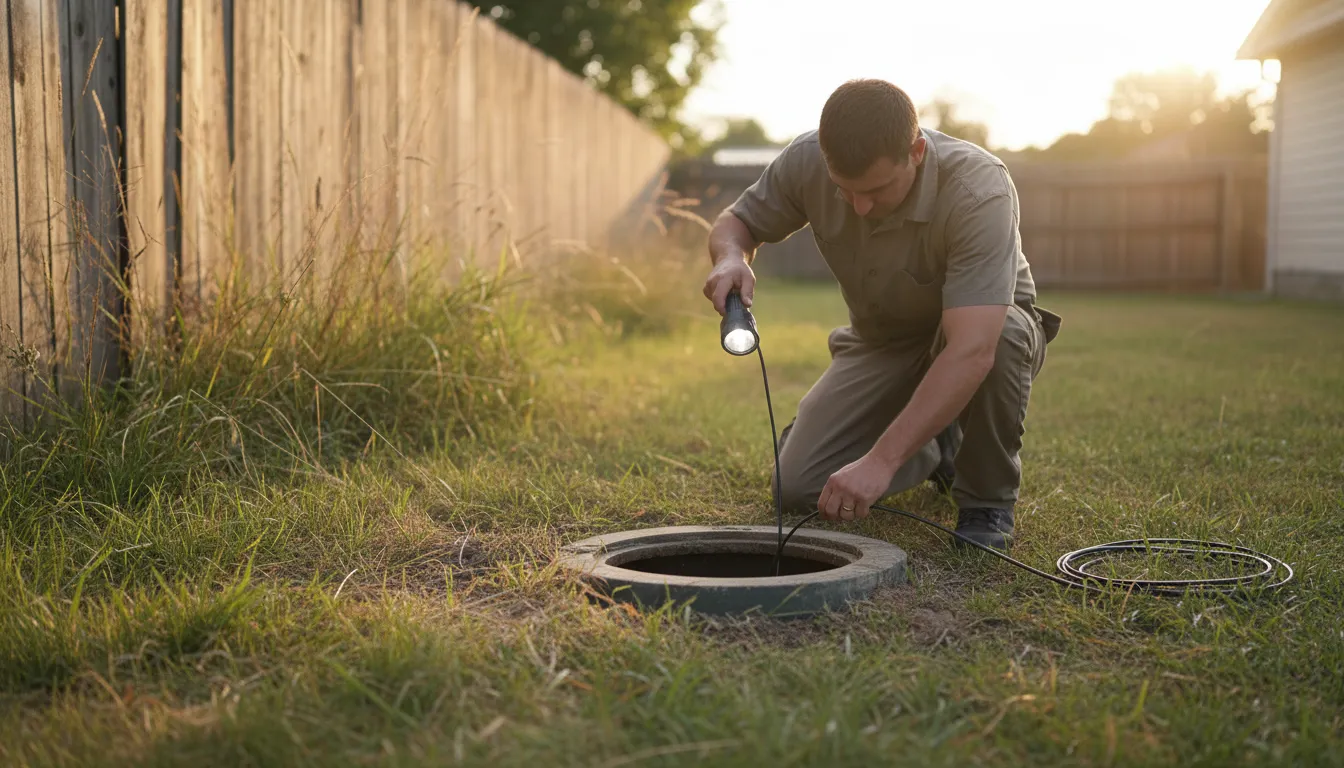
Find the Best Septic Tank Inspection Companies for Your Business
No obligation • Fast responses • Nationwide coverage

Why you can trust Septic Spot
Septic Spot is a leading United States resource for understanding and comparing septic services. Our editors review providers using consistent criteria and verify key business details. Listings and scores are independent, and companies cannot pay to influence our content.
Search providers near you
Top Septic Tank Inspection Companies in Sandy Springs, Georgia Ranked
A professional septic tank inspection is a critical evaluation of your on-site sewage management system's health and functionality. In Sandy Springs, these assessments are not just a good idea-they are often a regulatory requirement for property sales, renovations, or expansions. Understanding the condition of your tank, baffles, and drain field is essential for preventing environmental contamination, costly repairs, and system failure. This guide helps you understand the local process, regulations, and what to look for when evaluating local service providers for your system check.
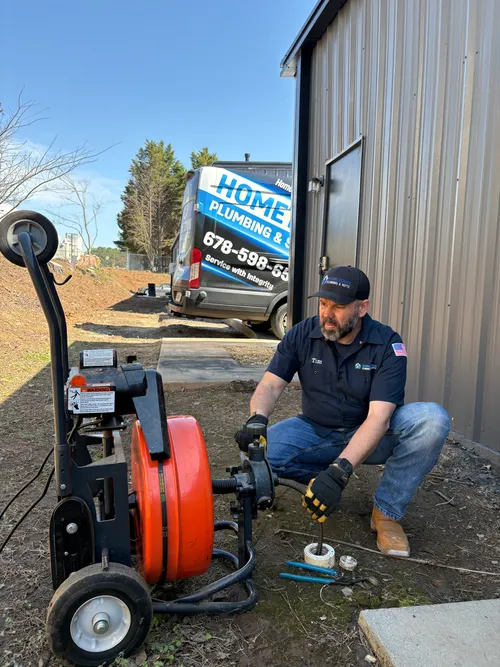
Hometown Plumbing and Septic
3375 Hutchinson Rd, Cumming, GA 30040
Hometown Plumbing and Septic provides professional septic services in South Fulton, GA, and the surrounding Metro Atlanta and North Georgia areas. They specialize in septic tank pumping, inspections, repairs, and complete system replacements for both residential and commercial properties. Their services also include drain field repair and lift station maintenance. With decades of experience and advanced equipment, they handle complex septic system issues with precision. They serve multiple counties including Barrow, Cherokee, Cobb, and others, offering preventative maintenance to help avoid emergency repairs.
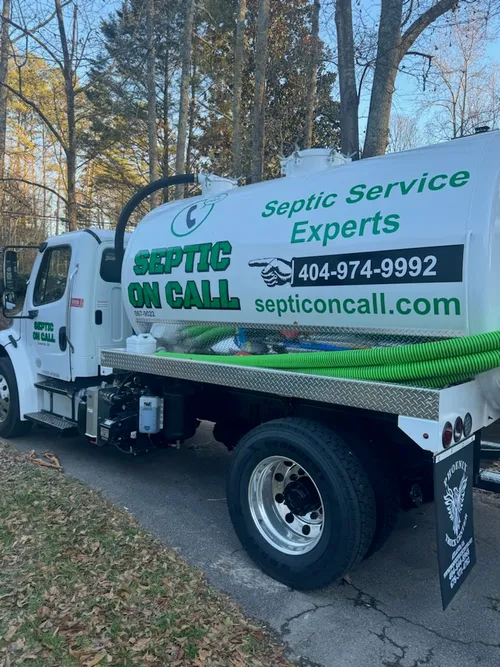
Septic On Call
2180 Satellite Blvd NW #400, Duluth, GA 30097
Septic On Call is a septic tank service provider based in Atlanta, GA. The company offers a range of services including septic tank pumping, inspections, repairs, and installation of septic tanks and drainfields. They provide thorough cleaning and maintenance to help prevent costly repairs and ensure proper system function. Septic On Call also specializes in diagnosing and repairing septic system issues, from minor leaks to major damage. The company offers 24/7 emergency services for septic tank problems and backups, responding quickly to urgent repair needs.
Smart Septic Pros
210 Holt Ct, Acworth, GA 30101
Smart Septic Pros is a septic tank pumping, inspection, and repair company based in South Fulton, GA. They provide thorough septic system maintenance aimed at reducing odors and sludge build-up to support healthier effluent discharge. With over a decade of experience and more than 1,000 tanks serviced, they handle everything from routine inspections to resolving solid blockages to maintain proper septic function. Their services focus on ensuring safety, compliance, and reliable waste management for homes in the area.
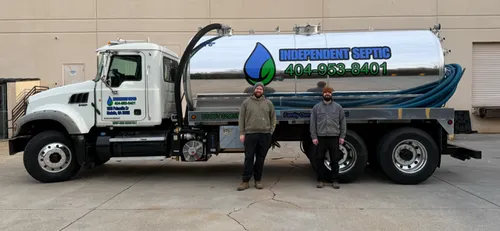
Independent Septic and Sewer LLC
Atlanta, GA
Independent Septic and Sewer LLC is a family-owned business serving Atlanta, GA, and surrounding counties. They provide septic tank pumping, cleaning, inspection, repair, and installation services for residential and commercial properties. With over 20 years of experience, the company offers expertise in diagnosing and repairing septic system issues, including drain field repairs and sewer line maintenance. They also provide a 10-year warranty on repairs and handle all necessary permits and building code requirements. Their services include thorough septic tank pumping that removes both liquids and solids, as well as hydro jetting and camera inspections when needed.
Easy Clean Septic
6520 Roswell Rd, Atlanta, GA 30328
Easy Clean Septic is a septic tank service provider based in Atlanta, GA. They offer septic tank pumping, inspection, installation, and repair services to maintain effective septic systems. The company uses modern tools and technology to address a range of septic issues, from minor repairs to full system replacements. Established in 2018 by a team with over 15 years of experience in the plumbing and septic industry, Easy Clean Septic emphasizes integrity and thorough workmanship. Their services include detailed inspections to detect potential problems early and comprehensive repairs to restore system function.
Why Septic System Inspections Are Mandatory in Sandy Springs
Septic systems in Sandy Springs are governed by state regulations from the Georgia Department of Public Health (specifically Chapter 511-3-1) and are managed locally by the Fulton County/District 3 Environmental Health office, which is part of the Northeast Health District 1. These rules make certain inspections mandatory. You are required to have a system evaluation for new permits, any proposed repairs, additions to existing structures, or most commonly, during the sale of a property. The City of Sandy Springs itself recommends regular septic tank check-ups every three years as part of responsible maintenance 2. This proactive schedule helps identify minor issues before they become major, environmentally hazardous problems.
The Professional Inspection Process: A Step-by-Step Look
A thorough septic system evaluation by a licensed contractor is a detailed process that goes far beyond just looking at a tank. It is designed to assess every critical component of your on-site wastewater treatment system 3.
- Locate and Uncover: The inspector must first identify and access the septic tank and drain field. This often involves probing the yard and then digging to uncover the tank's access lids, which may be buried under several inches of soil.
- Structural Inspection: The tank itself is examined for cracks, leaks, and corrosion in the concrete, fiberglass, or plastic walls and covers. Any compromise in integrity can allow groundwater in or sewage out.
- Baffle Inspection: The inlet and outlet baffles inside the tank are checked to ensure they are secure and undamaged. These components are vital for preventing solids from flowing out into the drain field, which is a leading cause of system failure.
- Sludge and Scum Measurement: Using a specialized tool called a "sludge judge," the inspector measures the levels of accumulated sludge (solid waste) and scum (floating fats/oils) at the bottom and top of the tank. According to Georgia guidelines, if the sludge fills more than one-third of the tank's volume, pumping is required 4.
- Drain Field Assessment: The inspector examines the drain field (or leach field) area for signs of failure, such as pooling water, foul odors, or sewage effluent surfacing. A healthy, percolating drain field is essential for the final treatment and dispersal of wastewater.
- Filter Check: If the system is equipped with an effluent filter (installed at the tank outlet), it will be removed, cleaned of debris, and inspected to ensure it is not obstructing proper flow 5.
Understanding Costs for Septic Evaluations and Related Services
The price of a septic system inspection in Sandy Springs can vary based on the scope of work, tank size, and system complexity. It's important to clarify what is included in a quoted price.
- Inspection-Only Service: A standard professional inspection, which includes the comprehensive steps listed above and a compliance report, typically ranges from $400 to $600 in the local area 6.
- Pumping and Cleaning: If the inspection reveals that pumping is needed, this is a separate service. Pumping costs generally range from $250 to over $600, depending heavily on the tank's size (e.g., 1,000-gallon vs. 1,500-gallon) and the amount of sludge present 7 8 9.
- Additional Fees: Be aware of potential extra charges. If your tank lids are buried deep or the exact location of the system components is unknown, the provider may add a "locating" fee. Always ask for a detailed breakdown of costs before work begins 10.
Find the perfect septic tank inspection companies for your needs
Get personalized recommendations and expert advice
Georgia and Fulton County Regulations You Need to Know
Compliance with local and state codes is non-negotiable. The Georgia Department of Public Health regulations mandate that inspections be performed by a licensed contractor. For Sandy Springs residents, the local permitting and enforcement authority is the Northeast Health District (Fulton County - District 3 Environmental Health) 11. A permit from this office is required for any system repair, modification, or installation. When you sell your home, a passing inspection report and often a county-issued "Letter of Compliance" are required to close the transaction. Failure to maintain a system can result in contamination of groundwater, which is a serious public health concern and can lead to significant fines and mandated repairs.
Choosing a Qualified Septic Inspection Provider
Given the technical and regulatory nature of the work, selecting the right professional is crucial. You should always verify that the company or individual is authorized to perform septic system inspections in Georgia. Look for providers with specific experience in Sandy Springs and Fulton County, as they will be most familiar with local soil conditions, common system types, and the specific paperwork required by the Northeast Health District 12 13. Don't hesitate to ask for proof of licensing and references. A reputable inspector will be able to clearly explain their process, provide a detailed written report with photographs, and outline any necessary next steps, whether it's routine pumping or identifying repair needs.
The Consequences of Neglecting Your Septic System
Skipping regular septic tank check-ups is a risky gamble. A failing system can lead to raw sewage backing up into your home's drains, which is an expensive and unhealthy disaster. Externally, a saturated drain field can cause sewage to bubble up in your yard, creating foul odors and posing a direct health risk to pets, children, and the environment. Furthermore, non-compliance with the mandated three-year inspection recommendation or required point-of-sale evaluations can halt property transactions and lead to legal liabilities. Regular inspections are a minor investment compared to the cost of a full drain field replacement, which can run into the tens of thousands of dollars.
Maintenance Tips Between Professional Inspections
While professional evaluations are essential, homeowners can take steps to prolong their system's life. Be mindful of what goes down your drains. Avoid flushing anything other than human waste and toilet paper. Never pour cooking grease, chemicals, or medications down the drain, as they can kill the beneficial bacteria in your tank and contaminate groundwater. Conserve water to avoid hydraulically overloading the system-spread out laundry loads and fix leaky faucets promptly. Know where your tank and drain field are located and avoid parking vehicles or building structures over them. Keeping a record of all inspections, pumpings, and repairs is also highly recommended for your own reference and for future real estate transactions.
Frequently asked questions
Sources
Footnotes
-
Georgia Septic Tank Requirements | On-Site Sewage Management ... - https://www.ntotank.com/blog/georgia-septic-tank-requirements ↩
-
Residential-Study-Guide.pdf - GNR Health - https://gnrhealth.com/wp-content/uploads/2012/01/Residential-Study-Guide.pdf ↩
-
What to Expect from a Septic Inspection - Wind River Environmental - https://www.wrenvironmental.com/blog/2023/may/what-to-expect-from-a-septic-inspection/ ↩
-
Georgia Septic System Guide: Regulations & Maintenance Tips - https://smartsepticpros.com/blog/georgia-septic-system-regulations/ ↩
-
SEPTIC SYSTEM INSPECTION and COMPLIANCE STATEMENT - https://berkeleylake.com/Assets/Files/Docs/Administration/Forms%20and%20Checklists/Septic%20Permit/Septic%20Tank%20Inspection%20Form.pdf ↩
-
Septic System Inspections in Acworth, GA - CityWIDE Plumbing - https://www.citywideplumbing.com/septic-inspections/ ↩
-
Complete Guide to Septic Inspection in Georgia - https://dandhsepticservices.com/septic-inspection-in-georgia/ ↩
-
How Much Does a Septic Inspection Cost? [2026 Data] | Angi - https://www.angi.com/articles/septic-inspection-cost.htm ↩
-
Septic System Inspection Sandy Springs GA: What to Look for - https://atlantaseptictankpros.com/septic-system-inspection-sandy-springs-ga/ ↩
-
Point of Sale Septic Inspections: What to Expect - https://westcoastsanitationinc.com/point-of-sale-septic-inspections-what-to-expect/ ↩
-
Sewage/Septic Systems - Northeast Health District - https://northeasthealthdistrict.org/services/environmental-health/sewage-septic-systems/ ↩
-
Septic Tank and Sanitary Sewer - City of Sandy Springs - https://www.sandyspringsga.gov/septic-tank-and-sanitary-sewer/ ↩
-
GA R&R - GAC - Subject 511-3-1 ON-SITE SEWAGE MANAGEMENT SYSTEMS - https://rules.sos.ga.gov/gac/511-3-1 ↩