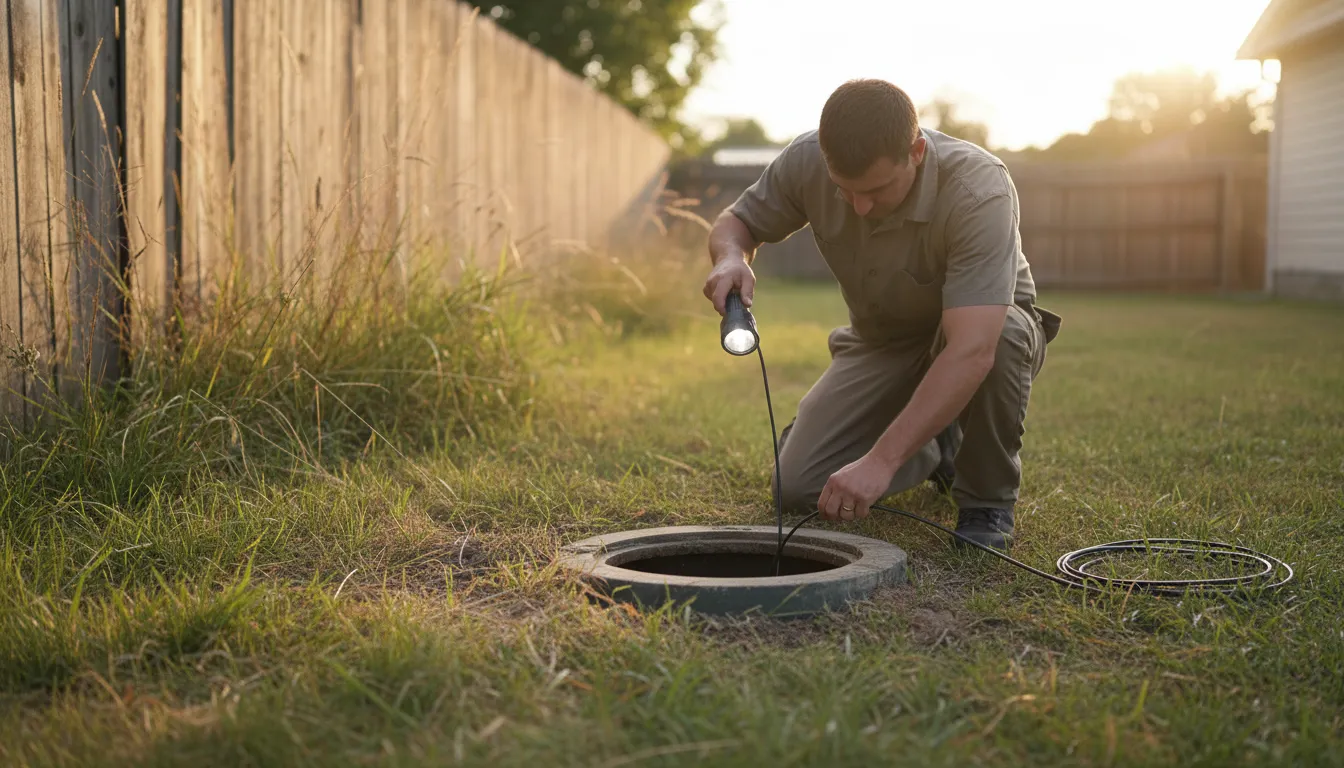
Find the Best Septic Tank Inspection Companies for Your Business
No obligation • Fast responses • Nationwide coverage

Why you can trust Septic Spot
Septic Spot is a leading United States resource for understanding and comparing septic services. Our editors review providers using consistent criteria and verify key business details. Listings and scores are independent, and companies cannot pay to influence our content.
Search providers near you
Top Septic Tank Inspection Companies in South Fulton, Georgia Ranked
A septic tank inspection is a professional assessment of your on-site wastewater system's condition and functionality. This evaluation is crucial for protecting your property investment, ensuring public health, and complying with local regulations in South Fulton. Whether you're buying a home, maintaining your system, or planning repairs, a thorough septic system evaluation helps identify issues before they become costly failures. This guide will help you understand the process, local requirements, and how to find qualified professionals for your septic inspection needs.
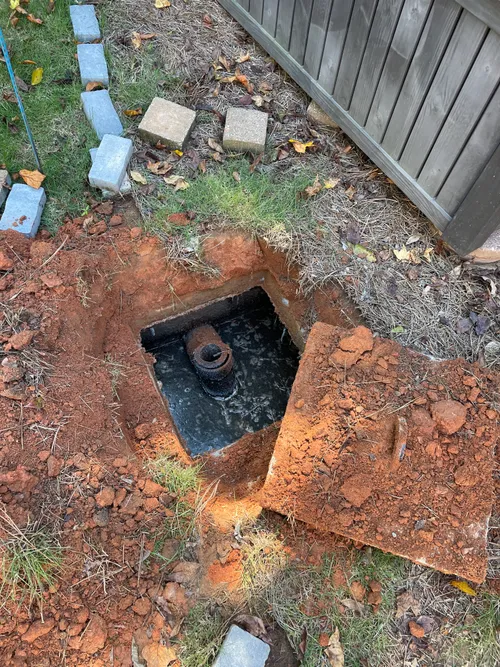
S&S Septic Services
5708 Toombs St, Lula, GA 30554
S&S Septic Services is a septic pumping, repair, and installation company serving South Fulton, GA, as well as northeast Georgia and Upstate South Carolina. They provide comprehensive septic solutions for residential, commercial, and government clients, including septic tank pumping, system repairs, new installations, and drain field cleaning through high-pressure jetting. The company also offers certified inspections, tank locating, and riser installations to support long-term maintenance. With over 20 years of experience, S&S Septic Services operates 24/7 to address emergency needs promptly.
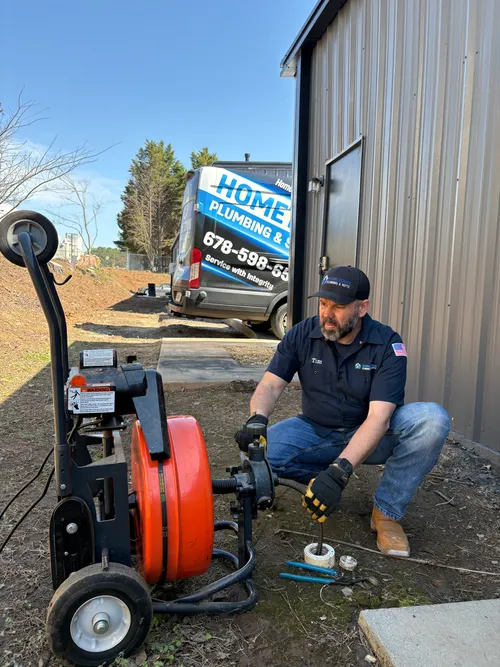
Hometown Plumbing and Septic
3375 Hutchinson Rd, Cumming, GA 30040
Hometown Plumbing and Septic provides professional septic services in South Fulton, GA, and the surrounding Metro Atlanta and North Georgia areas. They specialize in septic tank pumping, inspections, repairs, and complete system replacements for both residential and commercial properties. Their services also include drain field repair and lift station maintenance. With decades of experience and advanced equipment, they handle complex septic system issues with precision. They serve multiple counties including Barrow, Cherokee, Cobb, and others, offering preventative maintenance to help avoid emergency repairs.
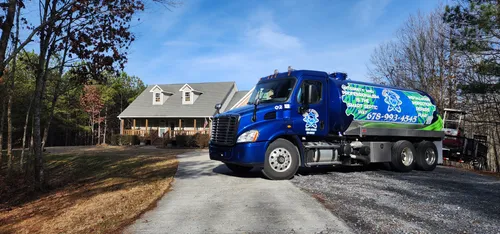
Smart Septic Pros
210 Holt Ct, Acworth, GA 30101
Smart Septic Pros is a septic tank pumping, inspection, and repair company based in South Fulton, GA. They provide thorough septic system maintenance aimed at reducing odors and sludge build-up to support healthier effluent discharge. With over a decade of experience and more than 1,000 tanks serviced, they handle everything from routine inspections to resolving solid blockages to maintain proper septic function. Their services focus on ensuring safety, compliance, and reliable waste management for homes in the area.
Independent Septic and Sewer LLC
Atlanta, GA
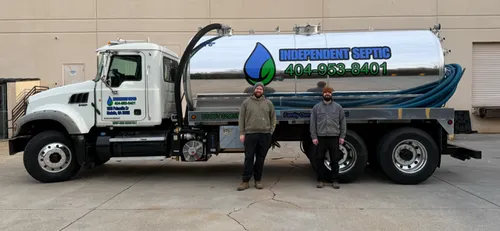
Independent Septic and Sewer LLC is a family-owned business serving Atlanta, GA, and surrounding counties. They provide septic tank pumping, cleaning, inspection, repair, and installation services for residential and commercial properties. With over 20 years of experience, the company offers expertise in diagnosing and repairing septic system issues, including drain field repairs and sewer line maintenance. They also provide a 10-year warranty on repairs and handle all necessary permits and building code requirements. Their services include thorough septic tank pumping that removes both liquids and solids, as well as hydro jetting and camera inspections when needed.
Easy Clean Septic
6520 Roswell Rd, Atlanta, GA 30328
Easy Clean Septic is a septic tank service provider based in Atlanta, GA. They offer septic tank pumping, inspection, installation, and repair services to maintain effective septic systems. The company uses modern tools and technology to address a range of septic issues, from minor repairs to full system replacements. Established in 2018 by a team with over 15 years of experience in the plumbing and septic industry, Easy Clean Septic emphasizes integrity and thorough workmanship. Their services include detailed inspections to detect potential problems early and comprehensive repairs to restore system function.
Understanding Septic System Inspections in Fulton County
In South Fulton, septic systems are a common method of wastewater treatment for properties not connected to municipal sewer lines. The Fulton County Board of Health Environmental Health Services (EHS) is the primary authority overseeing these systems. A professional septic inspection goes beyond a simple look; it's a detailed process designed to evaluate every critical component, from the tank itself to the drain field. Regular assessments, recommended every 1-3 years, are key to a long-lasting system.
Local regulations are specific. For instance, Georgia state law, as enforced locally, requires that tanks installed after February 20, 2000, must have two compartments and an effluent filter on the outlet. Any repair, replacement, or addition to an existing system also requires a permit from the health department. Understanding these rules is the first step in ensuring your system evaluation is complete and compliant.
What Does a Comprehensive Septic Inspection Involve?
A standard septic system inspection, as outlined by industry professionals and state guidelines, is a multi-step process 1 2. It's not just about the tank; it's about the entire onsite sewage disposal system. Here's what you can expect a qualified inspector to do:
- Locating and Opening the System: The inspector will first locate the tank and distribution box, then safely excavate and open the access covers.
- Checking Liquid Levels: The liquid level inside the tank is checked relative to the outlet pipe. A level higher than the outlet can indicate a blockage or drain field failure.
- Measuring Sludge and Scum: Using specialized tools, the inspector measures the thickness of the sludge layer at the bottom and the scum layer at the top. These measurements determine if the tank needs to be pumped. Excessive buildup is a common cause of system failure.
- Inspecting Tank Structure and Components: The tank's interior and exterior are checked for cracks, leaks, and structural integrity. The baffles (or tees) and the effluent filter (if present) are inspected for damage or blockages, as these are critical for preventing solids from entering the drain field 3.
- Evaluating the Drain Field: The inspector will examine the soil absorption field for signs of failure. This includes looking for soggy ground, standing wastewater, or unusually lush vegetation, which can all indicate that the field is saturated and not properly absorbing effluent 4 5.
- Assessing Mechanical Components: If your system includes a pump, lift station, or alarm, these will be tested for proper operation.
- Providing a Detailed Report: A thorough inspector will provide a written report detailing the condition of each component, any issues found, and recommended actions, such as pumping or repairs 6.
Find the perfect septic tank inspection companies for your needs
Get personalized recommendations and expert advice
Local Regulations and Permit Requirements
Navigating local codes is a vital part of septic system ownership in South Fulton. The Fulton County Board of Health mandates inspections for specific situations 7. You will likely need an official system evaluation for:
- Property Transfer: When buying or selling a home with a septic system.
- Building Permits: For new construction or major additions that increase wastewater flow.
- System Repair or Replacement: A permit is required for any significant repair, and an inspection is part of the permitting process 8.
- System Complaints: If a neighbor or county official files a complaint about your system.
For official inspection requests related to county compliance, you can contact the City of South Fulton at inspection.request@cityofsouthfultonga.gov 9. It's important to distinguish between a compliance inspection for a permit and a more comprehensive maintenance inspection performed by a septic service company.
Cost of Septic Inspections and Pumping in South Fulton
Understanding the potential costs helps in planning and budgeting for essential septic system care. Prices can vary based on the tank size, system complexity, and the extent of the inspection.
- Septic Inspection Cost: A comprehensive septic tank inspection in the South Fulton area typically ranges from $300 to over $60010 11. This cost reflects the time and expertise required to fully assess the tank and drain field. A more basic inspection, often used for real estate transactions, may be on the lower end, while a detailed assessment with a camera scope or detailed percolation testing will cost more.
- Septic Tank Pumping Cost: Pumping is often recommended during an inspection if sludge and scum levels are too high. The cost to pump a standard 1,000-gallon tank in this region generally falls between $250 and $55012 13. Pumping is recommended every 3-5 years, but the actual frequency depends on household size and usage 14.
Remember, investing in a proper inspection can save thousands of dollars by catching small problems before they lead to a complete drain field failure, which requires a very expensive replacement.
Choosing a Qualified Septic Inspection Professional
Not all plumbers or contractors are equally qualified to inspect septic systems. When searching for a provider in South Fulton, look for the following:
- Licensing and Certification: Ensure the company is licensed to operate in Georgia and that their technicians have relevant certifications from organizations like the National Association of Wastewater Technicians (NAWT).
- Local Experience: Choose a company familiar with Fulton County soil types, regulations, and the specific requirements of the Board of Health.
- Comprehensive Service: Look for inspectors who evaluate the entire system-tank, components, and drain field-not just one part.
- Detailed Reporting: A reputable professional will provide a clear, written report with photos and descriptions of their findings, not just a verbal summary.
- Good Communication: They should be willing to explain their process, findings, and recommendations in terms you can understand.
Maintaining Your System After the Inspection
An inspection provides a snapshot of your system's health. Following through on the inspector's recommendations is key to long-term performance. This usually involves:
- Scheduling Regular Pumping: Adhere to the pumping schedule suggested by your inspector, typically every 3-5 years.
- Practicing Good Habits: Avoid flushing non-biodegradable items, excessive use of garbage disposals, and pouring grease or harsh chemicals down the drain.
- Protecting the Drain Field: Never park vehicles or build structures over the drain field, and divert rainwater runoff away from it.
- Keeping Records: Maintain all inspection reports, pumping receipts, and repair records. This documentation is invaluable for future service and if you sell your property.
Frequently asked questions
Sources
Footnotes
-
Guidance for the Inspection of On-site Sewage Disposal Systems - https://www.mass.gov/guides/guidance-for-the-inspection-of-on-site-sewage-disposal-systems ↩
-
A HOMEOWNER'S GUIDE TO ON-SITE SEWAGE ... - https://dph.georgia.gov/document/document/guide-septic-tanks/download ↩
-
Free Septic Tank Inspection Templates | PDF - https://safetyculture.com/checklists/septic-tank-inspection ↩
-
Septic Inspection Form - Fill and Sign Printable Template Online - https://www.uslegalforms.com/form-library/91999-septic-inspection-form ↩
-
Dependable Septic Tank Pumping & Cleaning in Doraville, GA - https://www.septicblue.com/septic-tank-pumping-doraville-ga-septic-cleaning ↩
-
Septic Tank Inspection Report: How to Read It Correctly - https://dandhsepticservices.com/septic-tank-inspection-report/ ↩
-
Land-use - Fulton County Board of Health - https://fultoncountyboh.com/environmental-health/inspections-non-food/well-and-septic-inspection/ ↩
-
Residential-Study-Guide.pdf - GNR Health - https://gnrhealth.com/wp-content/uploads/2012/01/Residential-Study-Guide.pdf ↩
-
City of South Fulton - https://www.cityofsouthfultonga.gov/DocumentCenter/View/2829/COSF-Trifold-pamphlet ↩
-
Complete Guide to Septic Inspection in Georgia - https://dandhsepticservices.com/septic-inspection-in-georgia/ ↩
-
Septic Tank Inspection Cost: What to Expect & What's Involved - https://atlantaseptictankpros.com/septic-tank-inspection-cost-what-to-expect-whats-involved/ ↩
-
Septic Tank Pumping Cost: Guide & Pricing in 2025 - Splash Plumbing - https://www.splashplumbing.com/how-much-does-it-cost-to-pump-septic-tank-understanding-pricing-and-factors-involved/ ↩
-
Septic System Cost Estimate: A Complete Breakdown - Land Perc - https://landperc.com/septic-system-cost-estimate/ ↩
-
Frequent Questions on Septic Systems | US EPA - https://www.epa.gov/septic/frequent-questions-septic-systems ↩