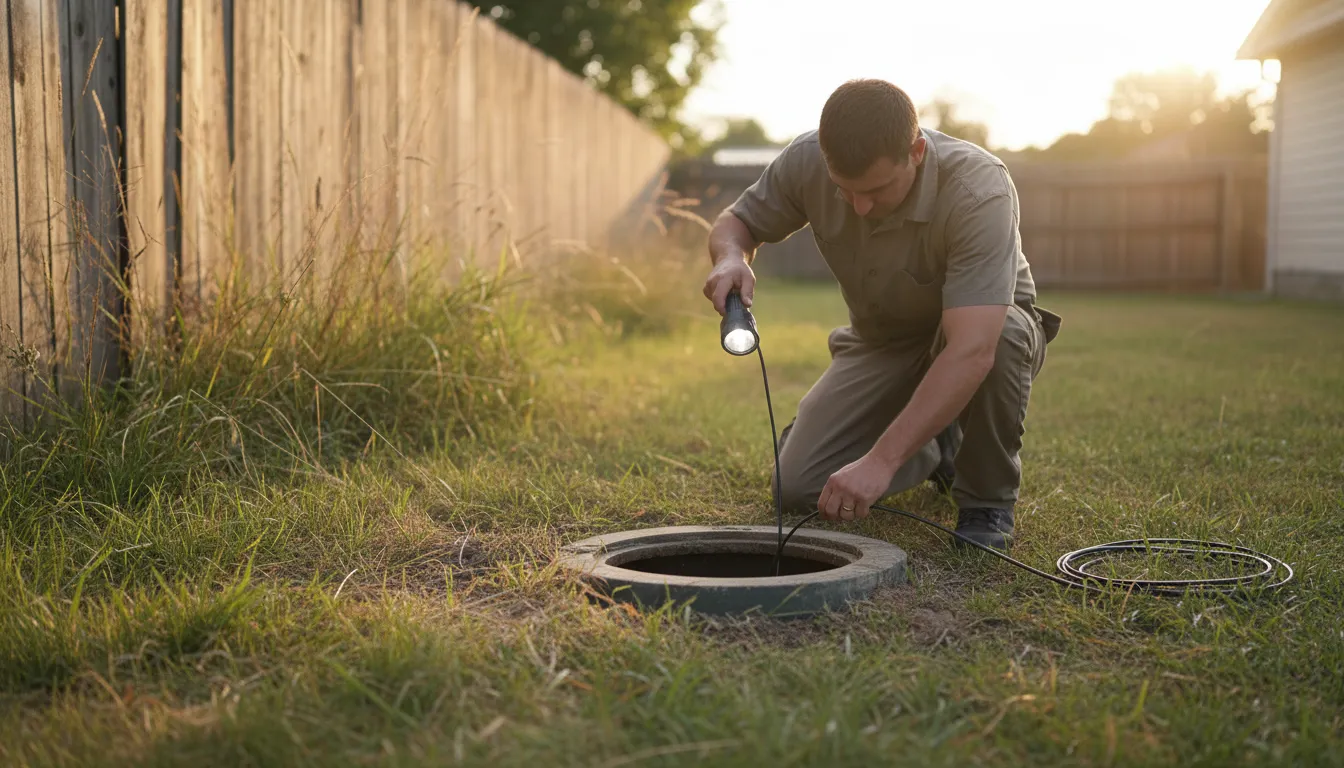
Find the Best Septic Tank Inspection Companies for Your Business
No obligation • Fast responses • Nationwide coverage

Why you can trust Septic Spot
Septic Spot is a leading United States resource for understanding and comparing septic services. Our editors review providers using consistent criteria and verify key business details. Listings and scores are independent, and companies cannot pay to influence our content.
Search providers near you
Top Septic Tank Inspection Companies in Columbus, Georgia Ranked
A septic tank inspection is a professional assessment of your on-site wastewater system's condition and functionality. In Georgia, where many homes rely on these private systems, regular inspections are crucial for protecting your property value, ensuring public health, and complying with state environmental regulations. This guide provides clear, practical information on Georgia's inspection requirements, processes, and costs, helping you understand when to schedule service and what to expect from a qualified professional.
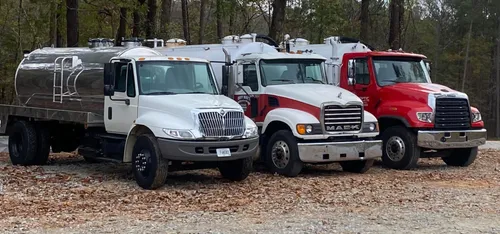
Dirty Mike's Septic & Hydro Jetting service
33 Mulberry Dr, Fortson, GA 31808
Dirty Mike's Septic & Hydro Jetting service is an owner-operated company based in Columbus, GA, providing a range of septic system services including pumping, inspection, repair, and installation. With over 15 years of experience, the business serves both residential and commercial clients, offering specialized capabilities such as hydro jetting and sewer cleaning. The company is available 24/7 to handle routine maintenance as well as emergency septic system repairs and installations.
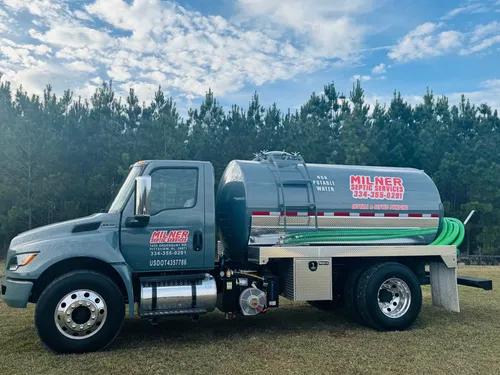
Milner Septic Services
Columbus, GA
Milner Septic Services is a family-owned company providing septic tank pumping, inspection, and installation in Columbus, GA. They serve East Alabama and West Georgia, including areas like Eufaula, Fort Mitchell, and Phenix City. The company offers specialized septic pumping with proper waste disposal and emergency septic services for backup or overflow situations. Milner Septic emphasizes septic-safe practices to help homeowners avoid costly repairs and uses equipment designed to minimize disruption during service.
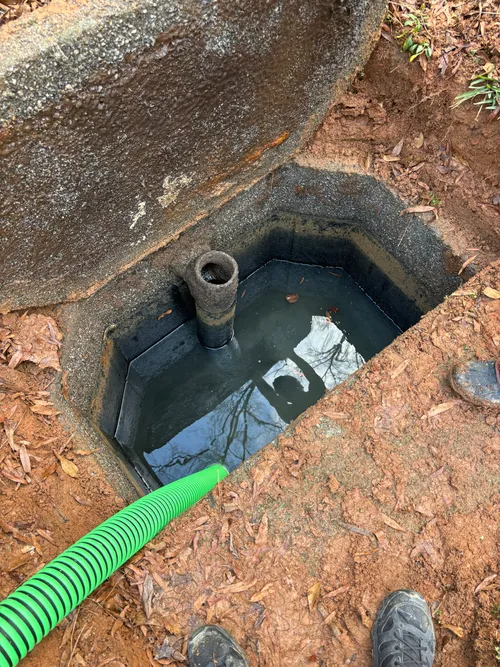
Turdbusters Septic and Plumbing
191 Arrowhead Dr, Waverly Hall, GA 31831
Turdbusters Septic and Plumbing is a septic tank pumping, inspection, and installation company serving Columbus, GA. They provide certified septic tank inspections with reports required for real estate transactions and land improvements. Their services include septic pumping and drain cleaning, following state recommendations for regular maintenance to ensure system health.
D&H Septic Services
3532 Dr Deryl Hart Rd, Buena Vista, GA 31803
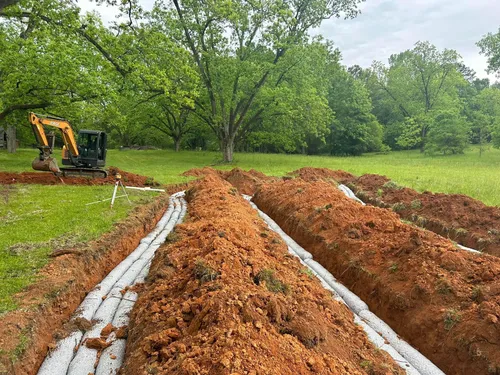
D&H Septic Services is a family-owned company based in Marion County, serving Columbus, GA, and surrounding areas including Muscogee, Harris, Sumter, and Macon counties. They provide a range of septic services such as pumping, system installation, inspections, repairs, and maintenance for both residential and commercial clients. With over 16 years of experience since 2008, D&H Septic Services employs certified technicians and modern equipment to handle routine and emergency septic needs.
Columbus Septic Services
Columbus, GA
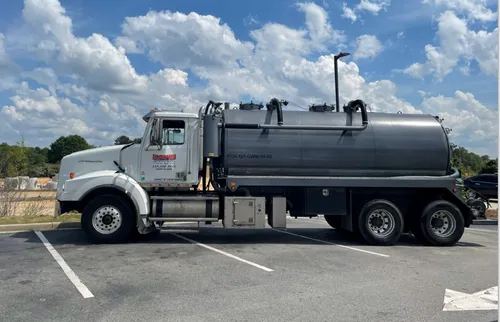
Columbus Septic Services is a locally owned company serving Columbus, GA, with over 20 years of experience in septic system care. They offer a full range of services including septic tank pumping, cleaning, installation, maintenance, and repairs. Their team is equipped to handle complex septic system issues and also provides grease trap cleaning for commercial clients. The company operates 24/7 to address emergency septic needs promptly and uses fully equipped trucks to ensure thorough service.
Why Septic System Inspections Matter in Georgia
In Georgia, an estimated 1.7 million households depend on septic systems for wastewater treatment 1. These systems are out of sight but should never be out of mind. A failing system can lead to sewage backing up into your home, contaminating groundwater, creating foul odors, and causing expensive environmental damage. Regular professional evaluations are your first line of defense. They identify minor issues-like a clogged outlet filter or early signs of drain field saturation-before they escalate into major repairs or complete system failure, which can cost tens of thousands of dollars to resolve.
Beyond protecting your home and wallet, inspections are a key part of environmental stewardship. Properly functioning septic systems treat wastewater effectively, preventing harmful pathogens and nutrients from polluting Georgia's streams, rivers, and aquifers. For homeowners planning to sell their property, a recent, clean inspection report is often a mandatory requirement for closing, providing peace of mind to all parties involved.
Georgia's Regulatory Framework for Septic Systems
Septic systems in Georgia are governed by state rules, primarily under the Georgia Department of Public Health's (DPH) Chapter 511-3-1, "On-Site Sewage Management Systems" 2 3. These regulations set the minimum standards for design, installation, maintenance, and inspection. It's critical to understand that local county health departments enforce these rules and may have stricter requirements based on local soil conditions, topography, and water sources. Always check with your county's Environmental Health office for specific local protocols.
Key state-level requirements that impact inspections include:
- Licensing: Anyone performing septic system inspections, installations, repairs, or pumping in Georgia must be a state-certified On-Site Sewage Contractor. Certification must be renewed every two years, ensuring professionals are up-to-date on code changes.
- System Standards: For a standard residential system, Georgia mandates a minimum 1,000-gallon, two-compartment septic tank for a three-bedroom home. Tanks must include an approved outlet filter to protect the drain field from solids.
- Setbacks: Systems must be located a minimum distance from features like wells (50 feet), property lines (10 feet), and buildings. An inspection will verify these setbacks are still being met.
- Permits: Any new installation, repair, or major modification requires a permit from the local county health department 4. An inspector will check for proper permits on any recent work.
What a Professional Septic Inspection Involves
A comprehensive septic system evaluation in Georgia goes far beyond just looking at the tank. A certified professional will conduct a multi-step process to assess the entire system's health.
1. Pre-Inspection Interview & Records Review A good inspector starts by asking about your household size, water usage habits, and any symptoms you've noticed (e.g., slow drains, odors, soggy yard areas). They will also attempt to locate the original system permit and "as-built" diagram from the county health department to understand the system's design and location.
2. Locating & Exposing System Components Using probing tools and sometimes electronic locators, the inspector finds and exposes the tank's access lids and, if possible, the distribution box. This allows for visual examination of all critical parts.
3. Tank Inspection This is the core of the service. The inspector will:
- Measure Scum and Sludge Layers: Using specialized tools, they measure the depth of the floating scum layer and the accumulated sludge at the bottom of the tank. These measurements determine if the tank needs immediate pumping. The U.S. EPA recommends pumping when the combined sludge and scum volume exceeds 25-30% of the tank's capacity 5.
- Check Tank Integrity: Inspect the tank's interior and exterior (concrete, fiberglass, or polyethylene) for cracks, leaks, or signs of structural failure.
- Inspect Baffles & Outlet Filter: Ensure inlet and outlet baffles are intact and functioning to prevent solids from exiting the tank. They will clean or note the condition of the mandatory outlet filter 6.
- Assess Effluent Quality: Observe the clarity of the liquid (effluent) leaving the tank. Cloudy effluent indicates a problem with solids retention.
4. Drain Field Assessment The inspector evaluates the soil absorption field (drain field) for signs of failure:
- Checking for surfacing sewage, overly lush grass, or soggy, saturated soil above the field lines.
- Assessing the distribution box (if accessible) for even flow to all trenches.
- Noting any conditions that could impair the field, like root intrusion, soil compaction, or improper surface drainage.
5. Final Report & Recommendations After the evaluation, you should receive a detailed written report outlining the system's condition, any deficiencies found, and recommended actions. This may include immediate pumping, minor repairs, or further investigation. This report is your valuable record for maintenance planning and real estate transactions.
Find the perfect septic tank inspection companies for your needs
Get personalized recommendations and expert advice
Recommended Inspection & Pumping Frequency
How often should you get your septic system inspected in Georgia? While state law may not mandate annual inspections for all existing systems, best practice and expert guidance are clear.
- General Inspection: The U.S. Environmental Protection Agency and industry professionals recommend having a standard septic system inspected at least every three years by a licensed contractor. For newer alternative systems (like aerobic treatment units or drip irrigation), which have mechanical components, annual inspections are often advised.
- Pumping Frequency: Inspection often reveals the need for pumping. The pumping interval is not fixed; it depends on tank size, household size, and water usage. A common guideline is that a 1,000-gallon tank serving a family of five will likely need pumping every 2 to 3 years 7. Your inspector's sludge/scum measurements provide the definitive answer for your specific system. Regular pumping is the single most important maintenance task to extend the life of your drain field.
Understanding Inspection Costs in Georgia
The cost of a septic inspection in Georgia varies based on the type of inspection and the system's complexity. Prices are typically competitive and reflect the professional expertise required.
- Basic Visual Inspection (No Pumping): Ranges from $200 to $350. This covers locating the system, exposing lids, and performing a visual assessment of tank levels and components. It's often sufficient for routine check-ups or real estate transactions where the tank was recently pumped.
- Full Inspection with Pumping: Typically costs between $400 and $600. This is the most comprehensive and common service. It includes pumping the tank (which is necessary to fully inspect the tank's interior and measure sludge accurately) and a complete evaluation of all system components.
- Advanced System Inspection: For systems with aerobic treatment units (ATUs), pumps, or drip irrigation fields, inspections are more involved and can range from $500 to $750 due to the additional mechanical and electrical components that must be checked 8.
It's important to note that if an inspection uncovers problems, repair costs are additional. A full septic system installation in Georgia, if needed, can range from $5,000 to $12,000 or more, heavily dependent on soil conditions and system type 9.
Choosing a Qualified Inspector in Georgia
Selecting the right professional is critical. Always verify that the contractor is state-certified as an On-Site Sewage Management Contractor 10. You can ask for their certification number and confirm it with the DPH. Look for established companies with strong local reputations, proper insurance, and membership in state or national industry associations. Don't base your decision on price alone; the quality and thoroughness of the inspection are paramount. A good inspector will be willing to explain their process, answer your questions, and provide a clear, written report.
Frequently asked questions
Sources
Footnotes
-
2026 Guide to Septic Tank Installation - https://dandhsepticservices.com/septic-tank-installation/ ↩
-
ON-SITE SEWAGE CONTRACTOR EXAMINATION STUDY GUIDE - https://gnrhealth.com/wp-content/uploads/2012/01/Residential-Study-Guide.pdf ↩
-
GA R&R - GAC - Subject 511-3-1 ON-SITE SEWAGE MANAGEMENT SYSTEMS - https://rules.sos.ga.gov/gac/511-3-1 ↩
-
Septic System Applications And Requirements - https://cobbanddouglaspublichealth.com/programs/environmental-health/septic-systems/septic-system-applications-and-requirements/ ↩
-
How to Care for Your Septic System | US EPA - https://www.epa.gov/septic/how-care-your-septic-system ↩
-
Manual for On-Site Sewage Management Systems - https://dph.georgia.gov/document/document/envhealthonsitemanual2024-02-22sectiondpdf/download ↩
-
How Often Should You Pump Your Septic Tank: 3 Factors Solved - https://www.frasiers.com/blog/sewage-tank-pump-frequency/ ↩
-
Complete Guide to Septic Inspection in Georgia - https://dandhsepticservices.com/septic-inspection-in-georgia/ ↩
-
Septic Tank Installation Cost in Georgia | Expert Guide - https://dandhsepticservices.com/septic-tank-installation-cost/ ↩
-
Septic Tank Installer, Pumper and Portable Sanitation Certification ... - https://dph.georgia.gov/document/document/certification-requirements/download ↩