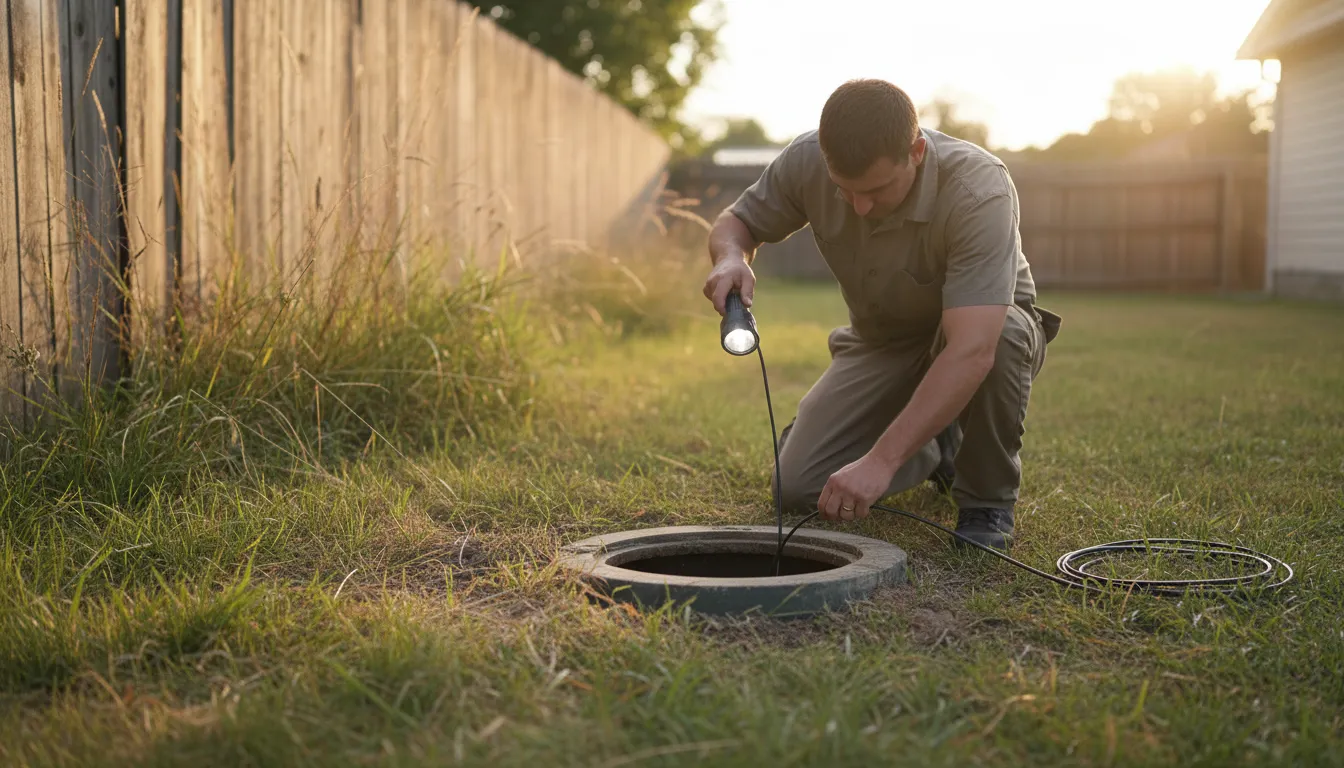
Find the Best Septic Tank Inspection Companies for Your Business
No obligation • Fast responses • Nationwide coverage

Why you can trust Septic Spot
Septic Spot is a leading United States resource for understanding and comparing septic services. Our editors review providers using consistent criteria and verify key business details. Listings and scores are independent, and companies cannot pay to influence our content.
Search providers near you
Top Septic Tank Inspection Companies in Savannah, Georgia Ranked
A septic tank inspection is a professional evaluation of your on-site wastewater system, a critical service for maintaining your property's health, value, and compliance with local regulations. In Savannah, where many homes rely on these private systems, a thorough assessment is essential for preventing costly failures and environmental contamination. This guide will help you understand the process, requirements, and how to find qualified local professionals to conduct your system evaluation.
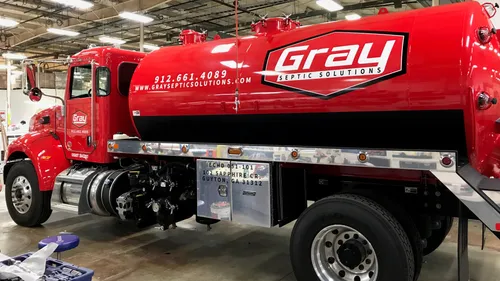
Gray Septic Solutions
Savannah, GA
Gray Septic Solutions is a locally owned septic service provider based in Savannah, GA. Since 2015, they have offered a range of services including septic tank pumping, inspections, repairs, installations, and drain field replacements. The company handles both residential and commercial septic needs with in-house design, permitting, and installation, ensuring quality control without subcontractors. They also provide 24/7 emergency septic services to address urgent issues promptly. Gray Septic Solutions is fully licensed and insured, with expertise in managing the unique challenges of Savannah's coastal soil and water conditions.
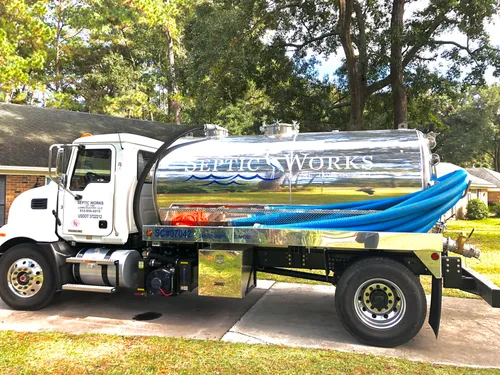
Septic Works of the Lowcountry
36 Clarendon Rd, Savannah, GA 31410
Septic Works of the Lowcountry is an owner-operated septic service company based in Savannah, GA. With over 10 years of experience, they provide a range of septic system services including installation, pumping, inspections, and drainfield repairs using Terralift technology. Their team handles residential and commercial septic needs, ensuring compliance with local regulations and tailored solutions for each property. They offer 24/7 emergency availability and personally oversee each project to maintain quality and timely completion.
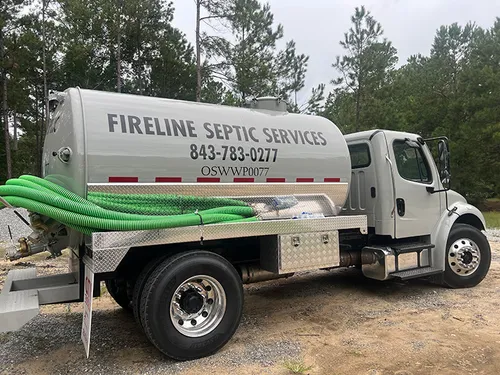
Fireline Septic Services LLC
Savannah, GA
Fireline Septic Services LLC is a veteran and locally owned business providing septic system services in Savannah, GA. They offer septic tank pumping, inspections with camera diagnostics, repairs, and new installations. Their capabilities include hydro-jetting to clear blockages and maintain system function. Fireline Septic Services serves several counties in South Carolina, including Jasper, Beaufort, Chatham, and Effingham.
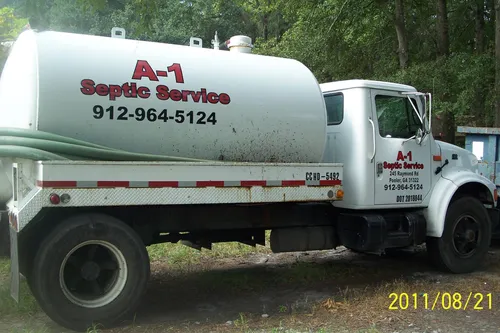
A 1 Septic Tank Service Inc.
Savannah, GA
A 1 Septic Tank Service Inc. offers septic tank pumping, inspection, maintenance, and repair services in Savannah, GA. The company focuses on keeping septic systems functioning properly through comprehensive solutions delivered by skilled professionals.
Jerry Smith Septic Tank Services
127 Jesup Rd, Pooler, GA 31322
Jerry Smith Septic Tank Services provides septic system pumping, inspection, and repair services in Savannah, GA. With over 20 years of experience, the company handles septic system maintenance and emergency repairs for both residential and commercial clients. They use up-to-date equipment and methods to address issues such as backups and clogs, ensuring septic systems remain functional and well-maintained.
Why Septic System Inspections Are Crucial in Savannah
In the Savannah area, properties outside the reach of municipal sewer lines depend on on-site sewage management systems. These systems are regulated by the Coastal Health District under Georgia state rules (Chapter 511-3-1) 1. Regular inspections are not just a good idea-they are often legally required for system repairs, major renovations, or property transfers. A failing septic system can lead to raw sewage backing up into your home or surfacing in your yard, creating serious health hazards and environmental issues. Proactive evaluations help protect your investment, your family's health, and the local waterways that define the Coastal Georgia landscape.
When Is a Septic Inspection Required?
Understanding the triggers for a mandatory system check can save you from legal and financial headaches. In Chatham County, several scenarios necessitate a formal evaluation by a licensed professional.
- Real Estate Transactions: This is one of the most common reasons. If you are buying or selling a home with a septic system, an inspection is typically required to ensure the system is functioning properly and meets county and state standards before the sale is finalized 2.
- System Repairs or Alterations: Any repair, alteration, or expansion of your existing septic system requires a permit from the Chatham County Health Department, and that permit process includes an inspection.
- Building Permits & Renovations: Applying for a building permit for a significant home addition or renovation may trigger a requirement to have your existing septic system inspected to ensure it can handle the potential increased load.
- Sewer Availability: If public sewer service becomes available within 200 feet of your property line, you are generally required to connect to it within 90 days of official notice. An inspection of your old system is often part of this transition process 3.
- Suspected System Failure: Signs like slow drains, sewage odors, or soggy patches in your drain field are clear indicators that an immediate inspection is needed.
What Does a Professional Septic Inspection Involve?
A comprehensive septic system evaluation is a detailed process that goes far beyond just looking at the tank. A certified contractor or environmental health specialist will follow a systematic approach to assess the entire system's health 4.
- System Location & Documentation: The inspector will first locate and identify all components, including the septic tank and drain field, often using property records and probing tools.
- Tank Access & Opening: The inlet and outlet inspection lids are uncovered and opened. This allows visual access to the interior of the tank.
- Sludge and Scum Measurement: This is a key quantitative step. The inspector measures the levels of accumulated sludge (solids at the bottom) and scum (floating fats and greases). These levels determine if the tank needs to be pumped. If the sludge is too close to the outlet baffle, it can cause solids to flow into and clog the drain field 5.
- Structural & Component Inspection: The tank's integrity is checked for cracks, corrosion, or collapse. Critical components like the inlet and outlet baffles or tee-pipes are examined for damage or blockages. The outlet filter, which is required on most modern Georgia systems, is cleaned or its condition noted 6.
- Drain Field Evaluation: The inspector assesses the drain field (or leach field) for signs of failure. This includes looking for surfacing effluent, overly soggy or lush grass, and checking for any blockages in the distribution lines.
- Final Report: A detailed septic tank inspection report is provided, documenting the condition of each component, sludge/scum levels, any signs of failure, and recommended actions, such as immediate pumping or repairs 7.
Find the perfect septic tank inspection companies for your needs
Get personalized recommendations and expert advice
Understanding Costs: Inspection and Pumping
Budgeting for septic maintenance is an important part of homeownership. In the Savannah area, costs can vary based on the size of your system, its accessibility, and the scope of the inspection.
- Inspection Cost: A standard, comprehensive septic system inspection typically ranges from $300 to $600+, with averages in Georgia around $500 8 9. This fee covers the professional's time, expertise, and report. More intensive evaluations, like those required for a real estate transfer (sometimes called a "Title 5" style inspection in other regions), may be on the higher end of this scale.
- Pumping Cost: It's important to note that the inspection fee is usually separate from pumping. If the inspection reveals that pumping is needed, that service typically costs an additional $300 to $600, depending on tank size (e.g., 1,000-gallon vs. 1,500-gallon) and how easily the pumping truck can access the tank 10 11. Many homeowners choose to combine these services for efficiency.
Georgia and Chatham County Regulations You Should Know
Compliance with local and state codes is non-negotiable. Key regulations for Savannah homeowners include:
- Permit Requirement: All new installations, repairs, and alterations require a permit from the local health department (Coastal Health District) 12.
- System Standards: Tanks must have a minimum 1,000-gallon capacity and are typically required to have two compartments and an outlet filter, per state regulations designed to improve effluent quality 13.
- Licensed Professionals: All inspections, pumping, and repair work must be performed by a certified and licensed septic contractor. This ensures proper waste disposal and adherence to health codes 14 15.
- Maintenance Schedule: While not always a codified law, the EPA and health authorities strongly recommend inspecting your system every 1-3 years and pumping it every 3-5 years to prevent failures 16.
Maintaining Your System Between Inspections
Professional inspections are vital, but day-to-day care extends the life of your system. Follow these best practices:
- Mind Your Drain Field: Never park cars, build structures, or place heavy objects on your drain field. Compacting the soil prevents it from properly absorbing and treating wastewater 17.
- Conserve Water: Spread out laundry loads and fix leaky faucets. Overloading the system with too much water at once can push solids into the drain field.
- Watch What You Flush: Only human waste and toilet paper should go down the drain. Avoid flushing chemicals, grease, diapers, wipes (even "flushable" ones), and coffee grounds.
- Keep Records: Maintain a file of all inspection reports, pumping receipts, and repair permits. This is invaluable for troubleshooting and is essential during a property sale.
Frequently asked questions
Sources
Footnotes
-
GA R&R - GAC - Subject 511-3-1 ON-SITE SEWAGE MANAGEMENT SYSTEMS - https://rules.sos.ga.gov/gac/511-3-1 ↩
-
REAL ESTATE TRANSACTIONS AND SEPTIC INSPECTIONS: WHO BENEFITS? - https://www.petesoutflow.com/real-estate-transactions-and-septic-inspections-who-benefits7ee871fa ↩
-
Document Viewer | City of Savannah Code of Ordinances - https://online.encodeplus.com/regs/savannah-ga/doc-viewer.aspx?secid=1437 ↩
-
Septic Inspection Explained: What Homeowners Can Expect - https://www.townesseptic.com/blog/what-happens-during-a-septic-inspection ↩
-
🏅 Gainesville Septic Tank Inspections | Dawsonville, Dahlonega, Hall County - https://gainesville-sewerseptic.com/septic-tank-inspections/ ↩
-
What Is a Septic Tank Inspection - https://martinseptic.com/what-does-a-septic-tank-inspection-involve/ ↩
-
Septic Tank Inspection Report: How to Read It Correctly - https://dandhsepticservices.com/septic-tank-inspection-report/ ↩
-
How Much Does a Septic Inspection Cost? [2026 Data] - Angie's List - https://www.angi.com/articles/septic-inspection-cost.htm ↩
-
2026 Septic Inspection Costs | Tank, System, & Title 5 - https://homeguide.com/costs/septic-tank-inspection-cost ↩
-
Frequent Questions on Septic Systems | US EPA - https://www.epa.gov/septic/frequent-questions-septic-systems ↩
-
Septic System Inspections: A Step-by-Step How-To Guide - https://westcoastsanitationinc.com/septic-inspection-service/ ↩
-
On-Site Sewage/Septic Systems - Coastal Health District - https://coastalhealthdistrict.org/programs-services/environmental-health-2/on-site-sewage-septic-systems/ ↩
-
Georgia Septic Tank Requirements | On-Site Sewage Management ... - https://www.ntotank.com/blog/georgia-septic-tank-requirements ↩
-
Septic Systems - DeKalb Public Health - https://dekalbpublichealth.com/environmental-health/septic-systems/ ↩
-
Residential-Study-Guide.pdf - GNR Health - https://gnrhealth.com/wp-content/uploads/2012/01/Residential-Study-Guide.pdf ↩
-
Complete Guide to Septic Inspection in Georgia - https://dandhsepticservices.com/septic-inspection-in-georgia/ ↩
-
Septic Inspection and How It Works | Buying a Home in Olympia WA - https://www.youtube.com/watch?v=ZvdpLybXV3c ↩