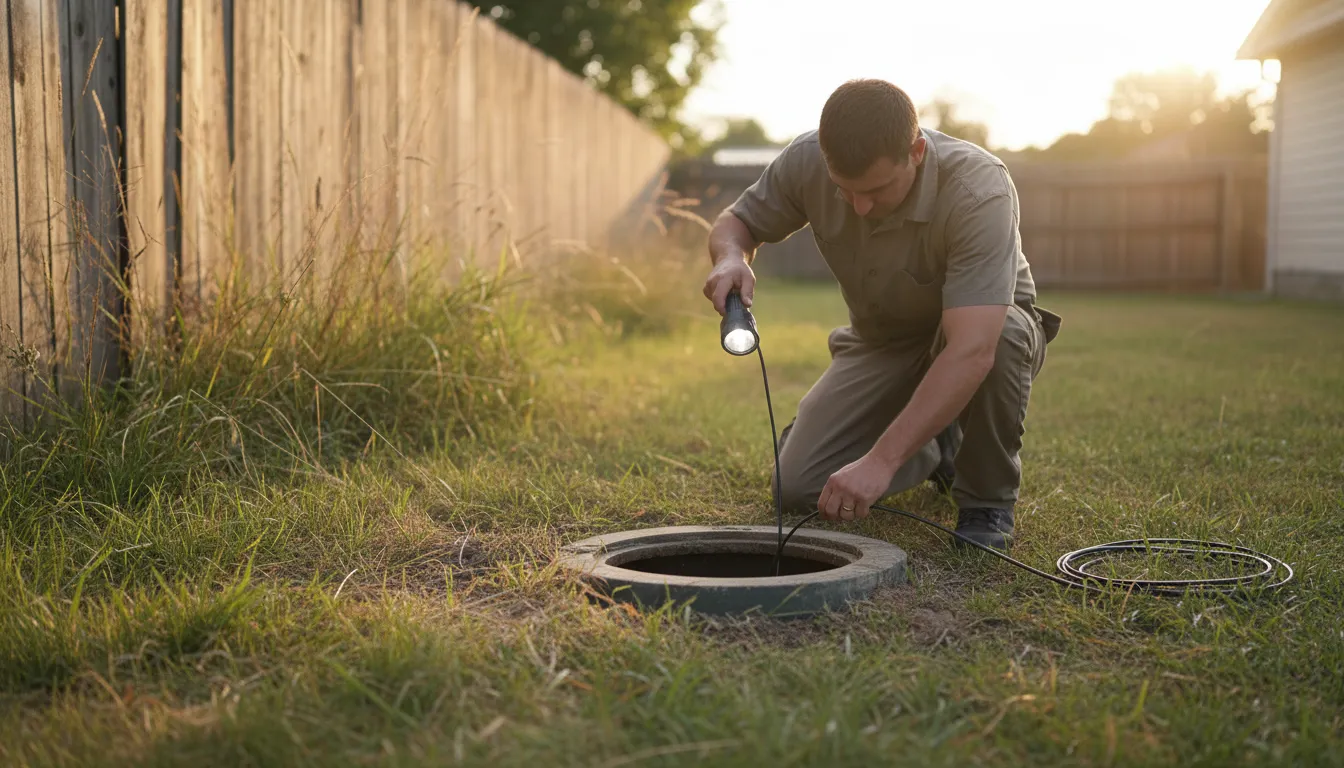
Find the Best Septic Tank Inspection Companies for Your Business
No obligation • Fast responses • Nationwide coverage

Why you can trust Septic Spot
Septic Spot is a leading United States resource for understanding and comparing septic services. Our editors review providers using consistent criteria and verify key business details. Listings and scores are independent, and companies cannot pay to influence our content.
Search providers near you
Top Septic Tank Inspection Companies in Johns Creek, Georgia Ranked
A septic tank inspection is a critical evaluation of your onsite wastewater system's health and functionality. In Johns Creek, where many homes rely on these private systems, regular assessments are essential for protecting your property value, ensuring public health, and complying with local regulations. This guide will help you understand the process, timing, and importance of septic system evaluations, empowering you to find qualified local professionals to maintain your home's essential infrastructure.
Right Price Plumbing and Septic
Atlanta, GA
Right Price Plumbing and Septic is a local, family-owned company serving Atlanta, GA, and surrounding counties. They provide a range of residential and commercial plumbing and septic services, including septic tank pumping, inspection, repair, and installation. The company also offers drain inspection, emergency plumbing, and water heater repair. They are known for their comprehensive service options and have experience handling various plumbing and septic system needs. Right Price Plumbing and Septic serves multiple counties in Georgia and offers financing options to customers.
Hometown Plumbing and Septic
3375 Hutchinson Rd, Cumming, GA 30040
Hometown Plumbing and Septic provides professional septic services in South Fulton, GA, and the surrounding Metro Atlanta and North Georgia areas. They specialize in septic tank pumping, inspections, repairs, and complete system replacements for both residential and commercial properties. Their services also include drain field repair and lift station maintenance. With decades of experience and advanced equipment, they handle complex septic system issues with precision. They serve multiple counties including Barrow, Cherokee, Cobb, and others, offering preventative maintenance to help avoid emergency repairs.
Septic On Call
2180 Satellite Blvd NW #400, Duluth, GA 30097
Septic On Call is a septic tank service provider based in Atlanta, GA. The company offers a range of services including septic tank pumping, inspections, repairs, and installation of septic tanks and drainfields. They provide thorough cleaning and maintenance to help prevent costly repairs and ensure proper system function. Septic On Call also specializes in diagnosing and repairing septic system issues, from minor leaks to major damage. The company offers 24/7 emergency services for septic tank problems and backups, responding quickly to urgent repair needs.
Smart Septic Pros
210 Holt Ct, Acworth, GA 30101
Smart Septic Pros is a septic tank pumping, inspection, and repair company based in South Fulton, GA. They provide thorough septic system maintenance aimed at reducing odors and sludge build-up to support healthier effluent discharge. With over a decade of experience and more than 1,000 tanks serviced, they handle everything from routine inspections to resolving solid blockages to maintain proper septic function. Their services focus on ensuring safety, compliance, and reliable waste management for homes in the area.
Independent Septic and Sewer LLC
Atlanta, GA
Independent Septic and Sewer LLC is a family-owned business serving Atlanta, GA, and surrounding counties. They provide septic tank pumping, cleaning, inspection, repair, and installation services for residential and commercial properties. With over 20 years of experience, the company offers expertise in diagnosing and repairing septic system issues, including drain field repairs and sewer line maintenance. They also provide a 10-year warranty on repairs and handle all necessary permits and building code requirements. Their services include thorough septic tank pumping that removes both liquids and solids, as well as hydro jetting and camera inspections when needed.
Why Septic Inspections Are Crucial in Johns Creek
Unlike homes connected to municipal sewer lines, properties with septic systems are solely responsible for treating and disposing of household wastewater. A failing system is more than an inconvenience; it can lead to raw sewage backing up into your home or surfacing in your yard, creating serious health hazards and environmental contamination. In Fulton County, systems must comply with specific Georgia Department of Public Health regulations (Chapter 511-3-1), making professional inspections a key part of regulatory compliance. Proactive maintenance through regular inspections can identify minor issues before they become catastrophic, expensive failures.
Understanding Local Regulations and Requirements
Septic system oversight in Johns Creek falls under the Fulton County Environmental Health Department, which enforces state rules. Key regulations homeowners should know include:
- Permit Requirements: Any repair, modification, or new installation of a septic system requires a permit from the local health department 1. An inspection is often a required part of the permitting process.
- System Standards: For systems installed after February 20, 2000, Georgia regulations mandate a two-compartment tank and an effluent filter. Inspectors will verify these components are present and functioning correctly.
- Professional Certification: Inspections should always be conducted by a certified, licensed septic professional. Their expertise ensures the evaluation meets official standards and that any findings are documented correctly for authorities or real estate transactions.
What Does a Comprehensive Septic Inspection Involve?
A thorough septic system evaluation is a multi-step process that goes beyond just looking at the tank. Here's what you can expect a qualified inspector to do:
- Locate and Access the System: The inspector will first locate the tank and drainfield. They will need to excavate and uncover the tank's access lids, which may involve some light digging if risers are not already installed.
- Measure Sludge and Scum Levels: This is the core of the inspection. Using a tool called a "sludge judge," the inspector measures the accumulation of solids (sludge) at the bottom and floating scum at the top. According to guidelines, if the sludge occupies more than one-third of the tank's liquid depth, the tank requires pumping.
- Inspect Tank Components: The inspector checks the structural integrity of the tank for cracks or leaks. They will also examine the inlet and outlet baffles (or tees) to ensure they are intact, and clean or assess the effluent filter if one is present 2.
- Check Liquid Levels: The inspector verifies that the liquid level inside the tank is not above the outlet pipe. A high liquid level can indicate a blockage or, more seriously, a failure in the drainfield 3 4.
- Assess the Drainfield: The inspector will walk the drainfield area looking for telltale signs of failure, such as soggy ground, lush green grass over the lines, or unpleasant sewage odors 5. They may also check distribution boxes for proper flow.
Find the perfect septic tank inspection companies for your needs
Get personalized recommendations and expert advice
When Should You Schedule a Septic Inspection?
Knowing when to call a professional can save you from emergency situations. Key times to schedule a septic system inspection in Johns Creek include:
- Routine Maintenance: The U.S. Environmental Protection Agency and local experts recommend having your system inspected every 1 to 3 years as part of normal preventative care. Pumping is typically needed every 3 to 5 years, but an inspection will determine the exact timing.
- Before a Home Purchase: A pre-purchase septic inspection is highly recommended and often required by lenders. It protects the buyer from inheriting a failing system that could cost tens of thousands of dollars to replace. The inspection report becomes a crucial part of the real estate negotiation.
- At Signs of Trouble: Don't wait for your scheduled check if you notice warning signs like consistently slow drains, gurgling sounds in plumbing, sewage odors indoors or in the yard, or wet, spongy soil over the drainfield 6.
Understanding Inspection Costs and Potential Repairs
Investing in an inspection is far less costly than dealing with a system failure. In the Johns Creek area, a standard septic inspection typically costs between $400 and $600 7. If the inspection reveals the tank is over one-third full of sludge, pumping will be recommended, which generally adds $300 to $600+, depending on tank size and accessibility 7 8.
The inspection may uncover needed repairs. Costs can vary widely:
- Minor repairs, such as replacing a baffle or effluent filter, are relatively low-cost.
- Significant drainfield repairs or a full system replacement are major projects. These can range from $3,500 to over $12,000, depending on the soil conditions, system size, and extent of the problem 9 10. The inspection report provides the clarity needed to budget for these possibilities.
How to Prepare for a Septic Inspection
A little preparation can make the inspection process smoother and more accurate:
- Know Your System's Location: If you have a diagram or "as-built" sketch of your system's layout, provide it to the inspector. Otherwise, note the location of tank lids and the general drainfield area.
- Ensure Clear Access: Clear any vehicles, lawn furniture, or debris from the area above the tank and drainfield. Trim overgrown grass or shrubs.
- Have Records Ready: Gather any past inspection reports, pumping receipts, or repair records. This history helps the inspector understand your system's maintenance timeline.
- Be Prepared to Discuss: Inform the inspector of any household changes, like an increase in occupants or the addition of a garbage disposal, as these affect system load.
Interpreting Your Septic Inspection Report
After the evaluation, you will receive a detailed inspection report. This document is vital for your records, for permit applications, and for real estate transactions. A proper report should include 11:
- A diagram of the system layout.
- Measurements of sludge and scum levels.
- Condition of the tank, baffles, and effluent filter.
- Observations on the drainfield's performance.
- Clear recommendations for any required action, such as pumping, repairs, or further investigation.
- The license number of the inspecting professional.
Frequently asked questions
Sources
Footnotes
-
Sewage/Septic Systems - Northeast Health District - https://northeasthealthdistrict.org/services/environmental-health/sewage-septic-systems/ ↩
-
Septic System Inspection Johns Creek GA: What to Anticipate - https://atlantaseptictankpros.com/septic-system-inspection-johns-creek-ga/ ↩
-
How to Get Septic to Pass Inspection - https://www.guardianangelinspections.com/how-to-get-septic-to-pass-inspection ↩
-
What to Expect from a Septic Inspection - https://www.wrenvironmental.com/blog/2023/may/what-to-expect-from-a-septic-inspection/ ↩
-
Homeowner's Guide to Septic System Maintenance - https://www.gwinnettcounty.com/static/departments/water/pdf/Septic_Kit.pdf ↩
-
Environmental Health - Page 3 - https://phdistrict2.org/environmental-health/3/ ↩
-
Frequent Questions on Septic Systems | US EPA - https://www.epa.gov/septic/frequent-questions-septic-systems ↩ ↩2
-
Complete Guide to Septic Inspection in Georgia - https://dandhsepticservices.com/septic-inspection-in-georgia/ ↩
-
Septic System Inspections in Acworth, GA - CityWIDE Plumbing - https://www.citywideplumbing.com/septic-inspections/ ↩
-
Who Pays For Septic Inspection When Selling a House? - https://ibuyer.com/blog/who-pays-for-septic-inspection-when-selling-a-house/ ↩
-
Septic Tank Inspection Report: How to Read It Correctly - https://dandhsepticservices.com/septic-tank-inspection-report/ ↩