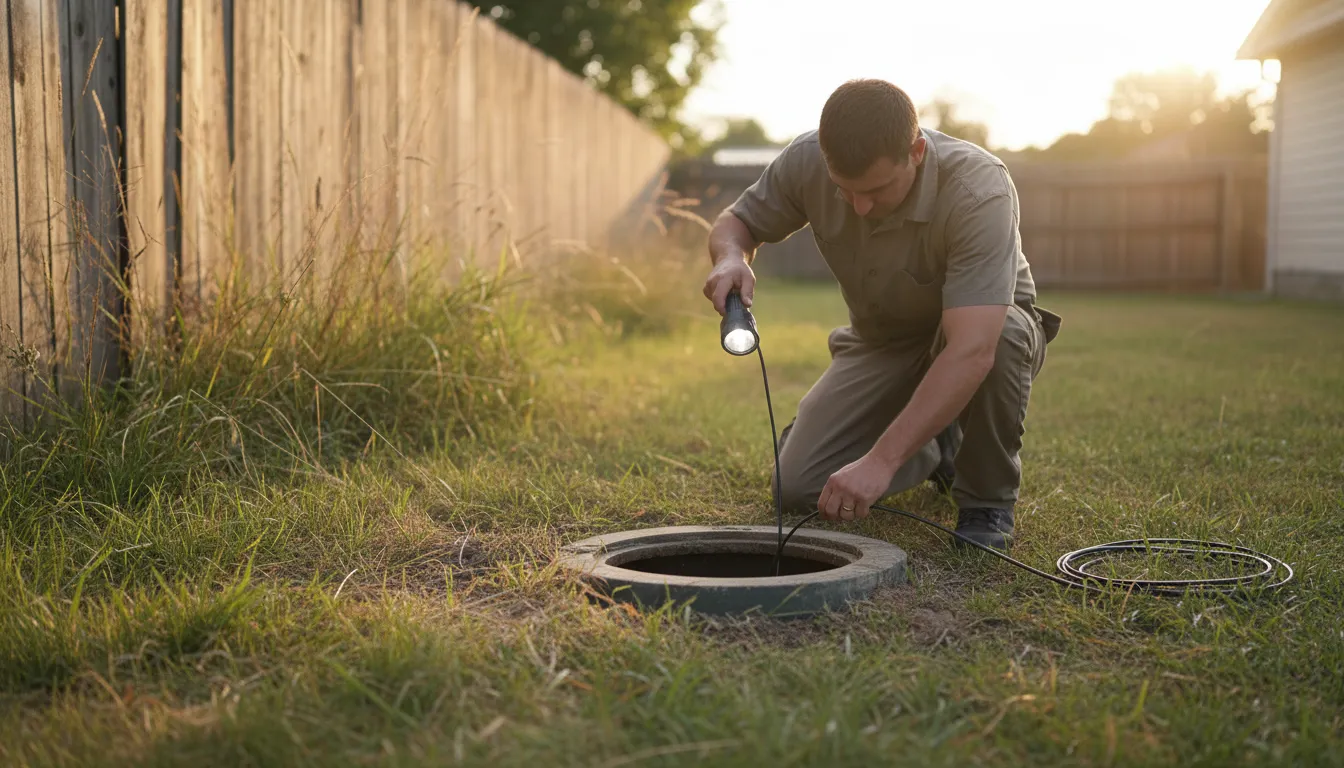
Find the Best Septic Tank Inspection Companies for Your Business
No obligation • Fast responses • Nationwide coverage

Why you can trust Septic Spot
Septic Spot is a leading United States resource for understanding and comparing septic services. Our editors review providers using consistent criteria and verify key business details. Listings and scores are independent, and companies cannot pay to influence our content.
Search providers near you
Top Septic Tank Inspection Companies in Marietta, Georgia Ranked
For homeowners in Marietta, a septic tank inspection is a critical evaluation of your property's private wastewater treatment system. This essential service ensures your system is functioning safely, protects your family's health, and prevents costly environmental damage. Understanding the process, local regulations, and how to find qualified professionals can help you maintain your system effectively and with confidence.
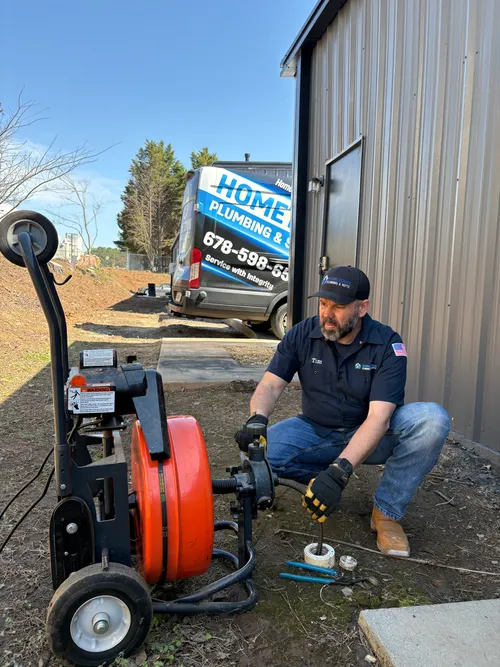
Hometown Plumbing and Septic
3375 Hutchinson Rd, Cumming, GA 30040
Hometown Plumbing and Septic provides professional septic services in South Fulton, GA, and the surrounding Metro Atlanta and North Georgia areas. They specialize in septic tank pumping, inspections, repairs, and complete system replacements for both residential and commercial properties. Their services also include drain field repair and lift station maintenance. With decades of experience and advanced equipment, they handle complex septic system issues with precision. They serve multiple counties including Barrow, Cherokee, Cobb, and others, offering preventative maintenance to help avoid emergency repairs.
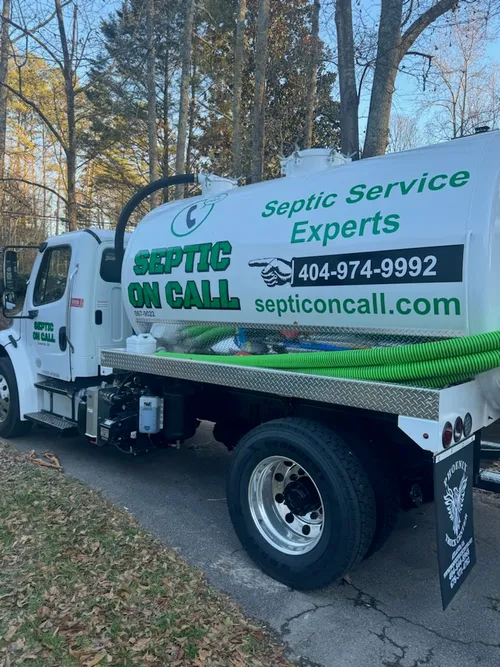
Septic On Call
2180 Satellite Blvd NW #400, Duluth, GA 30097
Septic On Call is a septic tank service provider based in Atlanta, GA. The company offers a range of services including septic tank pumping, inspections, repairs, and installation of septic tanks and drainfields. They provide thorough cleaning and maintenance to help prevent costly repairs and ensure proper system function. Septic On Call also specializes in diagnosing and repairing septic system issues, from minor leaks to major damage. The company offers 24/7 emergency services for septic tank problems and backups, responding quickly to urgent repair needs.
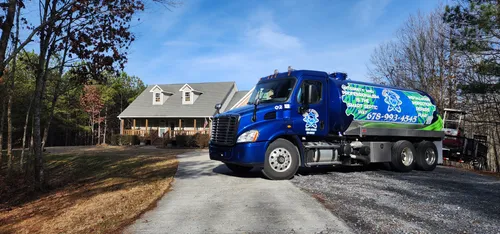
Smart Septic Pros
210 Holt Ct, Acworth, GA 30101
Smart Septic Pros is a septic tank pumping, inspection, and repair company based in South Fulton, GA. They provide thorough septic system maintenance aimed at reducing odors and sludge build-up to support healthier effluent discharge. With over a decade of experience and more than 1,000 tanks serviced, they handle everything from routine inspections to resolving solid blockages to maintain proper septic function. Their services focus on ensuring safety, compliance, and reliable waste management for homes in the area.
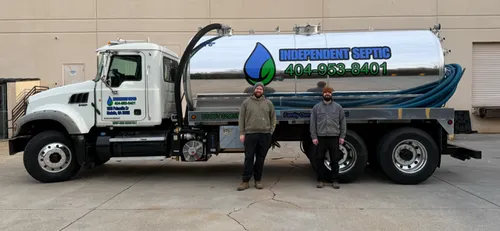
Independent Septic and Sewer LLC
Atlanta, GA
Independent Septic and Sewer LLC is a family-owned business serving Atlanta, GA, and surrounding counties. They provide septic tank pumping, cleaning, inspection, repair, and installation services for residential and commercial properties. With over 20 years of experience, the company offers expertise in diagnosing and repairing septic system issues, including drain field repairs and sewer line maintenance. They also provide a 10-year warranty on repairs and handle all necessary permits and building code requirements. Their services include thorough septic tank pumping that removes both liquids and solids, as well as hydro jetting and camera inspections when needed.
Easy Clean Septic
6520 Roswell Rd, Atlanta, GA 30328
Easy Clean Septic is a septic tank service provider based in Atlanta, GA. They offer septic tank pumping, inspection, installation, and repair services to maintain effective septic systems. The company uses modern tools and technology to address a range of septic issues, from minor repairs to full system replacements. Established in 2018 by a team with over 15 years of experience in the plumbing and septic industry, Easy Clean Septic emphasizes integrity and thorough workmanship. Their services include detailed inspections to detect potential problems early and comprehensive repairs to restore system function.
Why Septic System Inspections Are Essential in Cobb County
Your septic system is an out-of-sight, but vital, component of your home. A failing system can lead to sewage backups into your home, contamination of groundwater, and pollution of local waterways like the Chattahoochee River. In Marietta and throughout Cobb County, the Cobb & Douglas Public Health department enforces state rules to manage these risks. Regular septic evaluations are not just about compliance; they are a proactive measure to safeguard your property value and the community's environment. Catching issues early during a routine check can mean the difference between a simple repair and a full, expensive system replacement.
Understanding Local Regulations and Requirements
Septic system oversight in Marietta falls under the Georgia Department of Natural Resources Rules, specifically Chapter 511-3-1, which is administered locally by Cobb & Douglas Public Health 1. Knowing when an inspection is mandated can save you from legal and financial headaches.
- Property Transactions: A septic system assessment is almost always required when selling a home in Marietta. Buyers and lenders demand it to ensure the system is sound before closing.
- New Installations & Major Repairs: Any new system installation or significant repair must be permitted and inspected by the health department to meet code.
- Routine Maintenance: While Georgia law may not mandate annual inspections for all systems, Cobb & Douglas Public Health and the EPA strongly recommend them. For systems with electrical components like pumps or alarms, an annual check is crucial.
The Step-by-Step Inspection Process
A thorough septic tank inspection conducted by a licensed professional is a detailed process. It goes far beyond just looking at the tank. Here's what you can expect when you schedule a comprehensive system evaluation:
- Locating and Uncovering: The inspector will locate the tank and distribution box, which often requires digging to uncover the access lids.
- Pumping the Tank: For a full inspection, the tank is typically pumped out. This allows the inspector to see the interior walls clearly and measure sludge accumulation.
- Interior Tank Inspection: Once empty, the inspector checks the tank's concrete or fiberglass walls for cracks, leaks, or structural damage. The integrity of the tank is fundamental to preventing groundwater contamination.
- Baffle and Tee Inspection: The inlet baffle (where waste enters) and outlet baffle (where liquid exits to the drain field) are examined for damage or blockage. These components are critical for proper separation and treatment.
- Sludge and Scum Measurement: The inspector measures the depth of the sludge layer at the bottom and the scum layer at the top. This determines how full the tank is and informs the recommended pumping schedule.
- Drain Field Evaluation: The inspector assesses the drain field (or leach field) for signs of failure. This includes checking for soggy soil, foul odors, or surfacing sewage, which indicate the field is not properly absorbing liquid effluent.
- System Function Test: To check for proper flow and drainage, the inspector may run water through household fixtures and observe the system's response, ensuring there is no backup or slow drainage.
- Detailed Report: After the evaluation, you should receive a written report detailing the condition of every component, any issues found, and recommended actions or maintenance schedules 2.
Find the perfect septic tank inspection companies for your needs
Get personalized recommendations and expert advice
What Influences the Cost of an Inspection?
The price for a septic system check in Marietta can vary based on the scope of service and system characteristics. It's important to get detailed quotes from licensed contractors.
- Inspection-Only Service: If the tank does not need pumping, a visual inspection and report typically range from $250 to $600 3.
- Combined Inspection and Pumping: Most comprehensive inspections include pumping. This combined service generally costs between $300 and $600 or more, with the final price depending on tank size (e.g., 1,000-gallon vs. 1,500-gallon) and how easy it is to access the tank lids 4 5.
- Additional Factors: Costs can increase if the tank lids are buried deep, if a camera scope of the lines is needed, or if the inspection reveals issues that require further diagnosis. Remember, any major repairs will require a separate permit from the health department 6.
How to Maintain Your System Between Inspections
Professional inspections are key, but homeowner diligence is what keeps a system healthy for years. Following these best practices can extend your system's life and prevent emergencies:
- Mind Your Setbacks: Know where your system components are located. Georgia regulations require septic tanks and drain fields to be at least 50 feet from wells, springs, or streams 7.
- Protect the Area: Never drive or park vehicles over the tank or drain field, and avoid building structures like sheds or patios on top of them. The pressure can crush pipes and compact the soil.
- Conserve Water: Use water-efficient fixtures and spread out laundry loads to avoid overwhelming the system with a large volume of water at once.
- Watch What You Flush: Only human waste and toilet paper should go down the drain. Avoid flushing wipes (even "flushable" ones), feminine hygiene products, cooking grease, coffee grounds, and harsh chemicals, as they can clog pipes and disrupt the bacterial balance in the tank 8 9.
- Keep Records: Maintain a file of all inspection reports, pumping receipts, and repair permits. This is invaluable for troubleshooting and is essential documentation if you sell your home.
Finding a Qualified Septic Professional in Marietta
Always ensure your septic service is performed by a certified and licensed sewage contractor 10. Licensed professionals understand local Cobb County codes, can pull necessary permits for repairs, and their work will be recognized by the health department. When choosing a provider, ask for proof of licensing, get detailed written estimates, and check reviews from other local homeowners.
Frequently asked questions
Sources
Footnotes
-
GA R&R - GAC - Subject 511-3-1 ON-SITE SEWAGE MANAGEMENT SYSTEMS - https://rules.sos.ga.gov/gac/511-3-1 ↩
-
Septic System Inspection Marietta GA: What to Look forward to - https://atlantaseptictankpros.com/septic-system-inspection-marietta-ga/ ↩
-
Septic Tank Inspection: A Guide - https://www.petesoutflow.com/septic-tank-inspection-a-guidee01bcb81 ↩
-
Complete Guide to Septic Inspection in Georgia - https://dandhsepticservices.com/septic-inspection-in-georgia/ ↩
-
Septic Tank Inspection in Marietta - https://www.septicblue.com/septic-inspection-in-marietta-atlanta-p-24.html ↩
-
Sewage/Septic Systems - Northeast Health District - https://northeasthealthdistrict.org/services/environmental-health/sewage-septic-systems/ ↩
-
Ga. Comp. R. & Regs. R. 511-3-1-.05 - Septic Tanks - https://www.law.cornell.edu/regulations/georgia/Ga-Comp-R-Regs-R-511-3-1-.05 ↩
-
homeowner's guide - to septic system maintenance - https://northgeorgiawater.org/wp-content/uploads/2017/10/SepticTankKit-MNGWPD.pdf ↩
-
Residential-Study-Guide.pdf - GNR Health - https://gnrhealth.com/wp-content/uploads/2012/01/Residential-Study-Guide.pdf ↩
-
Frequent Questions on Septic Systems | US EPA - https://www.epa.gov/septic/frequent-questions-septic-systems ↩