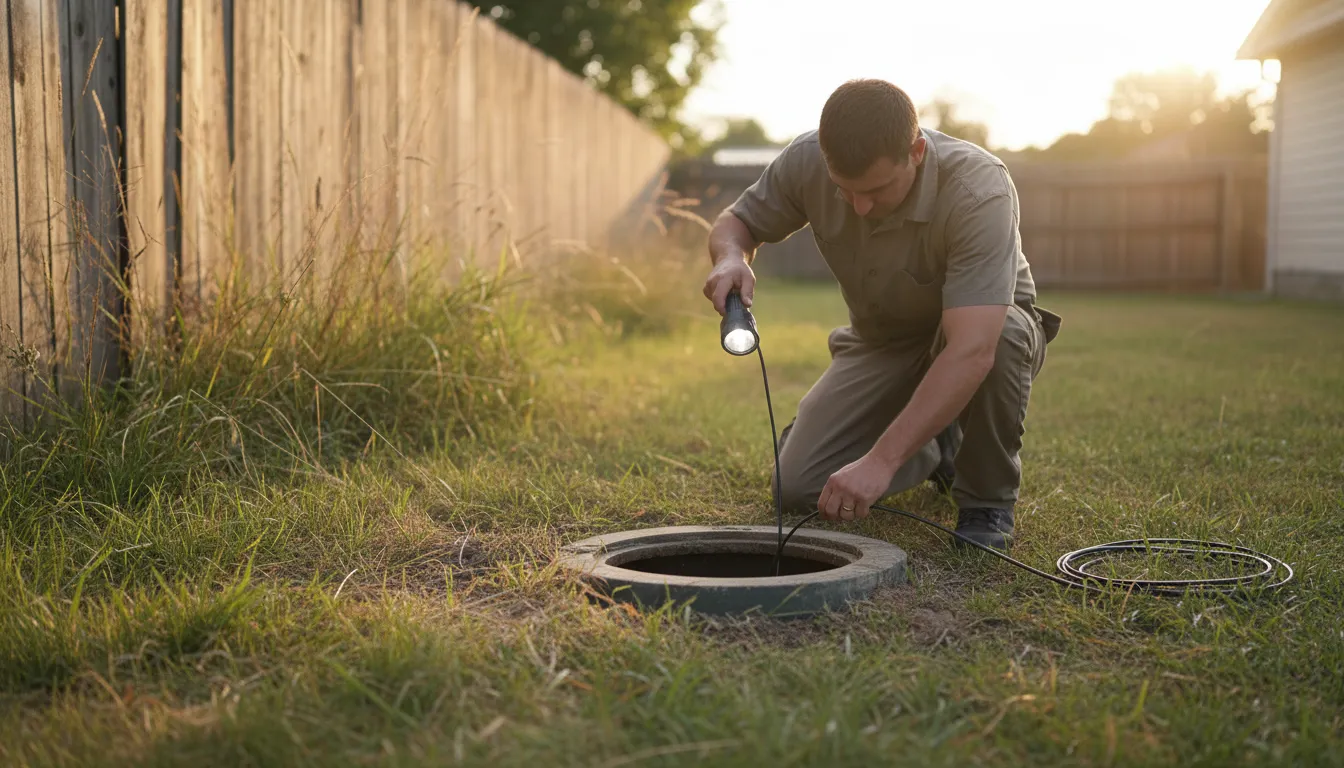
Find the Best Septic Tank Inspection Companies for Your Business
No obligation • Fast responses • Nationwide coverage

Why you can trust Septic Spot
Septic Spot is a leading United States resource for understanding and comparing septic services. Our editors review providers using consistent criteria and verify key business details. Listings and scores are independent, and companies cannot pay to influence our content.
Search providers near you
Top Septic Tank Inspection Companies in Peachtree Corners, Georgia Ranked
A septic tank inspection is a professional evaluation of your on-site sewage management system to ensure it is functioning safely and efficiently. In Peachtree Corners, these assessments are crucial for protecting your property value, complying with local health regulations, and preventing costly environmental contamination. This guide will help you understand the process, requirements, and how to connect with qualified local professionals for your system evaluation.
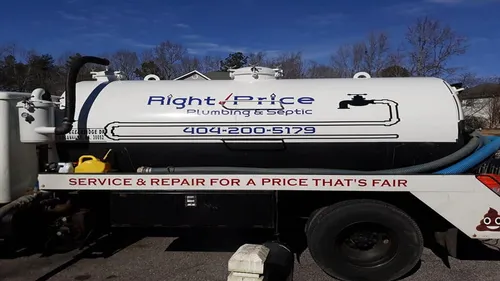
Right Price Plumbing and Septic
Atlanta, GA
Right Price Plumbing and Septic is a local, family-owned company serving Atlanta, GA, and surrounding counties. They provide a range of residential and commercial plumbing and septic services, including septic tank pumping, inspection, repair, and installation. The company also offers drain inspection, emergency plumbing, and water heater repair. They are known for their comprehensive service options and have experience handling various plumbing and septic system needs. Right Price Plumbing and Septic serves multiple counties in Georgia and offers financing options to customers.
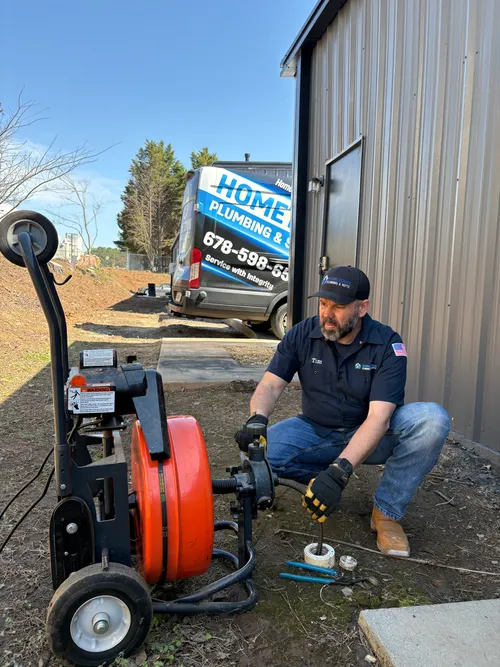
Hometown Plumbing and Septic
3375 Hutchinson Rd, Cumming, GA 30040
Hometown Plumbing and Septic provides professional septic services in South Fulton, GA, and the surrounding Metro Atlanta and North Georgia areas. They specialize in septic tank pumping, inspections, repairs, and complete system replacements for both residential and commercial properties. Their services also include drain field repair and lift station maintenance. With decades of experience and advanced equipment, they handle complex septic system issues with precision. They serve multiple counties including Barrow, Cherokee, Cobb, and others, offering preventative maintenance to help avoid emergency repairs.
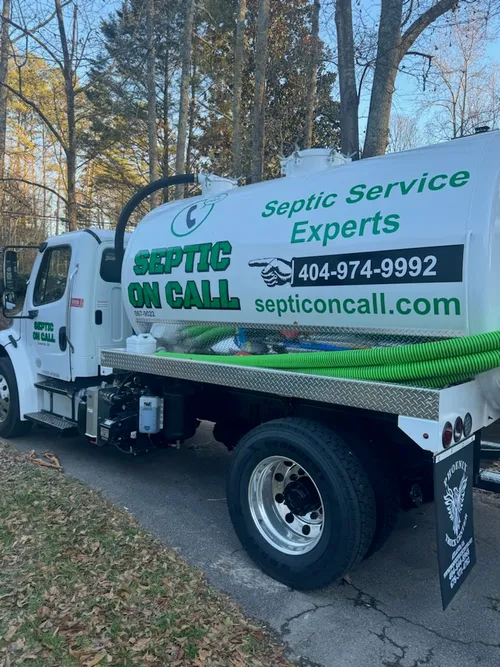
Septic On Call
2180 Satellite Blvd NW #400, Duluth, GA 30097
Septic On Call is a septic tank service provider based in Atlanta, GA. The company offers a range of services including septic tank pumping, inspections, repairs, and installation of septic tanks and drainfields. They provide thorough cleaning and maintenance to help prevent costly repairs and ensure proper system function. Septic On Call also specializes in diagnosing and repairing septic system issues, from minor leaks to major damage. The company offers 24/7 emergency services for septic tank problems and backups, responding quickly to urgent repair needs.
Smart Septic Pros
210 Holt Ct, Acworth, GA 30101
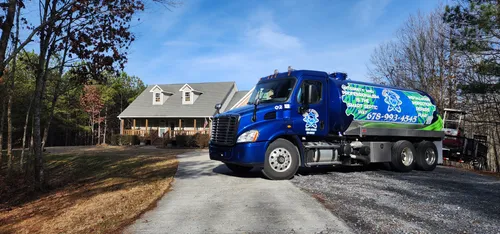
Smart Septic Pros is a septic tank pumping, inspection, and repair company based in South Fulton, GA. They provide thorough septic system maintenance aimed at reducing odors and sludge build-up to support healthier effluent discharge. With over a decade of experience and more than 1,000 tanks serviced, they handle everything from routine inspections to resolving solid blockages to maintain proper septic function. Their services focus on ensuring safety, compliance, and reliable waste management for homes in the area.
Independent Septic and Sewer LLC
Atlanta, GA
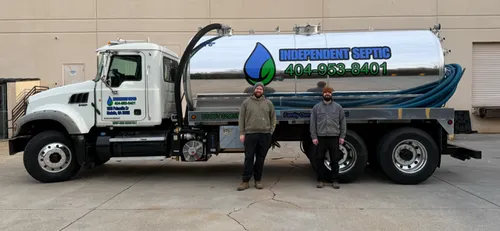
Independent Septic and Sewer LLC is a family-owned business serving Atlanta, GA, and surrounding counties. They provide septic tank pumping, cleaning, inspection, repair, and installation services for residential and commercial properties. With over 20 years of experience, the company offers expertise in diagnosing and repairing septic system issues, including drain field repairs and sewer line maintenance. They also provide a 10-year warranty on repairs and handle all necessary permits and building code requirements. Their services include thorough septic tank pumping that removes both liquids and solids, as well as hydro jetting and camera inspections when needed.
Why Septic System Inspections Are Essential in Gwinnett County
Regular septic system evaluations are not just a good idea-they are often a legal requirement. In Peachtree Corners and throughout Gwinnett County, septic systems must comply with rules set by the Georgia Department of Public Health (DPH). A failing system can lead to sewage backing up into your home or contaminating groundwater, posing serious public health risks. For homeowners, a clean inspection report is vital during property transfers, before major repairs, or when applying for permits to add onto your home. Proactive maintenance, which includes periodic inspections, is the most effective way to avoid emergency failures and expensive repairs down the line.
Understanding Local Regulations and Requirements
Navigating the rules for on-site sewage systems in Georgia is key for any Peachtree Corners homeowner.
- Licensed Professionals: All septic system repairs, installations, and pumpings must be performed by a contractor licensed by the state of Georgia 1. This ensures the work meets specific safety and construction standards.
- Inspection Triggers: While routine maintenance is recommended every 3-5 years, a formal system inspection is typically required during real estate transactions, if you suspect a problem, or before the county will approve a repair permit 2.
- System Standards: Georgia regulations specify that septic tanks must be a minimum of 1,000 gallons and are generally designed as two-compartment tanks. An approved effluent filter is also required to be installed on the outlet end to protect the drainfield 3.
The Step-by-Step Septic Inspection Process
A thorough septic tank assessment involves much more than just looking into the tank. Here's what you can expect a licensed professional to do during a comprehensive evaluation in Peachtree Corners.
- Locate the Tank and Drainfield: The inspector will first probe the ground to find the buried septic tank, which is typically located at least 10 feet from your dwelling, and identify the absorption field area.
- Uncover and Open Inspection Lids: The technician will excavate to remove dirt and open both the inlet and outlet access lids on the tank. This provides access to the interior compartments.
- Pump and Clean the Tank: For a full inspection, the tank is pumped out. This allows the inspector to clearly examine the tank's interior for structural integrity, including checking for cracks, corrosion, or other damage.
- Check Baffles and Filters: The T-shaped inlet and outlet baffles are inspected to ensure they are intact and functioning correctly. The effluent filter will be removed, cleaned, and checked for proper operation 4.
- Evaluate the Drainfield: The inspector will examine the soil absorption field for signs of failure, such as soggy, spongy soil or the surfacing of sewage, which indicate the system is not properly treating and dispersing wastewater 5.
- Provide Documentation: A critical final step is receiving a detailed written report on the system's condition. This report is necessary for real estate transactions and permit applications.
What Influences the Cost of an Inspection?
The price for a septic system evaluation in Peachtree Corners can vary based on the scope of service and system characteristics. Here's a general breakdown:
- Visual Inspection (Without Pumping): This basic check costs approximately $200 to $350. It may involve locating the tank and a limited visual assessment but does not include a full interior examination.
- Full Inspection (With Pumping): The most common and recommended service, a full inspection with pumping, typically ranges from $400 to $600 on average. This provides a complete picture of your system's health.
- Detailed or Real Estate Inspection: For more complex systems or detailed reports required for closing, costs can reach $900 or more. Factors like deeply buried tank lids (over 18 inches deep) can also increase labor costs 6 7.
Find the perfect septic tank inspection companies for your needs
Get personalized recommendations and expert advice
Maintaining Your System Between Inspections
A septic system evaluation is a snapshot of its health. To keep it functioning well for years, consistent maintenance is required. The Georgia Department of Public Health and Gwinnett County recommend having your tank pumped and inspected every 3 to 5 years, depending on household size and usage 8 9. Be mindful of what you flush or pour down drains-avoid grease, harsh chemicals, and non-biodegradable items. Also, protect your drainfield by not parking vehicles on it or planting trees with deep roots nearby. Simple habits can significantly extend the life of your system and prevent malfunctions.
Choosing a Qualified Inspection Service
Since Georgia law requires licensed contractors for this work, verifying credentials is your first step. Look for professionals who hold a current license from the Georgia Department of Public Health. Ask for references and ensure they provide a comprehensive written report, not just a verbal okay. A reputable inspector will be able to explain local Gwinnett County requirements clearly and outline exactly what their inspection will cover. Don't base your decision on price alone; the cheapest option may not provide the thorough evaluation needed to uncover potential issues.
Signs You May Need an Inspection Sooner
Don't wait for your scheduled maintenance if you notice warning signs. Contact a licensed septic inspector in Peachtree Corners if you experience:
- Sewage backups in your home's drains or toilets.
- Gurgling sounds in your plumbing.
- Unpleasant odors around the tank or drainfield area.
- Exceptionally lush or soggy grass over the drainfield, especially when it hasn't rained.
- Slow-draining sinks and showers. Addressing these problems quickly can prevent more extensive environmental damage and higher repair costs.
Frequently asked questions
Sources
Footnotes
-
GA R&R - GAC - Subject 511-3-1 ON-SITE SEWAGE MANAGEMENT SYSTEMS - https://rules.sos.ga.gov/gac/511-3-1 ↩
-
Residential-Study-Guide.pdf - GNR Health - https://gnrhealth.com/wp-content/uploads/2012/01/Residential-Study-Guide.pdf ↩
-
Georgia Septic Tank Requirements | On-Site Sewage Management ... - https://www.ntotank.com/blog/georgia-septic-tank-requirements ↩
-
Septic Systems | DeKalb Public Health - https://dekalbpublichealth.com/environmental-health/septic-systems/ ↩
-
HOMEOWNERPS GUIDE - to Septic SyStem maintenance - https://www.gwinnettcounty.com/static/departments/publicutilities/pdf/SepticTankKit.pdf ↩
-
Complete Guide to Septic Inspection in Georgia - https://dandhsepticservices.com/septic-inspection-in-georgia/ ↩
-
How Much Does a Septic Inspection Cost? [2026 Data] | Angi - https://www.angi.com/articles/septic-inspection-cost.htm ↩
-
Homeowner's Guide to Septic System Maintenance - https://www.gwinnettcounty.com/static/departments/water/pdf/Septic_Kit.pdf ↩
-
A HOMEOWNER'S GUIDE TO ON-SITE SEWAGE ... - https://dph.georgia.gov/document/document/guide-septic-tanks/download ↩