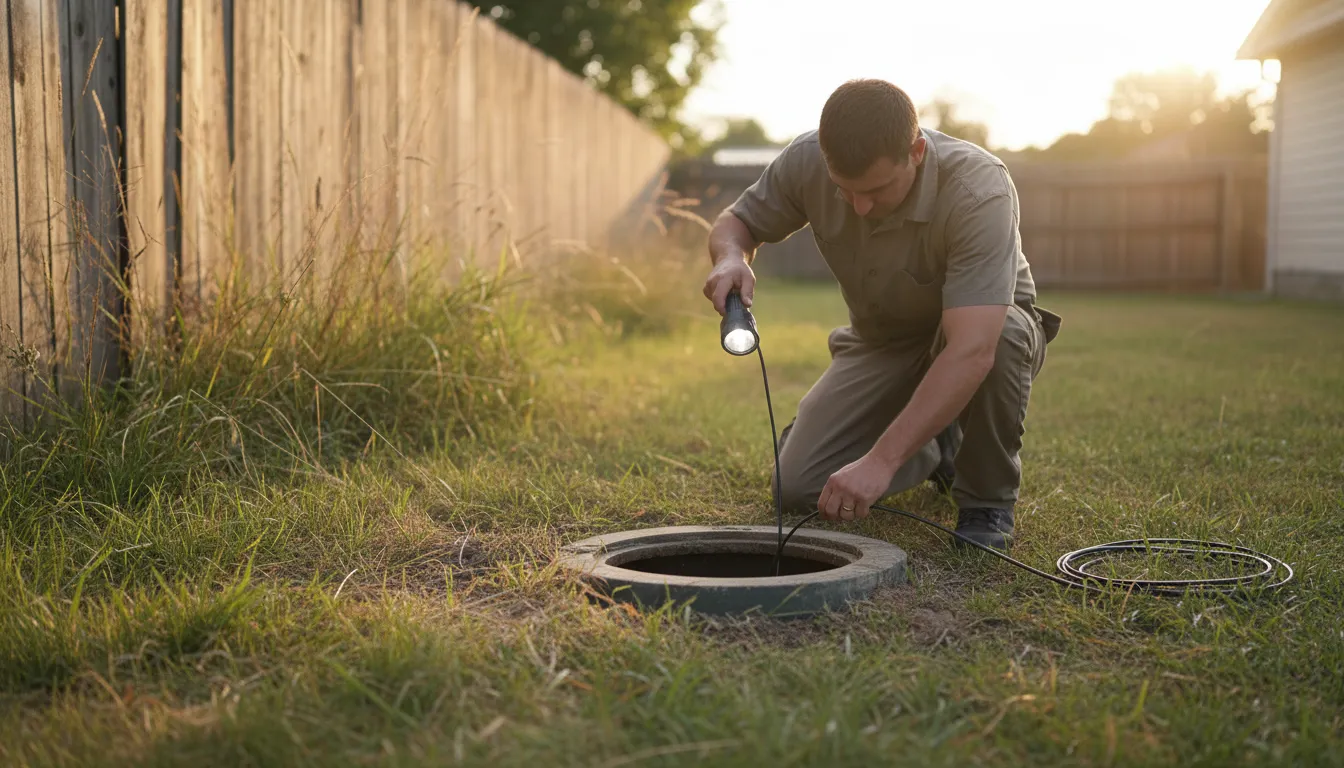
Find the Best Septic Tank Inspection Companies for Your Business
No obligation • Fast responses • Nationwide coverage

Why you can trust Septic Spot
Septic Spot is a leading United States resource for understanding and comparing septic services. Our editors review providers using consistent criteria and verify key business details. Listings and scores are independent, and companies cannot pay to influence our content.
Search providers near you
Top Septic Tank Inspection Companies in Smyrna, Georgia Ranked
A septic tank inspection is a critical evaluation of your home's on-site wastewater treatment system to ensure it is functioning safely and efficiently. In Smyrna, these assessments are vital for protecting your property value, preventing environmental contamination, and avoiding costly emergency repairs. This guide will help you understand the process, local requirements, and how to find qualified professionals for your septic system evaluation.
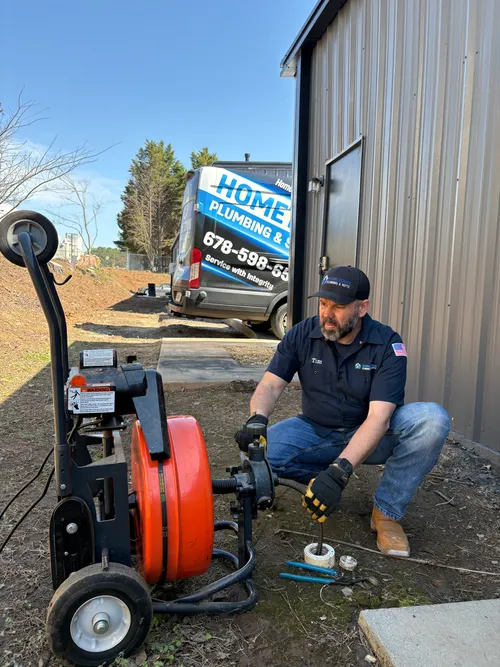
Hometown Plumbing and Septic
3375 Hutchinson Rd, Cumming, GA 30040
Hometown Plumbing and Septic provides professional septic services in South Fulton, GA, and the surrounding Metro Atlanta and North Georgia areas. They specialize in septic tank pumping, inspections, repairs, and complete system replacements for both residential and commercial properties. Their services also include drain field repair and lift station maintenance. With decades of experience and advanced equipment, they handle complex septic system issues with precision. They serve multiple counties including Barrow, Cherokee, Cobb, and others, offering preventative maintenance to help avoid emergency repairs.
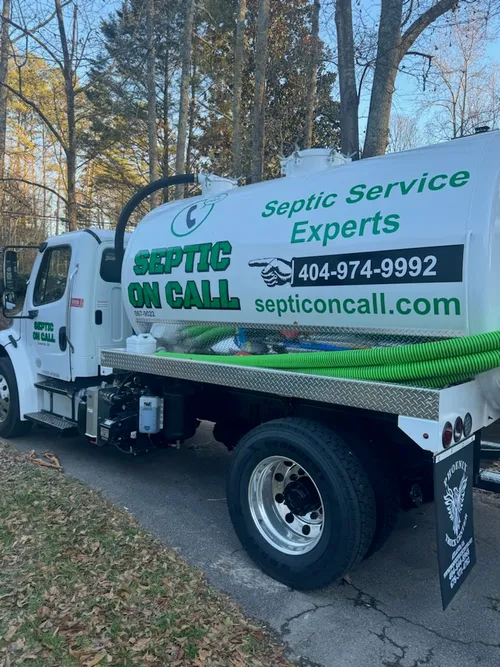
Septic On Call
2180 Satellite Blvd NW #400, Duluth, GA 30097
Septic On Call is a septic tank service provider based in Atlanta, GA. The company offers a range of services including septic tank pumping, inspections, repairs, and installation of septic tanks and drainfields. They provide thorough cleaning and maintenance to help prevent costly repairs and ensure proper system function. Septic On Call also specializes in diagnosing and repairing septic system issues, from minor leaks to major damage. The company offers 24/7 emergency services for septic tank problems and backups, responding quickly to urgent repair needs.
Smart Septic Pros
210 Holt Ct, Acworth, GA 30101
Smart Septic Pros is a septic tank pumping, inspection, and repair company based in South Fulton, GA. They provide thorough septic system maintenance aimed at reducing odors and sludge build-up to support healthier effluent discharge. With over a decade of experience and more than 1,000 tanks serviced, they handle everything from routine inspections to resolving solid blockages to maintain proper septic function. Their services focus on ensuring safety, compliance, and reliable waste management for homes in the area.
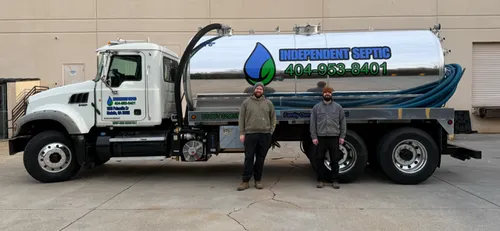
Independent Septic and Sewer LLC
Atlanta, GA
Independent Septic and Sewer LLC is a family-owned business serving Atlanta, GA, and surrounding counties. They provide septic tank pumping, cleaning, inspection, repair, and installation services for residential and commercial properties. With over 20 years of experience, the company offers expertise in diagnosing and repairing septic system issues, including drain field repairs and sewer line maintenance. They also provide a 10-year warranty on repairs and handle all necessary permits and building code requirements. Their services include thorough septic tank pumping that removes both liquids and solids, as well as hydro jetting and camera inspections when needed.
Easy Clean Septic
6520 Roswell Rd, Atlanta, GA 30328
Easy Clean Septic is a septic tank service provider based in Atlanta, GA. They offer septic tank pumping, inspection, installation, and repair services to maintain effective septic systems. The company uses modern tools and technology to address a range of septic issues, from minor repairs to full system replacements. Established in 2018 by a team with over 15 years of experience in the plumbing and septic industry, Easy Clean Septic emphasizes integrity and thorough workmanship. Their services include detailed inspections to detect potential problems early and comprehensive repairs to restore system function.
Why Septic System Inspections Matter in Cobb County
Your septic system is an out-of-sight but essential component of your home. In Smyrna, properties not connected to the municipal sewer rely on these systems to treat household wastewater. A failing system can lead to sewage backups into your home, contamination of local groundwater, and violations of state health codes. Regular inspections are the most effective way to catch minor issues before they become major, health-hazardous problems. For homeowners, a clean inspection report is also often a prerequisite during a property sale, providing peace of mind to both buyer and seller.
Local Regulations: Cobb County and Georgia State Rules
Septic system oversight in Smyrna falls under the jurisdiction of Cobb County Environmental Health, which enforces Georgia state regulations, specifically Chapter 511-3-1 governing On-Site Sewage Management Systems 1. These rules dictate everything from system design and installation distances from water sources to maintenance responsibilities.
Key regulatory points for Smyrna homeowners include:
- Permits are mandatory for any new installation, repair, or modification of a septic system.
- Inspections must be performed by qualified professionals. While the state doesn't license "septic inspectors" separately, the work is typically done by licensed septic contractors, professional engineers, or certified soil classifiers.
- Property owners are legally responsible for ensuring their system does not create a nuisance or pollute groundwater2 3.
- Pumping must be performed by a licensed contractor, and records should be kept for reference4.
It's always recommended to contact Cobb County Environmental Health directly for the most current and property-specific guidance.
What Does a Professional Septic Inspection Involve?
A comprehensive septic system evaluation is more than just a quick look. A qualified professional will perform a multi-step process to assess the health of the entire system, from the tank to the drain field.
1. Locating and Accessing the System The inspector will first locate the septic tank and distribution box, then safely excavate and open the manhole covers or inspection ports. Knowing the exact location of your tank and drain field is valuable information for any homeowner.
2. Tank Structural Inspection The concrete, fiberglass, or plastic tank is examined for cracks, leaks, corrosion (in metal components), and overall structural integrity. Any compromise can allow untreated wastewater to escape or groundwater to seep in.
3. Baffle and Tee Inspection Inlet and outlet baffles (or tees) are critical components that prevent scum (floating fats/oils) and sludge (settled solids) from exiting the tank and clogging the drain field. The inspector checks that they are securely in place and intact.
4. Sludge and Scum Measurement This is a core part of the inspection. Using specialized tools, the inspector measures the depth of the sludge layer at the bottom and the scum layer at the top. If the combined sludge and scum take up more than one-third of the tank's liquid depth, pumping is immediately needed to maintain proper function 5.
5. Hydraulic Load Test and Dye Test To check the flow and absorption, the inspector may run a significant amount of water through household fixtures to "load" the system. In some cases, a non-staining dye may be added to the water to help identify if there is a surface breakout or failure in the drain field.
6. Drain Field Assessment The inspector will examine the drain field (or leach field) area for signs of failure. Warning signs include overly soggy soil, foul odors, or unusually lush and green vegetation over the field lines-all indicators that effluent is not properly percolating through the soil6.
Find the perfect septic tank inspection companies for your needs
Get personalized recommendations and expert advice
Understanding Inspection Costs in Smyrna
The cost of a septic inspection in Smyrna is an investment in your property's health. Prices can vary based on the size of the tank, the complexity of the system, and the extent of the inspection.
- Standard Inspection: A thorough visual and mechanical inspection typically ranges from $400 to $600 7.
- Septic Tank Pumping: If the inspection reveals a full tank, pumping is a separate service. Pumping costs vary by tank size but often range from $300 to $600 or more per visit8 9.
- Combined Service: Many companies offer an inspection and pumping bundle, which can be more cost-effective than scheduling each service separately.
Remember, while cost is a factor, the expertise and thoroughness of the inspector are paramount. A cheap, incomplete inspection could miss critical issues leading to far greater expenses down the line.
When is a Septic Inspection Needed?
Proactive maintenance is key. Beyond mandatory times, regular checks keep your system healthy.
- Routine Maintenance: The U.S. Environmental Protection Agency and local guidelines recommend having your system inspected every 1 to 3 years 10.
- Property Transactions: A septic inspection is almost always required or strongly recommended during the sale of a home. It protects the buyer and can be a negotiating point based on the results11.
- Before Major Repairs or Additions: If you're planning a home addition that increases water usage or considering significant landscape changes over your drain field, an inspection is wise.
- Signs of Trouble: If you notice slow drains, gurgling pipes, sewage odors, or wet spots in your yard, schedule an inspection immediately.
Choosing a Qualified Service Provider in Smyrna
Selecting the right professional is crucial for an accurate assessment. Look for providers with:
- Proper Licensing: Ensure they are licensed by the state of Georgia for septic system work (installation, repair, pumping).
- Local Experience: Familiarity with Cobb County soil types, regulations, and common system designs is a significant advantage.
- Detailed Reporting: They should provide a clear, written report with photos, measurements, and specific recommendations.
- Good References: Ask for and check references from past clients in the Smyrna area.
By using the information on this page, you can identify and compare local experts who can perform this essential service.
Maintaining Your System Between Inspections
A good inspection includes maintenance advice. To extend your system's life:
- Pump Regularly: Based on inspection findings, pump your tank every 3 to 5 years, or as needed12.
- Conserve Water: Spread out laundry loads and fix leaky faucets to avoid overwhelming the drain field.
- Mind What You Flush: Only human waste and toilet paper should go down the drain. Avoid chemicals, grease, wipes (even "flushable" ones), and feminine hygiene products.
- Protect the Drain Field: Never park vehicles or build structures over it. Direct rainwater runoff away from the area.
Frequently asked questions
Sources
Footnotes
-
GA R&R - GAC - Subject 511-3-1 ON-SITE SEWAGE MANAGEMENT SYSTEMS - https://rules.sos.ga.gov/gac/511-3-1 ↩
-
Background and Use of Onsite Wastewater Treatment Systems in ... - https://dph.georgia.gov/document/document/background-and-use-onsite-wastewater-treatment-systems-ga/download ↩
-
Sewage/Septic Systems - Northeast Health District - https://northeasthealthdistrict.org/services/environmental-health/sewage-septic-systems/ ↩
-
Residential-Study-Guide.pdf - GNR Health - https://gnrhealth.com/wp-content/uploads/2012/01/Residential-Study-Guide.pdf ↩
-
Septic Tank Inspections: What You Should Know - https://grumpspumps.com/septic-services/septic-tank-inspections/ ↩
-
How to Get Septic to Pass Inspection - https://www.guardianangelinspections.com/how-to-get-septic-to-pass-inspection ↩
-
How Much Does a Septic Inspection Cost? [2026 Data] | Angi - https://www.angi.com/articles/septic-inspection-cost.htm ↩
-
Septic System Inspections in Acworth, GA - CityWIDE Plumbing - https://www.citywideplumbing.com/septic-inspections/ ↩
-
2026 Septic Inspection Costs | Tank, System, & Title 5 - https://homeguide.com/costs/septic-tank-inspection-cost ↩
-
Frequent Questions on Septic Systems | US EPA - https://www.epa.gov/septic/frequent-questions-septic-systems ↩
-
Septic System Inspection: Costs, Precautions, and More - https://www.realtor.com/advice/sell/is-the-seller-obligated-to-get-a-septic-system-inspection-on-a-home/ ↩
-
Georgia Septic System Guide: Regulations & Maintenance Tips - https://smartsepticpros.com/blog/georgia-septic-system-regulations/ ↩