
Find the Best Septic Tank Installation & Replacement Contractors for Your Business
No obligation • Fast responses • Nationwide coverage

Why you can trust Septic Spot
Septic Spot is a leading United States resource for understanding and comparing septic services. Our editors review providers using consistent criteria and verify key business details. Listings and scores are independent, and companies cannot pay to influence our content.
Search providers near you
Top Septic Tank Installation & Replacement Contractors in Akron, Ohio Ranked
Installing or replacing a septic system is a significant home improvement project that ensures safe wastewater treatment and protects your property value and local groundwater. In Akron, this process is carefully regulated to ensure public and environmental health. This guide explains the key steps, regulations, and costs for septic system work in Summit County, helping you understand what to expect and how to connect with qualified local professionals.
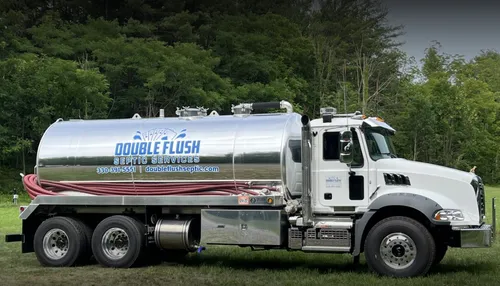
Double Flush Septic Services
2481 Remsen Rd, Medina, OH 44256
Double Flush Septic Services is a family-owned company based in Medina, OH, providing septic system installation, pumping, inspection, and repair services throughout Akron and the surrounding Northeast Ohio counties. They serve a broad area including Medina, Summit, Stark, Wayne, and Cuyahoga counties, offering expertise in maintaining and repairing septic tanks, drain fields, and aeration systems such as Norweco, Hydro-Action, and Marlow-Hunter. The company also provides emergency septic services and commercial grease trap cleaning, with capabilities like hydro jetting and drain snaking to address severe blockages. Double Flush Septic Services emphasizes local knowledge of Ohio's climate and soil conditions to support system longevity and functionality.
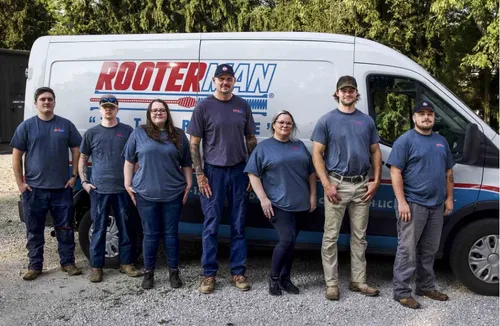
Rooter Man
195 Potomac Ave Unit B, Tallmadge, OH 44278
Rooter Man is a family-owned plumbing company serving Akron, OH, and surrounding areas including Summit, Stark, and Portage counties. They offer a wide range of services including septic tank pumping, inspection, repair, and installation, along with drain cleaning, sewer line repair, and water heater services. With over 50 years of experience, Rooter Man uses advanced tools such as hydro jetting and video pipe inspections to address plumbing and septic system issues efficiently. The company provides emergency service seven days a week to handle urgent plumbing needs.
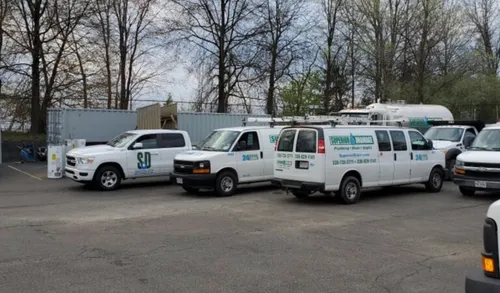
Superior Drainage
900 Killian Rd, Akron, OH 44312
Superior Drainage is a full-service plumbing company based in Akron, OH, offering residential, commercial, municipal, and septic system services. They provide septic tank pumping, repairs, and installation, along with hydro jetting and trench sewer line repair to maintain efficient wastewater management. Serving Northeast Ohio, including Summit, Portage, Stark, and Medina counties, Superior Drainage has been operating since 1996. Their team is experienced in handling a wide range of plumbing needs, from water heater installations to sewer line maintenance, with a focus on regulatory compliance and environmental safety.
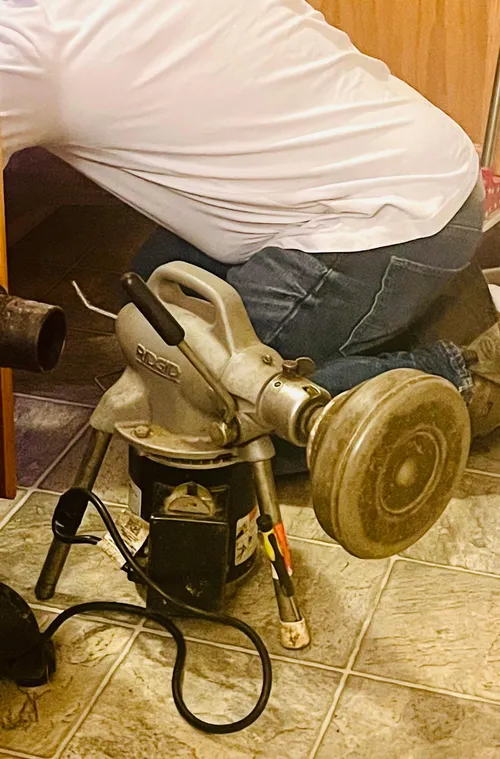
Lehman Drain & Septic
13014 Duquette Ave NE, Hartville, OH 44632
Lehman Drain & Septic is a family-owned company based near Akron, OH, providing septic system services including pumping, inspections, repairs, and installations. They serve the communities of Stark, Portage, and Summit counties, offering both scheduled and emergency services. The company is licensed, insured, and bonded, with capabilities such as camera inspections and septic pump repairs. Lehman Drain & Septic operates a 24-hour emergency service to address urgent septic and plumbing needs.

A & P Septic LLC
Cleveland, OH
A & P Septic LLC provides septic system installation, cleaning, repair, and maintenance services in Cleveland, OH. They serve Northeast Ohio with septic tank pumping, inspections, sewer line work, and excavation. The company emphasizes preventative maintenance to help avoid costly repairs and system failures. Their team is experienced in handling septic and aeration systems, water lines, and designed mounds, offering comprehensive septic solutions.
Understanding Akron's Septic System Regulations
All sewage treatment system (STS) work in Akron and Summit County falls under the jurisdiction of Summit County Public Health (SCPH) and must comply with the Ohio Administrative Code 3701-29 1. Whether you're building a new home on a lot without municipal sewer access or replacing a failing system, you cannot begin any excavation or installation without first obtaining the proper permit from the health department. These rules are in place to prevent groundwater contamination and ensure systems are designed to last, which is especially important given the varied soil conditions in the region.
The Permit Process: Your First Step
A permit is legally required for the installation, alteration, or replacement of any septic system2. The permitting agency, SCPH, will guide you through the application, which typically requires:
- Property details and a site plan.
- Contact information for the homeowner and the licensed installer.
- House plans indicating water fixture counts.
- The proposed system design from a certified contractor 3.
It's crucial to note that a permit is valid for 12 months from its issue date4 5. This means your project must be completed and pass final inspection within that year. Permit fees themselves generally range from $150 to $500, but this is just the administrative cost before any physical work begins.
The Critical Site and Soil Evaluation
Before a system can be designed or a permit issued, a professional Site and Soil Evaluation (SSE) is mandatory6. This is not a step to skip. A certified soil scientist will assess your property's:
- Soil type and percolation rate: How quickly water drains through the soil.
- Topography and slope: The lay of the land.
- Depth to bedrock or seasonal high-water table.
This evaluation determines the size, type, and location of your system. For instance, properties with heavy clay soils-common in parts of Ohio-may require a larger leaching field or a specialized system like an aerobic treatment unit (ATU) instead of a conventional system 7. The SSE report directly informs the engineering design that your contractor will submit for permit approval.
Choosing a Licensed Installation Contractor
In Ohio, all septic system installations must be performed by a contractor registered with the Ohio Department of Health8 9. Hiring a licensed professional is non-negotiable for compliance and quality. These contractors understand local code requirements, can navigate the permit process, and ensure the system is built to the approved design. They are also responsible for scheduling the required inspections at key stages of the installation.
Find the perfect septic tank installation & replacement contractors for your needs
Get personalized recommendations and expert advice
Installation Inspections and Final Approval
The health department doesn't just issue a permit and walk away. Mandatory inspections are conducted to verify the work matches the approved plans 10.
- Pre-construction/Site Review: An inspector may visit to confirm the proposed location.
- Installation Inspection: This occurs during construction, often when the tank is set and the drain field trenches are open, to check materials, depths, and layout.
- Final Inspection: Once installation is complete, a final inspection is required before the system can be put into use. Only after this approval can the system be covered and considered operational11 12.
When is Replacement Necessary?
You may need a full septic system replacement if your existing system is failing. Signs of failure include:
- Sewage backing up into household drains.
- Raw sewage surfacing in your yard.
- Persistent soggy ground or foul odors near the tank or drain field.
- The system being declared non-compliant or failing by a health department inspector.
If a system is deemed failing, the health district will typically require a permit for a replacement system. The process then starts anew with a current site evaluation and new design13.
Understanding Costs in Akron
The total cost for a new septic tank installation or replacement in Akron can vary widely based on soil conditions, system type, and property size. While permit fees are a few hundred dollars, the complete project cost typically ranges from $5,000 to over $15,00014. A conventional system for a standard home might fall in the middle of that range, while systems requiring pumps, sand filters, or aerobic treatment due to poor soil can reach the higher end or beyond. Always get detailed, written estimates from multiple licensed contractors.
Maintenance Starts at Installation
A well-installed system is the foundation for long-term performance. Ohio code emphasizes proper maintenance, and part of a quality installation includes components like effluent filters to protect the drain field from solids15. Your installer should provide you with clear guidance on pumping schedules (generally every 3-5 years) and daily care, such as water conservation and avoiding flushing harmful chemicals, to extend the life of your investment16.
Frequently asked questions
Sources
Footnotes
-
Sewage Treatment Systems - Ohio Department of Health - https://odh.ohio.gov/know-our-programs/sewage-treatment-systems ↩
-
Permitting New Septic System - https://summitcountyhealth.org/permitting-new-septic-system/ ↩
-
City of Akron Plans and Permits - AkronOhio.gov - https://www.akronohio.gov/departments/service/engineering_bureau/plans_permits.php ↩
-
Information for Homeowners - https://odh.ohio.gov/know-our-programs/sewage-treatment-systems/INFORMATION-FOR-HOMEOWNERS ↩
-
Summit County Health Department Inspection - Aeration Septic Inc - https://www.aeration-septic.com/summit-county-septic-insection-regulations/ ↩
-
Guide for Obtaining Permit to Install A Sewage Treatment ... - https://marionpublichealth.org/wp-content/uploads/2021/03/2021-HSTS-Homeowners-Guide.pdf ↩
-
New or Replacement Sewage Treatment Systems - https://www.scph.org/water-quality/new-or-replacement-sewage-treatment-systems ↩
-
Ohio Septic License & Certification | 2025 Contractor Guide - https://www.servicetitan.com/licensing/septic/ohio ↩
-
Information for Contractors - Ohio Department of Health - https://odh.ohio.gov/know-our-programs/sewage-treatment-systems/INFORMATION-FOR-CONTRACTORS ↩
-
Sewage Treatment Systems - Summit County Public Health - https://www.scph.org/water-quality/sewage-treatment-systems ↩
-
Septic Tank - Understanding Septic Tank Permits and Regulations - https://westcoastsanitationinc.com/understanding-septic-tank-permits-and-regulations/ ↩
-
How to Know if You Need a Septic System Permit - Pippin Home Designs - https://www.pippinhomedesigns.com/septic-system-permit/ ↩
-
Septic Tanks Get New Rules in Ohio - Clear Drain Cleaning - https://cleardraincleaning.com/septic-tanks-get-new-rules-ohio/ ↩
-
Understanding Septic Tank Permits and Regulations - https://westcoastsanitationinc.com/understanding-septic-tank-permits-and-regulations/ ↩
-
Understanding Ohio's Septic System Regulations - https://checkmateohio.com/understanding-ohios-septic-system-regulations/ ↩
-
Septic Tanks: A Comprehensive Guide for Homeowners - https://www.thisoldhouse.com/plumbing/septic-tanks ↩