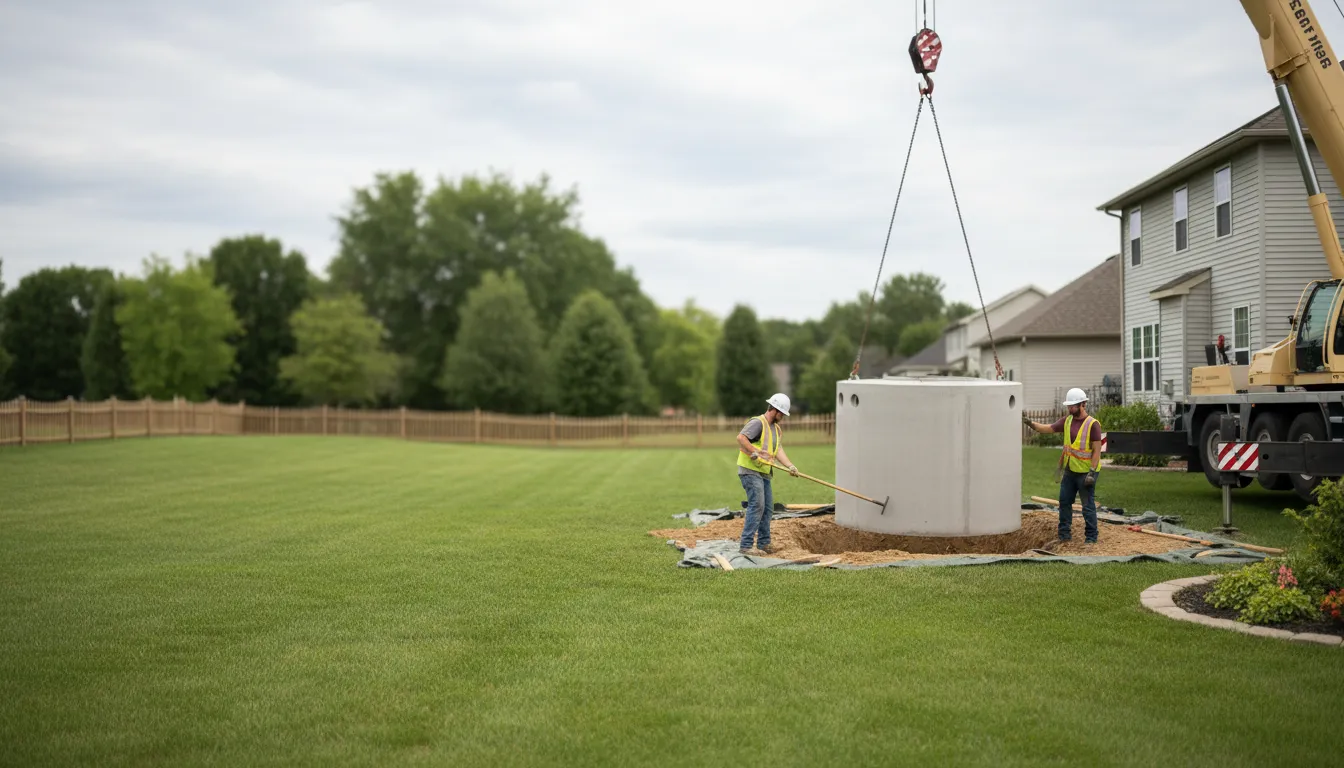
Find the Best Septic Tank Installation & Replacement Contractors for Your Business
No obligation • Fast responses • Nationwide coverage

Why you can trust Septic Spot
Septic Spot is a leading United States resource for understanding and comparing septic services. Our editors review providers using consistent criteria and verify key business details. Listings and scores are independent, and companies cannot pay to influence our content.
Search providers near you
Top Septic Tank Installation & Replacement Contractors in Dayton, Ohio Ranked
Installing or replacing a septic system is a significant home improvement project that ensures the safe and effective treatment of household wastewater. In Dayton and Montgomery County, this process is regulated by local health authorities to protect public health and the environment. Understanding the steps, costs, and local requirements is essential for any homeowner considering a new sewage treatment system. This guide provides the information you need to navigate the process and connect with qualified local professionals for your project.
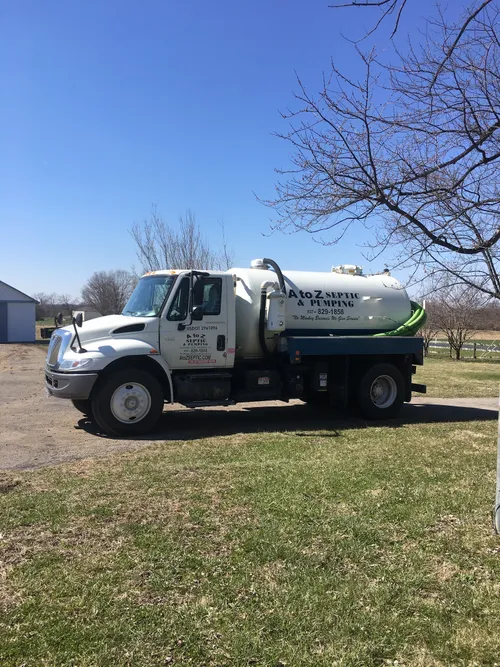
A to Z Septic and Pumping
Dayton, OH
A to Z Septic and Pumping provides a range of septic services in Dayton, OH, including septic tank pumping, inspection, installation, and repair. They also handle drain field repair and grease trap cleaning for both residential and commercial customers. The company offers expertise in maintaining and installing septic systems, ensuring effective wastewater disposal and environmental protection. Their services include emergency septic tank repairs and dumpster rentals for additional waste disposal needs. A to Z Septic and Pumping serves the Dayton area with experienced plumbing professionals who assist customers in managing wastewater safely and efficiently.
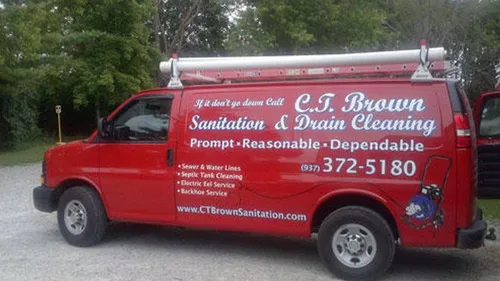
CT Brown Sanitation & Drain Cleaning
Dayton, OH
CT Brown Sanitation & Drain Cleaning is a septic tank pumping, inspection, and installation company serving Dayton, OH, and surrounding areas including Beavercreek and Xenia. With over 60 years of experience, the company provides a range of services such as septic tank cleaning, drain cleaning using electric eel and hydro jetting technology, grease trap maintenance, and full septic system installation including permits and excavation. They offer 24/7 emergency services to handle urgent septic or drainage issues and also provide snow removal during winter months to ensure safe property access.
Understanding Local Regulations and Permits
In Montgomery County, all new installations, alterations, or replacements of a Household Sewage Treatment System (HSTS) require a permit from Public Health - Dayton & Montgomery County. These systems must be designed and installed in compliance with the Ohio Administrative Code 3701-29. A critical first rule is the connection mandate: if a public sanitary sewer line is accessible at your property line, you are legally required to connect to it, and a private septic system will generally not be permitted 1.
For properties where a sewer is not available, a septic system is the standard solution. It's important to note that newer regulations do not force upgrades on existing, functioning systems. A permit for a septic tank replacement is typically only required if the current system is failing or creating a public health nuisance, such as sewage surfacing on the ground 2 3.
The Step-by-Step Installation Process
A successful septic system project follows a defined sequence from evaluation to final approval.
1. Site and Soil Evaluation
Before any design work begins, a qualified soil scientist must conduct a thorough evaluation of your property. This includes a percolation (perc) test, which measures how quickly water drains through the soil. The results determine the soil's absorption capacity and the seasonal high-water table level, which are the primary factors in deciding what type of system your property can support 4. This report is a mandatory part of your permit application.
2. System Design and Planning
Based on the soil report, a registered septic system designer will create a detailed plan for your system. The design must account for the home's size (number of bedrooms), soil conditions, and local topography. The design will specify whether a conventional gravity-fed system or an advanced alternative system (like a mound or aerobic treatment unit) is necessary 5.
3. Permit Application
The completed design, along with the soil report and the permit application, must be submitted to Public Health - Dayton & Montgomery County. A permit fee is required at this stage; for a standard installation permit, this is often around $574 6. Once issued, the permit is typically valid for 12 months, giving you time to complete the installation 7.
4. Installation and Inspections
With permit in hand, a licensed installer can begin work. The local health department conducts several critical inspections throughout the process:
- Pre-installation/Site Inspection: Verifies the staked location matches the approved plan.
- Open Trench Inspection: Occurs after the septic tank, distribution box, and leach field trenches are dug but before any components are buried. This ensures proper placement, depth, and construction 8.
- Final Inspection: Conducted after the entire system is installed, backfilled, and functional. This is the last step before the system can be put into regular use 9.
5. Operating Permit
After passing the final inspection, the system is approved for use. However, homeowners are then required to obtain an operating permit, which involves a small fee (often starting around $10) and may need periodic renewal 10.
Types of Septic Systems for Dayton Properties
The type of system installed depends almost entirely on the results of the soil evaluation.
- Conventional Gravity System: This is the most common and affordable type, suitable for properties with deep, permeable soil and a low water table. Wastewater flows by gravity from the home to the septic tank and then out to a subsurface leach field.
- Advanced Treatment Systems (ATS): Also called alternative or engineered systems, these are required when soil conditions are poor. Examples include:
- Mound Systems: A constructed sand mound is built above the natural soil grade to provide adequate treatment and dispersal.
- Aerobic Treatment Units (ATUs): These systems use oxygen to break down waste more efficiently, often used where drain field space is limited or environmental sensitivity is high.
- Low-Pressure Pipe (LPP) Systems: Use a pump to evenly distribute effluent across the leach field.
Find the perfect septic tank installation & replacement contractors for your needs
Get personalized recommendations and expert advice
Cost Considerations for Installation and Replacement
The total cost of a septic system project in the Dayton area varies widely based on system type, property conditions, and size. It's crucial to factor in both the equipment/installation costs and the necessary professional fees.
- Standard Conventional System: For a typical gravity-fed system on a favorable site, homeowners can expect costs in the range of $3,000 to $8,000 for a complete installation 11.
- Advanced/Alternative System: Due to the need for additional materials, pumps, and complex construction, systems like mounds or aerobic units are significantly more expensive, often ranging from $10,000 to $18,000 or more 12.
- Permit and Inspection Fees: Budget for the installation permit (e.g., ~$574) and any required inspection fees. A specific inspection for an existing system, often needed during a home sale, can cost between $200 and $900 depending on its complexity 13 14.
- Soil Testing and Design Fees: Hiring a soil scientist for the evaluation and a registered designer to create the system plans are separate, necessary costs that occur before the installation permit can even be filed.
Choosing a Qualified Installation Professional
Selecting the right contractor is one of the most important decisions you'll make. Look for a licensed installer with extensive experience in Montgomery County who is familiar with the local health department's inspectors and processes. A reputable professional will handle or coordinate the soil test, design, permit application, and scheduling of inspections. They should provide a detailed, written estimate that breaks down all costs for labor, materials, and system components. Always verify licensing and ask for references from recent projects similar to yours.
Maintenance and Long-Term Care
A new septic system is a major investment that should last for decades with proper care. Routine maintenance is not just recommended-it's often a condition of your operating permit. This primarily involves having the septic tank pumped out by a licensed hauler every 3-5 years, depending on household size and usage. Avoid flushing harmful chemicals, excessive use of garbage disposals, and planting trees near the drain field. Keeping detailed records of all inspections, pumping, and repairs is invaluable for both system health and future property transactions.
Frequently asked questions
Sources
Footnotes
-
Household Sewage Treatment Systems (HSTS ... - Daytonohio.gov - https://www.daytonohio.gov/DocumentCenter/View/4829 ↩
-
Sewage Treatment Systems - Public Health - Dayton & Montgomery ... - https://www.phdmc.org/programs-a-to-z/household-sewage-treatment-system-program ↩
-
Septic Tanks Get New Rules in Ohio - Clear Drain Cleaning - https://cleardraincleaning.com/septic-tanks-get-new-rules-ohio/ ↩
-
Title 5 - Septic Systems | Northbridge MA - https://www.northbridgemass.org/board-of-health/pages/title-5-septic-systems ↩
-
public health-dayton and montgomery county - Daytonohio.gov - https://www.daytonohio.gov/DocumentCenter/View/4832 ↩
-
How to Apply for a Septic System Permit for New Construction - https://ccphohio.org/apply-septic-new-construction/ ↩
-
How Much Does a New Septic System Cost? | SewerTime Blog - https://sewertime.com/blog/new-septic-system-cost/ ↩
-
Information for Homeowners - https://odh.ohio.gov/know-our-programs/sewage-treatment-systems/INFORMATION-FOR-HOMEOWNERS ↩
-
What to Expect During a Septic System Replacement - Townes Septic Service - https://www.townesseptic.com/blog/what-to-expect-during-a-septic-system-replacement ↩
-
Sewage Treatment Systems Forms & Bond Lists - https://odh.ohio.gov/know-our-programs/sewage-treatment-systems/forms ↩
-
Septic System Installation Checklist - https://www.mecindustries.com/morse-engineering-and-construction-industries/septic-system-installation-checklist ↩
-
Complete Septic Tank and Leach Field Install with COST!! - https://www.youtube.com/watch?v=4jsJIVc6Aa4 ↩
-
Guide for Obtaining Permit to Install A Sewage Treatment ... - https://marionpublichealth.org/wp-content/uploads/2021/03/2021-HSTS-Homeowners-Guide.pdf ↩
-
How Much Does a Septic Inspection Cost? [2026 Data] - Angie's List - https://www.angi.com/articles/septic-inspection-cost.htm ↩