
Find the Best Septic Tank Installation & Replacement Contractors for Your Business
No obligation • Fast responses • Nationwide coverage

Why you can trust Septic Spot
Septic Spot is a leading United States resource for understanding and comparing septic services. Our editors review providers using consistent criteria and verify key business details. Listings and scores are independent, and companies cannot pay to influence our content.
Search providers near you
Top Septic Tank Installation & Replacement Contractors in Columbus, Ohio Ranked
Installing or replacing a septic system is a significant investment in your property's long-term functionality and environmental health. In Columbus, this process is governed by specific state and local health codes to ensure wastewater is treated safely and effectively. This guide explains the essential steps, regulations, and considerations for a new septic system or a full system replacement in the Columbus area, helping you understand what to expect and how to connect with qualified local professionals.
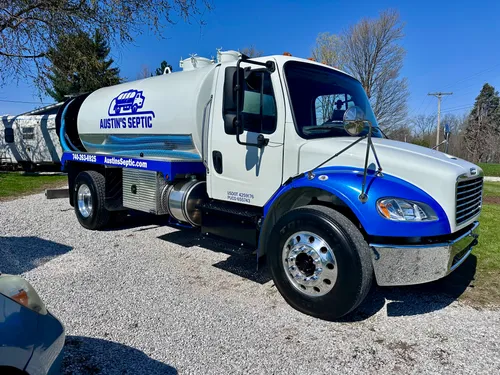
Austin's Septic
Columbus, OH
Austin's Septic is a septic tank pumping and maintenance company serving Columbus, OH, and the surrounding Central Ohio area. They provide septic tank pumping, system installation, inspections, emergency services, precision locating, sewer camera inspections, and high-pressure sewer jetting for both residential and commercial clients. The company emphasizes skilled service backed by years of experience and offers competitive pricing. Their expertise includes lift station pumping, which is important for maintaining wastewater systems in the region.
1 Utility of Ohio
Columbus, OH
1 Utility of Ohio is a septic tank installation contractor based in Columbus, OH, serving Central Ohio including Grove City, Delaware, and Dublin. They offer plumbing, utility, excavation, and septic services, including trenchless waterline replacements and converting septic systems to city sewer connections. With over 50 years of combined experience, the company brings extensive expertise to residential plumbing and septic projects. They are recognized for their strong reputation with city officials and local residents.
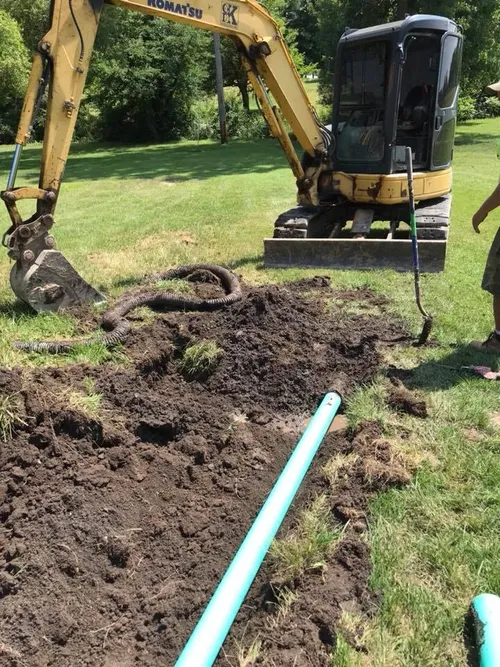
MJC Septic Services
Columbus, OH
MJC Septic Services is a family-owned company based in Columbus, OH, specializing in septic system installation, inspection, pumping, and repair. Serving Delaware, Union, Marion, and Franklin counties, they assist both residential and commercial clients with maintaining and troubleshooting septic systems. Their skilled technicians handle complex septic repairs and installations, including adding access ports and risers for easier future servicing. With over 10 years of experience, MJC Septic Services focuses exclusively on septic work to provide knowledgeable and thorough service.
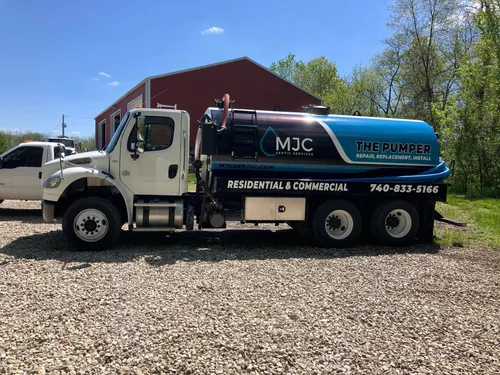
MJC Septic Services
7696 Marysville Rd, Ostrander, OH 43061
MJC Septic Services is a family-owned company based in Ostrander, OH, providing septic system services throughout Columbus and Central Ohio. They specialize in septic tank pumping, inspections, repairs, and installations for both residential and commercial clients. Their skilled technicians handle complex septic systems and offer maintenance plans to keep systems functioning properly. With over 10 years of experience, MJC Septic Services is fully licensed, bonded, and insured to serve the local community.
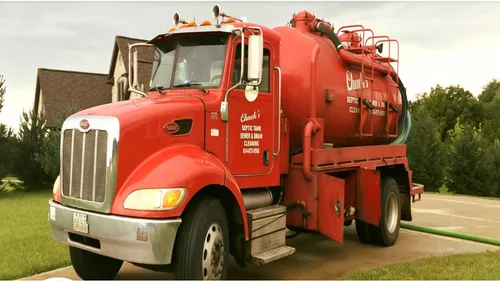
Chuck's Septic Tank Sewer & Drain Cleaning Inc.
2136 Hardy Pkwy, Grove City, OH 43123
Chuck's Septic Tank Sewer & Drain Cleaning Inc. is a locally owned company serving Columbus, OH, and the entire state of Ohio. Established in 1970, the company offers a wide range of septic services including installation, inspection, pumping, repair, and maintenance for residential and commercial properties. They also provide sewer and water line construction and repair, high-pressure jetting to clear blockages, and in-line camera inspections to accurately diagnose pipeline issues. With over 50 years of experience, Chuck's is known for using quality equipment and materials while maintaining high safety and sanitation standards.
Understanding the Regulatory Landscape
In Ohio, all sewage treatment system work, including new installations and replacements, is regulated under Ohio Administrative Code (OAC) Chapter 3701-29. The primary goal is to protect public health and groundwater by ensuring systems are properly designed for the specific soil conditions on your property. The permitting authority depends on your location: within Columbus city limits, Columbus Public Health is the governing body, while properties in surrounding areas fall under their respective county health districts, such as Franklin County Public Health. You must obtain a permit from the correct health department before any construction begins.
A critical first regulatory step is the site and soil evaluation. A state-certified soil scientist must conduct a percolation (perc) test and deep hole analysis to determine the soil's ability to absorb and treat effluent. This evaluation dictates the type of system your property can support-whether a conventional leach field, a more complex mound system, or a pressure distribution system. The results form the basis for the engineered design plan that must be submitted for permit approval.
The Step-by-Step Process for Installation
Navigating a septic system project involves a series of defined steps. Following this sequence is crucial for avoiding costly delays or violations.
- Site Evaluation and Design: Hire a certified soil scientist to perform the required soil evaluation. With this report, a licensed designer or installer creates a detailed system plan that complies with OAC 3701-29.
- Permit Application: Submit the design plan, soil report, and a site review application to the appropriate health department (Columbus Public Health or your county health district). There is an application fee, which can vary but often falls in the range of $250 to $500+ 1.
- Contractor Selection: Ohio law requires that the physical installation be performed by a sewage treatment system contractor who is registered with the Ohio Department of Health. It is essential to verify this registration before signing a contract.
- Pre-Construction Inspection: A health department sanitarian will typically visit the site to stake out the proposed system location and verify the plan.
- Installation & Critical Inspections: The licensed contractor excavates and installs the septic tank, distribution lines, and drain field according to the approved design. The health department must inspect the excavation, the tank placement, and the distribution lines before they are covered with soil.
- Final Approval: After installation is complete and passes a final inspection, the health department will issue an operation permit for the new system 2.
Cost Considerations for Central Ohio
The cost of a new or replacement septic system in the Columbus area is highly variable. While a basic inspection for an existing system may average between $200 and $900, the installation itself is a major project 3. Total costs are influenced by:
- System Type: A conventional gravity-fed system is generally the most affordable option. However, if your soil evaluation requires an advanced system like a sand mound or pressure distribution, costs increase significantly due to the need for additional materials like sand and pumps.
- Site Conditions: Difficult terrain, rocky soil, high water tables, or the need for extensive clearing and grading can raise labor and equipment costs.
- System Size: The capacity of the tank and drain field, determined by the number of bedrooms in your home, directly impacts material costs.
- Permit and Design Fees: Remember to factor in the costs for the soil evaluation, engineering design, and health department permit fees.
Given these factors, homeowners should be prepared for a wide potential range, often from $5,000 for a simple replacement to well over $20,000 for a complex new installation on a challenging site4 5. Obtaining multiple detailed quotes from registered installers is the best way to understand the investment for your specific property.
Find the perfect septic tank installation & replacement contractors for your needs
Get personalized recommendations and expert advice
Key Regulations and Best Practices
Beyond the installation process, several ongoing rules and best practices ensure your system's longevity and compliance.
Setback Requirements: Ohio regulations mandate minimum separation distances. For example, the septic system must be at least 50 feet from any water well and 10 feet from property lines 6. Your approved design will account for these setbacks.
System Maintenance: A new system comes with a new responsibility for maintenance. Regular pumping of the septic tank (typically every 3-5 years) is essential to prevent solids from clogging the drain field. Keeping detailed records of inspections, pumping, and any repairs is recommended and may be required when selling your home 7.
Replacement Triggers: Systems are typically replaced due to age (many have a 20-40 year lifespan) or irreparable failure, often signaled by surfacing sewage, slow drains, or soggy areas in the yard. In some cases, a failing drain field can be repaired, but a full replacement may be necessary if the soil is completely compromised.
Choosing the Right Professional
Your choice of installer is one of the most important decisions in this process. Always start by confirming the contractor's registration with the Ohio Department of Health. Ask for references from recent jobs in your area and verify they carry adequate insurance. A reputable professional will handle or guide you through the permit process, communicate clearly about inspections, and provide a detailed written contract outlining the scope of work, materials, timeline, and payment schedule. They should also educate you on the specific care requirements for your new system.
Planning for the Long Term
A properly installed and maintained septic system is a reliable long-term wastewater solution. Understanding the regulatory framework in Columbus helps you become an informed partner in the process. By investing in a quality installation and committing to routine maintenance, you protect your property value, your family's health, and the local environment. The resources provided by Columbus Public Health and the Ohio Department of Health are valuable tools for homeowners throughout the lifecycle of their system 8 9 10.
Frequently asked questions
Sources
Footnotes
-
Guide for Obtaining Permit to Install A Sewage Treatment ... - https://marionpublichealth.org/wp-content/uploads/2021/03/2021-HSTS-Homeowners-Guide.pdf ↩
-
Sewage Treatment Systems Forms & Bond Lists - https://odh.ohio.gov/know-our-programs/sewage-treatment-systems/forms ↩
-
How Much Does a Septic Inspection Cost? [2026 Data] - Angie's List - https://www.angi.com/articles/septic-inspection-cost.htm ↩
-
Step-by-Step Guide to Septic System Installation & Replacement - https://www.tidytimsinc.com/step-by-step-guide-to-installing-or-replacing-a-septic-system-in-central-ohio ↩
-
Septic System Cost Guide: Prices, Factors & Savings - https://landperc.com/septic-system-cost-estimate/ ↩
-
Septic Tank-Soil Treatment Systems - https://www.browntwp.org/site/assets/files/1090/e939-1.pdf ↩
-
Septic Tanks Get New Rules in Ohio - Clear Drain Cleaning - https://cleardraincleaning.com/septic-tanks-get-new-rules-ohio/ ↩
-
Information for Homeowners - https://odh.ohio.gov/know-our-programs/sewage-treatment-systems/INFORMATION-FOR-HOMEOWNERS ↩
-
Sewage Treatment Systems - City of Columbus, Ohio - https://www.columbus.gov/Services/Public-Health/Environmental-Health/Sewage-Treatment-Systems ↩
-
Sewage Treatment Systems - Ohio Department of Health - https://odh.ohio.gov/know-our-programs/sewage-treatment-systems ↩