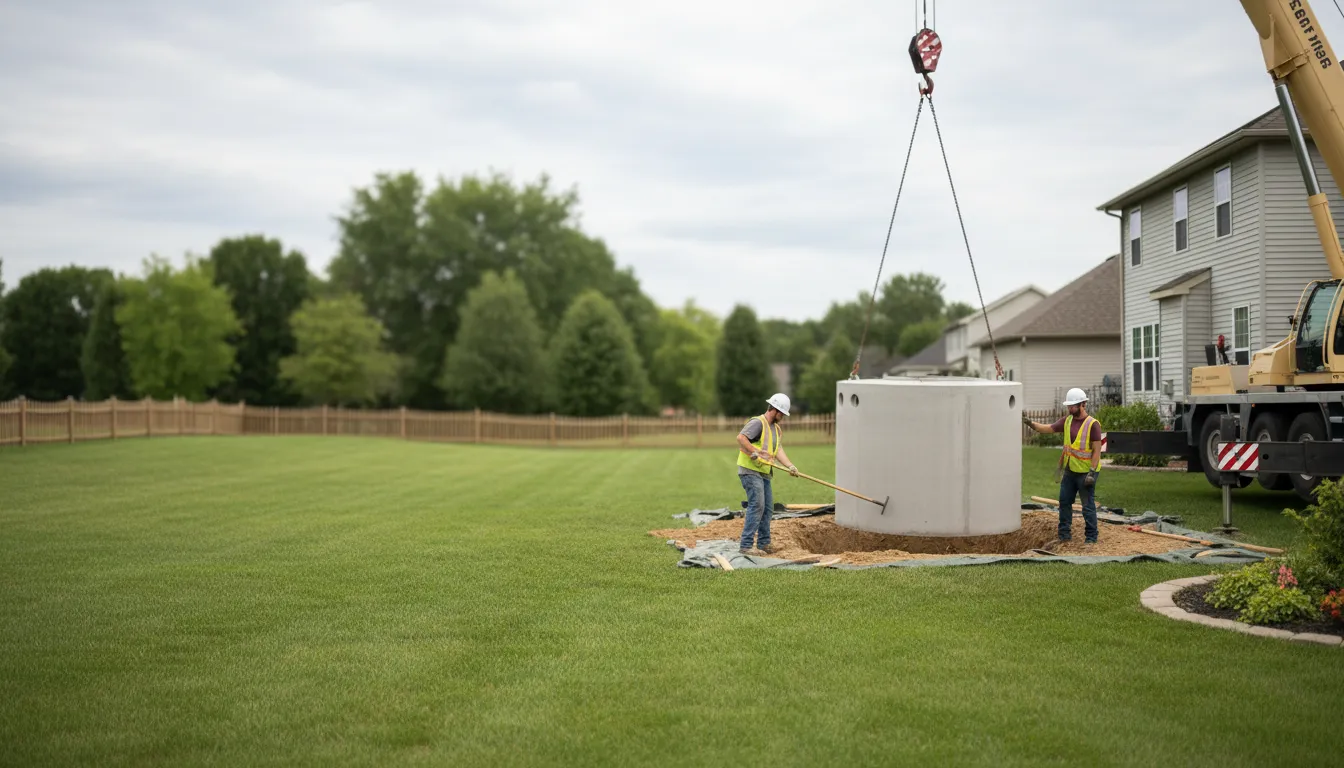
Find the Best Septic Tank Installation & Replacement Contractors for Your Business
No obligation • Fast responses • Nationwide coverage

Why you can trust Septic Spot
Septic Spot is a leading United States resource for understanding and comparing septic services. Our editors review providers using consistent criteria and verify key business details. Listings and scores are independent, and companies cannot pay to influence our content.
Search providers near you
Top Septic Tank Installation & Replacement Contractors in Cincinnati, Ohio Ranked
Installing or replacing a septic system is a significant investment in your property's long-term health and value. In Cincinnati and Hamilton County, this process is governed by specific state and local health codes to protect groundwater and public safety. This guide explains the critical steps, regulations, and costs involved in septic system installation and replacement, helping you navigate the process with confidence and connect with qualified local professionals.
Kremer Plumbing Services
7855 Alexandria Pike SUITE A, Alexandria, KY 41001
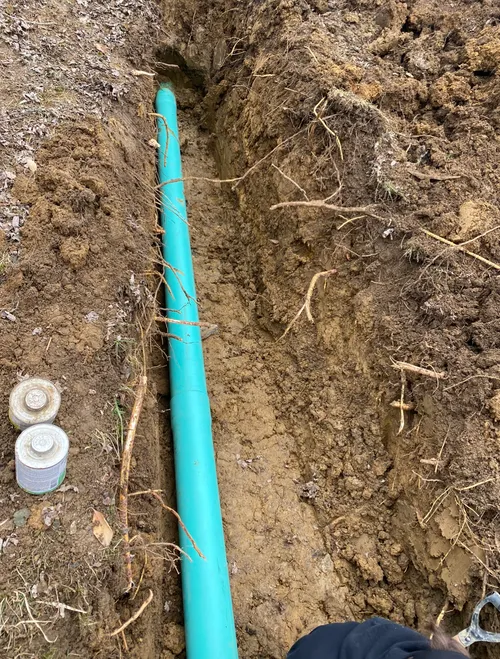
Kremer Plumbing Services is a family-owned plumbing company serving Cincinnati, OH, and Northern Kentucky. They specialize in septic system installation and repair, residential and commercial plumbing, gas line services, and drain and pump solutions. With over 30 years of experience and a master plumber on staff, they provide expert plumbing services backed by a 1-year workmanship warranty. Kremer Plumbing Services offers 24/7 emergency availability to address urgent plumbing needs promptly.
Myers Land Service
3359 Patterson Rd, Bethel, OH 45106
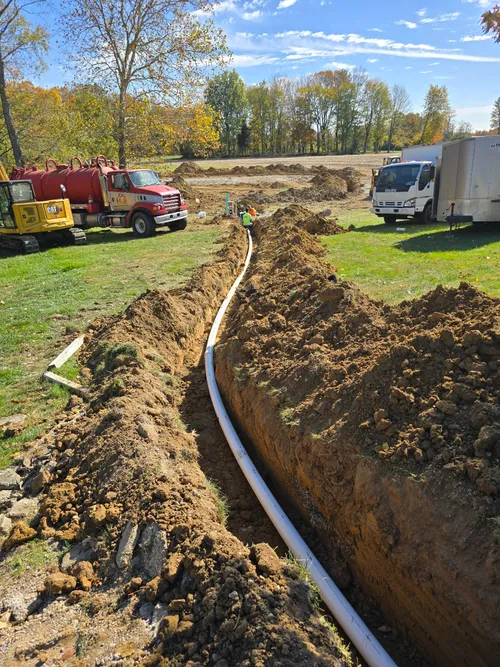
Myers Land Service is an excavation and septic system company based near Cincinnati, OH. They provide septic tank installation and repair along with land clearing, pond construction, demolition, site development, and grading services. Myers Land Service specializes in septic system installation, including split mound systems, and handles projects for residential and commercial builds. The company operates from Bethel, Ohio, and focuses on delivering practical excavation and septic solutions. While the business history is not specified, they emphasize trust and quality in their work.
Martin Solutions
Cincinnati, OH
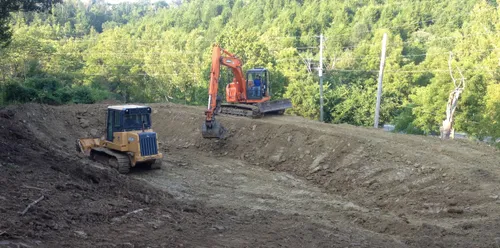
Martin Solutions is a residential excavation and septic service provider based in Cincinnati, OH. They offer a wide range of services including septic system repairs, installations, site evaluations, and various excavation tasks such as grading, drainage solutions, and land clearing. The company has been serving Northern Kentucky and the Cincinnati area since 2003, bringing experience and a growing fleet of equipment to handle diverse residential construction needs. Martin Solutions also provides foundation repairs and structural demolition services, catering to residential, commercial, and industrial markets.
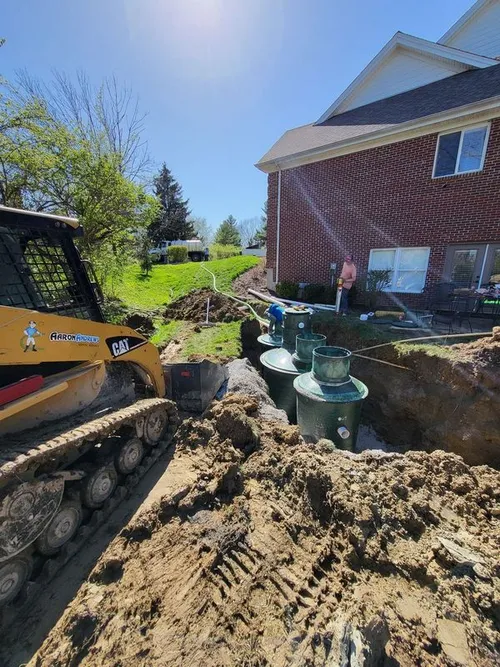
Aaron-Andrews Septic Tank Service
1001 College Dr, Batavia, OH 45103
Aaron-Andrews Septic Tank Service is a family-owned business serving Cincinnati, OH, and the greater Cincinnati area. Established in 1974, the company offers a full range of septic system services including tank pumping, inspections, repairs, drain field replacement, and new system installations. They use advanced equipment to diagnose septic alarms and control panels, providing same-day service when possible. Aaron-Andrews also offers a warranty on all work and special discounts for veterans, seniors, and first responders. Their team is available 24/7 for emergency septic services.
S & E Construction / Septic Service
Louisville, KY
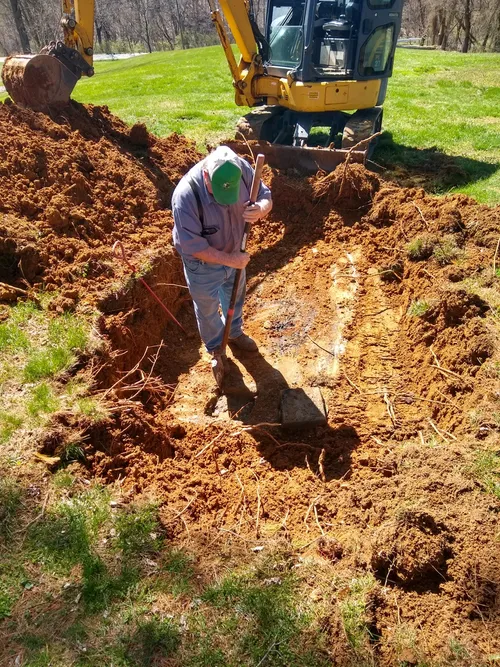
S & E Construction / Septic Service is a locally owned company based in Louisville, KY, offering septic system installation, pumping, and repair services. They serve Northern Kentucky, Cincinnati, and Southeast Indiana, providing solutions for residential and commercial septic needs. With over 30 years of experience, the company is fully certified and licensed, including EPA certification for septic installations and waste hauling. Their capabilities include aerobic onsite treatment system installations and emergency septic services, supporting efficient and eco-friendly wastewater management across the Tri-State area.
Understanding Local Regulations and Permits
All septic system work in Hamilton County requires strict adherence to the Ohio Administrative Code 3701-29, also known as the 2015 Ohio sewage rules 1. The local regulatory body, Hamilton County Public Health (HCPH), oversees the entire process. You cannot begin any construction, whether for a new installation or a full system replacement, without first obtaining a Permit to Install (PTI) from their office. This permit is typically valid for 12 months, giving you a defined window to complete the project.
A key rule in Ohio is that discharging systems (which release treated effluent above ground) are generally prohibited if there is sufficient space on your property for a traditional subsurface leaching system 2. The goal is always to treat and disperse wastewater safely into the soil. Furthermore, only state-registered and bonded sewage treatment system contractors are legally allowed to install or modify these systems in Ohio, ensuring work is performed to code.
The Step-by-Step Installation & Replacement Process
1. Initial Site Evaluation and Soil Testing
Before any design can be created, a certified soil scientist must evaluate your property. This crucial step determines the soil's drainage characteristics, percolation (absorption) rate, and overall suitability for a septic system. The soil report identifies the limiting conditions (like high clay content or a high water table) that will dictate the type and size of system your property can support.
2. System Design and Permit Application
A licensed designer or contractor uses the soil scientist's report to create a detailed Sewage Treatment System (STS) design. This plan is submitted to Hamilton County Public Health as part of the Permit to Install application 3. The health department reviews the design for compliance with all state and local codes before issuing the PTI.
3. The Installation Phase and Required Inspections
Once the permit is in hand, installation can begin. The process is broken into stages, each requiring a mandatory inspection by a health department sanitarian before work can proceed:
- Pre-Construction Meeting: Often, an initial site visit with the inspector is required.
- Installation Inspection: After the tank, piping, and drain field trenches are in place but before they are covered, an inspector must check the work 4.
- Final Inspection: Once the system is fully installed and covered, a final inspection is conducted.
- Plumbing Inspection: A separate inspection of the household plumbing connecting to the septic tank is also required 5.
4. Obtaining the Permit to Operate
After passing the final inspection, you must apply for a Permit to Operate. This is your official permission to use the system. The cost for this permit in Hamilton County is modest (e.g., around $10), but it is a legal requirement. This permit has a renewal cycle that depends on your system type.
Find the perfect septic tank installation & replacement contractors for your needs
Get personalized recommendations and expert advice
Types of Systems and Associated Costs
The type of system installed depends entirely on the results of the soil evaluation. Costs can vary significantly based on system type, property conditions, and tank size.
- Conventional Anaerobic System: This is the most common type for suitable soils. It consists of a septic tank and a subsurface leach field. Installation costs typically range from $3,000 to $8,000.
- Aerobic Treatment Unit (ATU): Required for poor-draining soils, these systems use oxygen to break down waste more thoroughly before dispersal. They are more complex and expensive, with costs generally ranging from $10,000 to $18,000.
- Alternative Systems: For sites with severe limitations, other advanced pre-treatment or drip dispersal systems may be necessary, which can exceed the cost of an ATU.
Beyond equipment and labor, remember to budget for permit fees. For example, the Permit to Install itself can be around $574, with the operating permit an additional small fee 6 7.
Maintenance and Ongoing Compliance
Your responsibility begins once the system is operational. Hamilton County Public Health mandates regular inspections to ensure ongoing functionality and environmental protection.
- Non-Mechanical Systems (Conventional): The Permit to Operate must be renewed, and the system inspected, approximately every 58 months (just under 5 years).
- Mechanical Systems (Aerobic/ATU): These systems require annual inspections and permit renewals due to their mechanical components that need regular servicing 8.
Proper maintenance, including regular pumping of the tank every 3-5 years, is essential to prevent system failure, which can lead to costly repairs or premature replacement.
When is System Replacement Necessary?
Replacement follows the same rigorous permit and inspection process as a new installation. Common signs that replacement may be needed include:
- Sewage backups into the home.
- Persistent soggy ground or foul odors in the drain field area.
- Contamination of nearby wells or surface water.
- An old system that is failing and cannot be repaired.
- Changes in property use that increase wastewater volume beyond the system's design.
Replacing a system often requires a new soil evaluation, as conditions may have changed since the original installation. Working with a knowledgeable local contractor is critical to navigating a replacement project efficiently.
Choosing a Qualified Cincinnati Contractor
Given the regulatory complexity, selecting the right professional is paramount. Always verify that any contractor you consider is:
- Registered with the State of Ohio: They must be on the official list of registered sewage treatment system contractors 9.
- Bonded and Insured: This protects you in case of improper installation.
- Familiar with Hamilton County Codes: Local experience ensures smoother permit approvals and inspections.
- Willing to Provide References: Ask for examples of recent similar projects in the area.
A reputable installer will handle the permit application process, schedule all required inspections, and ensure the final system meets all health department standards for operation.
Frequently asked questions
Sources
Footnotes
-
Sewage Treatment Systems - Ohio Department of Health - https://odh.ohio.gov/know-our-programs/sewage-treatment-systems ↩
-
Information for Homeowners - https://odh.ohio.gov/know-our-programs/sewage-treatment-systems/INFORMATION-FOR-HOMEOWNERS ↩
-
Sewage Treatment Systems Forms & Bond Lists - https://odh.ohio.gov/know-our-programs/sewage-treatment-systems/forms ↩
-
Step-by-Step Guide to Septic System Installation & Replacement - https://www.tidytimsinc.com/step-by-step-guide-to-installing-or-replacing-a-septic-system-in-central-ohio ↩
-
How to Apply for a Septic System Permit for New Construction - https://ccphohio.org/apply-septic-new-construction/ ↩
-
Guide for Obtaining Permit to Install A Sewage Treatment ... - https://marionpublichealth.org/wp-content/uploads/2021/03/2021-HSTS-Homeowners-Guide.pdf ↩
-
Septic System Installation Checklist - https://www.mecindustries.com/morse-engineering-and-construction-industries/septic-system-installation-checklist ↩
-
Sewage Treatment Systems - Hamilton County Public Health - https://hamiltoncountyhealth.org/services/water-quality/new-sewage-treatment-systems/ ↩
-
Ohio Septic License & Certification | 2025 Contractor Guide - https://www.servicetitan.com/licensing/septic/ohio ↩