
Find the Best Septic Tank Installation & Replacement Contractors for Your Business
No obligation • Fast responses • Nationwide coverage

Why you can trust Septic Spot
Septic Spot is a leading United States resource for understanding and comparing septic services. Our editors review providers using consistent criteria and verify key business details. Listings and scores are independent, and companies cannot pay to influence our content.
Search providers near you
Top Septic Tank Installation & Replacement Contractors in Cleveland, Ohio Ranked
Installing or replacing a septic system is a significant home improvement project that ensures the safe and effective treatment of household wastewater. In Cleveland and Cuyahoga County, this process is governed by specific state and local health regulations designed to protect public health and the environment. Understanding the steps, from soil evaluation to final inspection, is crucial for a successful project. This guide will help you navigate the requirements and connect with qualified local professionals who specialize in septic system installation and sewage treatment system services.
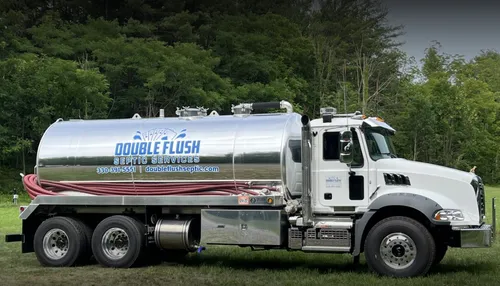
Double Flush Septic Services
2481 Remsen Rd, Medina, OH 44256
Double Flush Septic Services is a family-owned company based in Medina, OH, providing septic system installation, pumping, inspection, and repair services throughout Akron and the surrounding Northeast Ohio counties. They serve a broad area including Medina, Summit, Stark, Wayne, and Cuyahoga counties, offering expertise in maintaining and repairing septic tanks, drain fields, and aeration systems such as Norweco, Hydro-Action, and Marlow-Hunter. The company also provides emergency septic services and commercial grease trap cleaning, with capabilities like hydro jetting and drain snaking to address severe blockages. Double Flush Septic Services emphasizes local knowledge of Ohio's climate and soil conditions to support system longevity and functionality.
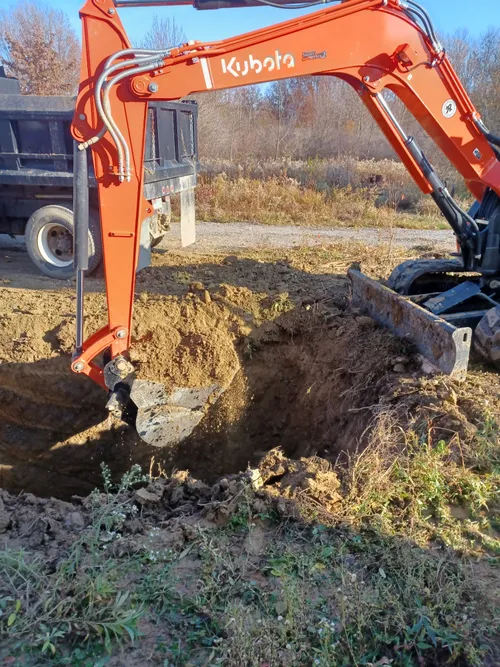
A & P Septic LLC
Cleveland, OH
A & P Septic LLC provides septic system installation, cleaning, repair, and inspection services in Cleveland, OH. They serve Northeast Ohio with a focus on preventative maintenance to help avoid costly repairs and maintain system health. Their capabilities include septic tank pumping, sewer line services, and designed mound installations. The company emphasizes regular septic system inspections and pumping every few years to ensure trouble-free performance.
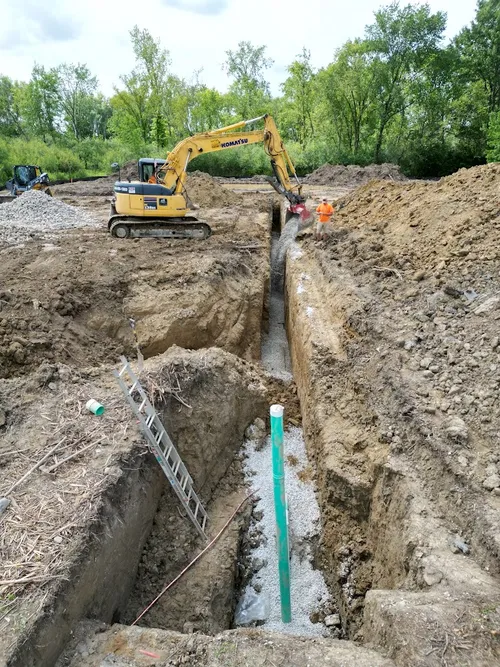
Watts Excavating
Cleveland, OH
Watts Excavating is a contractor based in Cleveland, OH, specializing in septic tank installation along with drainage, waterproofing, sewer replacement, demolition, driveway installation, new foundations, additions, ponds, and sitework. The company is fully insured and offers a broad range of excavation and construction services to meet various project needs.

A & P Septic LLC
Cleveland, OH
A & P Septic LLC provides septic system installation, cleaning, repair, and maintenance services in Cleveland, OH. They serve Northeast Ohio with septic tank pumping, inspections, sewer line work, and excavation. The company emphasizes preventative maintenance to help avoid costly repairs and system failures. Their team is experienced in handling septic and aeration systems, water lines, and designed mounds, offering comprehensive septic solutions.
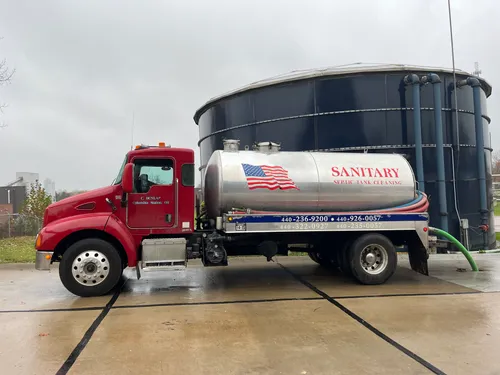
Sanitary Septic Tank Cleaning Inc
10915 Station Rd, Columbia Station, OH 44028
Sanitary Septic Tank Cleaning Inc is a family-owned septic tank pumping and installation company serving Cleveland, OH, and surrounding counties including Cuyahoga, Lorain, and Medina. They provide septic tank cleaning, maintenance programs, and installation of new septic systems. The company is licensed, bonded, and insured, offering specialized services such as cleaning bio-kinetic filters, sump pump sales and installation, and supplying aerator motors with warranties. They also provide enzyme treatments to help maintain septic system function and use new concrete and plastic covers to facilitate easier future cleanings without digging.
Understanding Septic System Regulations in Cuyahoga County
All work related to household sewage treatment systems (HSTS) in Cleveland falls under the authority of the Ohio Department of Health and is enforced locally by the Cuyahoga County Board of Health (CCBH) 1. A core requirement is that a permit is mandatory for any new, altered, or replaced system. The CCBH Household Sewage Management Program administers these permits, and every system in the county must ultimately have an approved Operation & Management (O&M) permit 1. This regulatory framework ensures that every installation meets strict standards for safety and functionality.
The Critical First Step: Site and Soil Evaluation
Before any design can be drawn or permit issued, a professional site evaluation is required. A certified soil scientist must assess your property to determine soil type, depth to bedrock, and seasonal groundwater levels. This evaluation is not just a formality; it directly dictates the type of system you can install.
- Determines System Type: The soil's properties determine if a conventional septic system with a drain field is suitable or if a more complex (and often more expensive) alternative system is needed.
- Sizes the Drain Field: Tests establish the Soil Loading Rate (SLR), which calculates the necessary size of the absorption field to properly treat the wastewater.
- Influences Cost: A site with poor soil conditions will require a more engineered solution, significantly impacting the overall project cost.
Navigating the Permit Process
Once you have a soil evaluation report, the formal application process begins. This involves several key submissions to the local health district (CCBH).
- Design Submission: A professional design for the entire sewage treatment system, based on the soil evaluation, must be prepared and submitted.
- Permit Application: You or your contractor will apply for a "Permit to Install" or "Permit to Alter" a system through the CCBH.
- Fees: Be prepared for application fees. While costs can vary, site review fees often start around $250 or more.
Choosing a Registered Installer
In Ohio, only registered sewage treatment system installers are legally allowed to perform the installation 2. This registration ensures the contractor understands state code and local requirements. When comparing local septic contractors, always verify their registration status with the Ohio Department of Health. A reputable installer will handle much of the permit paperwork and coordinate with the health department inspectors.
The Installation and Inspection Timeline
A proper installation involves multiple checkpoints with the health department to ensure compliance.
- Initial Site Visit: A health department staff member may visit to verify the conditions outlined in the soil report and design.
- Pre-Construction Meeting: It's common, and often required, to have a meeting on-site with the installer and the health inspector before digging begins to review the plan 3.
- Final Inspection: This is the most critical inspection. The entire system must be inspected by the local health district before any component is covered with soil 4 5. Failing to schedule this inspection can result in orders to excavate the system for viewing, leading to costly delays.
Find the perfect septic tank installation & replacement contractors for your needs
Get personalized recommendations and expert advice
Cost Considerations for System Installation & Replacement
The cost for septic tank and drain field replacement in the Cleveland area typically ranges from $5,000 to $12,000, with many standard residential systems averaging between $6,000 and $8,000 6 7. It's important to understand that this is a highly variable estimate. The final price depends heavily on:
- System Type: A conventional gravity system is the most economical. Mound systems, sand filters, or other alternative technologies for difficult soils can cost significantly more.
- Property Conditions: Easy access, flat terrain, and favorable soil keep costs down. Rocky soil, steep slopes, or tight spaces increase labor and material costs.
- System Size: The required capacity, based on the number of bedrooms in your home, affects tank size and drain field dimensions.
- Permit and Design Fees: Remember to factor in the costs for soil testing, engineering design, and county permit fees.
Maintaining Your New System
After installation and passing final inspection, your responsibility shifts to proper maintenance. The CCBH O&M permit requires that you have your tank pumped regularly by a licensed hauler and maintain records of service. Protecting your drain field from compaction (no driving or parking on it) and being mindful of what goes down your drains are essential for a long system lifespan.
Planning for a Smooth Project
A successful septic system project hinges on planning and professional partnerships. Start by researching local registered installers and schedule consultations. A good contractor will walk your property, discuss the likely need for a soil scientist, and provide a realistic overview of the process, timeline, and estimated costs based on similar local jobs. Always ensure your contract clearly outlines who is responsible for obtaining permits and scheduling inspections.
Frequently asked questions
Sources
Footnotes
-
Household Sewage Operation & Management Program | CCBH - https://ccbh.net/household-sewage-management/ ↩ ↩2
-
Information for Contractors - Ohio Department of Health - https://odh.ohio.gov/know-our-programs/sewage-treatment-systems/INFORMATION-FOR-CONTRACTORS ↩
-
New Septic System Installations - http://www.beaglehill.com/BeagleHill.php?Septic-Systems-New-Septic-System-Installations-254 ↩
-
Information for Homeowners - https://odh.ohio.gov/know-our-programs/sewage-treatment-systems/INFORMATION-FOR-HOMEOWNERS ↩
-
rules.pdf - Medina County Sanitary Engineers - https://sanitaryengineer.co.medina.oh.us/downloads/rules.pdf? ↩
-
Guide for Obtaining Permit to Install A Sewage Treatment ... - https://marionpublichealth.org/wp-content/uploads/2021/03/2021-HSTS-Homeowners-Guide.pdf ↩
-
Septic tank installation costs: How much to expect to pay - Yahoo Local - https://local.yahoo.com/plumbing/article/septic-tank-installation-costs-140056750.html ↩