Find the Best Septic Tank Installation & Replacement Contractors for Your Business
No obligation • Fast responses • Nationwide coverage

Why you can trust Septic Spot
Septic Spot is a leading United States resource for understanding and comparing septic services. Our editors review providers using consistent criteria and verify key business details. Listings and scores are independent, and companies cannot pay to influence our content.
Search providers near you
Top Septic Tank Installation & Replacement Contractors in Beavercreek, Ohio Ranked
Installing or replacing a septic system is a significant home improvement project that ensures the safe and efficient treatment of household wastewater. For Beavercreek homeowners, this process is governed by specific local and state regulations designed to protect public health and the environment. Understanding the steps, from soil testing to final inspection, is crucial for a successful project. This guide provides a detailed overview of the process, costs, and key considerations for septic system work in Greene County, helping you navigate the journey from planning to completion with confidence.
A to Z Septic and Pumping
Dayton, OH
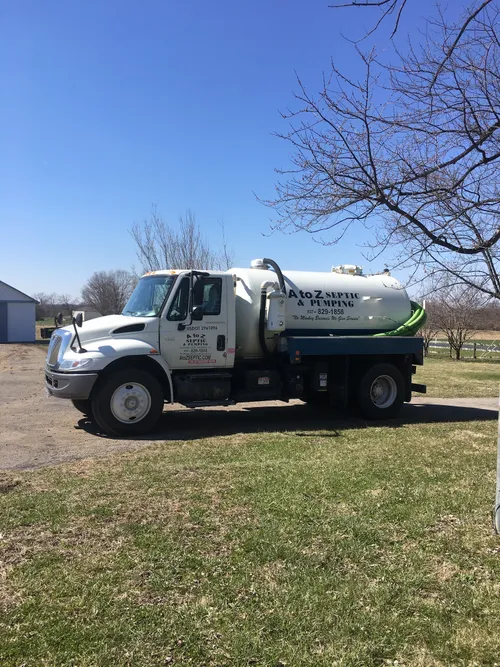
A to Z Septic and Pumping provides a range of septic services in Dayton, OH, including septic tank pumping, inspection, installation, and repair. They also handle drain field repair and grease trap cleaning for both residential and commercial customers. The company offers expertise in maintaining and installing septic systems, ensuring effective wastewater disposal and environmental protection. Their services include emergency septic tank repairs and dumpster rentals for additional waste disposal needs. A to Z Septic and Pumping serves the Dayton area with experienced plumbing professionals who assist customers in managing wastewater safely and efficiently.
CT Brown Sanitation & Drain Cleaning
Dayton, OH
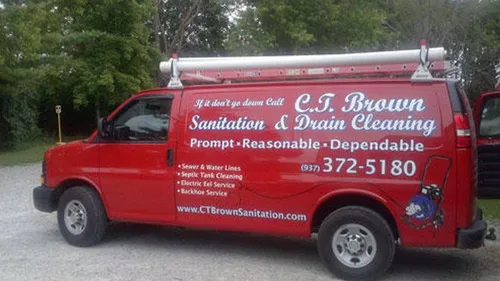
CT Brown Sanitation & Drain Cleaning is a septic tank pumping, inspection, and installation company serving Dayton, OH, and surrounding areas including Beavercreek and Xenia. With over 60 years of experience, the company provides a range of services such as septic tank cleaning, drain cleaning using electric eel and hydro jetting technology, grease trap maintenance, and full septic system installation including permits and excavation. They offer 24/7 emergency services to handle urgent septic or drainage issues and also provide snow removal during winter months to ensure safe property access.
Understanding Septic System Basics in Ohio
A septic system, or on-site wastewater treatment system, is a self-contained method for processing sewage from homes not connected to a municipal sewer line. In Beavercreek, these systems typically consist of a septic tank and a soil absorption field (drain field). The tank separates solids from liquids, while the pre-treated effluent is dispersed into the soil for final purification. The Ohio Department of Health (ODH) regulates all Sewage Treatment Systems (STS) under state code, with Greene County Public Health serving as the local permitting and enforcement authority. Proper installation is not just a matter of convenience; it's a legal requirement to prevent groundwater contamination and protect community health.
The Permitting Process with Greene County Public Health
Before any digging begins, you must secure the proper permits. The entire installation or replacement of a septic system in Beavercreek requires approval from Greene County Public Health, which follows ODH regulations.
- Permit to Install: A "Permit to Install" (PTI) is mandatory for any new construction or substantial alteration of an existing system. This permit is based on an approved system design and site evaluation. You cannot legally start work without it.
- Application Requirements: Your licensed installer or designer will typically handle the application, which must include a detailed site layout. This plan shows property lines, the proposed system location, well locations (if any), and other critical features 1.
- Local Zoning: It's also important to check with the City of Beavercreek regarding zoning requirements for property improvements. In some cases, if an on-site system is not feasible, connection to public sewer may be required 2 3.
The Critical Role of Soil Evaluation (Perc Test)
The most important factor determining your system's design and feasibility is your property's soil. A soil percolation test, commonly called a perc test, is a non-negotiable first step.
- Purpose: This test measures the rate at which water drains through the soil. The results determine the soil's absorption capacity, which directly dictates the size and type of drain field needed 4.
- Conducting the Test: A certified soil scientist or registered sanitarian must perform the test. They dig several holes in the proposed drain field area, saturate the soil, and then measure how quickly the water level drops 5.
- Outcome: A passing perc test is required for a permit. If the soil fails (drains too slowly or too quickly), you may need an alternative, more advanced treatment system, which can significantly impact project cost and complexity 6.
Designing Your Septic System
Once your soil is evaluated, a system can be designed. The design must comply with ODH standards and be tailored to your household size and property conditions.
- Conventional Systems: For suitable soils, a conventional system with a septic tank and trench drain field is typical. Tank sizes are based on bedroom count (e.g., a 1,000-gallon tank for a 3-bedroom home).
- Alternative Systems: For challenging sites with high water tables, poor soil, or limited space, alternative systems like mound systems, aerobic treatment units (ATUs), or sand filters may be necessary. These systems provide enhanced treatment but come with higher installation and maintenance costs.
- Design Submission: The finalized design, created by a qualified professional, is submitted as part of the permit application to Greene County Public Health for approval.
Installation Steps and Required Inspections
Hiring a licensed, experienced contractor is essential. The installation process follows a strict sequence with mandatory inspections to ensure compliance with the approved plans.
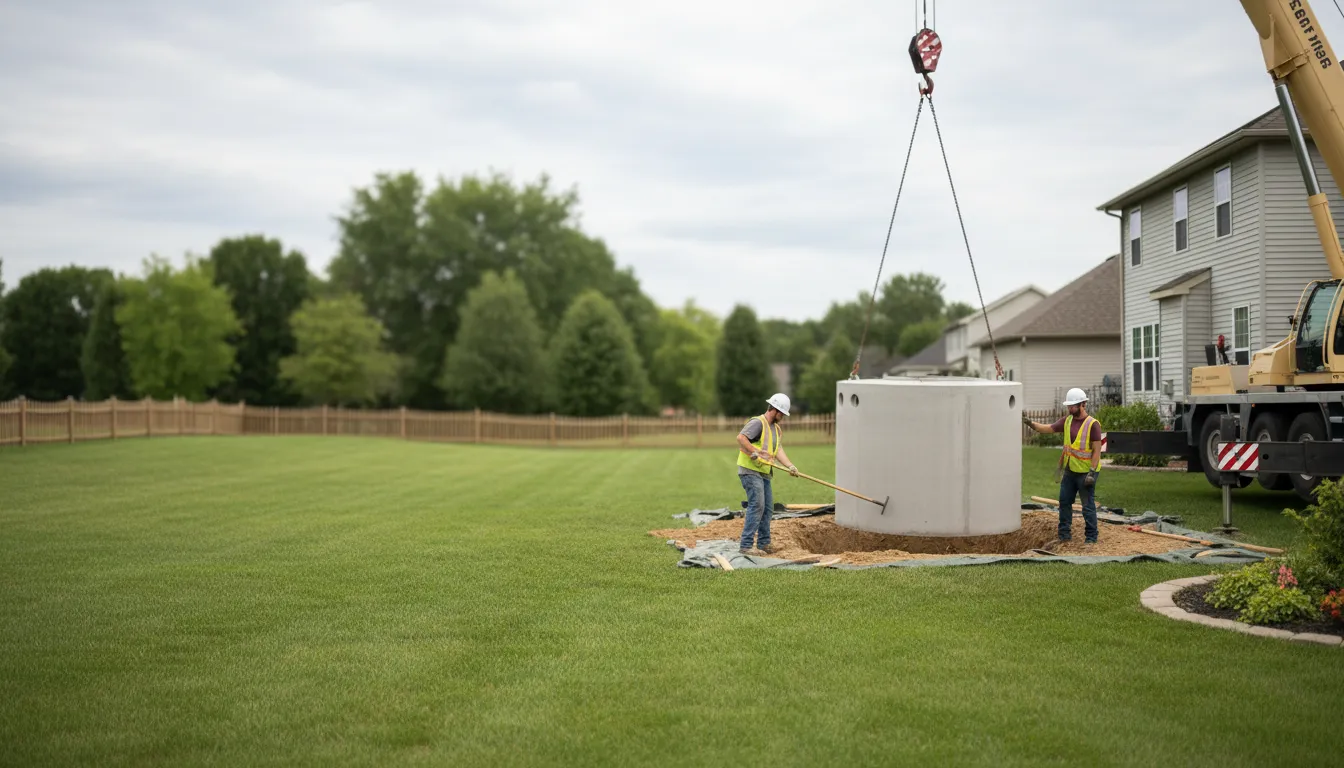
- Excavation & Tank Placement: The contractor excavates holes for the septic tank and drain field according to the approved layout.
- Initial Inspection: Before the tank is set or any piping is connected, an inspector from the health department may conduct an initial site review.
- System Assembly: The tank is placed, and the network of distribution pipes in the drain field is assembled on a bed of gravel or other approved media.
- Critical Installation Inspection: This is the most important inspection. Before the tank and drain field are backfilled with soil, the health department inspector must examine the entire uncovered system. They verify proper placement, pipe connections, tank integrity, and overall adherence to the design 7.
- Backfilling and Final Inspection: After passing the installation inspection, the contractor can carefully backfill the excavations. A final inspection after backfilling and site stabilization is often required to complete the permit process 8.
Find the perfect septic tank installation & replacement contractors for your needs
Get personalized recommendations and expert advice
Cost Factors for Septic System Installation in Beavercreek
The cost of a new septic system varies widely based on system type, soil conditions, and property characteristics. While prices fluctuate, recent data provides a general range for our area.
- Conventional System Installation: For a standard residential system with a 1,000-gallon tank and a drain field, homeowners can expect costs to range approximately from $3,500 to $8,500.
- Alternative/Complex Systems: If your site requires an advanced treatment system like a mound or aerobic unit, costs can range from $4,000 to $15,000 or more.
- Additional Fees: Remember to budget for separate costs like the soil evaluation (perc test), which can be around $600, and permit fees from the health department, which can add several hundred dollars to the total project cost 9 10.
Choosing a Licensed Installation Contractor
Your contractor is your partner in this complex process. Ensure they are licensed by the state of Ohio to install sewage treatment systems. Ask for references, proof of insurance, and a detailed written contract that outlines the scope of work, system design specifications, total cost, payment schedule, and a timeline that includes permit acquisition and inspections. A reputable contractor will be familiar with Greene County's specific requirements and will handle much of the paperwork and coordination with the health department.
Replacing an Existing Failing System
The process for replacing a failing septic system is similar to a new installation but begins with a diagnosis. Signs of failure include soggy ground or odors near the drain field, sewage backups in the house, or unusually green grass over the drain field. You will still need a site evaluation, new design (which may differ from the old one), and a new Permit to Install. Replacement often qualifies as an "alteration," triggering the need to meet current, often more stringent, health codes 11 12.
Long-Term Care After Installation
A new system is a major investment that requires proper care to last decades. Greene County and ODH recommend regular septic tank pumping every 3-5 years, depending on usage. Water conservation, avoiding flushing harmful chemicals or non-biodegradables, and protecting the drain field from heavy vehicles or deep-rooted plants are all essential maintenance practices. Keeping detailed records of inspections, pumping, and repairs will be valuable for future maintenance and if you sell your home.
Frequently asked questions
Sources
Footnotes
-
New Jersey Septic System Rules - 2026 Guide - https://thesewerkings.com/blog/new-jersey-septic-system-rules/ ↩
-
Regulations for home sewage treatment systems - https://ohioepa.custhelp.com/app/answers/detail/a_id/368/~/regulations-for-home-sewage-treatment-systems ↩
-
City of Beavercreek Subdivision Regulations - https://www.beavercreekohio.gov/DocumentCenter/View/4518/-Subdivision-Regulations- ↩
-
Septic System Install Timeline - https://www.rciseptic.com/complete-step-by-step-timeline-septic-system-installation-from-permit-to-finish ↩
-
How to carry out a percolation test for a septic system - https://www.premiertechaqua.com/en-gb/blog/how-to-carry-out-a-percolation-test ↩
-
Perc Test for Septic System: A Complete Guide - https://landperc.com/perc-test-for-septic-system/ ↩
-
Septic System Install Timeline | RCI Septic Service - https://www.rciseptic.com/complete-step-by-step-timeline-septic-system-installation-from-permit-to-finish ↩
-
Idaho Septic Tank Requirements | Subsurface Sewage Disposal System - https://www.ntotank.com/blog/idaho-septic-tank-requirements ↩
-
How much does it cost for a new septic and drain field? Just an ... - https://www.facebook.com/groups/204486930758046/posts/1461789831694410/ ↩
-
DIY septic install costs in Ohio - Facebook - https://www.facebook.com/groups/small.farming.homesteading/posts/25209348238649227/ ↩
-
Information for Homeowners - https://odh.ohio.gov/know-our-programs/sewage-treatment-systems/INFORMATION-FOR-HOMEOWNERS ↩
-
Step-by-Step Guide to Installing or Replacing a Septic System in Central Ohio - https://www.tidytimsinc.com/step-by-step-guide-to-installing-or-replacing-a-septic-system-in-central-ohio ↩