
Find the Best Septic Tank Installation & Replacement Contractors for Your Business
No obligation • Fast responses • Nationwide coverage

Why you can trust Septic Spot
Septic Spot is a leading United States resource for understanding and comparing septic services. Our editors review providers using consistent criteria and verify key business details. Listings and scores are independent, and companies cannot pay to influence our content.
Search providers near you
Top Septic Tank Installation & Replacement Contractors in Cleveland Heights, Ohio Ranked
Installing or replacing a septic system is a significant home improvement project that ensures the safe and effective treatment of household wastewater. In Cleveland Heights, this process is governed by specific local and state regulations to protect public health and the environment. This guide will help you understand the steps, costs, and key considerations for septic system work, empowering you to make informed decisions when selecting a qualified local professional for your installation or replacement needs.
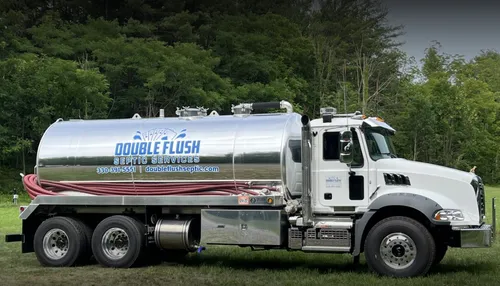
Double Flush Septic Services
2481 Remsen Rd, Medina, OH 44256
Double Flush Septic Services is a family-owned company based in Medina, OH, providing septic system installation, pumping, inspection, and repair services throughout Akron and the surrounding Northeast Ohio counties. They serve a broad area including Medina, Summit, Stark, Wayne, and Cuyahoga counties, offering expertise in maintaining and repairing septic tanks, drain fields, and aeration systems such as Norweco, Hydro-Action, and Marlow-Hunter. The company also provides emergency septic services and commercial grease trap cleaning, with capabilities like hydro jetting and drain snaking to address severe blockages. Double Flush Septic Services emphasizes local knowledge of Ohio's climate and soil conditions to support system longevity and functionality.
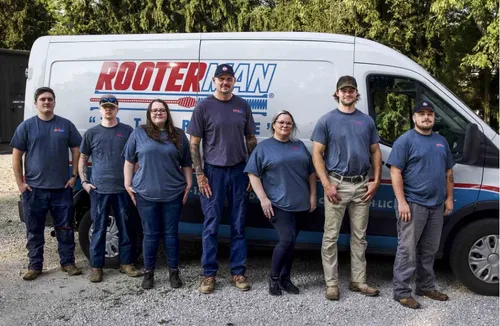
Rooter Man
195 Potomac Ave Unit B, Tallmadge, OH 44278
Rooter Man is a family-owned plumbing company serving Akron, OH, and surrounding areas including Summit, Stark, and Portage counties. They offer a wide range of services including septic tank pumping, inspection, repair, and installation, along with drain cleaning, sewer line repair, and water heater services. With over 50 years of experience, Rooter Man uses advanced tools such as hydro jetting and video pipe inspections to address plumbing and septic system issues efficiently. The company provides emergency service seven days a week to handle urgent plumbing needs.
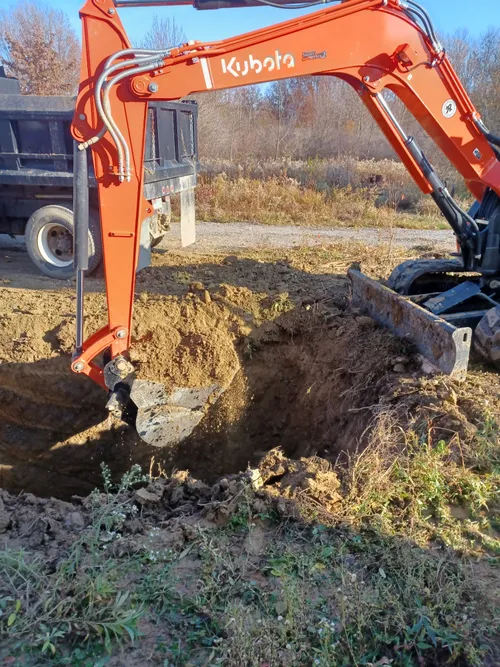
A & P Septic LLC
Cleveland, OH
A & P Septic LLC provides septic system installation, cleaning, repair, and inspection services in Cleveland, OH. They serve Northeast Ohio with a focus on preventative maintenance to help avoid costly repairs and maintain system health. Their capabilities include septic tank pumping, sewer line services, and designed mound installations. The company emphasizes regular septic system inspections and pumping every few years to ensure trouble-free performance.
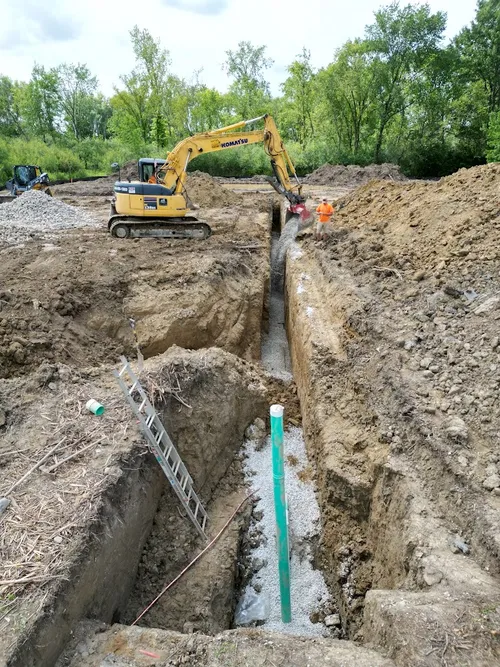
Watts Excavating
Cleveland, OH
Watts Excavating is a contractor based in Cleveland, OH, specializing in septic tank installation along with drainage, waterproofing, sewer replacement, demolition, driveway installation, new foundations, additions, ponds, and sitework. The company is fully insured and offers a broad range of excavation and construction services to meet various project needs.

A & P Septic LLC
Cleveland, OH
A & P Septic LLC provides septic system installation, cleaning, repair, and maintenance services in Cleveland, OH. They serve Northeast Ohio with septic tank pumping, inspections, sewer line work, and excavation. The company emphasizes preventative maintenance to help avoid costly repairs and system failures. Their team is experienced in handling septic and aeration systems, water lines, and designed mounds, offering comprehensive septic solutions.
Understanding the Regulatory Landscape
In Ohio, all sewage treatment system installations and major repairs are regulated by the Ohio Department of Health (ODH) and enforced by local health districts. For Cleveland Heights residents, this means the Cuyahoga County Board of Health is your primary point of contact and oversight. You cannot begin any excavation or construction for a new or replacement septic system without first obtaining the proper permits.
A Permit to Install (PTI) is the mandatory authorization you must secure from the local health district before any work begins. This permit is based on an approved system design and site evaluation. The process ensures that the proposed septic system is suitable for your property's specific conditions and complies with all state and county codes designed to prevent groundwater contamination and system failure.
The Step-by-Step Process for Installation
Navigating a septic system project involves a series of defined steps. Skipping or misunderstanding any part can lead to delays, fines, or an improperly functioning system.
1. Initial Site and Soil Evaluation (SSE)
The foundation of any successful septic installation is a thorough Site and Soil Evaluation. This is not a mere formality but a critical assessment conducted by a qualified professional, often a soil scientist or registered sanitarian. The evaluator will analyze your property to determine:
- Soil Composition: The type of soil (e.g., clay, sand, loam) greatly affects water absorption rates. Clay soils, common in some Ohio areas, can present drainage challenges.
- Percolation Rate: A "perc test" measures how quickly water drains through the soil. A failed perc test due to slow-draining soil or a high water table will require an alternative system design 1 2.
- Setback Distances: The evaluation will identify the proper location for the drain field, ensuring it is the required distance from wells, property lines, streams, and buildings.
- System Size and Type: Based on the soil data and your home's bedroom count (a proxy for daily wastewater flow), the evaluator will recommend the appropriate system size and technology, whether it's a conventional trench system or a more advanced aerobic treatment unit (ATU).
The formal report from this evaluation is a required document for your permit application 3.
2. System Design and Permit Application
With the soil report in hand, a system must be designed. This is typically done by the licensed septic installer you choose to hire. The design plans, along with the soil report, a detailed site plan from a surveyor, and any necessary local zoning permits, are submitted to the Cuyahoga County Board of Health as part of the Permit to Install application 4.
The health department reviews the package for compliance with the Uniform Standards for Sewerage Improvements. Only after they issue written approval can construction legally commence 5. This review includes an initial site inspection by health department staff to verify the proposed location.
3. Choosing a Licensed Installer
This is one of your most important decisions. In Ohio, septic system installers must be registered with the state and pass a competency exam 6 7. Always verify a contractor's state registration. A reputable Cleveland Heights installer will be intimately familiar with Cuyahoga County's specific requirements, common soil issues in the area, and the inspection process. They will handle the permit paperwork, provide a detailed contract, and ensure the installation follows the approved design to the letter.
4. Installation and Inspections
Once the permit is approved, your contractor will schedule the installation. The health department plays a crucial role during construction as well. They will conduct one or more installation inspections at critical stages, such as after the tank is set and before the drain field is covered 8 9. These inspections are mandatory to verify that the work matches the approved plans and meets all health and safety standards. Never backfill the drain field area before it has been inspected and approved.
5. Final Approval and Maintenance
After the final inspection passes, the health department will issue a final approval for the system. You will receive a record drawing ("as-built") showing the exact location of all system components-keep this for future reference. Remember, a new system is a long-term investment that requires proper care. Regular pumping (typically every 3-5 years) and mindful water usage are essential to its longevity.
Find the perfect septic tank installation & replacement contractors for your needs
Get personalized recommendations and expert advice
Cost Considerations for Septic Systems
The cost of a septic system in Cleveland Heights can vary widely based on the system type, soil conditions, property size, and labor. It's important to budget not just for the physical installation but for the entire process.
- Site and Soil Evaluation: This upfront cost can range from several hundred to over a thousand dollars, depending on the complexity.
- Permit Fees: The Cuyahoga County Board of Health charges fees for permit application, review, and inspections. For the most current fee schedule, contact the Board directly.
- Installation Costs: For a complete new residential system, including tank and drain field, homeowners can expect a broad range. Industry estimates for Ohio suggest costs typically between $3,600 and over $12,000 10 11. If you are only replacing a septic tank (and not the entire drain field), the cost may be lower, generally in the range of $500 to $2,500 for the tank itself 10.
- Advanced Systems: If your soil fails a standard perc test, you may need an engineered or aerobic treatment system. These systems involve pumps, motors, and more complex treatment processes, and can significantly increase the total project cost.
Always get multiple detailed quotes from licensed installers. The lowest bid is not always the best value; ensure the quote includes all permit pulls, inspections, and a clear scope of work.
When is Replacement Necessary?
Understanding when to repair versus replace your existing septic system can save you money and prevent emergencies. Consider replacement if you experience:
- Persistent Drainage Problems: Frequent backups, slow drains, or surfacing sewage in the yard.
- Failed Inspections: During a home sale or evaluation, a system is deemed non-compliant or failing.
- System Age: Most conventional septic systems have a lifespan of 20-40 years. If yours is approaching or beyond this age, proactive replacement may be wiser than repeated repairs.
- Home Expansion: Adding bedrooms or significantly increasing your home's water usage may require a larger system.
- Changes in Soil Conditions: Over time, the soil in your drain field can become clogged (a condition called "biomat") and lose its absorptive capacity.
Maintaining Your New System
A properly installed system is just the beginning. Protect your investment with responsible maintenance:
- Pump Regularly: Have the septic tank pumped by a professional every 3-5 years.
- Conserve Water: Spread out laundry loads, fix leaks, and use high-efficiency fixtures to avoid overloading the drain field.
- Mind What You Flush: Only human waste and toilet paper should go down the drain. Avoid grease, chemicals, wipes (even "flushable" ones), and feminine hygiene products.
- Protect the Drain Field: Never drive or park vehicles over it, and avoid planting trees with deep roots nearby.
Frequently asked questions
Sources
Footnotes
-
New or Replacement Sewage Treatment Systems - https://www.scph.org/water-quality/new-or-replacement-sewage-treatment-systems ↩
-
What is the best septic system if your land fails a perc test? - https://www.premiertechaqua.com/en-us/blog/best-septic-system-failed-perc-test ↩
-
How to Know if You Need a Septic System Permit - Pippin Home Designs - https://www.pippinhomedesigns.com/septic-system-permit/ ↩
-
How to Apply for a Septic System Permit for New Construction - https://ccphohio.org/apply-septic-new-construction/ ↩
-
1309.07 CONSTRUCTION, CARE AND TREATMENT OF SEWAGE ... - https://codelibrary.amlegal.com/codes/highlandhts/latest/highlandhts_oh/0-0-0-20386 ↩
-
Information for Contractors - Ohio Department of Health - https://odh.ohio.gov/know-our-programs/sewage-treatment-systems/INFORMATION-FOR-CONTRACTORS ↩
-
Ohio Septic License & Certification | 2025 Contractor Guide - https://www.servicetitan.com/licensing/septic/ohio ↩
-
Information for Homeowners - https://odh.ohio.gov/know-our-programs/sewage-treatment-systems/INFORMATION-FOR-HOMEOWNERS ↩
-
Uniform Standards for Sewerage Improvements 2019 - https://cuyahogacms.blob.core.windows.net/home/docs/default-source/arb-library/resolutions/2020/arb2020-0002.pdf?sfvrsn=ac7a89fa_2 ↩
-
How Much Does a Septic Tank Cost? - NerdWallet - https://www.nerdwallet.com/home-ownership/home-improvement/learn/septic-tank-cost ↩ ↩2
-
Septic System Cost Guide: Prices, Factors & Savings - https://landperc.com/septic-system-cost-estimate/ ↩