
Find the Best Septic Tank Installation & Replacement Contractors for Your Business
No obligation • Fast responses • Nationwide coverage

Why you can trust Septic Spot
Septic Spot is a leading United States resource for understanding and comparing septic services. Our editors review providers using consistent criteria and verify key business details. Listings and scores are independent, and companies cannot pay to influence our content.
Search providers near you
Top Septic Tank Installation & Replacement Contractors in Cuyahoga Falls, Ohio Ranked
Installing or replacing a septic system is a significant home improvement project that ensures the safe and effective treatment of household wastewater. In Cuyahoga Falls, this process is regulated by local health authorities to protect public health and the environment. This guide explains the key steps, regulations, and considerations for homeowners navigating a new septic system installation or a full system replacement, helping you understand what to expect and how to connect with qualified local professionals.
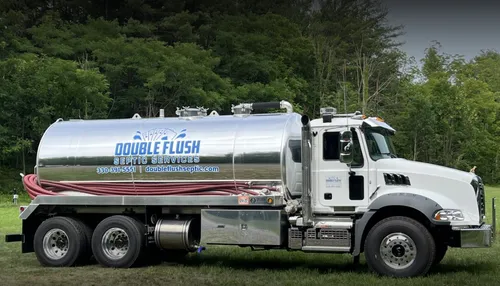
Double Flush Septic Services
2481 Remsen Rd, Medina, OH 44256
Double Flush Septic Services is a family-owned company based in Medina, OH, providing septic system installation, pumping, inspection, and repair services throughout Akron and the surrounding Northeast Ohio counties. They serve a broad area including Medina, Summit, Stark, Wayne, and Cuyahoga counties, offering expertise in maintaining and repairing septic tanks, drain fields, and aeration systems such as Norweco, Hydro-Action, and Marlow-Hunter. The company also provides emergency septic services and commercial grease trap cleaning, with capabilities like hydro jetting and drain snaking to address severe blockages. Double Flush Septic Services emphasizes local knowledge of Ohio's climate and soil conditions to support system longevity and functionality.
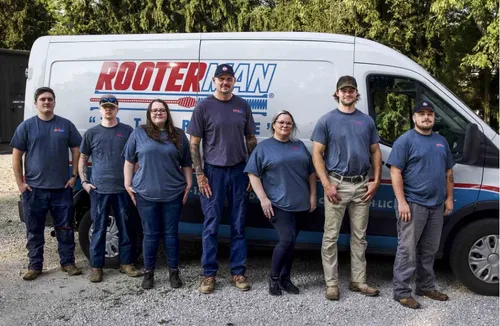
Rooter Man
195 Potomac Ave Unit B, Tallmadge, OH 44278
Rooter Man is a family-owned plumbing company serving Akron, OH, and surrounding areas including Summit, Stark, and Portage counties. They offer a wide range of services including septic tank pumping, inspection, repair, and installation, along with drain cleaning, sewer line repair, and water heater services. With over 50 years of experience, Rooter Man uses advanced tools such as hydro jetting and video pipe inspections to address plumbing and septic system issues efficiently. The company provides emergency service seven days a week to handle urgent plumbing needs.
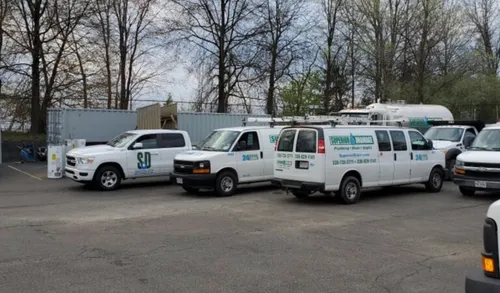
Superior Drainage
900 Killian Rd, Akron, OH 44312
Superior Drainage is a full-service plumbing company based in Akron, OH, offering residential, commercial, municipal, and septic system services. They provide septic tank pumping, repairs, and installation, along with hydro jetting and trench sewer line repair to maintain efficient wastewater management. Serving Northeast Ohio, including Summit, Portage, Stark, and Medina counties, Superior Drainage has been operating since 1996. Their team is experienced in handling a wide range of plumbing needs, from water heater installations to sewer line maintenance, with a focus on regulatory compliance and environmental safety.
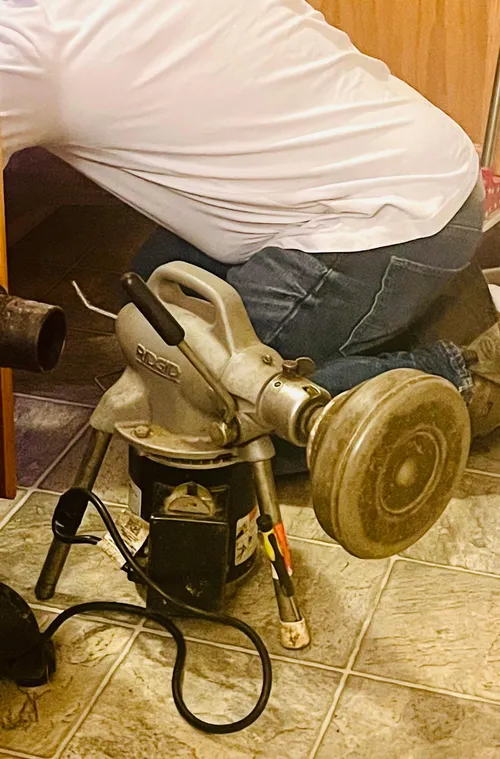
Lehman Drain & Septic
13014 Duquette Ave NE, Hartville, OH 44632
Lehman Drain & Septic is a family-owned company based near Akron, OH, providing septic system services including pumping, inspections, repairs, and installations. They serve the communities of Stark, Portage, and Summit counties, offering both scheduled and emergency services. The company is licensed, insured, and bonded, with capabilities such as camera inspections and septic pump repairs. Lehman Drain & Septic operates a 24-hour emergency service to address urgent septic and plumbing needs.

A & P Septic LLC
Cleveland, OH
A & P Septic LLC provides septic system installation, cleaning, repair, and maintenance services in Cleveland, OH. They serve Northeast Ohio with septic tank pumping, inspections, sewer line work, and excavation. The company emphasizes preventative maintenance to help avoid costly repairs and system failures. Their team is experienced in handling septic and aeration systems, water lines, and designed mounds, offering comprehensive septic solutions.
Understanding Local Regulations and Permits
All septic system work in Cuyahoga Falls and Summit County falls under the jurisdiction of Summit County Public Health (SCPH). You cannot begin any excavation or construction without the proper approvals. The cornerstone of this process is obtaining a Permit to Install (PTI), which is required for any new installation or the replacement of a failing system 1.
These regulations are in place to ensure systems are designed and built to handle your home's specific wastewater output without contaminating groundwater or creating a public nuisance. Compliance is not optional; working with a registered contractor is the first step to ensuring your project meets all Ohio Administrative Code (OAC 3701-29) and local SCPH requirements.
The Role of Registered Contractors
Ohio law mandates that only a Sewage Treatment System (STS) contractor registered with the local health district can install or replace a septic system 2. This registration is your assurance that the professional understands the local soil conditions, permit process, and construction standards. Always verify a contractor's registration with SCPH before signing any agreement.
The Step-by-Step Installation Process
A successful septic system project follows a defined sequence from evaluation to final approval. Skipping or rushing any step can lead to permit denials, system failures, or costly corrections.
1. Initial Site and Soil Evaluation
Before any design work can begin, a certified soil scientist must evaluate your property. This critical assessment determines the soil's suitability for a septic leach field. The scientist will conduct tests, including percolation tests, to measure the soil's absorption rate 3. The findings from this report dictate the type and size of system your property can support, making it the foundation for the entire project.
2. System Design and Permit Application
Using the certified soil report, a system designer (often your chosen contractor) will create a site-specific plan. This design accounts for your home's size (typically based on bedroom count), soil capability, topography, and setbacks from wells, property lines, and water bodies. You or your contractor will then submit the design, the soil report, the application, and the required fees to SCPH for review. Once approved, SCPH will issue the Permit to Install, which is typically valid for one year.
3. Installation and Inspections
With permit in hand, your registered contractor can begin construction. The installation process is monitored by SCPH through a series of mandatory inspections:
- Site Evaluation Inspection: Confirms the staked location matches the approved plan before digging begins.
- Installation Inspection: Occurs after the tank and distribution lines are placed in the ground but before they are covered. This ensures materials and construction meet code.
- Final Inspection: After the system is covered and the final grade is established, an inspector will ensure everything is complete and functional 4 5.
Find the perfect septic tank installation & replacement contractors for your needs
Get personalized recommendations and expert advice
4. Obtaining the Operation Permit
A final, crucial step is often overlooked: the Operation Permit. Once the system passes final inspection, SCPH will issue this permit, which legally allows you to use the new system 6. This permit requires periodic renewal and may mandate routine inspections or pumping to ensure long-term performance, placing ongoing maintenance responsibilities on the homeowner.
Types of Systems and Cost Considerations
The type of system installed depends almost entirely on the results of the soil evaluation.
- Conventional Gravity Systems: These are the most common and least expensive option, suitable for properties with deep, permeable soils. They use gravity to move effluent from the tank to a subsurface leach field.
- Alternative Systems: For sites with high groundwater, shallow bedrock, or poor soil permeability, more advanced systems are necessary. These include mound systems, drip irrigation systems, or systems with secondary treatment. These designs are more complex and, therefore, more costly.
Understanding the Costs
Costs for septic system projects in the Cuyahoga Falls area can vary widely based on soil conditions, system type, property access, and contractor rates. However, general estimates provide a useful starting point for budgeting 7 8:
- Soil Evaluation & Testing: Approximately $500 - $1,000.
- Permit Fees: Typically in the range of $500 - $600 or more.
- Standard Gravity System Installation: Generally between $7,000 and $10,000+.
- Alternative System Installation (Mound/Drip): Can easily exceed $15,000 to $20,000 due to added materials, engineering, and labor.
These figures are estimates. The only way to get an accurate cost is to have the soil evaluation completed and to obtain quotes from multiple registered STS contractors.
When is System Replacement Necessary?
Understanding when to replace, rather than repair, your existing septic system can save you from repeated headaches and expenses. Common signs that indicate a replacement may be needed include:
- Persistent Drainage Issues: Frequent backups, slow drains, or surfacing sewage in the yard.
- Failed Inspection: A system that cannot be repaired to meet current health code standards.
- Home Expansion: Adding bedrooms or significantly increasing water usage may overload an existing system.
- System Age: Many older systems were not built to today's standards and may be nearing the end of their functional lifespan.
The replacement process follows the same permit and installation pathway as a new installation, as it involves designing and constructing a completely new sewage treatment system 9.
Maintaining Your New Septic System
A properly installed system is an investment that should last for decades with proper care. Key maintenance tips include:
- Regular Pumping: Pump the tank typically every 3-5 years, depending on usage.
- Water Conservation: Spread out laundry loads and fix leaks to avoid hydraulically overloading the leach field.
- Mind What You Flush: Only human waste and toilet paper should go in. Avoid chemicals, grease, wipes, and feminine hygiene products.
- Protect the Drainfield: Never drive or park vehicles over it, and keep roof drains and sump pumps directed away from the area.
Adhering to these practices and complying with any conditions of your Operation Permit will help ensure your system functions effectively for years to come 10 11.
Frequently asked questions
Sources
Footnotes
-
Sewage Treatment System Rules-Regulation 415 - https://ccphohio.org/wp-content/uploads/sites/21/2017/02/reg415effective2012.pdf ↩
-
Ohio Septic License & Certification | 2025 Contractor Guide - https://www.servicetitan.com/licensing/septic/ohio ↩
-
Permitting New Septic System - Summit County Health Department - https://summitcountyhealth.org/permitting-new-septic-system/ ↩
-
Guide for Obtaining Permit to Install A Sewage Treatment ... - https://marionpublichealth.org/wp-content/uploads/2021/03/2021-HSTS-Homeowners-Guide.pdf ↩
-
How to Know if You Need a Septic System Permit - Pippin Home Designs - https://www.pippinhomedesigns.com/septic-system-permit/ ↩
-
Operation Permits | Summit County Public Health - https://www.scph.org/water-quality/operation-permits ↩
-
Guide for Obtaining Permit to Install A Sewage Treatment System - https://marionpublichealth.org/wp-content/uploads/2022/06/2022-HSTS-Homeowners-Guide.pdf ↩
-
Ohio Department of Health Report to the Household Sewage ... - https://downloads.regulations.gov/EERE-2019-BT-STD-0039-0041/content.pdf ↩
-
New or Replacement Sewage Treatment Systems - https://www.scph.org/water-quality/new-or-replacement-sewage-treatment-systems ↩
-
Household Sewage Operation & Management Program | CCBH - https://ccbh.net/household-sewage-management/ ↩
-
Information for Homeowners - https://odh.ohio.gov/know-our-programs/sewage-treatment-systems/INFORMATION-FOR-HOMEOWNERS ↩