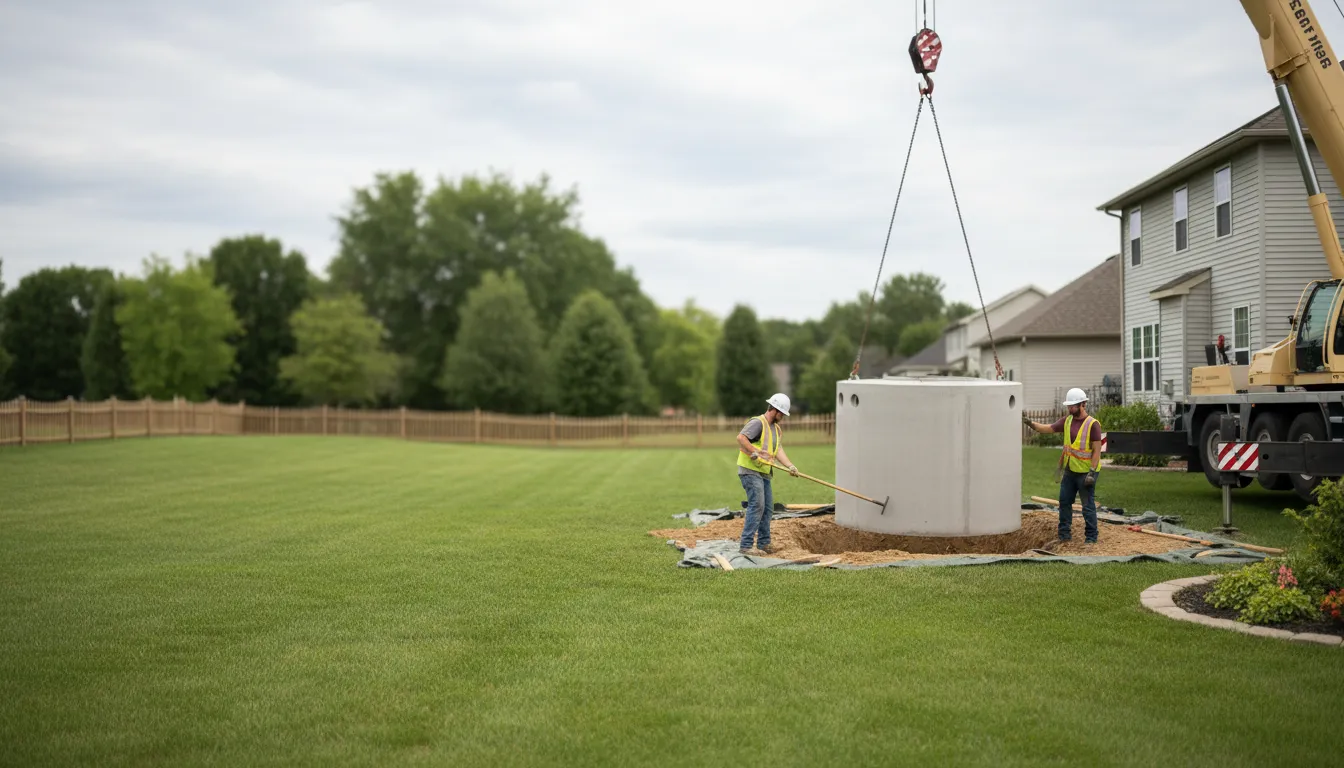
Find the Best Septic Tank Installation & Replacement Contractors for Your Business
No obligation • Fast responses • Nationwide coverage

Why you can trust Septic Spot
Septic Spot is a leading United States resource for understanding and comparing septic services. Our editors review providers using consistent criteria and verify key business details. Listings and scores are independent, and companies cannot pay to influence our content.
Search providers near you
Top Septic Tank Installation & Replacement Contractors in Euclid, Ohio Ranked
Installing or replacing a septic system is a significant home improvement project that ensures the safe and legal treatment of household wastewater. In Euclid, this process is regulated by local and state health departments to protect public health and the environment. This guide explains the key steps, regulations, and considerations for septic system work in Euclid, helping you understand what to expect and how to connect with qualified local professionals.
A & P Septic LLC
Cleveland, OH
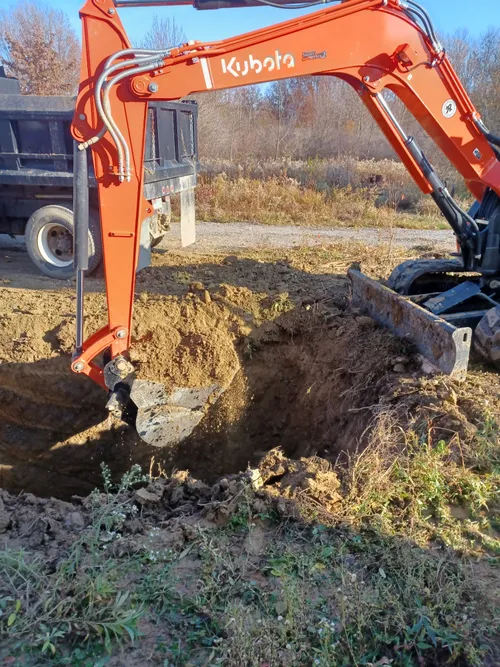
A & P Septic LLC provides septic system installation, cleaning, repair, and inspection services in Cleveland, OH. They serve Northeast Ohio with a focus on preventative maintenance to help avoid costly repairs and maintain system health. Their capabilities include septic tank pumping, sewer line services, and designed mound installations. The company emphasizes regular septic system inspections and pumping every few years to ensure trouble-free performance.
Watts Excavating
Cleveland, OH
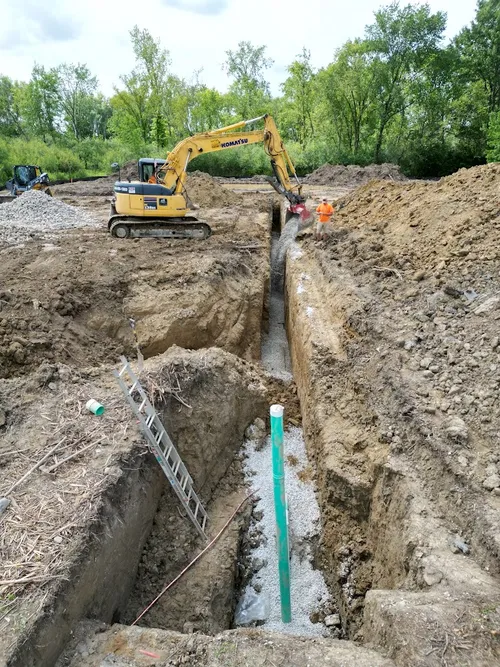
Watts Excavating is a contractor based in Cleveland, OH, specializing in septic tank installation along with drainage, waterproofing, sewer replacement, demolition, driveway installation, new foundations, additions, ponds, and sitework. The company is fully insured and offers a broad range of excavation and construction services to meet various project needs.

A & P Septic LLC
Cleveland, OH
A & P Septic LLC provides septic system installation, cleaning, repair, and maintenance services in Cleveland, OH. They serve Northeast Ohio with septic tank pumping, inspections, sewer line work, and excavation. The company emphasizes preventative maintenance to help avoid costly repairs and system failures. Their team is experienced in handling septic and aeration systems, water lines, and designed mounds, offering comprehensive septic solutions.
Sanitary Septic Tank Cleaning Inc
10915 Station Rd, Columbia Station, OH 44028
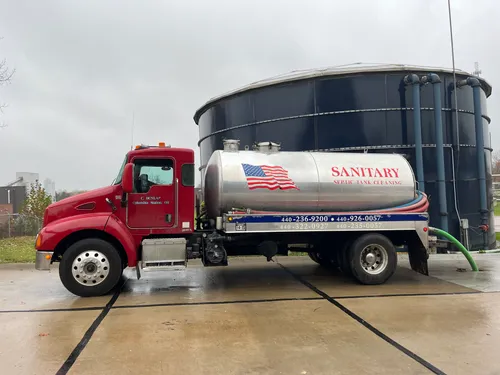
Sanitary Septic Tank Cleaning Inc is a family-owned septic tank pumping and installation company serving Cleveland, OH, and surrounding counties including Cuyahoga, Lorain, and Medina. They provide septic tank cleaning, maintenance programs, and installation of new septic systems. The company is licensed, bonded, and insured, offering specialized services such as cleaning bio-kinetic filters, sump pump sales and installation, and supplying aerator motors with warranties. They also provide enzyme treatments to help maintain septic system function and use new concrete and plastic covers to facilitate easier future cleanings without digging.
Geauga Septic Service LLC
Cleveland, OH
Geauga Septic Service LLC is a family-owned septic service provider based near Cleveland, OH, serving residential and commercial clients in Newbury and the surrounding counties including Cuyahoga, Geauga, Lake, and Portage. Established in 1960, the company offers a range of septic services such as pumping, sludge transport, system cleaning, inspections, repairs, and septic system replacements. They are licensed by the Board of Health in multiple counties and provide emergency septic services when needed.
Understanding Septic System Regulations in Cuyahoga County
All septic system installations and replacements in Euclid are governed by the Cuyahoga County Board of Health and the Ohio Department of Health (ODH). You cannot simply hire a contractor and begin digging; the work requires formal approval and oversight. The goal of these regulations is to ensure that every new or replacement sewage treatment system is designed and built to properly treat wastewater based on your specific property's conditions, preventing contamination of groundwater and surface water.
The process is managed through a permitting system. You must obtain a Sewage Treatment System (STS) installation or replacement permit from the local health district before any work begins. This legal framework is in place to safeguard your investment, your family's health, and the community's water resources.
The First Critical Step: Soil and Site Evaluation
Before any system design or permit application, a professional Soil and Site Evaluation (SSE) is mandatory 1. This is the foundational step that determines what type of septic system your property can support. A qualified evaluator will assess your soil's characteristics, including its texture, structure, and depth to limiting layers like bedrock, a high water table, or dense clay 2 3.
A key component of this evaluation is a percolation (perc) test, which measures how quickly water drains through the soil in a prepared hole 4. The results of the SSE and perc test dictate the size of the absorption field (drain field) needed and whether a standard conventional system is suitable or if a more complex engineered system (like a mound or drip irrigation system) is required 5. Skipping or failing this step can lead to a system that doesn't function, resulting in costly repairs or replacement down the line.
Navigating the Permit Process
Once you have the results of your site evaluation, the formal permitting process begins. You or your chosen designer will submit an application to the Cuyahoga County Board of Health. This application includes the proposed system design plans, which must be created by a qualified professional 6.
Permit fees vary depending on the complexity and type of system proposed 7. The health department reviews the application to ensure it complies with all Ohio Administrative Code rules. Only after you receive the approved permit can installation legally commence 8. It's crucial to keep this permit documentation, as it will be needed for the required inspections.
Choosing a Designer and Installer
In Ohio, septic system plans must be designed by a professional (such as a registered sanitarian or professional engineer) and the physical installation must be performed by an ODH-registered sewage treatment system contractor 9. It is highly recommended to work with professionals who have extensive experience in Cuyahoga County, as they will be familiar with local soil conditions, common challenges, and health department inspectors.
When comparing contractors, verify their ODH registration and ask for references from recent projects in the area. A reputable installer will handle much of the permit coordination and will schedule all necessary inspections.
Find the perfect septic tank installation & replacement contractors for your needs
Get personalized recommendations and expert advice
The Installation and Inspection Phases
A proper septic system installation follows a sequenced process with critical checkpoints.
- Pre-Installation & Excavation: The site is prepared according to the approved plans. The trenches for the drain field and the hole for the septic tank are excavated.
- Rough-In Inspection: This is a crucial inspection that occurs before the tank and absorption field are buried. A health department inspector will visit the site to verify that the tank is properly set, the piping is correct, the drain field trenches are the right size and depth, and that all components meet the approved design specifications. Passing this inspection is required before backfilling.
- Final Inspection: After the system is fully installed and backfilled, a final inspection is conducted. The inspector ensures the system is complete, the ground is properly graded to divert surface water, and all components like risers and lids are accessible for future maintenance 10 11. Once the final inspection is passed, the system can be put into use.
Cost Considerations for Septic Work in Euclid
Costs for septic system installation and replacement vary widely based on system type, soil conditions, property size, and local labor rates. It's one of the most significant factors homeowners consider.
- System Type: A conventional gravity-fed system for a suitable site is typically the most affordable option. Complex systems, such as raised sand mounds or aerobic treatment units (ATUs), are necessary for properties with poor soil or high water tables and are significantly more expensive.
- Price Ranges: Based on regional data, a full septic system replacement for a standard system can range from $5,000 to $15,000 12. For properties requiring an engineered mound system or other advanced treatment, costs can easily exceed $20,000 to $30,000 12. These figures generally include design, permits, installation, and inspections.
- Long-Term Value: While the upfront cost is substantial, a properly installed and permitted system adds value to your property and, with regular maintenance, can last for decades. Factor in the cost of routine inspections, which are often required every 1 to 3 years for newer systems to ensure ongoing functionality and compliance 13 14.
Maintaining Your New Septic System
Installation is just the beginning. Protecting your investment requires consistent care. Regular pumping (typically every 3-5 years, depending on usage) is essential to remove solids and prevent drain field failure. Be mindful of what goes down your drains-avoid flushing chemicals, grease, and non-biodegradable items. Conserve water to prevent overloading the system. Keeping detailed records of inspections, pumping, and any repairs will be invaluable for future maintenance and if you ever sell your home.
Frequently asked questions
Sources
Disclaimer: Regulations and fees can change. Always consult directly with the Cuyahoga County Board of Health for the most current requirements before beginning any septic system project.
Footnotes
-
New or Replacement Sewage Treatment Systems - https://www.scph.org/water-quality/new-or-replacement-sewage-treatment-systems ↩
-
Septic Tank Installation Guide: Get It Done Right the First Time - https://www.wepumpitsepticservice.com/how-to-install-a-septic-tank ↩
-
Septic soil testing - https://www.soiltestandseptic.com/post/septic-soil-testing ↩
-
What are the standard procedures and guidelines for septic system testing? - https://www.carrollvalley.org/codes-enforcement-zoning/faq/what-are-standard-procedures-and-guidelines-septic-system-testing ↩
-
Permitting New Septic System - Summit County Health Department - https://summitcountyhealth.org/permitting-new-septic-system/ ↩
-
Cuyahoga County, Ohio, Uniform Standards For Sewerage ... - https://cuyahogacms.blob.core.windows.net/home/docs/default-source/arb-library/proposed-rules/arb2020-0001.pdf?sfvrsn=46436942_2 ↩
-
Understanding Ohio's Septic System Regulations - https://checkmateohio.com/understanding-ohios-septic-system-regulations/ ↩
-
How to Know if You Need a Septic System Permit - Pippin Home Designs - https://www.pippinhomedesigns.com/septic-system-permit/ ↩
-
Information for Contractors - Ohio Department of Health - https://odh.ohio.gov/know-our-programs/sewage-treatment-systems/INFORMATION-FOR-CONTRACTORS ↩
-
Information for Homeowners - https://odh.ohio.gov/know-our-programs/sewage-treatment-systems/INFORMATION-FOR-HOMEOWNERS ↩
-
Septic Inspections Made Easy: What Every Contractor Needs to Know Before Breaking Ground (2025) - https://flengineeringllc.com/septic-inspections-guide-contractors-2025/ ↩
-
Septic System Cost Estimate: A Complete Breakdown - https://landperc.com/septic-system-cost-estimate/ ↩ ↩2
-
STS Components, Systems and Maintenance - https://odh.ohio.gov/know-our-programs/sewage-treatment-systems/information-for-homeowners/sts-components-systems-and-maintenance ↩
-
Complete Guide: Installing a Septic System from Start to Finish - https://www2.parklanejewelry.com/how-to-put-in-a-septic-system/ ↩