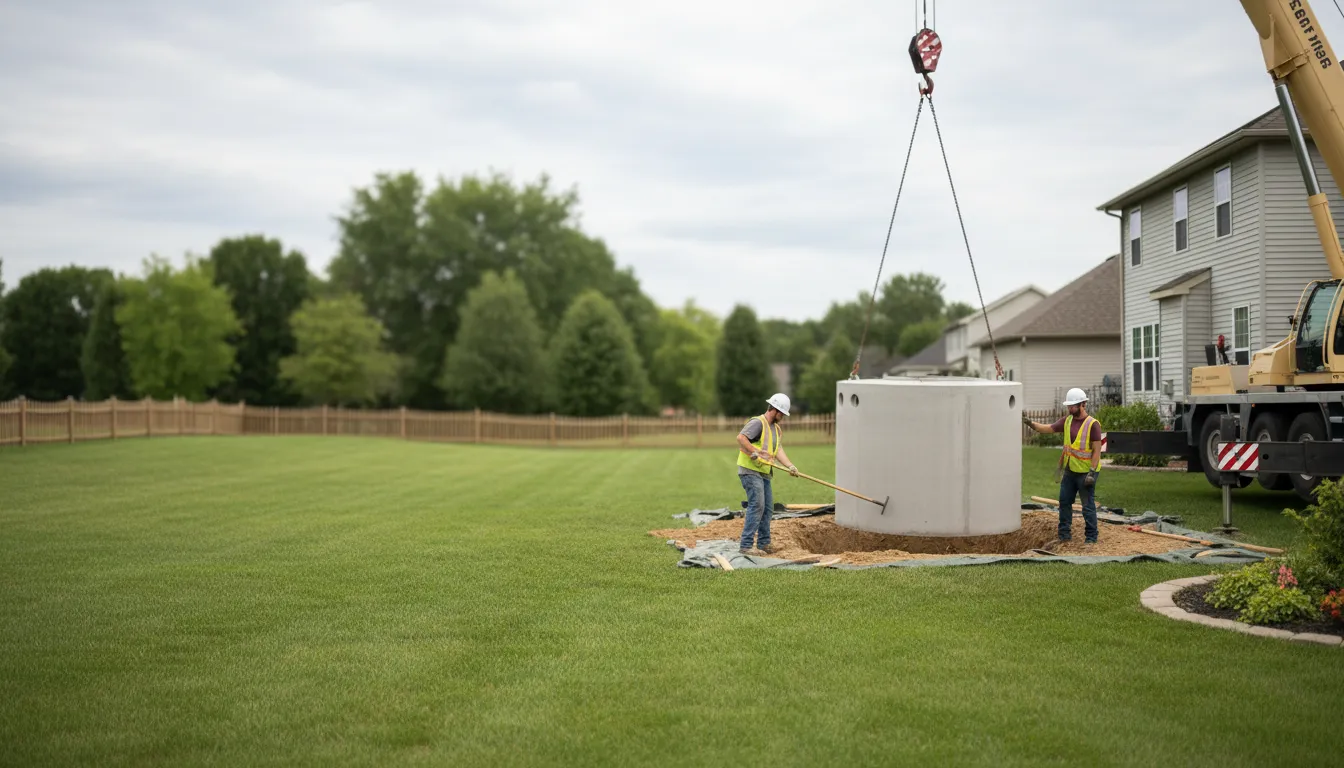
Find the Best Septic Tank Installation & Replacement Contractors for Your Business
No obligation • Fast responses • Nationwide coverage

Why you can trust Septic Spot
Septic Spot is a leading United States resource for understanding and comparing septic services. Our editors review providers using consistent criteria and verify key business details. Listings and scores are independent, and companies cannot pay to influence our content.
Search providers near you
Top Septic Tank Installation & Replacement Contractors in Huber Heights, Ohio Ranked
Installing or replacing a septic system is a significant home improvement project that ensures the safe and effective treatment of household wastewater. In Huber Heights, this process is regulated by local health authorities to protect public health and the environment. This guide will help you understand the steps, regulations, and costs involved in septic system work, connecting you with the information needed to find qualified local professionals for your project.
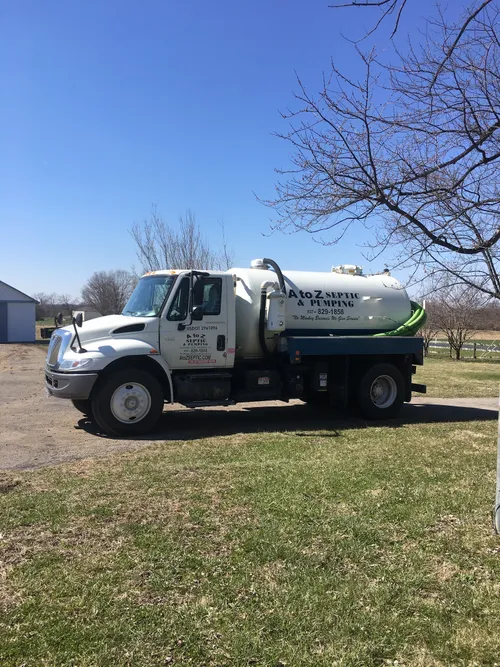
A to Z Septic and Pumping
Dayton, OH
A to Z Septic and Pumping provides a range of septic services in Dayton, OH, including septic tank pumping, inspection, installation, and repair. They also handle drain field repair and grease trap cleaning for both residential and commercial customers. The company offers expertise in maintaining and installing septic systems, ensuring effective wastewater disposal and environmental protection. Their services include emergency septic tank repairs and dumpster rentals for additional waste disposal needs. A to Z Septic and Pumping serves the Dayton area with experienced plumbing professionals who assist customers in managing wastewater safely and efficiently.
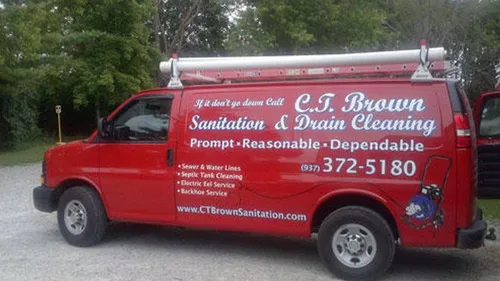
CT Brown Sanitation & Drain Cleaning
Dayton, OH
CT Brown Sanitation & Drain Cleaning is a septic tank pumping, inspection, and installation company serving Dayton, OH, and surrounding areas including Beavercreek and Xenia. With over 60 years of experience, the company provides a range of services such as septic tank cleaning, drain cleaning using electric eel and hydro jetting technology, grease trap maintenance, and full septic system installation including permits and excavation. They offer 24/7 emergency services to handle urgent septic or drainage issues and also provide snow removal during winter months to ensure safe property access.
Understanding Septic System Regulations in Montgomery County
All work on household sewage treatment systems in Huber Heights falls under the jurisdiction of Public Health - Dayton & Montgomery County (PHDMC). Whether you're building a new home, replacing a failing system, or altering an existing one, you must obtain a permit from the health department before any work begins. This regulatory framework is designed to ensure systems are properly designed and installed to function correctly and prevent contamination.
Only registered and bonded installers, along with certified system designers and soil scientists, are authorized to perform work on your septic system. This requirement protects homeowners by ensuring that only qualified professionals handle the complex task of designing and installing a wastewater treatment system. The permit itself is typically valid for one year from the date of issuance.
The Critical First Step: Soil Evaluation
A major change in Ohio's approach occurred on January 1, 2007, when Montgomery County eliminated the traditional percolation ("perc") test. Today, the mandatory first step for any new or replacement system installation is a comprehensive soil evaluation conducted by a certified soil scientist.
This detailed evaluation is far more thorough than an old-fashioned perc test. The scientist will analyze the soil's texture, structure, and depth to seasonal saturation (water table) to determine the property's long-term acceptance rate of effluent. The findings from this report are the foundation for the entire system design, dictating the type of system that can be installed and its specific sizing and configuration.
The Step-by-Step Installation & Replacement Process
Navigating the process for a new septic tank or a full system replacement involves several defined stages. Following these steps in order is crucial for a smooth and compliant project.
1. Hire a Certified Soil Scientist
Your first action is to contract a soil scientist certified by the Ohio Department of Health. They will visit your property, dig soil pits, and produce a official soil evaluation report.
2. System Design by a Registered Designer
With the soil report in hand, a registered Sewage Treatment System (STS) designer will create the engineering plans for your system. The design must comply with the Ohio Administrative Code (OAC 3701-29) and is tailored to the specific conditions of your lot 1.
3. Submit Permit Application to PHDMC
You or your contractor will submit the complete application package to Public Health - Dayton & Montgomery County. This includes the site review application, the official soil report, the designer's system plans, and the required permit fee 2.
4. Receive Installation Permit
Once the health department reviews and approves your application package, they will issue a Permit to Install. This is your authorization to begin construction according to the approved plans 3.
Find the perfect septic tank installation & replacement contractors for your needs
Get personalized recommendations and expert advice
5. Installation with Mandatory Inspections
During the installation, the health department must be notified to conduct inspections at critical stages, such as before the tank is set and before the drain field is covered 4. These inspections verify that the work matches the approved design and meets all code requirements.
6. Final Approval and "As-Built" Submission
After a final inspection and approval by the health department, the installer will cover the system 5. A crucial last step is submitting an "as-built" drawing to the health department, which shows the system's exact installed location for future reference 6.
Types of Systems and Associated Costs
The type of system you need is determined by the soil evaluation. Costs can vary significantly based on system type, property size, and soil conditions.
- Conventional Gravity System: This is the most common and least expensive option, suitable for properties with deep, permeable soils. Installation costs in the region typically range from $3,500 to $8,500.
- Alternative Systems (Mounds, Sand Filters, etc.): Required for properties with high water tables, shallow bedrock, or poor soil permeability. These are engineered solutions that involve more materials and complex construction. Costs can range from $4,000 to over $15,000 7.
In addition to installation, budget for permit fees (which can vary but are often in the range of $200-$300 for application reviews), the soil scientist's fee, and the designer's fee 8 9 10. It's always best to confirm the current fee schedule directly with PHDMC.
Ongoing System Maintenance and Operation
Your responsibility doesn't end once the system is installed. To receive a final "Permit to Operate" from the health department-which is valid for 1 to 10 years-you must have a maintenance contract with a registered service provider 11. This ensures your system is pumped and inspected regularly, protecting your investment and preventing failures.
Frequently asked questions
Sources
Footnotes
-
Information for Homeowners - https://odh.ohio.gov/know-our-programs/sewage-treatment-systems/INFORMATION-FOR-HOMEOWNERS ↩
-
Step-by-Step Guide to Septic System Installation & Replacement - https://www.tidytimsinc.com/step-by-step-guide-to-installing-or-replacing-a-septic-system-in-central-ohio ↩
-
The Ultimate Guide to Septic System Installation Process | Septic System Professionals - https://septic911.com/septic-system-installation-process/ ↩
-
Septic Installation Permit Step 1: Site Evaluation - https://perrycountyhealth.info/pdf/PCHD-Septic-Installation-Packet.pdf ↩
-
Pike County General Health District - https://pike-health.com/wp-content/uploads/2022/01/HSTS-Cheat-Sheet-Final.pdf ↩
-
New or Replacement Sewage Treatment Systems - https://www.scph.org/water-quality/new-or-replacement-sewage-treatment-systems ↩
-
How much does it cost for a new septic and drain field? Just an ... - https://www.facebook.com/groups/204486930758046/posts/1461789831694410/ ↩
-
Guide for Obtaining Permit to Install A Sewage Treatment ... - https://marionpublichealth.org/wp-content/uploads/2021/03/2021-HSTS-Homeowners-Guide.pdf ↩
-
Ohio Septic License & Certification | 2025 Contractor Guide - https://www.servicetitan.com/licensing/septic/ohio ↩
-
Septic Tanks Get New Rules in Ohio - Clear Drain Cleaning - https://cleardraincleaning.com/septic-tanks-get-new-rules-ohio/ ↩
-
Sewage Treatment Systems - Public Health - Dayton ... - https://www.phdmc.org/programs-a-to-z/household-sewage-treatment-system-program ↩