
Find the Best Septic Tank Installation & Replacement Contractors for Your Business
No obligation • Fast responses • Nationwide coverage

Why you can trust Septic Spot
Septic Spot is a leading United States resource for understanding and comparing septic services. Our editors review providers using consistent criteria and verify key business details. Listings and scores are independent, and companies cannot pay to influence our content.
Search providers near you
Top Septic Tank Installation & Replacement Contractors in Kettering, Ohio Ranked
Installing or replacing a septic system is a significant project that requires careful planning and adherence to strict local regulations. For Kettering homeowners, this process is governed by Ohio Department of Health (ODH) rules and managed by the local health district. A properly installed system is crucial for protecting your property, your health, and the local environment. The following guide outlines the key steps, requirements, and considerations to help you understand the process of finding qualified local professionals for your septic system project.
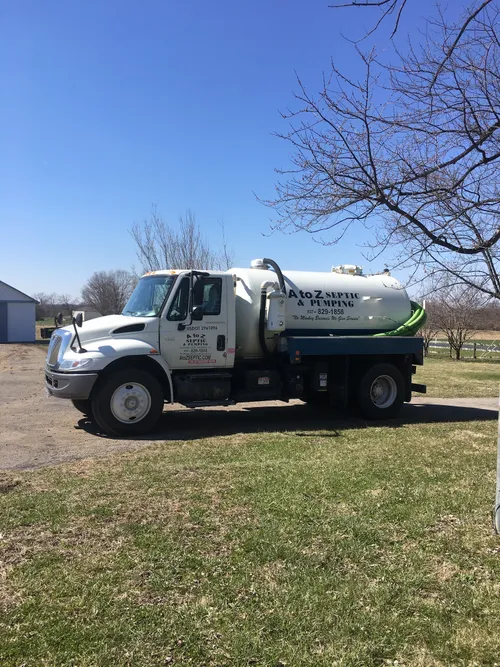
A to Z Septic and Pumping
Dayton, OH
A to Z Septic and Pumping provides a range of septic services in Dayton, OH, including septic tank pumping, inspection, installation, and repair. They also handle drain field repair and grease trap cleaning for both residential and commercial customers. The company offers expertise in maintaining and installing septic systems, ensuring effective wastewater disposal and environmental protection. Their services include emergency septic tank repairs and dumpster rentals for additional waste disposal needs. A to Z Septic and Pumping serves the Dayton area with experienced plumbing professionals who assist customers in managing wastewater safely and efficiently.
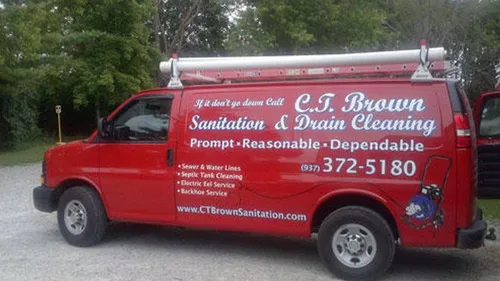
CT Brown Sanitation & Drain Cleaning
Dayton, OH
CT Brown Sanitation & Drain Cleaning is a septic tank pumping, inspection, and installation company serving Dayton, OH, and surrounding areas including Beavercreek and Xenia. With over 60 years of experience, the company provides a range of services such as septic tank cleaning, drain cleaning using electric eel and hydro jetting technology, grease trap maintenance, and full septic system installation including permits and excavation. They offer 24/7 emergency services to handle urgent septic or drainage issues and also provide snow removal during winter months to ensure safe property access.
Understanding the Regulatory Landscape in Ohio
All septic system installations and replacements in Montgomery County must comply with Ohio Administrative Code Chapter 3701-29. This state code sets the minimum standards for the design, construction, installation, and inspection of home sewage treatment systems (HSTS) 1. The local enforcing agency for Kettering is Public Health - Dayton & Montgomery County. You cannot begin any excavation or installation work without first obtaining the proper permits from this department.
The primary goal of these regulations is to ensure that wastewater is treated effectively before it re-enters the environment, preventing the contamination of groundwater and surface water. Non-compliance can lead to system failure, environmental damage, costly fines, and the inability to sell your property.
The Step-by-Step Process for Installation or Replacement
Navigating a septic project involves a series of mandated steps. Skipping any can lead to delays, failed inspections, and additional costs.
1. Initial Site Evaluation and Soil Testing
Before any design work can begin, a thorough evaluation of your property is required. The most critical component is a soil evaluation, commonly known as a perc (percolation) test.
- Purpose: This test determines the soil's ability to absorb and treat liquid effluent from a septic tank. The results dictate the type and size of the drain field (or leach field) needed2 3.
- Who Conducts It: The test must be performed by a licensed soil scientist or a Registered Sanitarian. Your chosen septic contractor will often arrange this with a qualified professional.
- Importance for Kettering: Areas with high clay content or poor drainage may "fail" a standard perc test. This doesn't mean a system is impossible, but it will require a more advanced (and often more expensive) alternative treatment system.
2. System Design and Permit Application
With the soil evaluation complete, a formal system design is created.
- The Design Plan: This site plan details the location of the septic tank, distribution box, and absorption field. For complex sites or certain alternative systems, the design may need to be stamped by a professional engineer 4.
- Submitting the Application: The design, along with the soil evaluation report and a completed application, is submitted to Public Health - Dayton & Montgomery County for a Site Review and Installation Permit5. Fees for this permit vary by the local health district.
3. Choosing a Registered Installation Contractor
Ohio law is explicit: only registered septic system contractors are legally permitted to install or replace a system6. When evaluating local providers:
- Verify their registration is current with the Ohio Department of Health.
- Ask for proof of liability insurance.
- Request references from recent projects in the area.
- Ensure they have experience with the type of system your property requires (conventional trench, chamber system, or advanced treatment unit).
4. Installation and Mandatory Inspections
Once permits are secured and a contractor is hired, physical work can begin. The installation process is punctuated by mandatory inspections that must be scheduled with the health department.
- Pre-Construction Meeting: Some districts require a meeting with the inspector on-site before digging begins.
- Tank Placement Inspection: After the septic tank is set in the ground but before it is connected or backfilled, an inspector will check its placement, depth, and structural integrity.
- Drain Field Inspection: Similarly, the tile field or absorption area must be inspected before any soil is placed over it. The inspector verifies proper construction, including the use of clean gravel, level distribution lines, and the installation of observation ports7 8.
- Final Approval: Only after the system passes all inspections and the installer provides "as-built" drawings will the health department issue a final approval. This documentation is vital for your property records.
Find the perfect septic tank installation & replacement contractors for your needs
Get personalized recommendations and expert advice
Key Considerations and Cost Factors
Understanding the variables that influence your project can help in planning and budgeting.
- System Type and Size: A standard anaerobic septic tank for a residential home is typically a minimum of 1,000 to 1,500 gallons9. If your soil requires an aerobic treatment unit (ATU), mound system, or other alternative technology, costs will be significantly higher.
- Inspection Fees: Separate from permit fees, you will pay for the required inspections. In Ohio, the average septic inspection fee is around $550, but it can range from $200 to $900 depending on the system's complexity and the health district10.
- Total Installation Cost: The cost for a full septic system installation or replacement is highly variable. It depends on system type, tank size, soil conditions, land clearing needs, and local labor rates. The single largest cost driver is often the need for an advanced system due to failing a standard perc test11 12.
- Replacement vs. New Installation: Replacing a failed system follows the same permit and inspection process as a new installation. Often, the new system cannot be placed in the exact same location as the old one, requiring more space on your property.
Maintaining Your New Septic System
A properly installed system is only the beginning. Protecting your investment requires regular maintenance.
- Pumping: Have the septic tank pumped every 3-5 years by a licensed hauler.
- Water Conservation: Spread out water use and fix leaks to avoid overloading the drain field.
- Mind What You Flush: Only human waste and toilet paper should go into the system. Avoid chemicals, grease, wipes, and other non-biodegradables.
- Protect the Drain Field: Never drive or park vehicles over the absorption field, and keep rainwater drainage systems directed away from it.
By following the regulated process and choosing a qualified, registered professional, Kettering homeowners can ensure their septic system installation is safe, legal, and built to last for decades.
Frequently asked questions
Sources
Footnotes
-
Regulations for home sewage treatment systems - https://ohioepa.custhelp.com/app/answers/detail/a_id/368/~/regulations-for-home-sewage-treatment-systems ↩
-
Perc Testing and Soil Testing - What You Need to Know - https://buildingadvisor.com/buying-land/septic-systems/soil-and-perc-testing/ ↩
-
Perc Test for Septic System: A Complete Guide - https://landperc.com/perc-test-for-septic-system/ ↩
-
Step-by-Step Guide to Installing or Replacing a Septic System in Central Ohio - https://www.tidytimsinc.com/step-by-step-guide-to-installing-or-replacing-a-septic-system-in-central-ohio ↩
-
Information for Homeowners - https://odh.ohio.gov/know-our-programs/sewage-treatment-systems/INFORMATION-FOR-HOMEOWNERS ↩
-
Information for Contractors - Ohio Department of Health - https://odh.ohio.gov/know-our-programs/sewage-treatment-systems/INFORMATION-FOR-CONTRACTORS ↩
-
A GUIDE FOR ON-SITE SEWAGE DISPOSAL ... - Ohio.gov - https://dam.assets.ohio.gov/image/upload/epa.ohio.gov/Portals/35/documents/Sewage2000.pdf ↩
-
Septic System Install Timeline | RCI Septic Service - https://www.rciseptic.com/complete-step-by-step-timeline-septic-system-installation-from-permit-to-finish ↩
-
What Size Septic Tank Do I Need - https://www.ntotank.com/blog/what-size-septic-tank-do-i-need ↩
-
How Much Does a Septic Inspection Cost? [2026 Data] - Angie's List - https://www.angi.com/articles/septic-inspection-cost.htm ↩
-
What is the best septic system if your land fails a perc test? - https://www.premiertechaqua.com/en-us/blog/best-septic-system-failed-perc-test ↩
-
Ohio Septic License & Certification | 2025 Contractor Guide - https://www.servicetitan.com/licensing/septic/ohio ↩