Find the Best Septic Tank Installation & Replacement Contractors for Your Business
No obligation • Fast responses • Nationwide coverage

Why you can trust Septic Spot
Septic Spot is a leading United States resource for understanding and comparing septic services. Our editors review providers using consistent criteria and verify key business details. Listings and scores are independent, and companies cannot pay to influence our content.
Search providers near you
Top Septic Tank Installation & Replacement Contractors in Strongsville, Ohio Ranked
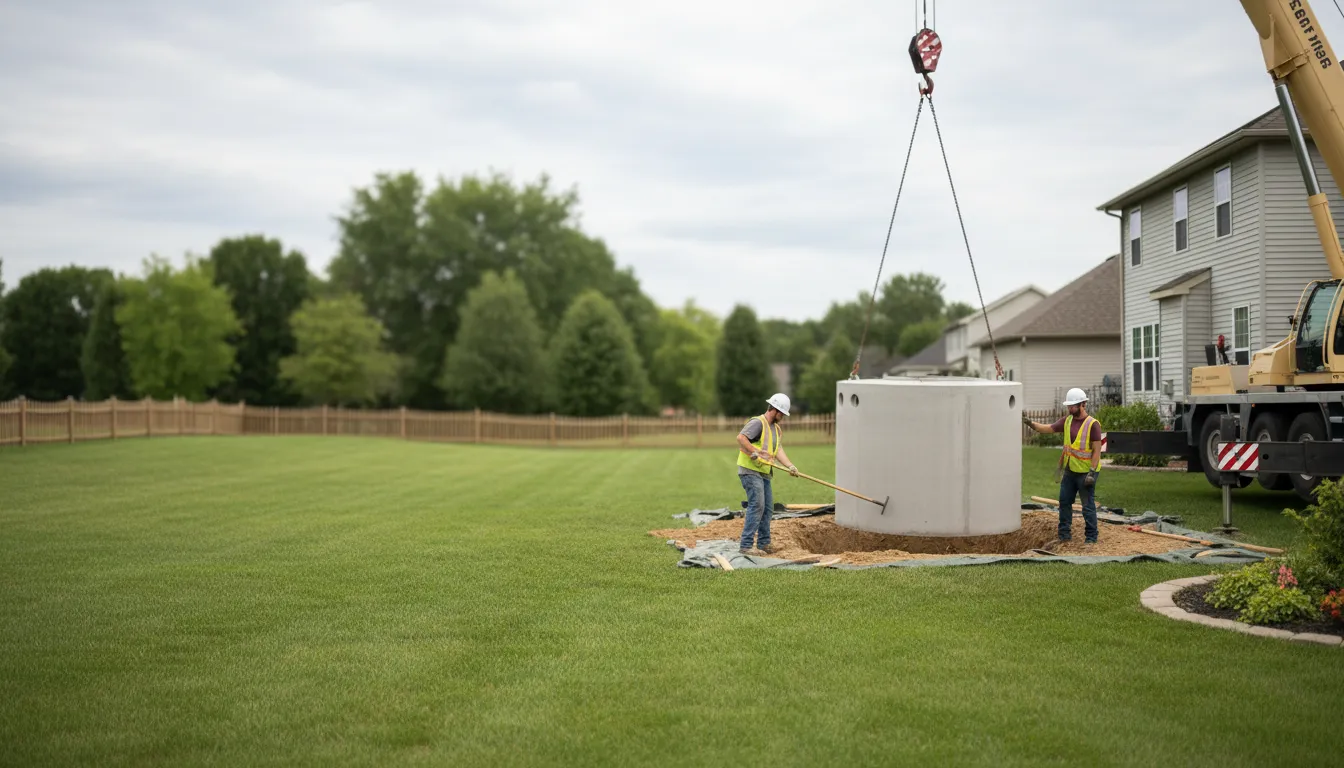
Installing or replacing a septic system is a significant investment in your property's long-term functionality and value. In Strongsville, this process is governed by specific local and state regulations to protect public health and the environment. This guide explains the key steps, rules, and considerations for septic system installation and replacement, helping you navigate the process from initial site evaluation to final inspection. You can use this information to understand what to expect and to find qualified local professionals for your project.
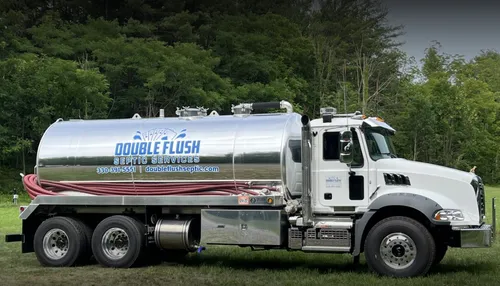
Double Flush Septic Services
2481 Remsen Rd, Medina, OH 44256
Double Flush Septic Services is a family-owned company based in Medina, OH, providing septic system installation, pumping, inspection, and repair services throughout Akron and the surrounding Northeast Ohio counties. They serve a broad area including Medina, Summit, Stark, Wayne, and Cuyahoga counties, offering expertise in maintaining and repairing septic tanks, drain fields, and aeration systems such as Norweco, Hydro-Action, and Marlow-Hunter. The company also provides emergency septic services and commercial grease trap cleaning, with capabilities like hydro jetting and drain snaking to address severe blockages. Double Flush Septic Services emphasizes local knowledge of Ohio's climate and soil conditions to support system longevity and functionality.
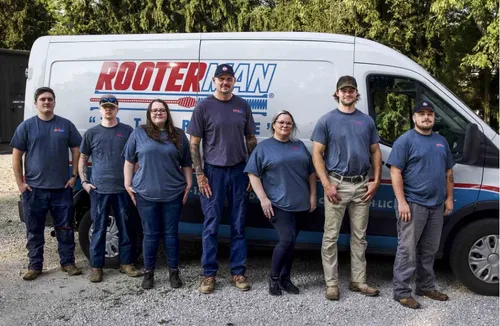
Rooter Man
195 Potomac Ave Unit B, Tallmadge, OH 44278
Rooter Man is a family-owned plumbing company serving Akron, OH, and surrounding areas including Summit, Stark, and Portage counties. They offer a wide range of services including septic tank pumping, inspection, repair, and installation, along with drain cleaning, sewer line repair, and water heater services. With over 50 years of experience, Rooter Man uses advanced tools such as hydro jetting and video pipe inspections to address plumbing and septic system issues efficiently. The company provides emergency service seven days a week to handle urgent plumbing needs.
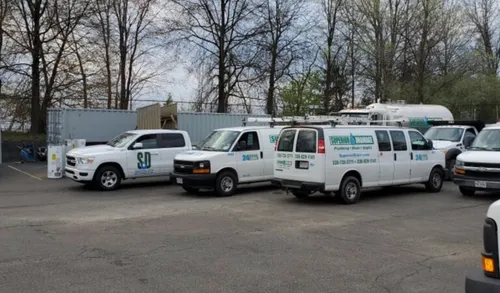
Superior Drainage
900 Killian Rd, Akron, OH 44312
Superior Drainage is a full-service plumbing company based in Akron, OH, offering residential, commercial, municipal, and septic system services. They provide septic tank pumping, repairs, and installation, along with hydro jetting and trench sewer line repair to maintain efficient wastewater management. Serving Northeast Ohio, including Summit, Portage, Stark, and Medina counties, Superior Drainage has been operating since 1996. Their team is experienced in handling a wide range of plumbing needs, from water heater installations to sewer line maintenance, with a focus on regulatory compliance and environmental safety.
A & P Septic LLC
Cleveland, OH
A & P Septic LLC provides septic system installation, cleaning, repair, and inspection services in Cleveland, OH. They serve Northeast Ohio with a focus on preventative maintenance to help avoid costly repairs and maintain system health. Their capabilities include septic tank pumping, sewer line services, and designed mound installations. The company emphasizes regular septic system inspections and pumping every few years to ensure trouble-free performance.

A & P Septic LLC
Cleveland, OH
A & P Septic LLC provides septic system installation, cleaning, repair, and maintenance services in Cleveland, OH. They serve Northeast Ohio with septic tank pumping, inspections, sewer line work, and excavation. The company emphasizes preventative maintenance to help avoid costly repairs and system failures. Their team is experienced in handling septic and aeration systems, water lines, and designed mounds, offering comprehensive septic solutions.
Understanding the Regulatory Landscape in Cuyahoga County
All new septic system installations, major repairs, and replacements in Strongsville require approval and permitting from the Cuyahoga County Board of Health (CCBH). The state of Ohio, through the Ohio Department of Health (ODH), sets the overarching rules that local health districts enforce. This means your project must comply with both state code and any additional county-specific requirements. The primary goal of these regulations is to ensure that wastewater is treated effectively before it re-enters the groundwater, preventing contamination and public health risks.
A critical first step is understanding that Ohio law requires any contractor performing septic system installation, repair, or pumping to be registered with the Ohio Department of Health and the local health district 1. Always verify a contractor's registration status before hiring them. The permitting process is not merely a formality; it involves multiple inspections by health department officials at critical stages of construction to ensure compliance with the approved design 2.
The Critical First Step: Site Evaluation and Soil Testing
You cannot design or install a septic system without first understanding the land it will be built on. A proper site evaluation is the non-negotiable foundation of the entire project. This process determines if your property is suitable for a conventional septic system and dictates the specific type of system required.
The evaluation involves two key components:
- Soil Evaluation: A qualified evaluator will dig test pits to examine soil depth, texture (clay, sand, loam), and seasonal water table levels. The soil must provide adequate treatment as wastewater percolates through it.
- Percolation ("Perc") Test: This test measures how quickly water drains through the soil. A slow perc rate indicates poor drainage, which can cause system failure, while a very fast rate may not allow for proper treatment 3 4.
Ideal site characteristics for a conventional system include more than two acres of land, a slope of less than 15%, and a soil depth to bedrock or a limiting layer of greater than 60 inches 5. If your property does not meet these criteria, you may need an alternative or engineered system, which can be more complex and costly.
Navigating the Permit Process
Once you have a favorable site evaluation, the formal permitting process begins. You or your licensed installer will submit an application to the Cuyahoga County Board of Health. This application will include the site evaluation report and the proposed system design.
Key design requirements under current Ohio rules include planning for both a primary and a secondary (reserve) leach area 6. The secondary area must be left undisturbed but available for future use if the primary field ever fails. This rule underscores the importance of long-term planning and protecting your entire drainfield area from compaction or construction.
Permit fees vary based on the type and complexity of the proposed sewage treatment system (STS) and should be confirmed directly with the CCBH. Do not proceed with any excavation or construction until you have the permit in hand.
The Installation Process: From Excavation to Inspection
With a permit secured, the physical installation can begin. This is a multi-stage process where coordination with your installer and the health department is essential.
- Pre-Construction Meeting: Often, a health department official will visit the site with the installer to stake out the system's location before any digging starts.
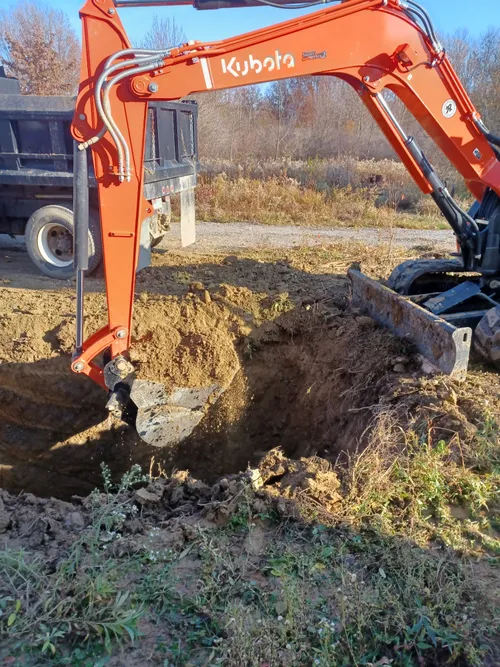
- Excavation and Installation: The installer will excavate for the septic tank and the leach field according to the approved design. The tank is set and connected to the home's plumbing and the distribution lines in the field.
- Critical Construction Inspections: This is a vital part of the process. The health department must inspect the open trenches, the placed tank, and the distribution lines before they are covered with soil 7. Failing to call for these inspections can result in orders to excavate the work for verification, leading to significant delays and extra costs.
- Final Inspection: Once the entire system is installed and covered, a final inspection is required by the local health district to close out the permit.
Find the perfect septic tank installation & replacement contractors for your needs
Get personalized recommendations and expert advice
When is Replacement Necessary?
Understanding when a system needs full replacement versus a repair can save you money and prevent environmental hazards. Common triggers for septic system replacement include:
- System Failure: This is the most clear-cut reason. Signs include sewage backing up into household drains, foul odors around the tank or drainfield, and most notably, sewage effluent surfacing on your lawn 8.
- Non-Functional System: An older system that no longer meets current treatment standards or cannot handle the household's water usage.
- Failed Inspection: During a real estate transaction or routine maintenance check, a certified inspector may find irreparable damage to the tank (like severe cracking) or a drainfield that is completely clogged and non-functional.
- Home Expansion: If you're significantly increasing the number of bedrooms in your home, the existing system may be undersized and require an upgrade or replacement.
Cost Considerations for Installation and Replacement
The cost for a new septic system or a full replacement in Strongsville varies widely. For a standard residential system, you can generally expect the total cost to start upwards of $10,000 and often exceed $20,000 9. Several factors influence the final price:
- Soil Conditions and System Type: Difficult soil or the need for an advanced treatment system (like an aerobic treatment unit or sand filter) can dramatically increase costs.
- System Size: The size of the tank and the extent of the drainfield are based on the home's number of bedrooms and projected wastewater flow.
- Site Accessibility: Easy access for heavy machinery keeps costs down. Wooded lots, steep slopes, or tight spaces can complicate excavation.
- Permitting and Design Fees: Include costs for the soil scientist, percolation test, engineering design (if needed), and the health department permit fees.
For context, a general septic inspection (often part of the evaluation process for an existing system) averages around $550, with a typical range of $200 to $900 10. This is a separate cost from the installation itself.
Long-Term Care and Protecting Your Investment
A new septic system is a major investment that, with proper care, can last for decades. Ohio law requires routine maintenance inspections: standard systems must be inspected every three years, while systems with electrical or mechanical components (like pumps or aerators) require annual inspections 11 12.
Crucial protective measures include:
- Never build structures, drive, or park vehicles over the septic tank or any part of the drainfield. This compacts the soil, crushing pipes and ruining the soil's ability to treat wastewater 13.
- Plant only grass over the drainfield. Tree and shrub roots can infiltrate and clog pipes.
- Practice water conservation and avoid flushing harmful chemicals, grease, or non-biodegradable materials.
Always contact the Cuyahoga County Board of Health at the start of any project for the most up-to-date rules, application forms, and guidance specific to your property.
Frequently asked questions
Sources
Footnotes
-
Ohio Septic License & Certification | 2025 Contractor Guide - https://www.servicetitan.com/licensing/septic/ohio ↩
-
Sewage Treatment Systems Forms & Bond Lists - https://odh.ohio.gov/know-our-programs/sewage-treatment-systems/forms ↩
-
RoxSol - Resources - Septic System Information - Soil Testing - https://www.roxsol.com/Resources-Septic-System-Information-Soil-Testing/ ↩
-
How to Know if You Need a Septic System Permit - Pippin Home Designs - https://www.pippinhomedesigns.com/septic-system-permit/ ↩
-
The Basics of Installing a Septic System - Next Modular - https://www.nextmodular.com/the-basics-of-installing-a-septic-system/ ↩
-
Septic Tanks Get New Rules in Ohio - Clear Drain Cleaning - https://cleardraincleaning.com/septic-tanks-get-new-rules-ohio/ ↩
-
Septic System Installation 101: A Beginner's Guide - https://www.townesseptic.com/blog/septic-system-installation-beginners-guide ↩
-
Permitting New Septic System - https://summitcountyhealth.org/permitting-new-septic-system/ ↩
-
Information for Homeowners - https://odh.ohio.gov/know-our-programs/sewage-treatment-systems/INFORMATION-FOR-HOMEOWNERS ↩
-
How Much Does a Septic Inspection Cost? [2026 Data] - Angie's List - https://www.angi.com/articles/septic-inspection-cost.htm ↩
-
Understanding Ohio's Septic System Regulations - https://checkmateohio.com/understanding-ohios-septic-system-regulations/ ↩
-
The Permitting Process for a New Septic System in Northern Kentucky - https://www.kysepticservice.com/helpful-info/permitting-process-new-septic-system-northern-kentucky.html ↩
-
A GUIDE FOR ON-SITE SEWAGE DISPOSAL ... - Ohio.gov - https://dam.assets.ohio.gov/image/upload/epa.ohio.gov/Portals/35/documents/Sewage2000.pdf ↩