Find the Best Septic Tank Installation & Replacement Contractors for Your Business
No obligation • Fast responses • Nationwide coverage

Why you can trust Septic Spot
Septic Spot is a leading United States resource for understanding and comparing septic services. Our editors review providers using consistent criteria and verify key business details. Listings and scores are independent, and companies cannot pay to influence our content.
Search providers near you
Top Septic Tank Installation & Replacement Contractors in Youngstown, Ohio Ranked
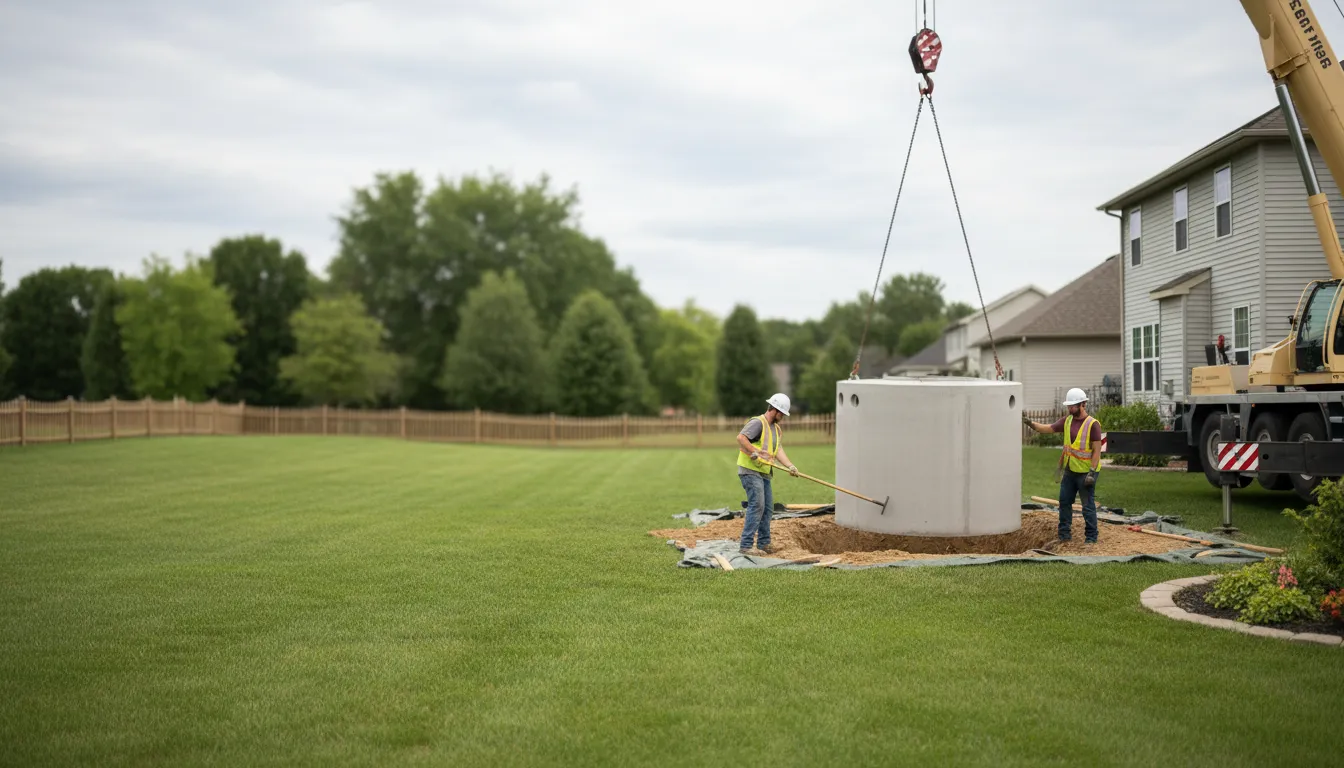
Installing or replacing a septic system is a significant investment in your property's long-term functionality and environmental health. For homeowners in Youngstown, this process is governed by specific state and local regulations to ensure systems are safe, effective, and durable. This guide explains the critical steps, local requirements, and what to expect when planning a new septic system installation or a full system replacement in Mahoning County. You can use this information to understand the process, ask the right questions, and find qualified local professionals to handle your project.

Clonch & Sons Excavating
3956 S Canal St, Newton Falls, OH 44444
Clonch & Sons Excavating is a septic tank installation contractor serving Akron, OH, and the surrounding areas including Newton Falls, Trumbull, and Portage counties. With over 30 years of experience, they specialize in septic system installations and excavating services. Their capabilities include installing septic systems, sewer lines, curtain drains, water lines, and driveways, ensuring compliance with local codes and regulations. The business has a long family history in excavating and is committed to supporting the local community.
Pags Excavating
141 Homeworth Rd, Alliance, OH 44601
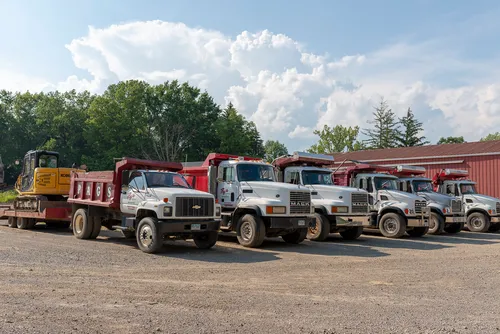
Pags Excavating is a full-service site and utility contractor based near Akron, OH, offering commercial and residential excavation services. Their work includes dirt work, underground site work, and septic system installation. Serving Stark, Portage, Mahoning, Columbiana counties, and surrounding areas, Pags Excavating brings over 40 years of experience since 1980. They focus on meeting client needs with careful project management and budget considerations.
Understanding Local Authority and Regulations
All new or replacement septic systems in Youngstown and Mahoning County must be approved and permitted by Mahoning County Public Health. This local health district enforces the Ohio Administrative Code Chapter 3701-29, which sets the standards for sewage treatment systems across the state1. The code ensures systems are designed with appropriate technology for local soil conditions-a crucial factor in Ohio where heavy clay soils are common.
A key rule is that only state-registered contractors are legally allowed to install, alter, or replace a septic system. This registration is your assurance that the installer understands the complex web of regulations. If an existing system is malfunctioning beyond repair, a replacement permit is required; you cannot simply install a new tank in the same location without official approval2.
The Critical First Step: Site and Soil Evaluation
Before any design work can begin, a professional site evaluation is mandatory. This isn't a simple visual check; Ohio law requires that a certified soil scientist from the Ohio Department of Health evaluate your property.
The scientist assesses several key factors that determine what type of system you can install and where it can go:
- Soil Permeability: How quickly water drains through the soil. Slow-draining clay requires a different system design than sandy soil.
- Depth to Bedrock: The system's drainage field must have adequate soil depth above any limiting layer.
- Seasonal High-Water Table: The drain field must be placed well above the highest point the groundwater reaches to prevent contamination3.
This evaluation produces a report that dictates the system's design parameters. Skipping or attempting to bypass this step will result in a permit denial, as the health department must approve the site's suitability before issuing a permit to install.
Navigating the Permit Process
With a favorable soil report in hand, the formal application process begins. Your registered installer will typically manage this, but understanding the steps is important for homeowners.
- Design Submission: A system design plan, based on the soil evaluation and your home's size (number of bedrooms), is prepared and submitted to Mahoning County Public Health.
- Application Review: The health department reviews the design for compliance with all state and local codes.
- Permit Issuance: Once approved, a "Permit to Install" or "Permit to Alter" is issued. Crucially, no construction can legally begin until this permit is in hand. Starting work without a permit triggers a significant penalty-often a 25% fee increase on the total permit cost4 5.
- Fee Payment: Permit fees vary and should be confirmed directly with Mahoning County Public Health. In Ohio, these fees can range from several hundred to over a thousand dollars depending on the system's complexity.
The Installation and Inspection Phases
Once permitted, the physical installation proceeds in stages, each requiring verification from the health department.
- Pre-Construction Inspection: Before digging, a health department inspector may visit to verify the system's layout on the property matches the approved plan.
- Installation Inspection: This is the most critical inspection. After the tank, distribution box, and drainage field trenches are installed but before they are covered, the inspector must examine the work. They check for proper construction, materials, and placement. No backfilling can occur until this inspection is passed 6.
- Final Approval: After the system is covered and the landscape restored, a final inspection may be required. The installer must also submit an "as-built" drawing-a detailed sketch showing the system's exact final location and dimensions-to the health department for their records7. Only after all inspections are passed can the system be put into use.
Find the perfect septic tank installation & replacement contractors for your needs
Get personalized recommendations and expert advice
Costs and Considerations for Youngstown Homeowners
The total cost of a septic system installation or replacement in Youngstown is influenced by multiple variables. While specific prices should be obtained from local contractors, understanding the cost components is helpful.
- System Type: A standard conventional septic system (tank and drain field) is typically the most affordable option if your soil permits it. If your site has poor drainage, high bedrock, or a high-water table, you may need an advanced treatment system (like an aerobic treatment unit or sand filter), which can significantly increase costs 8.
- Project Components: The total price isn't just for the tank and pipe. It generally includes the soil scientist's fee, permit fees, system design, excavation, all materials (tank, piping, gravel), labor, and final grading/landscaping9 10.
- Replacement vs. New Install: Replacing a failed system can sometimes be more expensive if the new system requires a completely different location or more advanced technology to meet updated codes.
Always get detailed, written estimates from multiple registered contractors and confirm what is included. The cheapest bid may not account for all necessary steps or may use inferior materials.
Choosing a System Installer
Selecting the right contractor is paramount. Here's what to look for:
- Ohio Registration: Verify they are currently registered with the state to install septic systems11.
- Local Experience: Choose a company familiar with Mahoning County Public Health inspectors and the specific soil challenges in the Youngstown area.
- Comprehensive Service: Ideally, the contractor can manage or coordinate the entire process: soil evaluation, design, permitting, installation, and inspections.
- References and Insurance: Ask for local references and proof of liability and workers' compensation insurance.
A professional installer will guide you through this regulated process, ensuring your new wastewater treatment system is compliant, reliable, and built to last for decades.
Maintenance Starts at Installation
A properly installed system is the foundation for long-term performance, but maintenance is key. As part of the installation, discuss a maintenance plan with your contractor. In Ohio, homeowners are legally responsible for maintaining their systems, which includes regular pumping (typically every 3-5 years) and avoiding practices that can harm the system 12. Some advanced treatment systems require even more frequent servicing. Protecting your investment starts on day one.
Frequently asked questions
Sources
Footnotes
-
Rule 3701-29-15 - Ohio Administrative Code - https://codes.ohio.gov/ohio-administrative-code/rule-3701-29-15 ↩
-
POLICY AND REQUIREMENTS FOR SEWAGE TREATMENT SYSTEM PERMITS - https://morganpublichealth.org/wp-content/uploads/2022/02/Morgan-County-Septic-Installation-Packet.pdf ↩
-
Chapter 4 Site Evaluation and Requirements: Alabama Private Sewage Disposal Code 2021 - https://up.codes/viewer/alabama/ipsdc-2021/chapter/4/site-evaluation-and-requirements ↩
-
Guide for Obtaining Permit to Install A Sewage Treatment System - https://marionpublichealth.org/wp-content/uploads/2022/06/2022-HSTS-Homeowners-Guide.pdf ↩
-
Step-by-Step Guide to Septic System Installation & Replacement - https://www.tidytimsinc.com/step-by-step-guide-to-installing-or-replacing-a-septic-system-in-central-ohio ↩
-
New or Replacement Sewage Treatment Systems - https://www.scph.org/water-quality/new-or-replacement-sewage-treatment-systems ↩
-
Septic - Mahoning County Public Health - https://www.mahoninghealth.org/septic/ ↩
-
Septic System Installation: Essential Steps for a Reliable Setup - https://www.bridgewaterenviro.com/septic-system-installation/ ↩
-
Information for Homeowners - https://odh.ohio.gov/know-our-programs/sewage-treatment-systems/INFORMATION-FOR-HOMEOWNERS ↩
-
Breaking down expenses: How much does a septic system cost? - https://point.com/blog/how-much-does-a-septic-system-cost ↩
-
Ohio Septic License & Certification | 2025 Contractor Guide - https://www.servicetitan.com/licensing/septic/ohio ↩
-
Septic Tanks Get New Rules in Ohio - Clear Drain Cleaning - https://cleardraincleaning.com/septic-tanks-get-new-rules-ohio/ ↩