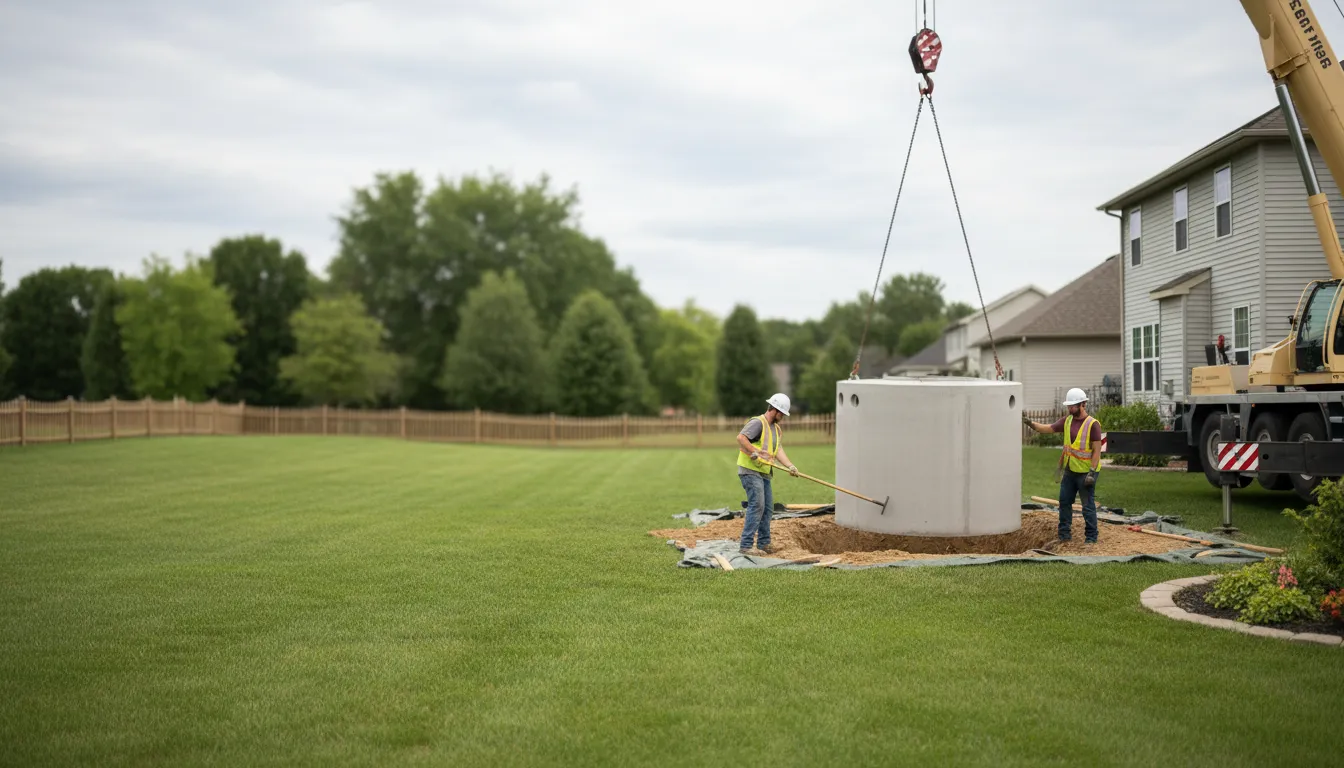
Find the Best Septic Tank Installation & Replacement Contractors for Your Business
No obligation • Fast responses • Nationwide coverage

Why you can trust Septic Spot
Septic Spot is a leading United States resource for understanding and comparing septic services. Our editors review providers using consistent criteria and verify key business details. Listings and scores are independent, and companies cannot pay to influence our content.
Search providers near you
Top Septic Tank Installation & Replacement Contractors in Bartlett, Tennessee Ranked
Installing or replacing a septic system is a significant investment in your Bartlett property's long-term functionality and environmental health. A properly designed and permitted onsite wastewater system protects your family, your neighbors, and local groundwater. This guide explains the critical steps, regulations, and local considerations for septic system installation and replacement in Bartlett, helping you navigate the process with confidence and connect with qualified local professionals.
Understanding Septic Systems in Shelby County
A septic system, or onsite wastewater treatment system, is a self-contained method for treating household sewage on your property. In areas like Bartlett that are not served by municipal sewer lines, these systems are essential. The process begins with waste flowing from your home into a septic tank, where solids settle and begin to decompose. The liquid effluent then flows out into a drain field (or leach field), where it is filtered through the soil for final treatment. Proper installation is not just about digging a hole; it's an engineered solution tailored to your specific lot's soil conditions and your household's water usage.
The Permit Process: Working with TDEC
All new septic system installations and major replacements in Tennessee are regulated by the Tennessee Department of Environment and Conservation (TDEC). For Bartlett residents, this is managed through the Shelby County Environmental Field Office.
Key Permit Steps:
- Application Submission: You or your licensed installer must submit a Sewage System Construction Permit application to TDEC. This application must include an engineered design for the proposed system.
- Prerequisite for Building: It is crucial to understand that you must have an approved septic permit before you can obtain a building permit for a new home or addition that increases wastewater flow1.
- Permit Issuance: Once approved, TDEC issues the permit, which is valid for a specified period. The permit fee for a new conventional system is approximately $400-$500 2.
- Repair Permits: Note that permits are also required for repairing an existing system, though these permits often have no associated fee.
The Critical Role of Soil Evaluation
The most important factor determining the type and design of your septic system is your property's soil. A soil percolation test (commonly called a "perc test") is mandatory3. This test, performed by a certified professional, measures how quickly water drains through the soil. The results determine the soil's absorption rate.
- Passing Soil: Soil that meets state absorption standards can typically support a conventional gravity-fed drain field.
- Failing Soil: If the soil fails to meet standards (e.g., drains too slowly or too quickly), a conventional system is not an option. In these cases, an alternative septic system-such as a mound system, aerobic treatment unit (ATU), or drip irrigation field-will be required. These systems are more complex and costly to install but are engineered to treat wastewater effectively in challenging soils4.
Choosing a Licensed Installer
Tennessee law is strict: only a TDEC-licensed septic system installer can install or repair a system. Hiring a licensed professional is non-negotiable for compliance and your safety. A qualified installer will:
- Understand local soil conditions in the Bartlett area.
- Handle the permit application and submission process.
- Execute the engineered design precisely.
- Schedule and coordinate the required inspections.
You can verify a contractor's license status through the TDEC website5. Always choose an installer with strong local references and experience with the specific type of system your property requires.
Installation Inspections and Final Approval
The installation doesn't end when the tank is in the ground. TDEC requires specific inspections to ensure the work meets code 6.
- Construction Inspection: Before the tank and drain field lines are covered with soil, a TDEC inspector must visit the site to examine the installation. This critical step verifies that the materials and construction match the approved design.
- Certificate of Completion: After passing the final inspection, TDEC will issue a certificate of completion for the system. Keep this document with your property records, as it is essential for future real estate transactions.
Find the perfect septic tank installation & replacement contractors for your needs
Get personalized recommendations and expert advice
Types of Septic Systems Used in Bartlett
The type of system installed depends entirely on the site evaluation. Here are the most common:
- Conventional Gravity System: The most basic and affordable type, if soil conditions allow. It relies on gravity to move effluent from the tank to a network of perforated pipes in a trench or bed.
- Chamber System: A variation on the conventional system that uses plastic infiltration chambers instead of gravel in the drain field, often providing better wastewater distribution.
- Mound System: An alternative system used when soil depth to bedrock or the water table is insufficient. A constructed sand mound is built above the natural grade, and effluent is pumped into it for treatment.
- Aerobic Treatment Unit (ATU): These systems use oxygen to break down waste more efficiently, producing a higher quality effluent. They are often required for small lots or environmentally sensitive areas and require more maintenance.
- Drip Irrigation System: Highly treated effluent is slowly dispersed through a network of shallow drip tubing across a large area of soil. This is another option for difficult sites.
Cost Considerations for Installation & Replacement
The total cost for a new septic tank installation is typically in the range of several thousand dollars and can vary widely based on 7:
- System Type: A conventional system is the least expensive. Alternative systems like mounds or ATUs can cost two to three times more.
- Soil and Site Conditions: Difficult terrain, rocky soil, or the need for extensive grading adds to labor costs.
- Tank Size and Material: Larger tanks (required for larger homes) and materials like concrete or plastic have different price points.
- Permit and Inspection Fees: Budget for the TDEC permit fee (~$400-$500) and inspection fees (approximately $100 for new system inspections)8 9.
For a system replacement, costs can be similar to a new installation if the entire drain field and tank must be relocated. A partial repair or drain field replacement may be less expensive but still represents a major investment.
Maintaining Your New System
Once your new onsite wastewater system is installed, proper maintenance is key to a long lifespan (often 20-40 years). This includes:
- Regular pumping of the septic tank (typically every 3-5 years).
- Conserving water to avoid overloading the drain field.
- Avoiding flushing harmful chemicals or non-biodegradable materials.
- Keeping vehicles and heavy structures off the drain field area.
- Having a professional inspect the system periodically.
Frequently asked questions
Sources
Footnotes
-
You must have an approved septic permit before obtaining a ... - https://fayettetn.us/wp-content/uploads/2022/10/How-to-Obtain-Building-Permit-22.pdf ↩
-
SSDS FAQs - TN.gov - https://www.tn.gov/environment/permit-permits/water-permits1/septic-systems-permits/ssp/ssds-faqs.html ↩
-
I need a perc test! - Tennessee Land Development Services - https://www.tnlds.com/need-perc-test/ ↩
-
Complete Septic System Installation: Process, Permits, And ... - https://www.theseptictankman.com/blog/complete-septic-system-installation-process-permits-and-pitfalls ↩
-
Licensed Septic System Installers & Septic Tank Pumpers - TN.gov - https://www.tn.gov/environment/permit-permits/water-permits1/septic-systems-permits/ssp/wr-sds-active-installers-pumpers.html ↩
-
What to Know Before Installing a Septic System in Rural ... - https://www.shamrockdirtandforestry.com/what-to-know-before-installing-a-septic-system-in-rural-tennessee ↩
-
Tennessee Septic License & Certification | 2024 Contractor Guide - https://www.servicetitan.com/licensing/septic/tennessee ↩
-
Septic System Construction Permit - TN.gov - https://www.tn.gov/environment/permit-permits/water-permits1/septic-systems-permits/ssp/permit-water-septic-system-construction-permit.html ↩
-
Homes on Septic Systems - Know the laws in Tennessee! - https://www.gregorygoff.com/homes-on-septic-systems-know-the-laws ↩