Find the Best Septic Tank Installation & Replacement Contractors for Your Business
No obligation • Fast responses • Nationwide coverage

Why you can trust Septic Spot
Septic Spot is a leading United States resource for understanding and comparing septic services. Our editors review providers using consistent criteria and verify key business details. Listings and scores are independent, and companies cannot pay to influence our content.
Search providers near you
Top Septic Tank Installation & Replacement Contractors in Franklin, Tennessee Ranked
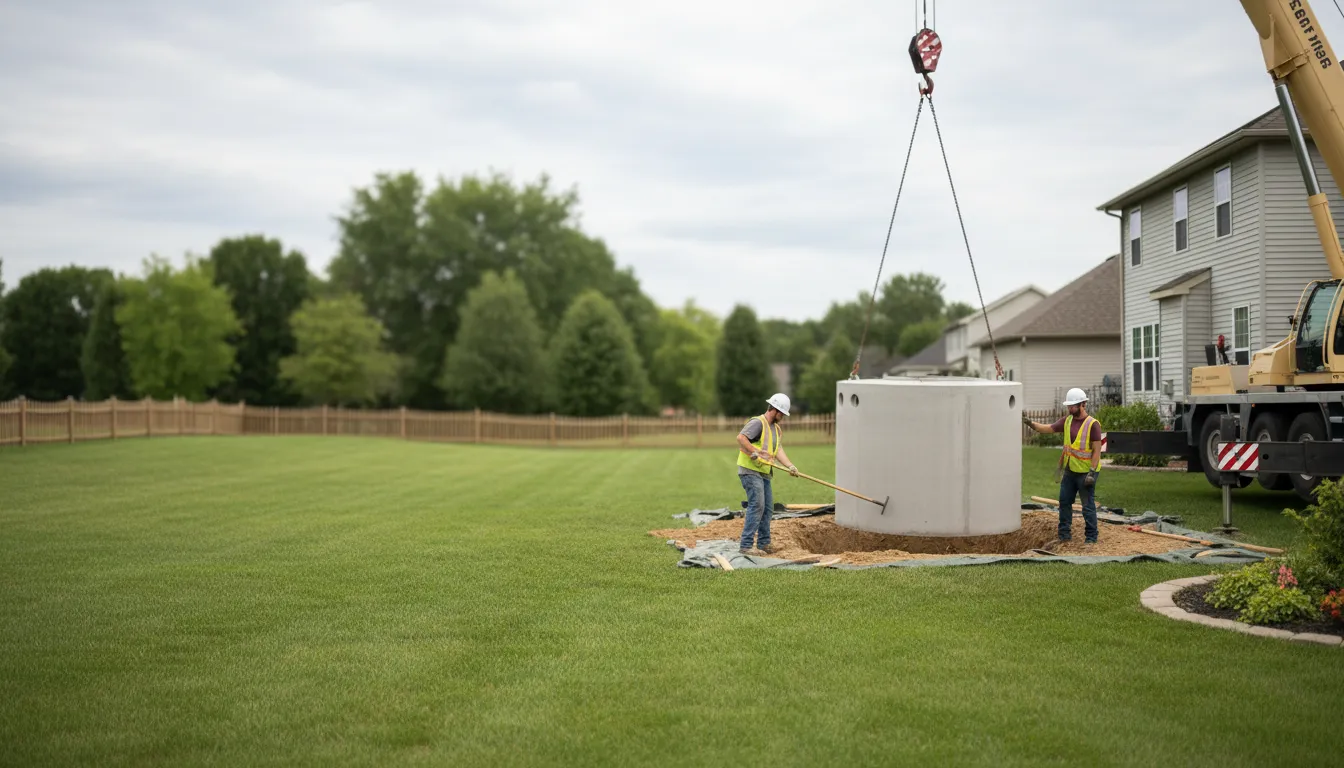
Installing or replacing a septic system is a significant investment in your Franklin property's long-term health and value. A properly designed and permitted septic system ensures safe wastewater treatment, protects local groundwater, and is a legal requirement for homes not connected to municipal sewer lines. This guide explains the local process, regulations, and costs, helping you understand what to expect and how to connect with qualified local professionals for your project.
Rooter-Man
303 E Old Hickory Blvd, Madison, TN 37115
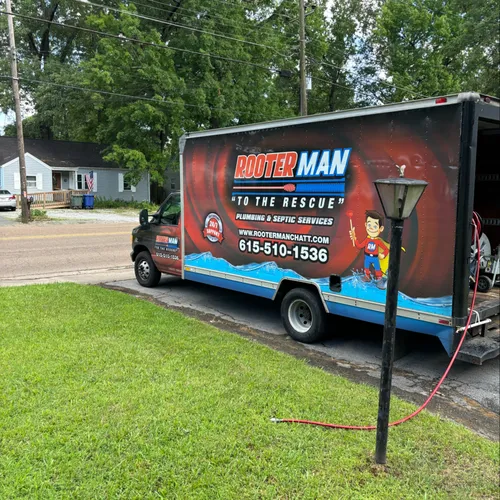
Rooter-Man is a plumbing and septic service provider based in Nashville, TN. They offer a wide range of services including septic tank pumping, inspection, repair, and installation, as well as general plumbing repairs and maintenance. The company uses advanced technologies such as leak detection and sewer camera inspection to ensure effective solutions. Rooter-Man provides 24-hour emergency plumbing services, responding promptly to urgent issues. Their team is experienced in handling both routine and complex plumbing problems, including septic system care and pipe repairs.
Mid- Tenn Septic & Plumbing
Nashville, TN
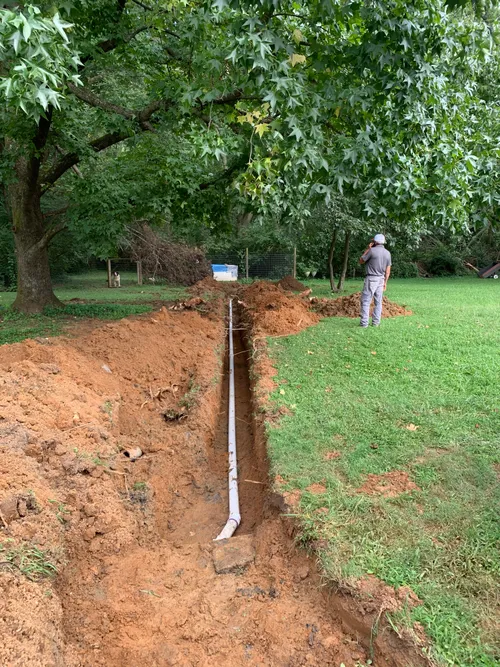
Mid-Tenn Septic & Plumbing is a septic tank pumping, inspection, repair, and installation company serving Nashville, TN. They offer comprehensive plumbing and septic solutions, including drain cleaning, pipe replacements, and septic system maintenance. The team uses modern diagnostic tools to identify and resolve issues effectively, focusing on long-term results rather than temporary fixes. With decades of experience, they understand local conditions affecting septic systems and plumbing, helping to prevent costly problems through proactive care and regular maintenance.
L&L Septic
2051 Carters Creek Pike, Franklin, TN 37064
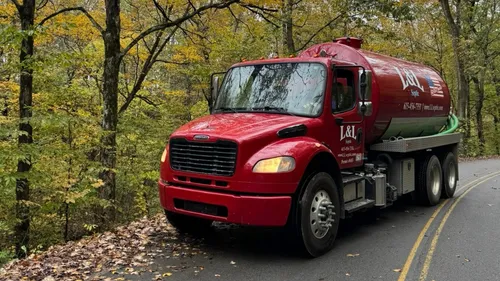
L&L Septic is a family-owned septic service provider based in Nashville, TN, serving Franklin and the surrounding Williamson County area for over a decade. They offer a range of residential and commercial septic services including tank pumping, inspections, repairs, installations, and drain field replacements. The company is licensed and certified in Tennessee and Williamson County, ensuring professional and secure handling of septic systems. L&L Septic is known for upfront pricing and a commitment to customer satisfaction, with after-hours service available for emergencies.
Music City Septic Service
Nashville, TN
Music City Septic Service is a septic system repair and installation company based in Nashville, TN. They offer a range of services including septic system installation, septic pump installation, and septic system repairs for both residential and commercial properties. Their team is skilled in handling new constructions as well as upgrades for older systems, ensuring efficient operation tailored to the local environment. The company provides 24/7 emergency service to address urgent septic needs at any time.
Anglin Septic Service
Nashville, TN
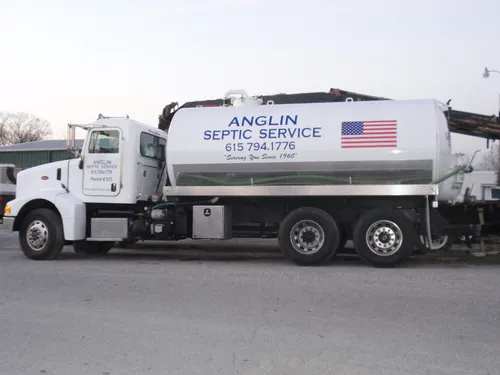
Anglin Septic Service is a locally owned and operated company providing residential and commercial septic system services in Nashville, TN, and surrounding counties. Established in 1960, they offer a full range of septic solutions including pumping, inspections, repairs, installations, and grease trap cleaning and certifications for commercial clients. Their experienced team handles everything from minor repairs to complete system installations, aiming to prevent further damage and maintain system efficiency.
Understanding Septic Systems in Sussex County
A septic system, or onsite wastewater treatment system, is a self-contained unit that processes household waste. In rural and suburban areas of Franklin and across Sussex County, where municipal sewer lines are not available, these systems are essential. The process involves a septic tank, where solids settle and begin to decompose, and a drain field (or leach field), where the treated liquid effluent is dispersed into the soil for final purification. When an old system fails or you're building a new home, navigating the installation or replacement process requires careful planning and adherence to strict New Jersey state and local Franklin Township codes.
The Franklin & New Jersey Regulatory Landscape
All septic system work in New Jersey is governed by the New Jersey Administrative Code (N.J.A.C.) 7:9A, the "Standards for Individual Subsurface Sewage Disposal Systems." In Franklin, the local health department is the primary authority for permitting and inspections. You cannot begin any excavation for a new system or a replacement without first obtaining the necessary permits. Failure to comply can result in fines, orders to cease work, and difficulties when selling your property.
Key State & Local Requirements:
- Permits: A permit is mandatory for any new, altered, or replaced system. The application is submitted to the Franklin Township health department.
- System Capacity: The minimum tank size for a standard residential system is 1,000 gallons, and the system must be designed to handle at least 250 gallons of wastewater per bedroom per day.
- Cesspool Replacement: If a property sale inspection reveals an existing cesspool, New Jersey law typically requires it to be replaced with a modern septic system.
- Setbacks: Systems must be installed specific distances from features like wells (50-100 feet), property lines (10 feet), buildings, and water bodies 1.
- Future Maintenance: Regulations recommend having your system inspected every 1-3 years and pumped every 3-5 years to ensure ongoing functionality and avoid premature failure 2.
The Step-by-Step Installation & Replacement Process
1. Site Evaluation and Soil Testing
This is the critical first step. A licensed site evaluator or professional engineer must assess your property. They will conduct soil tests to determine the suitability for a drain field.
- Percolation (Perc) Test: This measures how quickly water drains through your soil. The "perc rate" directly influences the size and type of system needed.
- Test Pits: These excavations allow the evaluator to examine the soil profile, checking for high groundwater tables, bedrock, or other restrictive layers that could limit drainage 3.
- Local Note: In Franklin Township, if a property owner performs four or more percolation tests in a calendar year, the township may require a $300 escrow per test 4.
2. System Design and Engineering
Based on the soil test results, household size, and property layout, a professional engineer designs a system that complies with NJAC 7:9A rules. The design will specify the tank size, drain field layout, and whether a standard or advanced treatment system is necessary. This engineered plan is submitted to the health department for review 5.
3. Permit Application and Approval
You or your contractor will submit the engineered design, application forms, and fees to the Franklin Township health department. The review process ensures the design meets all health and environmental standards. Approval timelines can vary, but typically take 4 to 8 weeks 6 7. Once approved, a construction permit is issued.
4. Installation and Inspections
With permit in hand, licensed excavation and septic contractors can begin work. The installation process is closely monitored through required inspections:
- Pre-Installation: The inspector reviews the site and approved plans.
- During Installation: Inspections occur for the excavation, proper placement of the tank and distribution boxes, and piping before any backfilling.
- Final Inspection: After the system is fully installed and backfilled, a final inspection checks grades, tank seals, and overall function.
Find the perfect septic tank installation & replacement contractors for your needs
Get personalized recommendations and expert advice
Cost Breakdown for Franklin, NJ
The total cost for a septic system project involves several components. Prices can vary based on soil conditions, system complexity, and property accessibility.
- Permit Fees: Paid to the local health department, these generally range from $250 to $1,5008 9.
- Engineering & Soil Testing: This pre-construction work is a significant upfront cost, often totaling several thousand dollars depending on the complexity of the site evaluation.
- Installation/Replacement:
- Conventional System: For a standard gravity-fed system, installation costs typically range from $15,000 to $25,000.
- Component-Only Replacement: Replacing just a failing tank (without a full drain field) can cost between $500 and $2,500, heavily dependent on tank size and material 12.
Choosing Between Repair and Full Replacement
Not all system issues require a full replacement. A professional inspection can determine the problem's scope.
- Repair: Issues like a clogged pipe, a damaged baffle, or a minor drain field issue may be repairable at a lower cost.
- Replacement: Signs that indicate the need for a full new system include persistent surfacing sewage, soggy drain fields year-round, sewage backups into the home, or failure of the existing tank structure. If the drain field has failed due to age or soil clogging, a new field in a suitable location is often necessary.
Planning for a Successful Project
- Start Early: The permitting and design process takes months. Begin consultations well before you plan to break ground.
- Hire Licensed Professionals: Always work with New Jersey-licensed professional engineers for design and state-licensed septic contractors for installation. They understand the local codes.
- Budget for the Entire Process: Remember to include costs for design, permits, inspections, and installation in your total budget.
- Consider Future Needs: If you plan to add a bedroom or other major water-using fixture, discuss it during the design phase to ensure your system has adequate capacity.
Frequently asked questions
Sources
Footnotes
-
Septic FAQs - Franklin Lakes, NJ - https://www.franklinlakes.org/septicfaq ↩
-
SEPTIC - NJ.gov - https://dep.nj.gov/wp-content/uploads/dwq/pdf/septicmn.pdf ↩
-
The Complete Guide to Septic System Installation and ... - https://excavatingnj.com/blog/the-complete-guide-to-septic-system-installation-and-permitting-in-new-jersey/ ↩
-
Article III: Sewage Disposal Systems - Township of Franklin, NJ - https://ecode360.com/6343897 ↩
-
NJDEP| Division of Water Quality | Permitting Information - https://dep.nj.gov/dwq/wastewater/septic-systems/permitting-information/ ↩
-
New Jersey Septic System Rules - 2026 Guide - https://thesewerkings.com/blog/new-jersey-septic-system-rules/ ↩
-
New Jersey Septic Tank Rules and Regulations - Arrow Sewer & Drain - https://www.arrowsewernj.com/blog/septic-tanks-in-new-jersey-what-you-need-to-know/ ↩
-
Importance of Permits and Inspections in Septic Installation NJ - https://earthmoversnj.com/the-importance-of-permits-and-inspections-in-septic-installation-in-new-jersey/ ↩
-
Understanding Septic Tank Permits and Regulations - https://westcoastsanitationinc.com/understanding-septic-tank-permits-and-regulations/ ↩
-
NJ Septic Regulations for 2026: Inspections, Permits & Rules - https://www.atsenvironmental.com/blog/nj-septic-regulations-for-2026/ ↩
-
Navigating Septic System Regulations: Expert Guidance for New Jersey Property Owners - https://www.mapengineering.net/navigating-septic-system-regulations/ ↩
-
How Much Does a Septic Tank Cost? - NerdWallet - https://www.nerdwallet.com/home-ownership/home-improvement/learn/septic-tank-cost ↩