
Find the Best Septic Tank Installation & Replacement Contractors for Your Business
No obligation • Fast responses • Nationwide coverage

Why you can trust Septic Spot
Septic Spot is a leading United States resource for understanding and comparing septic services. Our editors review providers using consistent criteria and verify key business details. Listings and scores are independent, and companies cannot pay to influence our content.
Search providers near you
Top Septic Tank Installation & Replacement Contractors in Gallatin, Tennessee Ranked
Installing or replacing a septic system is a significant investment in your property's long-term functionality and environmental health. For homeowners in Gallatin and surrounding Sumner County, navigating the process involves understanding state regulations, securing permits, and working with qualified professionals. This guide explains the essential steps, costs, and local considerations for septic system work, helping you make informed decisions for your home's wastewater treatment needs.
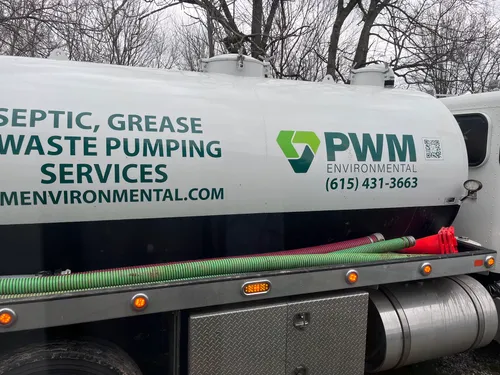
PWM Environmental
3403 Pleasant Grove Rd, White House, TN 37188
PWM Environmental is a family-owned septic service company based in Nashville, TN. They provide septic tank pumping, installation, repair, and inspection services for residential and commercial clients throughout Middle Tennessee and surrounding areas. Their capabilities include hydro jetting to clear clogged lines, camera inspections for accurate tank locating, and grease disposal. PWM Environmental uses modern equipment and a fleet of trucks to ensure compliance with EPA regulations.
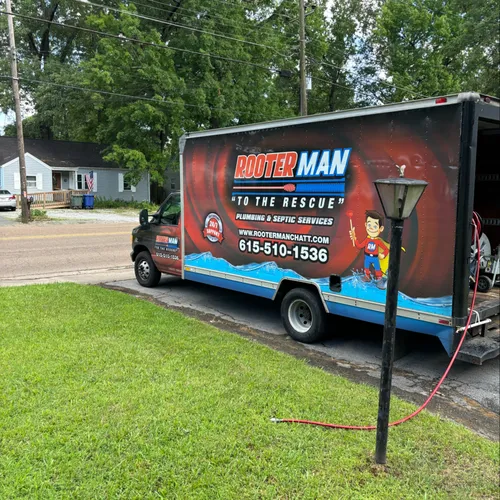
Rooter-Man
303 E Old Hickory Blvd, Madison, TN 37115
Rooter-Man is a plumbing and septic service provider based in Nashville, TN. They offer a wide range of services including septic tank pumping, inspection, repair, and installation, as well as general plumbing repairs and maintenance. The company uses advanced technologies such as leak detection and sewer camera inspection to ensure effective solutions. Rooter-Man provides 24-hour emergency plumbing services, responding promptly to urgent issues. Their team is experienced in handling both routine and complex plumbing problems, including septic system care and pipe repairs.
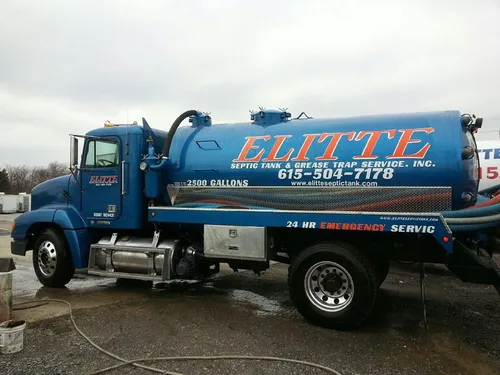
Elitte Septic Tank & Grease Trap Service, Inc.
1035 Bradley Dr, Springfield, TN 37172
Elitte Septic Tank & Grease Trap Service, Inc. provides septic tank pumping, inspection, repair, and installation services in Nashville, TN. The company handles locating septic tanks and field lines, pumping out tanks, repairing lines, and installing new septic systems with care and professionalism. They have experience working on challenging projects such as accessing tanks under concrete and rerouting plumbing to unused tanks. Their team is known for thorough excavation and cleanup after work is completed.
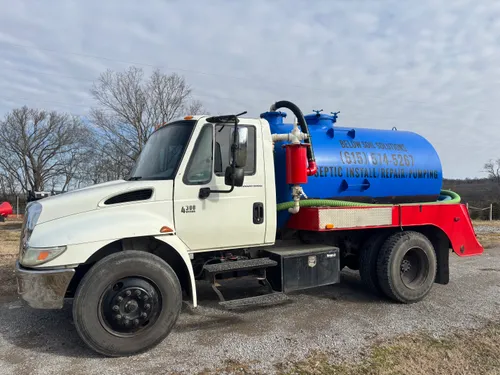
Below Soil Solutions
4558 Murfreesboro Rd, Lebanon, TN 37090
Below Soil Solutions is a septic system repair and installation company based near Nashville, TN, serving Middle Tennessee. They specialize in septic systems, utility lines, drainage, and related excavation services. The company offers capabilities including new septic installations, repairs, and electric and water line work. With a family trade background and extensive experience in excavation, they focus on meeting inspection standards and maintaining property aesthetics. Below Soil Solutions also provides emergency services for urgent needs.
Music City Septic Service
Nashville, TN
Music City Septic Service is a septic system repair and installation company based in Nashville, TN. They offer a range of services including septic system installation, septic pump installation, and septic system repairs for both residential and commercial properties. Their team is skilled in handling new constructions as well as upgrades for older systems, ensuring efficient operation tailored to the local environment. The company provides 24/7 emergency service to address urgent septic needs at any time.
Understanding the Basics of Septic Systems
A septic system, or onsite wastewater treatment system, is a self-contained, underground system that treats household sewage from bathrooms, kitchens, and laundry. In areas without access to municipal sewer lines, like many parts of rural Sumner County, a properly functioning septic tank and drain field are essential. The system works by separating solids from liquids, partially decomposing organic matter, and safely dispersing treated effluent into the soil. When an old system fails or you're building a new home, the installation or replacement process begins with a critical first step: evaluating your land.
The First Step: Site Evaluation and Soil Testing
Before any plans are drawn, a professional must assess your property's suitability for a septic system. This starts with a soil percolation test, commonly called a "perc test." 1 A certified professional evaluates the soil's texture, structure, and absorption rate to determine how quickly water drains. In Tennessee, especially for properties not in modern, pre-approved subdivisions, a detailed soil analysis by a licensed soil scientist is often required to map the soil types and identify any limiting layers like bedrock or high water tables. 1
The results of this evaluation dictate the system's design. Suitable, well-draining soils may allow for a conventional gravity-fed system, while poor-draining soils might necessitate an alternative system, such as a mound or aerobic treatment unit (ATU), which can be more complex and costly. 2 The slope of your land, proximity to water sources, and available space are also key factors in this initial phase.
Navigating Tennessee and Sumner County Permits
In Tennessee, all septic system installations and major replacements are regulated by the Tennessee Department of Environment and Conservation (TDEC). You cannot begin construction without an approved Septic System Construction Permit. 3
The permit application is submitted to your local TDEC Environmental Field Office. The application package typically includes the site evaluation report, a detailed system design plan from a licensed installer or engineer, and the required fees. It's crucial to note that permit review can take up to 45 days, so planning ahead is essential for any construction timeline. Always consult the Sumner County environmental health office for any additional local regulations that may apply. 4
Working with a Licensed Installer
State law requires that the actual installation of a septic system be performed by a Tennessee-licensed installer. Hiring a licensed professional ensures the work meets state code, which protects your investment and the environment. These experts handle the permit application process, design the system based on your home's bedroom count (which determines daily wastewater flow) and soil conditions, and schedule the mandatory inspections.
The Installation Process: From Excavation to Inspection
Once permits are secured, the physical installation begins. For a conventional system, this involves:
- Excavation: Digging trenches for the drain field and a hole for the septic tank.
- Tank Placement: Setting the concrete, fiberglass, or plastic septic tank into place and connecting inlet/outlet pipes from the house.
- Drain Field Construction: Laying a network of perforated pipes in gravel-filled trenches to distribute the liquid effluent.
- System Inspection: This is a critical, legally required step. A TDEC representative must inspect the installed tank and drain field lines before they are covered with soil. 5 This inspection verifies proper placement, construction, and connections.
- Backfilling and Final Approval: After passing inspection, the system can be covered. Once the installation is complete and approved, TDEC issues a certificate of completion.
Find the perfect septic tank installation & replacement contractors for your needs
Get personalized recommendations and expert advice
Cost Factors for Septic System Installation in Gallatin
The total cost for a new septic system in the Gallatin area typically ranges from $5,000 to over $15,000. 6 Several variables influence the final price:
- Soil Conditions & System Type: A simple conventional system for favorable soil is at the lower end of the cost spectrum. Difficult soils requiring an engineered alternative system (like a mound or sand filter) can significantly increase costs.
- Home Size: The system must be sized based on the number of bedrooms, which estimates daily wastewater flow. A larger home requires a larger tank and drain field.
- Permit and Testing Fees: The state permit fee for a new conventional system is $400, plus a $100 inspection fee. 7 8 The cost for the required soil percolation test and analysis is separate and paid to the evaluating professional.
- Labor and Materials: Costs for excavation, the septic tank itself, piping, gravel, and the installer's labor.
When is Septic System Replacement Needed?
Replacing an existing system follows a similar permit and installation process as a new install. Common signs that your Gallatin home may need a septic system replacement include:
- Sewage backups in household drains.
- Bright green, spongy grass over the drain field (especially during dry weather).
- Persistent soggy ground or standing water near the tank or drain field.
- Foul odors around the yard or septic tank area.
- Failed system inspection during a property sale.
Replacement often becomes necessary when the drain field (leach field) has become clogged and can no longer absorb effluent. Sometimes, only the drain field needs replacement; other times, the entire system, including the tank, must be updated to meet current codes.
Maintaining Your New Septic System
Protecting your investment doesn't end after installation. Proper maintenance is key to a long system life (often 20-40 years):
- Regular Pumping: Have the septic tank pumped every 3-5 years by a licensed pumper to remove accumulated solids. 9
- Water Conservation: Fix leaks and spread out water use to avoid overwhelming the drain field.
- Mind What You Flush: Only human waste and toilet paper should go down the drain. Avoid chemicals, grease, diapers, and wipes.
- Protect the Drain Field: Never drive or park vehicles over it, and plant only grass over the area to prevent root intrusion.
Frequently asked questions
Sources
Footnotes
-
I need a perc test! - Tennessee Land Development Services - https://www.tnlds.com/need-perc-test/ ↩ ↩2
-
What to Know Before Installing a Septic System in Rural ... - https://www.shamrockdirtandforestry.com/what-to-know-before-installing-a-septic-system-in-rural-tennessee ↩
-
Septic System Installation - Rocky Top Septic Service, llc - https://rockytopseptic.com/service/septic-system-installation/ ↩
-
Online Application for Septic Related Services - https://www.tn.gov/environment/permit-permits/water-permits1/septic-systems-permits/ssp/wr-sds-online-application-for-ground-water-protection-services.html ↩
-
Homes on Septic Systems - Know the laws in Tennessee! - https://www.gregorygoff.com/homes-on-septic-systems-know-the-laws ↩
-
Understanding Septic Tank Permits and Regulations - https://westcoastsanitationinc.com/understanding-septic-tank-permits-and-regulations/ ↩
-
Septic System Construction Permit - TN.gov - https://www.tn.gov/environment/permit-permits/water-permits1/septic-systems-permits/ssp/permit-water-septic-system-construction-permit.html ↩
-
How Much Does a Septic Soil Test Cost in 2026? - https://landperc.com/septic-soil-test-cost/ ↩
-
Licensed Septic System Installers & Septic Tank Pumpers - TN.gov - https://www.tn.gov/environment/permit-permits/water-permits1/septic-systems-permits/ssp/wr-sds-active-installers-pumpers.html ↩