
Find the Best Septic Tank Installation & Replacement Contractors for Your Business
No obligation • Fast responses • Nationwide coverage

Why you can trust Septic Spot
Septic Spot is a leading United States resource for understanding and comparing septic services. Our editors review providers using consistent criteria and verify key business details. Listings and scores are independent, and companies cannot pay to influence our content.
Search providers near you
Top Septic Tank Installation & Replacement Contractors in Spring Hill, Tennessee Ranked
Installing or replacing a septic system is a significant investment in your Spring Hill property, ensuring safe wastewater treatment for years to come. This process is highly regulated in Tennessee to protect groundwater and public health, involving specific permits, soil evaluations, and professional installation. Understanding the local requirements and steps involved can help you navigate this project confidently and connect with qualified, licensed professionals in your area.
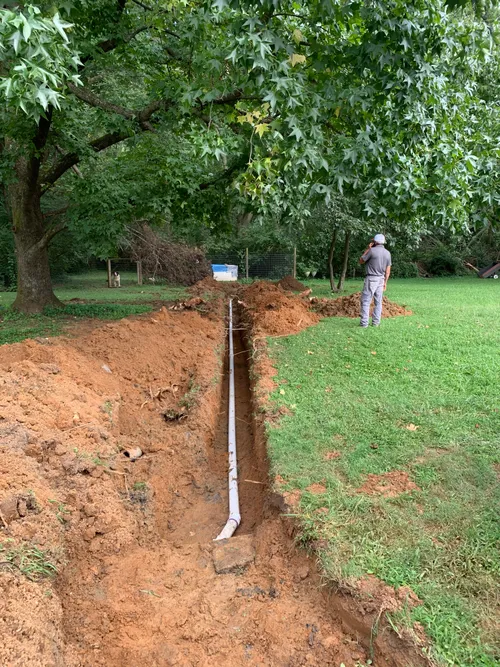
Mid- Tenn Septic & Plumbing
Nashville, TN
Mid-Tenn Septic & Plumbing is a septic tank pumping, inspection, repair, and installation company serving Nashville, TN. They offer comprehensive plumbing and septic solutions, including drain cleaning, pipe replacements, and septic system maintenance. The team uses modern diagnostic tools to identify and resolve issues effectively, focusing on long-term results rather than temporary fixes. With decades of experience, they understand local conditions affecting septic systems and plumbing, helping to prevent costly problems through proactive care and regular maintenance.
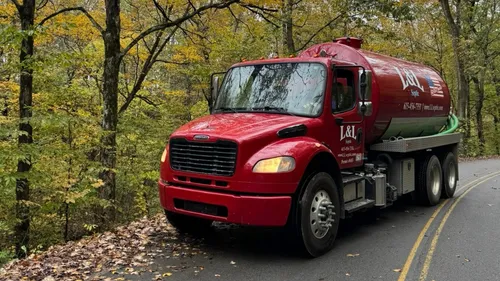
L&L Septic
2051 Carters Creek Pike, Franklin, TN 37064
L&L Septic is a family-owned septic service provider based in Nashville, TN, serving Franklin and the surrounding Williamson County area for over a decade. They offer a range of residential and commercial septic services including tank pumping, inspections, repairs, installations, and drain field replacements. The company is licensed and certified in Tennessee and Williamson County, ensuring professional and secure handling of septic systems. L&L Septic is known for upfront pricing and a commitment to customer satisfaction, with after-hours service available for emergencies.
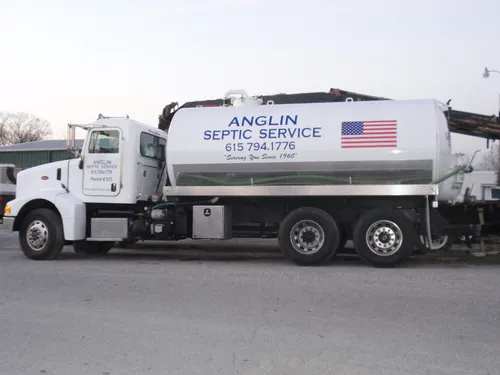
Anglin Septic Service
Nashville, TN
Anglin Septic Service is a locally owned and operated company providing residential and commercial septic system services in Nashville, TN, and surrounding counties. Established in 1960, they offer a full range of septic solutions including pumping, inspections, repairs, installations, and grease trap cleaning and certifications for commercial clients. Their experienced team handles everything from minor repairs to complete system installations, aiming to prevent further damage and maintain system efficiency.
ASAP Septic Service
Nashville, TN
ASAP Septic Service provides septic tank pumping, installation, and maintenance for rural homes and businesses in Nashville, TN, and surrounding counties. They serve Maury, Williamson, and Marshall Counties, offering new septic system installations and regular pumping to keep septic tanks functioning properly. The company emphasizes proper care to avoid damage from harmful materials flushed into septic systems. ASAP Septic Service is a local authority in Central Tennessee for septic needs.
Understanding Spring Hill's Septic System Requirements
In Spring Hill and the surrounding Williamson and Maury counties, all septic system work is regulated by the Tennessee Department of Environment and Conservation (TDEC). The city itself has specific ordinances that impact new installations. Most notably, Spring Hill's Ordinance 93-20 requires that any lot not served by a public sewer system must be a minimum of 1.5 acres 1. This lot size requirement is a critical first check for anyone considering building a new home on undeveloped land.
Before any digging begins, you must secure the proper permits. TDEC issues several types, but for a new home or a complete system replacement, you'll need a Septic System Construction Permit. It's illegal to install a system without this permit, and working with a licensed installer is mandatory-they will often handle much of the permit application process on your behalf.
The Step-by-Step Installation Process
1. Site Evaluation and Soil Testing
The entire design of your septic system depends on the soil conditions on your property. The first technical step is a site evaluation and percolation (perc) test conducted by a licensed soil consultant 2. This test measures the soil's absorption rate, determining how quickly water drains. It cannot be performed on frozen or overly saturated ground, so timing is important 3 4. The results dictate whether a conventional trench system, a low-pressure pipe (LPP) system, or a more complex mound system is required 5 4. Due to the karst topography (limestone with potential sinkholes) common in Middle Tennessee, specialized and often more expensive systems are frequently necessary.
The consultant will also prepare a soil map and identify a primary drain field area plus a 100% reserve area for future repairs or replacement 6. This reserve area must remain undisturbed.
2. Applying for the Permit
With the soil report in hand, you or your installer can apply for the construction permit through your local TDEC Environmental Field Office. The application includes the site plan and soil evaluation. Be prepared for an application fee, which typically ranges from $150 to $500, though this can vary by county 7.
3. Professional Installation
Once the permit is approved, a licensed septic system installer can begin construction 8. The installation must follow the approved design exactly. Costs for the entire septic tank installation project in Spring Hill can vary widely based on system type, but homeowners often report total costs ranging from $5,000 to over $15,000 9 10. This total typically includes the soil test ($600-$800), permit fees, tank, drain field materials, and labor.
4. Mandatory Inspections and Final Approval
A crucial step that cannot be skipped is the installation inspection. A TDEC officer must visit the site to inspect the tank and drain field before they are backfilled and covered 11. Only after this inspection is passed can the installation be completed. Final approval from TDEC is required to close the permit, which is necessary for obtaining a certificate of occupancy for a new home.
Find the perfect septic tank installation & replacement contractors for your needs
Get personalized recommendations and expert advice
When is System Replacement Needed?
A septic system replacement is a major undertaking, usually required when an existing system fails. Signs of failure include sewage backups, soggy ground or standing water over the drain field, and foul odors. In Tennessee, you cannot simply repair a failing system; you must first obtain a Repair Permit from TDEC 12 13. The repair process often involves an evaluation to see if a repair is feasible or if a full replacement on the designated reserve area is necessary.
Key Considerations for Spring Hill Homeowners
- Licensing is Non-Negotiable: Always verify that any soil consultant or installer is currently licensed by the State of Tennessee. TDEC provides an online list of active licensed professionals.
- Plan for the Reserve Area: When landscaping or planning additions like decks or pools, you must avoid the designated primary and reserve drain field areas.
- System Maintenance: Proper maintenance, including regular pumping every 3-5 years, is essential to prolong the life of your new system and is a condition of the state permit.
Navigating the regulations for a new septic tank or a full system replacement requires careful planning and professional help. The process is designed to ensure your system is safe, effective, and long-lasting.
Frequently asked questions
Sources
Footnotes
-
ordinance no. 93-20 - Spring Hill - https://www.springhilltn.org/DocumentCenter/View/13623/Ordinance-93-20-increasing-min-lot-area ↩
-
I need a perc test! - Tennessee Land Development Services - https://www.tnlds.com/need-perc-test/ ↩
-
Perc Testing and Soil Testing - What You Need to Know - https://buildingadvisor.com/buying-land/septic-systems/soil-and-perc-testing/ ↩
-
Septic Systems - Tennessee Valley Authority - https://tva.com/environment/shoreline-construction-permits/section-26a-guidance/septic-systems ↩ ↩2
-
Online Application for Septic Related Services - TN.gov - https://www.tn.gov/environment/permit-permits/water-permits1/septic-systems-permits/ssp/wr-sds-online-application-for-ground-water-protection-services.html ↩
-
What to Know Before Installing a Septic System in Rural ... - https://www.shamrockdirtandforestry.com/what-to-know-before-installing-a-septic-system-in-rural-tennessee ↩
-
Madison County Health - https://www.madisoncountytn.gov/DocumentCenter/View/17018/Septic-System-Application ↩
-
Licensed Septic System Installers & Septic Tank Pumpers - TN.gov - https://www.tn.gov/environment/permit-permits/water-permits1/septic-systems-permits/ssp/wr-sds-active-installers-pumpers.html ↩
-
What is the purpose of a soil map in the septic permit process ... - https://www.facebook.com/groups/barndominiums/posts/1207569767338532/ ↩
-
Understanding Septic Tank Permits and Regulations - https://westcoastsanitationinc.com/understanding-septic-tank-permits-and-regulations/ ↩
-
Septic System Construction Permit - TN.gov - https://www.tn.gov/environment/permit-permits/water-permits1/septic-systems-permits/ssp/permit-water-septic-system-construction-permit.html ↩
-
Septic System Related Permits - TN.gov - https://www.tn.gov/environment/permit-permits/water-permits1/septic-systems-permits/ssp/permit-water-septic-system-related-permits.html ↩
-
Tennessee Septic License & Certification | 2024 Contractor Guide - https://www.servicetitan.com/licensing/septic/tennessee ↩