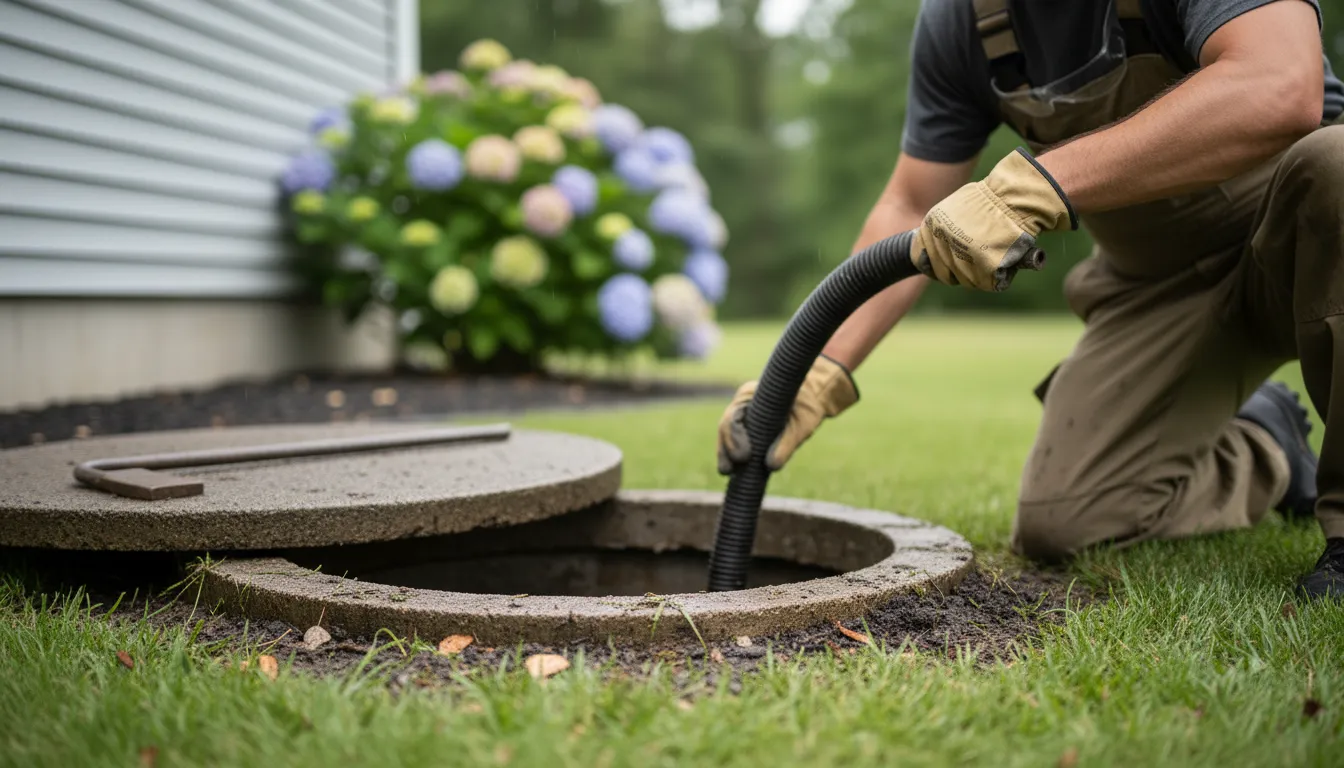
Find the Best Septic Tank Pumping Contractors for Your Business
No obligation • Fast responses • Nationwide coverage

Why you can trust Septic Spot
Septic Spot is a leading United States resource for understanding and comparing septic services. Our editors review providers using consistent criteria and verify key business details. Listings and scores are independent, and companies cannot pay to influence our content.
Search providers near you
Top Septic Tank Pumping Contractors in Bakersfield, California Ranked
Maintaining your septic system is a crucial, yet often overlooked, responsibility of homeownership. Proper septic tank pumping and maintenance protects your property from costly backups, safeguards your family's health, and preserves local groundwater quality. For Bakersfield residents, navigating Kern County's specific regulations and finding a qualified professional is essential. This guide provides the local information you need to understand the process, costs, and requirements for keeping your onsite wastewater treatment system functioning smoothly.

Rescue Hero Plumbing & Pumping
12343 Jasmine Ave, Bakersfield, CA 93312
Rescue Hero Plumbing & Pumping is a family-owned company serving Bakersfield, CA, and nearby areas since 1991. They provide septic tank pumping, inspection, and repair services along with general plumbing solutions. The company offers 24-hour emergency service and same-day response for urgent plumbing and septic issues. Their licensed and insured technicians handle a range of problems including leak detection and septic system maintenance, aiming to deliver transparent and reliable solutions.
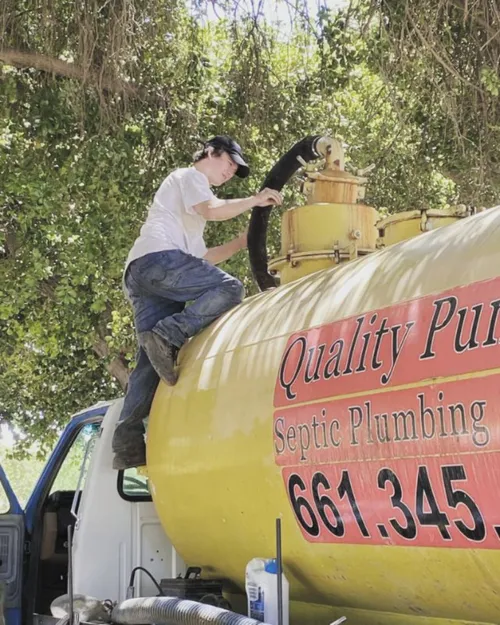
Quality Pumping
Bakersfield, CA
Quality Pumping is a septic tank pumping and inspection company serving Bakersfield, CA, and nearby areas including Lamont, Taft, Arvin, Wasco, and Shafter. They provide services for both residential and commercial clients, using specialized vehicles, pumps, and pressure washers to maintain septic systems properly. Their trained and experienced staff perform thorough inspections and advise on appropriate pumping schedules to ensure system reliability.
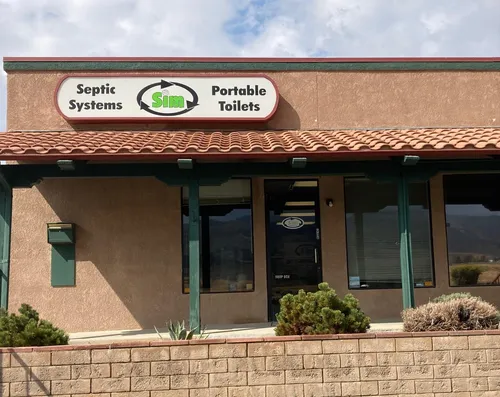
Sim Sanitation
20021 W Valley Blvd STE A, Tehachapi, CA 93561
Sim Sanitation is a licensed and insured environmental service company based near Bakersfield, CA. They specialize in septic system services including pumping, maintenance, inspection certification, repair, replacement, and new system installation. The company also offers percolation testing and is an authorized distributor and installer for Fuji Clean USA alternative wastewater treatment systems. Additional services include portable toilet and hand wash station rentals, temporary fencing, RV pumping, and holding tank rentals.
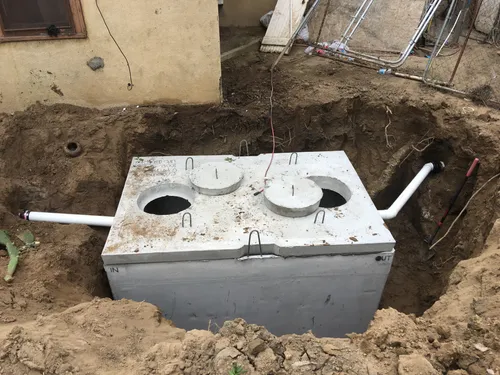
Superior Septic Service
3535 Bowman Ct B, Bakersfield, CA 93308
Superior Septic Service is a septic tank pumping and inspection company serving Bakersfield, CA, and all of Kern County. They provide a range of septic services including emergency septic tank pumping, acid treatment, and routine septic inspections to help maintain proper septic system function. Their experienced technicians respond promptly to emergencies to address septic tank overflows and other urgent issues.
Blazer Septic Service
Bakersfield, CA
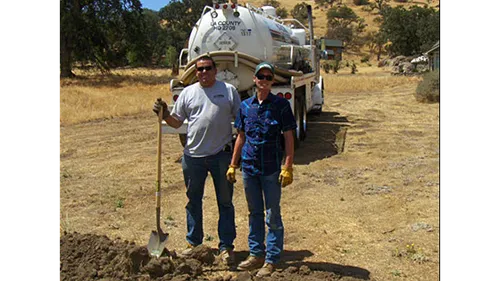
Blazer Septic Service offers comprehensive septic system solutions in Bakersfield, CA, including installation, maintenance, inspection, and repairs. They specialize in septic tank pumping and cleanout, and also provide bulk material delivery such as rock, sand, and gravel. Serving Tehachapi and surrounding areas, Blazer Septic Service covers all septic system needs with a focus on effective and economical solutions.
Understanding Your Septic System in Bakersfield
A septic system is an independent wastewater treatment plant for your home. When you flush a toilet or drain a sink, the wastewater flows into an underground septic tank. Here, solids settle to the bottom as sludge, and oils float to the top as scum. The liquid effluent in the middle layer then flows out into a drain field, where it is naturally filtered by the soil. Over time, the sludge and scum layers accumulate, which is why periodic septic tank cleaning is non-negotiable. If these layers become too thick, they can flow into and clog the drain field, leading to system failure, sewage backups into your home, and environmental contamination.
In Bakersfield's climate and soil conditions, a well-maintained system is vital. The Kern County Public Health Department actively manages Onsite Wastewater Treatment Systems (OWTS) to prevent public health hazards and protect groundwater resources, which are especially precious in California's Central Valley. This means local regulations are in place to ensure work is done correctly by certified professionals.
How Often Should You Pump Your Septic Tank?
The most common question homeowners have is about frequency. While the general rule for most households is every 3 to 5 years, this is not a one-size-fits-all schedule 1. Several factors specific to your household can significantly alter this timeline.
- Household Size and Water Usage: A family of 7 or more, or a home with a garbage disposal, will send more solids and water into the tank, filling it faster. These systems often require septic tank service every 1 to 2 years 2.
- Tank Size: Older homes may have smaller tanks (e.g., 500-gallon) that require more frequent pumping compared to modern 1,000-gallon or larger tanks.
- System Age and Condition: Older systems or those with a history of issues may need more attentive care.
The only way to know for sure is through regular inspections. The South Carolina Department of Environmental Services recommends inspecting your system, including measuring sludge and scum levels, every 1 to 2 years 3. A professional can tell you if it's time to pump. Waiting until you have a problem-like slow drains or foul odors-often means you've waited too long and risk much more expensive repairs.
Kern County Regulations and Professional Requirements
You cannot hire just anyone to handle your septic waste in Bakersfield. Kern County has strict rules to ensure safety and environmental protection. All septic tank pumping and septic system maintenance must be performed by a registered, licensed professional. These licensed pumpers are trained in proper procedures and know how to dispose of the septage at approved treatment facilities.
Furthermore, certain systems in the region, particularly those near waterways or in sensitive areas, may fall under the oversight of the Central Valley Regional Water Quality Control Board. These systems might require annual reporting to ensure they are not impacting water quality 4. Using a licensed local provider ensures all work is documented and complies with these regulations, protecting you from potential fines.
What to Expect: The Pumping Process and Costs
When you schedule a septic tank pumping service, a professional crew will arrive with a vacuum truck. They will locate and uncover your tank's access lids, inspect the inlet and outlet baffles, and then insert a large hose to vacuum out all the contents-sludge, scum, and liquid. A thorough job includes inspecting the tank's structure for cracks and ensuring the baffles are intact. After pumping, they will securely replace the lids and clean the work area.
In Bakersfield, the average cost for this essential service is approximately $380. However, your final price can vary based on several factors:
- Tank Size: A standard 1,000-gallon tank typically costs between $280 and $520 to pump. Smaller tanks may be on the lower end (~$190), while larger or commercial tanks can cost up to $890 or more 5 6.
- Accessibility: If the tank is buried deep, under a patio, or behind landscaping, extra labor for excavation will increase the cost.
- Condition: A tank that hasn't been pumped in over 7 years may have hardened solids that require more time and effort to break up and remove.
- Emergency Service: A weekend or after-hours call for a backup will cost significantly more than a scheduled maintenance appointment.
Always get detailed quotes from a few licensed providers. The lowest price isn't always the best value if it doesn't include a proper inspection or if the company isn't properly insured and registered with the county.
Find the perfect septic tank pumping contractors for your needs
Get personalized recommendations and expert advice
Proactive Maintenance Beyond Pumping
Pumping is the cornerstone of septic care, but a holistic maintenance plan extends its lifespan. Here are key practices for Bakersfield homeowners:
- Conserve Water: Spread out laundry loads, fix leaky faucets, and install high-efficiency fixtures. Reducing the flow of water into the tank prevents it from being overwhelmed and allows solids to settle properly.
- Mind What You Flush: The toilet is not a trash can. Never flush wipes (even "flushable" ones), feminine hygiene products, dental floss, diapers, cigarette butts, or cat litter. These materials do not break down and will quickly fill your tank.
- Use Kitchen Drains Wisely: Avoid pouring cooking oils, grease, or coffee grounds down the sink. Minimize use of a garbage disposal, as it adds substantial solids. Consider composting food scraps instead.
- Protect Your Drain Field: Never park vehicles or build structures over the drain field. Keep roof drains, sump pumps, and other surface water away from the area to prevent saturation.
Signs Your System Needs Immediate Attention
Don't ignore the warning signs of a failing system. Addressing problems early can save tens of thousands of dollars in replacement costs. Contact a licensed professional immediately if you notice:
- Slow drains or gurgling pipes throughout the house.
- Sewage odors in your yard or home.
- Wet, spongy, or bright green grass over the drain field, especially when it hasn't rained.
- Standing water or sewage backup in your drains or toilets.
If you experience a backup, stop using all water in the house and call for emergency septic tank repair services.
Choosing a Licensed Provider in Bakersfield
Your septic system is a major investment. Selecting the right service provider is critical. Start by verifying that any company you consider is currently registered with Kern County Public Health as a licensed septic pumper 7. Ask for proof of insurance and licenses. Look for companies with strong local reputations, clear communication, and those who emphasize inspection and education, not just pumping. Read reviews and ask neighbors for recommendations. A trustworthy professional will be happy to answer your questions and provide a detailed, written estimate.
Frequently asked questions
Sources
Footnotes
-
Septic Systems | Department of Environmental Protection - https://www.pa.gov/agencies/dep/residents/my-water/septic-systems ↩
-
How Often Should My Septic Tank Pumped In California - https://www.lanikseptic.com/how-often-should-my-septic-tank-pumped-in-california/ ↩
-
Septic Tanks - Preventative Routine Maintenance - https://des.sc.gov/permits-regulations/septic-tanks/homeowner-resources/septic-tanks-preventative-routine-maintenance ↩
-
Central Valley Regional Water Quality Control Board - CA.gov - https://www.waterboards.ca.gov/centralvalley/board_decisions/adopted_orders/general_orders/2014-0153-dwq_noas/2014-0153-dwq-r5424.pdf ↩
-
Septic Pumping in Bakersfield, CA - Costs 03 / 2026 - Homeyou - https://www.homeyou.com/ca/septic-pumping-bakersfield-costs ↩
-
Septic Pumping Cost by State: 2024 Complete Price Guide - https://wastedoor.com/article/septic-pumping-cost-by-state ↩
-
Septic and Grease Pumpers | Kern County, CA - https://www.kernpublichealth.com/permitting-compliance/waste/septic-and-grease-pumpers ↩