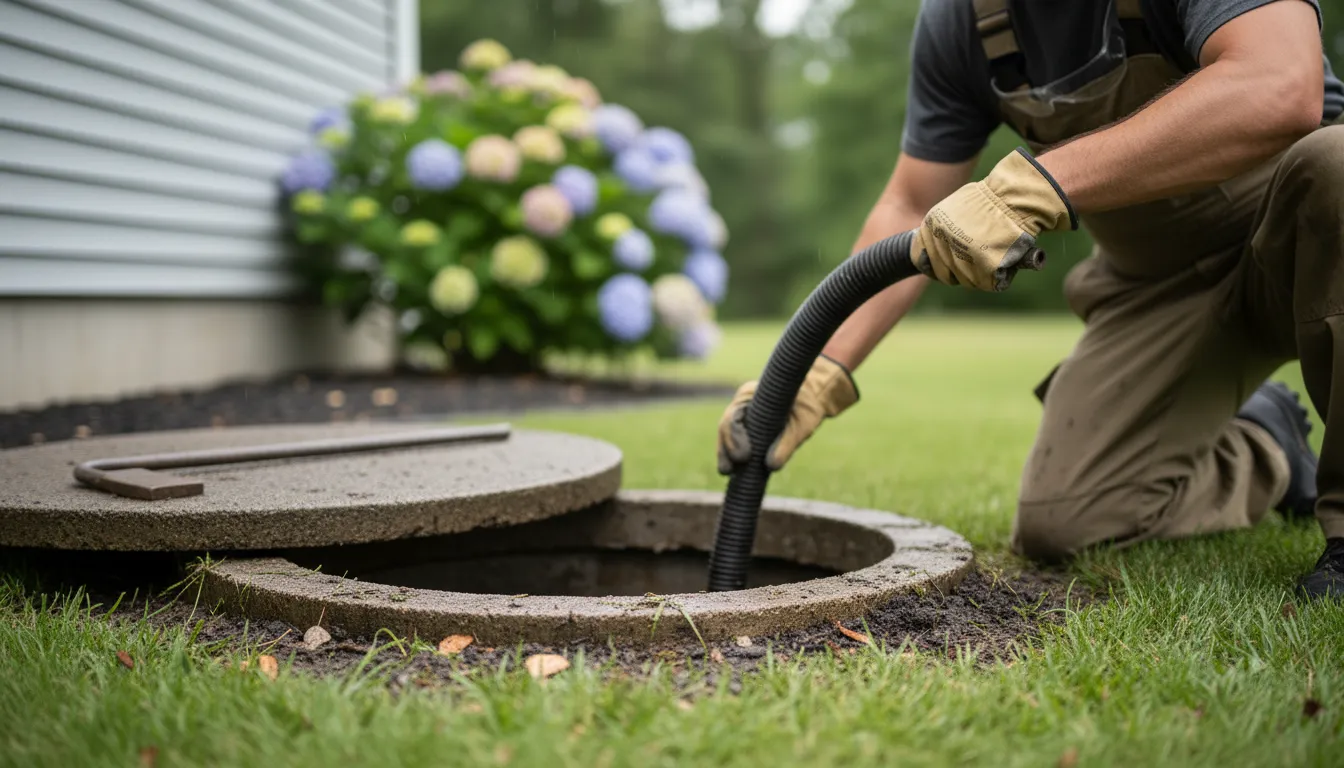
Find the Best Septic Tank Pumping Contractors for Your Business
No obligation • Fast responses • Nationwide coverage

Why you can trust Septic Spot
Septic Spot is a leading United States resource for understanding and comparing septic services. Our editors review providers using consistent criteria and verify key business details. Listings and scores are independent, and companies cannot pay to influence our content.
Search providers near you
Top Septic Tank Pumping Contractors in San Jose, California Ranked
Maintaining a healthy septic system is a crucial responsibility for homeowners in San Jose. Septic tank pumping is the essential process of removing accumulated solids and sludge from your tank to prevent system failure, backups, and costly environmental damage. This service matters because a neglected system can lead to sewage odors, contaminated groundwater, and expensive emergency repairs. Here, you can find essential information on maintenance schedules, local costs, and regulations to help you connect with qualified, local professionals for this vital home care task.
Roto-Rooter Plumbing & Water Cleanup
2078 Walsh Ave c1, Santa Clara, CA 95050
Roto-Rooter Plumbing & Water Cleanup offers a wide range of plumbing services in San Jose, CA, including septic tank pumping, drain cleaning, sewer line repair, and water heater maintenance. They serve both residential and commercial customers, addressing issues from clogged drains to sewer line inspections using video camera technology and trenchless repair methods. The company is available 24/7 for emergency plumbing services, ensuring assistance whenever urgent problems arise.
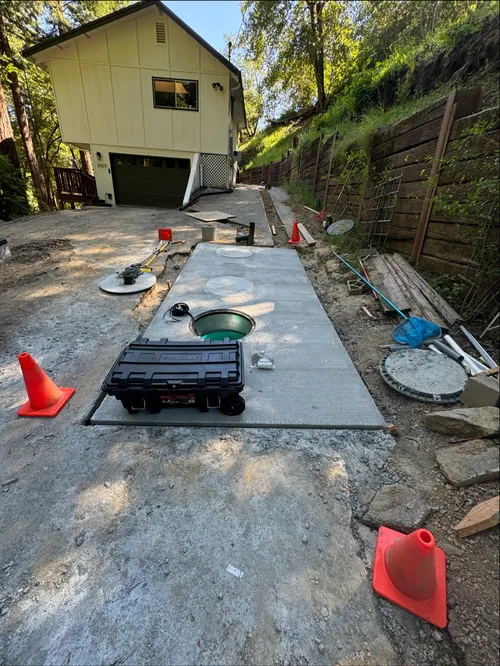
Wade's Plumbing & Septic
San Jose, CA
Wade's Plumbing & Septic is a family-owned company serving San Jose, CA, and licensed in California and Georgia. They specialize in septic tank pumping, inspection, repair, and installation, with a focus on enhanced treatment systems designed for challenging sites such as steep slopes, limited space, and environmentally sensitive areas. Their services include plumbing repairs and preventative maintenance, delivered by licensed professionals since 2021. Wade's offers upfront flat-rate pricing and emphasizes honest recommendations without upselling. They operate during regular business hours on weekdays.
Trinity Liquid Waste Services
San Jose, CA
Trinity Liquid Waste Services provides septic tank pumping, inspection, repair, and maintenance services for residential and commercial clients in San Jose, CA. The family-owned company offers a wide range of septic system solutions including grease trap pumping, sewage ejector tank maintenance, and water jetting to keep systems functioning properly. They also handle storm drain cleaning and provide 24/7 same-day service for urgent septic issues. Their team is experienced in addressing common septic problems caused by household appliance overuse and sediment buildup, helping customers maintain optimal system performance.
PICHANGA PUMPING SERVICE LLC
901 N Rengstorff Ave, Mountain View, CA 94043
PICHANGA PUMPING SERVICE LLC is a family-owned business with over 10 years of experience, serving San Jose, CA. They provide septic tank pumping, inspection, repair, and installation services. The company uses specialized equipment for camera inspections and locating issues within pipes and sewer lines. They also offer restroom rentals. Pichanga Pumping Service provides after-hours and emergency services for added convenience.
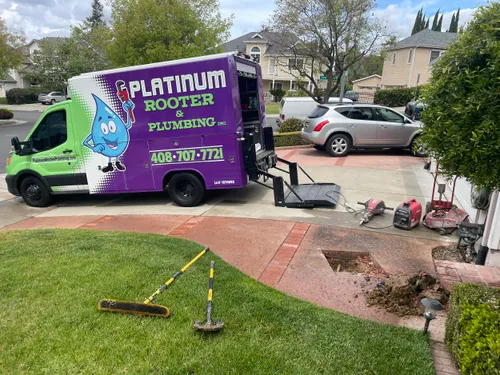
Platinum Rooter Plumbing and Septic Inc.
San Jose, CA
Platinum Rooter Plumbing and Septic Inc. is a septic tank pumping company based in San Jose, CA. They provide installation, cleaning, and maintenance services for septic tanks, grease traps, and water heaters. Serving areas from Gilroy to Livermore, they handle a range of plumbing issues from minor leaks to full pipeline replacements. The company offers hydro jetting services and is available 24/7 for emergency plumbing needs. With over 15 years in business, Platinum Rooter Plumbing and Septic Inc. emphasizes quick response times and honest pricing.
Understanding Your Septic System and Why Pumping is Essential
A septic system is an on-site wastewater treatment facility for properties not connected to a municipal sewer line. It consists of a large underground tank and a drain field. When wastewater from your home enters the tank, solids settle to the bottom as sludge, and oils float to the top as scum. The clarified liquid in the middle, called effluent, flows out to the drain field for further filtration into the soil.
Septic tank cleaning-the process of pumping out these accumulated solids-is non-negotiable. Without it, sludge builds up until it flows into the drain field, clogging the soil and causing system failure. This can result in sewage backing up into your home or surfacing in your yard, creating health hazards and requiring a complete system replacement, which is exponentially more expensive than routine maintenance.
Recommended Pumping Frequency for San Jose Homes
How often you need septic system pumping depends on several household factors. The general guideline for a standard household is every 3 to 5 years. However, this is just a starting point. You should adjust the schedule based on:
- Household Size: Larger families (5+ people) generate more wastewater and solids, potentially requiring tank pumping every 2 to 3 years.
- Tank Size: A smaller tank will fill with solids faster than a larger one.
- Total Water Usage: Excessive water from long showers, frequent laundry loads, or leaky fixtures can overwhelm the system, shortening the time between necessary pump-outs.
The most reliable method is to have a professional inspection, which is recommended every 1 to 2 years, to measure the sludge and scum levels in your tank 1. This inspection provides a data-driven answer for your specific situation.
Signs Your San Jose Septic Tank Needs Pumping
Don't wait for a disaster. Be proactive and watch for these warning signs that your tank is reaching capacity:
- Slow Drains: Sinks, showers, and toilets that drain slower than usual, especially if plunging doesn't help.
- Unpleasant Odors: Sewage smells inside your home or around the drain field area in your yard.
- Gurgling Sounds: Strange gurgling noises coming from your plumbing pipes.
- Lush, Wet Grass: Standing water or unusually green, soggy patches over the drain field, even during dry weather.
- Sewage Backup: The most severe sign, where wastewater backs up into household drains.
If you notice any of these signs, it's time to schedule a septic service immediately to avoid more severe damage 2.
Find the perfect septic tank pumping contractors for your needs
Get personalized recommendations and expert advice
What to Expect: The Septic Pumping Process
Knowing what happens during a pump-out can help you prepare. A standard septic pumping service typically involves:
- Locating & Uncovering: The technician will locate your tank's access lids (manholes) and dig to expose them.
- Initial Inspection: Before pumping, they may check inlet/outlet baffles and look for visible cracks or damage.
- Pumping: A large truck with a vacuum hose will remove all contents from the tank-sludge, scum, and effluent.
- Tank Rinsing: High-pressure water is often used to rinse the tank walls and break up any remaining solids, which are then pumped out.
- Final Inspection: After the tank is empty, a more thorough inspection for structural integrity, baffle condition, and leaks can be performed.
- System Check: The technician may run water in your home to ensure the system is accepting effluent properly after service.
This is also the ideal time to have your effluent filter cleaned, if your system has one.
Cost of Septic Tank Pumping in San Jose
The price for routine septic maintenance in San Jose is typically straightforward. For a standard, accessible 1,000-gallon tank, homeowners can expect to pay between $300 and $6003. The average cost often falls in the $300-$500 range for this essential maintenance3 4 5.
Several factors can influence the final cost:
- Tank Size and Accessibility: Larger tanks or those buried deep or under obstacles (like patios or landscaping) will cost more.
- Condition: A severely neglected tank with hardened sludge may require more labor or special equipment, increasing the price.
- Additional Services: Costs for an annual inspection, drain field assessment, or minor repairs will be added to the base pumping fee.
- Emergency Service: A pump-out needed on a weekend, holiday, or for an active backup will carry a premium, potentially raising the total to $700-$1,200 or more6 7.
Local Regulations and Inspections in Santa Clara County
Septic systems in California are regulated to protect public health and water quality. The California Regional Water Quality Control Boards set guidelines to prevent groundwater contamination8. In Santa Clara County, the Department of Environmental Health oversees local systems.
A key local requirement is the Point-of-Sale Inspection. When selling a property with a septic system in many Bay Area jurisdictions, a passing inspection report is often mandatory. This inspection is more rigorous than a routine check and may require repairs or upgrades to bring the system up to current code before the sale can be finalized9 10. Always check with local authorities for the most current rules.
Proactive Maintenance to Extend Time Between Pumpings
You can maximize the time between septic tank cleanings and protect your investment with smart habits:
- Conserve Water: Fix leaky faucets and toilets, and spread out laundry loads.
- Mind What You Flush: Only human waste and toilet paper should go down the toilet. Avoid flushing wipes (even "flushable" ones), feminine hygiene products, dental floss, and chemicals.
- Use the Sink Wisely: Never pour grease, oil, or coffee grounds down the drain. Minimize use of a garbage disposal, as it adds significant solids to your tank 11.
- Protect Your Drain Field: Never park vehicles or build structures over it. Plant only grass or shallow-rooted plants nearby.
- Install an Effluent Filter: This device, installed on the tank outlet, helps prevent solids from escaping into the drain field and is highly recommended.
Frequently asked questions
Sources
Footnotes
-
Septic Tanks - Preventative Routine Maintenance - https://des.sc.gov/permits-regulations/septic-tanks/homeowner-resources/septic-tanks-preventative-routine-maintenance ↩
-
Septic Tank Pumping Frequency: Crucial Maintenance Guide - https://septic911.com/septic-tank-pumping-frequency/ ↩
-
How Often to Pump a Septic Tank - Clear River Environmental - https://clearriverenvironmental.com/how-often-to-pump-a-septic-tank/ ↩ ↩2
-
How Often Should My Septic Tank Pumped In California - https://www.lanikseptic.com/how-often-should-my-septic-tank-pumped-in-california/ ↩
-
Septic Pumping Cost by State: 2024 Complete Price Guide - https://wastedoor.com/article/septic-pumping-cost-by-state ↩
-
Septic Tank Pumping Cost: Guide & Pricing in 2025 - Splash Plumbing - https://www.splashplumbing.com/how-much-does-it-cost-to-pump-septic-tank-understanding-pricing-and-factors-involved/ ↩
-
Cost to Pump Septic Tank: Tips to Save on Cleaning Fees - https://ivanssiteservices.com/blog/cost-to-pump-septic-tank-what-to-expect-and-how-to-save/ ↩
-
Onsite Wastewater Information (Septic Systems) - https://www.waterboards.ca.gov/centralcoast/water_issues/programs/septics/ ↩
-
Septic Systems | Department of Environmental Protection - https://www.pa.gov/agencies/dep/residents/my-water/septic-systems ↩
-
New Septic Regulations Taking Effect July 2023 - https://slvpost.com/new-septic-regulations-taking-effect-july-2023/ ↩
-
Smart Solutions for Optimizing Septic Tank Pumping Frequency - https://smartsepticpros.com/blog/septic-tank-pumping-frequency/ ↩