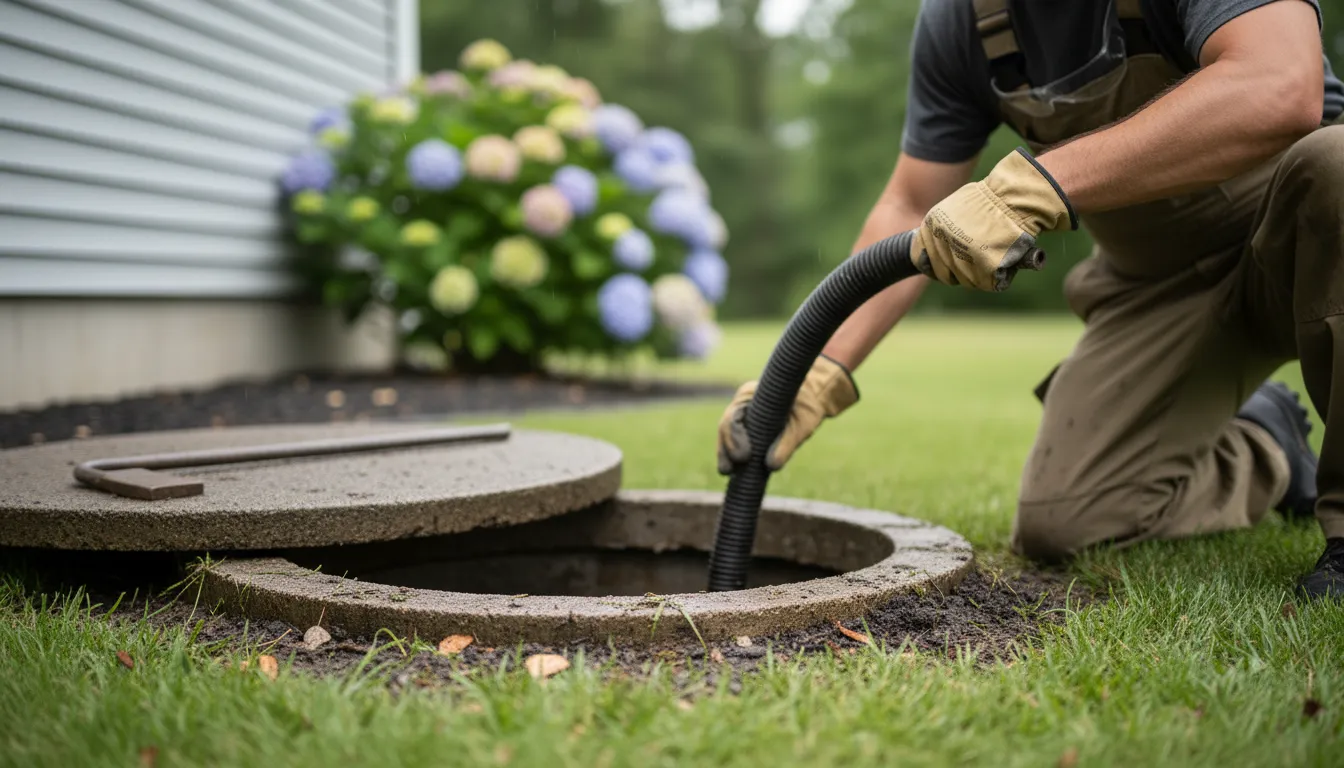
Find the Best Septic Tank Pumping Contractors for Your Business
No obligation • Fast responses • Nationwide coverage

Why you can trust Septic Spot
Septic Spot is a leading United States resource for understanding and comparing septic services. Our editors review providers using consistent criteria and verify key business details. Listings and scores are independent, and companies cannot pay to influence our content.
Search providers near you
Top Septic Tank Pumping Contractors in Burbank, California Ranked
Maintaining your septic system is a critical responsibility for any Burbank homeowner not connected to the municipal sewer. Regular septic tank pumping is the cornerstone of this maintenance, essential for preventing system backups, environmental contamination, and costly repairs. This guide explains why septic service is vital, outlines local recommendations, and helps you understand what to expect when it's time to schedule this important home care task.

High Speed Rooter & Plumbing
3831 Arden Dr, El Monte, CA 91731
High Speed Rooter & Plumbing is a septic tank pumping and repair company based in Los Angeles, CA. They provide comprehensive septic system services, including routine maintenance and complex repairs, using advanced technology and certified master plumbers. Their fully stocked trucks and state-of-the-art equipment enable efficient service delivery. The company also offers professional gas line installation and repair. High Speed Rooter & Plumbing provides 24/7 emergency services to address urgent plumbing and septic issues promptly.
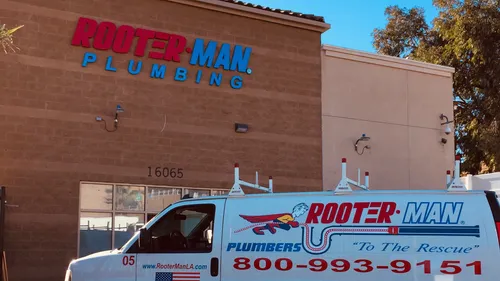
Sewer Man Septic Tank Pumping
16065 Foothill Blvd # B, Sylmar, CA 91342
Sewer Man Septic Tank Pumping provides septic tank pumping, cleaning, inspection, repair, and installation services in Los Angeles, CA. They use specialized equipment such as vacuum trucks and high-pressure water jets to maintain and clean septic systems, helping prevent backups and slow drainage. The company offers emergency septic pumping services for urgent needs and serves a wide range of nearby communities. Sewer Man Septic Tank Pumping is experienced in handling various septic system maintenance tasks to support property owners in the Los Angeles area.
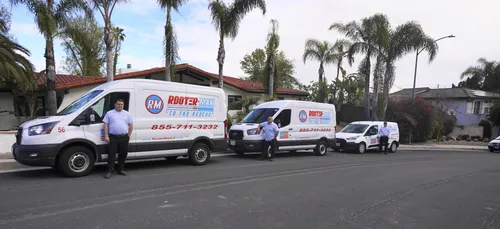
Rooter Man Plumbing of Covina
536 E Rowland St B, Covina, CA 91723
Rooter Man Plumbing of Covina provides residential and commercial plumbing services in Los Angeles, CA. Their offerings include septic tank pumping, drain cleaning, sewer repair, pipe repair, leak detection, water heater services, and hydro jetting. The company uses modern tools and advanced technology to address plumbing issues efficiently. With over 50 years of experience, they also provide 24/7 emergency plumbing services to handle urgent repairs and maintenance needs.
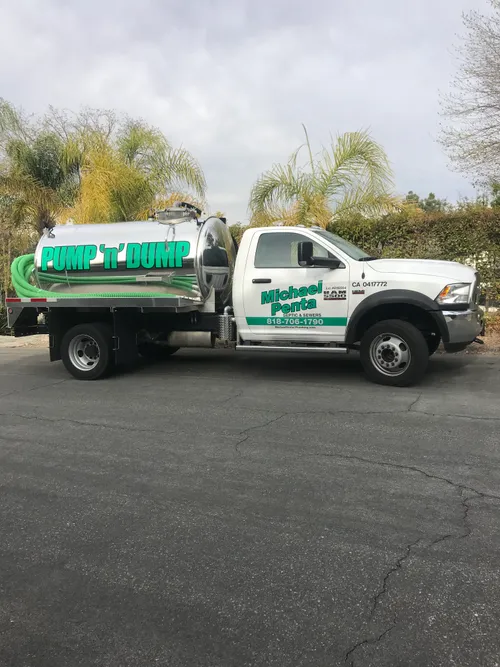
Michael Penta Septic Tank Pumping
Los Angeles, CA
Michael Penta Septic Tank Pumping provides a range of septic services in Los Angeles, CA, including septic tank pumping, installation, inspection, and repair. The company also handles drain field repairs, sewage ejection pump services, and sewer line replacements. Their expertise includes advanced capabilities such as camera inspections for leaks and cracks, soil analysis for leach line repair, and installation of micro septic systems that treat wastewater to a higher quality. They ensure compliance with local regulations and offer comprehensive maintenance to extend the life of septic systems.
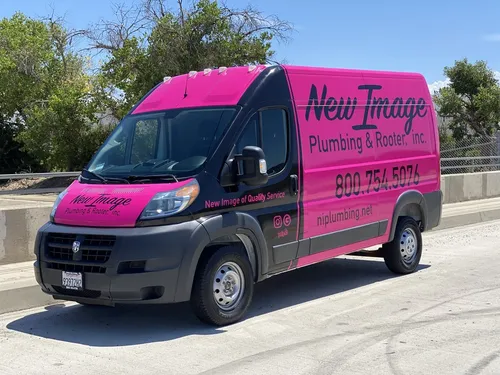
New Image Plumbing & Rooter
1527 E Washington Blvd, Pasadena, CA 91104
New Image Plumbing & Rooter is a septic tank pumping company serving Los Angeles, CA, and nearby communities including Pasadena, La Cañada Flintridge, and Arcadia. They provide a wide range of plumbing services such as drain cleaning, sewer line repair, water heater installation, gas line plumbing, and septic tank maintenance. The company emphasizes eco-friendly solutions, including water conservation fixtures and energy-efficient plumbing systems. Their team is licensed and insured, offering 24/7 emergency plumbing services to address urgent needs promptly. With a family-oriented approach and partnerships with manufacturers like A.O. Smith and Raypak, New Image Plumbing & Rooter combines expertise with community care to deliver tailored plumbing solutions.
Why Septic System Maintenance is Non-Negotiable
A septic system is a self-contained wastewater treatment plant on your property. When functioning correctly, it safely processes all the water and waste from your home. The tank itself separates solids from liquids; solids settle as sludge at the bottom, while fats and oils float as scum on top. The clarified liquid then flows out to the drain field for further treatment in the soil. Over time, the sludge and scum layers accumulate. If not removed through regular septic tank cleaning, these layers can overflow into the drain field, causing clogs, sewage backups into your home, and groundwater pollution. In Burbank, with its specific soil conditions and regulations, proactive maintenance isn't just advisable-it's a necessity for protecting your property value and public health.
Recommended Pumping Frequency for Burbank Homes
How often you need to pump your septic tank isn't a one-size-fits-all answer; it depends on your household size, tank capacity, and water usage. However, general guidelines provide a reliable starting point for Burbank residents.
- Average Household: For a typical family of four with a standard 1,000-gallon tank, septic tank pumping is recommended every 3 to 5 years 1.
- High-Usage or Small Tank Situations: If your household is larger, you frequently use a garbage disposal, or your tank is smaller, you may need septic service more frequently-potentially every 1 to 2 years 2.
- The 25% Rule: A key technical guideline is to pump the tank when the combined sludge and scum layer occupies 25% or more of the tank's total liquid capacity 3 4.
The most accurate way to determine need is through a professional inspection, which can measure these layers directly.
The Critical Role of Regular Inspections
Scheduling a routine septic system inspection is just as important as the pumping itself. Experts recommend having your entire system inspected by a qualified professional at least every 3 years. During an inspection, the technician will:
- Locate and access the tank and drain field.
- Measure the depth of sludge and scum to determine if pumping is needed.
- Check the integrity of the tank (for cracks, leaks, or baffle problems).
- Examine the drain field for signs of failure, such as surfacing effluent or overly lush grass.
A specific indicator for immediate action is if the scum layer is within 3 inches of the bottom of the outlet baffle; at this point, pumping is required to prevent solids from escaping into the drain field 5 6. Keeping detailed records of your tank's location, size, and all maintenance dates is invaluable for both you and any future service provider 6.
Find the perfect septic tank pumping contractors for your needs
Get personalized recommendations and expert advice
Understanding Costs: Pumping, Inspections, and Beyond
Being informed about costs helps homeowners budget for this essential maintenance. In the Burbank area, pricing can vary based on tank size, accessibility, and the company you choose.
- Routine Pumping: The average cost to pump a residential septic tank typically ranges from $300 to $600 7.
- System Inspections: A standard inspection often costs between $100 and $250 per visit.
- Major Repairs or Replacement: It's crucial to understand that regular pumping is an investment that prevents far more significant expenses. Major repairs, such as replacing a failed leach field, can easily exceed $10,000 8. Consistent maintenance is the most effective strategy for avoiding these catastrophic costs.
Local Regulations and Environmental Stewardship
Burbank and the greater Los Angeles County have regulations governing Onsite Wastewater Treatment Systems (OWTS) to protect water quality and public safety. Homeowners are responsible for ensuring their systems comply with local codes. It is highly recommended to consult the Los Angeles County Department of Public Health for the most current OWTS policies and requirements. Proper maintenance, including timely pumping, is not only a legal responsibility but also an act of environmental stewardship, preventing contaminants from reaching local waterways.
Choosing a Service Provider in Burbank
When it's time for septic tank maintenance, selecting a reliable provider is key. Look for a licensed, insured, and experienced professional with positive local reviews. They should be willing to explain their process, provide a clear estimate, and detail what their inspection includes. A reputable company will also help you locate your tank and components if records are lost and advise on a sustainable maintenance schedule tailored to your home's specific needs.
Signs Your Septic Tank Needs Immediate Attention
Don't wait for your scheduled inspection if you notice any of these warning signs:
- Slow drains or gurgling pipes throughout the house.
- Sewage backups in toilets, showers, or sinks.
- Unpleasant odors around the septic tank or drain field area.
- Exceptionally lush, green grass or soggy ground over the drain field.
- Standing water or surfacing sewage in your yard.
If you observe any of these issues, contact a septic pumping professional immediately to assess the situation and prevent further damage.
Frequently asked questions
Sources
Footnotes
-
Pumping & Maintenance Tips - Septic Treatment - https://www.sosonsiteca.net/resources/pumping-maintenance-tips ↩
-
How Often Should I Pump Out My Septic Tank? - https://cms2.revize.com/revize/westportma/Documents/Departments/Health/Forms%20And%20Resources/how_often_should_i_pump_out_my_septic_tank_2.pdf?t=202508080914340&t=202508080914340 ↩
-
Septic Systems | Department of Environmental Protection - https://www.pa.gov/agencies/dep/residents/my-water/septic-systems ↩
-
Septic Tank Cleaning & Pumping Company Riverside - https://frankspumping.com/ ↩
-
Maintaining your Septic System A Guide for Homeowners - https://www.ihs.gov/california/tasks/sites/default/assets/File/SFC-MaintainingYourSepticSystemGuide.pdf ↩
-
Septic Tank Pumping Frequency Guidelines - https://www.beckertwpsherburnecomn.gov/sites/g/files/vyhlif16406/files/media/services/file/426/septic_tank_pumping_frequency_guidelines.pdf ↩ ↩2
-
Understanding the Average Cost to Pump a Septic Tank - https://www.scorpionsepticservices.com/blog/understanding-the-average-cost-to-pump-a-septic-tank ↩
-
7 Ways to Reduce the Cost for Septic System in California - https://www.lanikseptic.com/reduce-septic-system-costs-california/ ↩