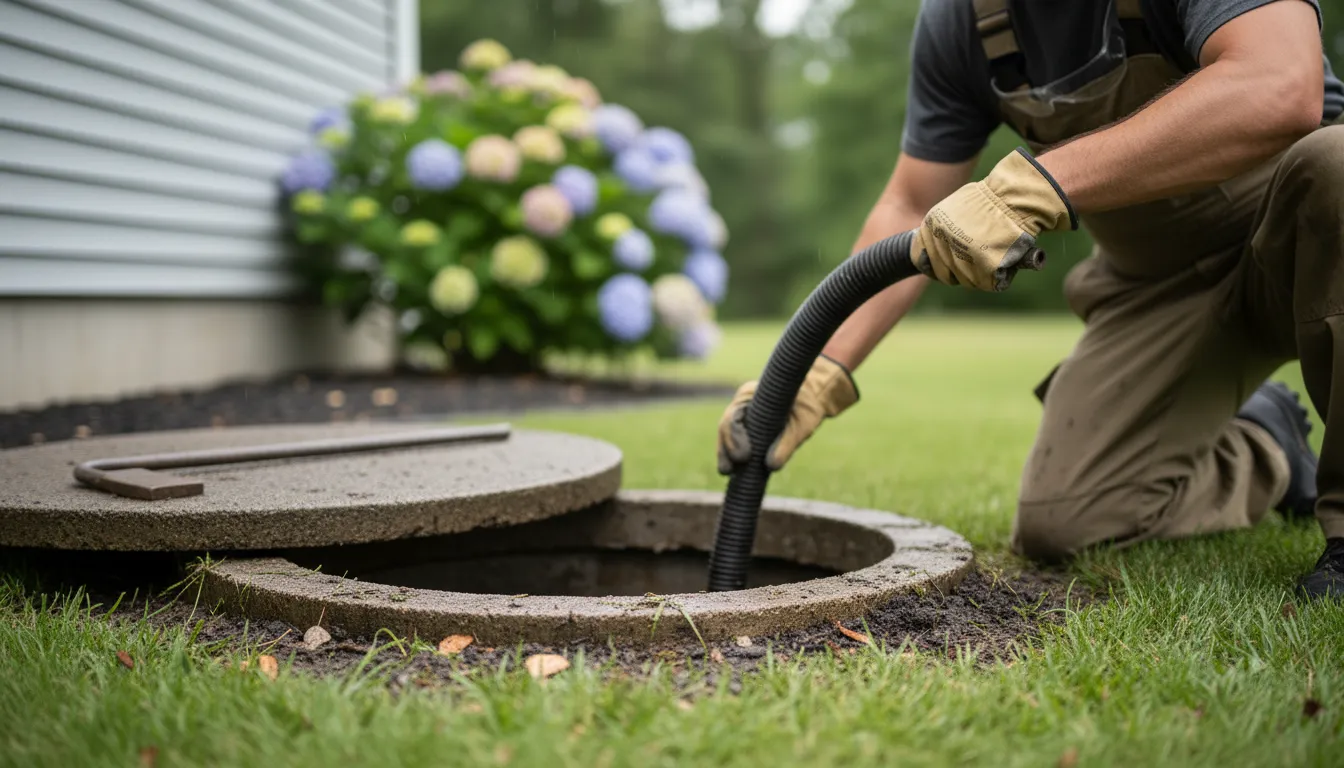
Find the Best Septic Tank Pumping Contractors for Your Business
No obligation • Fast responses • Nationwide coverage

Why you can trust Septic Spot
Septic Spot is a leading United States resource for understanding and comparing septic services. Our editors review providers using consistent criteria and verify key business details. Listings and scores are independent, and companies cannot pay to influence our content.
Search providers near you
Top Septic Tank Pumping Contractors in Fairfield, California Ranked
Maintaining your septic system is a crucial responsibility for any homeowner not connected to a municipal sewer line. Regular septic tank pumping is the cornerstone of this maintenance, preventing system backups, environmental contamination, and costly repairs. This guide provides essential information for Fairfield residents on how often to schedule this service, what to expect during the process, and how to find qualified local professionals to keep your system functioning smoothly for years to come.
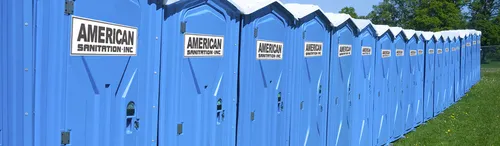
American Sanitation Inc
1729 Action Ave, Napa, CA 94559
American Sanitation Inc is a family-owned business based in Santa Rosa, CA, serving Northern California with portable toilet rentals and septic tank services. They specialize in providing portable toilets for vineyards, construction sites, and special events across multiple cities including Napa, Oakland, and San Francisco. The company offers septic tank pumping services and maintains an after-hours contact number for emergencies.
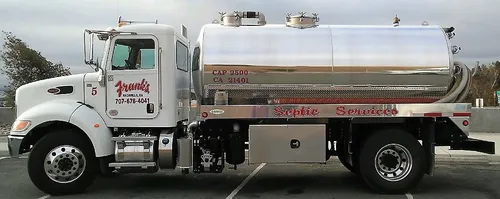
Frank's Septic Service, Inc.
Fairfield, CA
Frank's Septic Service, Inc. is a family-owned and operated company based in Fairfield, CA, providing septic system services since 1949. They offer a range of services including septic tank pumping, inspections, repairs, installations, and trucked waste removal for residential, agricultural, commercial, and municipal clients. Serving areas across Colusa, Solano, and Yolo Counties, including Vacaville, Woodland, and Davis, the company specializes in system upgrades, leach field repairs, and certified inspections. Their fleet includes vacuum tankers with capacities between 5,000 and 6,500 gallons. Frank's Septic Service also provides 24/7 after-hours and emergency support.
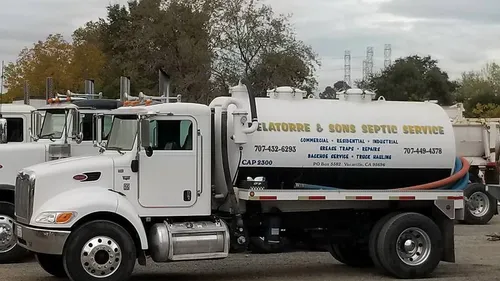
Delatorre Septic and Trucking LLC
7000 Leisure Town Rd, Vacaville, CA 95688
Delatorre Septic and Trucking LLC is a family-owned business providing septic system services in Fairfield, CA, and surrounding areas including Napa, Yolo, and Solano Counties. They offer septic tank pumping, inspection, repair, and installation for both residential and commercial customers. Established in 1992 initially as a trucking company, they have expanded to specialize in septic services and provide 24/7 emergency support. Their trucks can hold up to 2,600 gallons, enabling efficient waste removal for septic systems.

American Eagle Plumbing & Construction
5441 Victoria Ln, El Sobrante, CA 94803
American Eagle Plumbing & Construction is a licensed, bonded, and insured plumbing and construction company based near Berkeley, CA. Serving the East Bay, Peninsula, North Bay, South Bay, and San Francisco, they provide a full range of plumbing, sewer, septic system inspection, pumping, and repair services for residential, commercial, and municipal clients. With over 26 years of experience since 2001, the company specializes in trenchless sewer repair and works closely with PG&E and local municipalities to ensure code compliance and efficient project approvals. Their licensed plumbers are available 24/7 for emergency plumbing services.
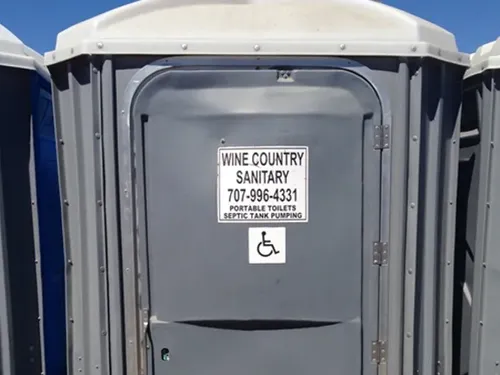
Wine Country Sanitary
1201 E MacArthur St Suite #1b, Sonoma, CA 95476
Wine Country Sanitary is a septic tank pumping and inspection company based in Santa Rosa, CA. They serve domestic and commercial clients in Sonoma and Napa County, offering services such as septic tank pumping, sump pump repairs, and mound system maintenance. The company also handles restaurant grease trap pumping, RV holding tank servicing, and winery wastewater management. With over 30 years of experience, Wine Country Sanitary provides site inspections and findings reports required by local regulations. They also offer portable toilet rentals for job sites and special events.
Why Regular Septic System Maintenance is Essential
A septic system is a self-contained wastewater treatment plant on your property. When functioning correctly, it safely processes all the water from your home's toilets, showers, sinks, and appliances. Solid waste settles at the bottom of the tank as sludge, while oils and grease float to the top as scum. The liquid effluent in the middle flows out to the drain field. Over time, the sludge and scum layers accumulate. If not removed through periodic septic tank cleaning, these layers can become too thick, allowing solids to escape into the drain field. This can clog the soil, cause sewage to surface in your yard, or lead to backups into your home-a messy and expensive problem to fix.
The Butler County General Health District strongly encourages regular maintenance, as neglect is a leading cause of premature system failure. A failed system is not just an inconvenience; it's a public health concern that can contaminate groundwater and local waterways. Proactive care through scheduled pumping is far more affordable than the thousands of dollars often required for emergency repairs or a complete system replacement.
Recommended Pumping Frequency for Fairfield Homes
How often you need to pump your tank isn't a one-size-fits-all answer. The U.S. Environmental Protection Agency (EPA) provides a general guideline of every three to five years. However, several household-specific factors can shorten or extend this interval.
- Household Size: A four-person household typically needs more frequent septic tank servicing than a single occupant. More people generally means more water usage and waste generation, filling the tank faster1 2.
- Tank Size: Older homes may have smaller tanks (e.g., 500-750 gallons), while newer installations are often 1,000 gallons or larger. A smaller tank will require more frequent pumping.
- Water Usage: High-efficiency appliances conserve water and reduce the load on your system. Conversely, habits like long showers, frequent laundry loads, or running a dishwasher daily increase the volume of wastewater.
- Garbage Disposal Use: Using a garbage disposal significantly increases the amount of solids entering the tank. If you use yours regularly, you should plan for pumping on the more frequent end of the spectrum, potentially every 2-3 years3 4.
For a typical Fairfield household, a good rule of thumb is to schedule an inspection and potential pumping every three years. A professional can measure your sludge and scum levels during an inspection to give you a precise, personalized schedule5.
What to Expect: The Pumping and Inspection Process
A professional septic tank pumping service involves more than just removing waste. A thorough provider will follow a comprehensive process to ensure your entire system is evaluated.
- Locating and Accessing the Tank: The technician will locate the tank lids. Ohio regulations now require access risers to be at grade level, making this process much easier 6. If your lids are buried, the service may include digging to expose them.
- Initial Inspection: Before pumping, the technician will check the inlet and outlet baffles (or tees) to ensure they are intact. They will also note the sludge and scum levels to determine if pumping is necessary.
- Pumping: Using a large tank truck, all contents (sludge, scum, and effluent) are vacuumed out of the tank. The tank is pumped until it is clean and empty.
- Post-Pump Inspection: With the tank empty, the technician can inspect the tank's interior for cracks, leaks, or structural damage. They will also check the effluent filter (if your system has one), which should be cleaned annually to prevent clogs.
- Drain Field Check: A visual inspection of the drain field area will be conducted for signs of failure, such as soggy soil, foul odors, or unusually lush grass growth.
- Reporting and Advice: You should receive a report detailing the services performed, the condition of your system, and a recommendation for your next service date.
It's important to note that for an official system evaluation required for a property transfer, Hamilton County Public Health states that the tank must not have been pumped within 30 days prior to the inspection7. This allows the inspector to accurately assess the system's normal operating levels.
Find the perfect septic tank pumping contractors for your needs
Get personalized recommendations and expert advice
Understanding Costs for Septic Services in Ohio
The cost of septic tank pumping is an investment in your property's health. In Ohio, the average price for a standard residential pumping typically ranges from $250 to $5008 9. In some cases, depending on tank size, location, and accessibility, the cost can reach up to $600. Several factors influence the final price:
- Tank Size and Volume: A 1,000-gallon tank costs less to pump than a 1,500-gallon tank.
- Tank Accessibility: If the tank lids are buried and require significant digging or are located far from where the truck can park, labor costs will increase.
- Condition of the Tank: Extremely clogged tanks or those with damaged baffles may require additional labor.
- Additional Services: Costs will be higher if the service includes cleaning the effluent filter, inspecting the drain field with a camera, or making minor repairs.
When budgeting, consider that the annualized cost of routine maintenance-spread out over the 3-5 year pumping cycle-often falls between $100 and $300 per year10. This is minimal compared to the cost of repairing a failed drain field, which can easily run into the tens of thousands of dollars.
Choosing a Reliable Service Provider in Fairfield
Selecting the right company for your septic system maintenance is key. Look for providers who are licensed, insured, and have a good local reputation. They should be knowledgeable about Butler County and Ohio health department regulations. Don't hesitate to ask for references or read online reviews. A reputable company will be happy to explain their process, provide a detailed estimate, and answer all your questions. They should also file any necessary permits or reports with the local health district after service.
Maintaining Your System Between Pumpings
You can extend the time between pumpings and protect your system's longevity with good habits.
- Conserve Water: Fix leaky faucets and toilets promptly. Spread out laundry loads throughout the week instead of doing many loads in one day.
- Mind What You Flush: Only human waste and toilet paper should go down the toilet. Never flush wipes (even "flushable" ones), feminine hygiene products, dental floss, diapers, or paper towels.
- Be Careful in the Kitchen: Avoid pouring cooking oils, grease, or fat down the drain. Minimize use of the garbage disposal. Coffee grounds and eggshells add unnecessary solids to your tank.
- Protect Your Drain Field: Never park vehicles or place heavy structures like sheds on your drain field. Keep roof drains, sump pumps, and other surface water away from the area. Plant only grass over the drain field; tree and shrub roots can cause severe damage.
For the most accurate and mandatory maintenance schedule for your specific property, always contact the Butler County General Health District or consult directly with a licensed local septic service provider11.
Frequently asked questions
Sources
Footnotes
-
How Often to Pump a Septic Tank in Ohio - SepTek - https://www.septekservices.com/2025/05/08/how-often-should-you-pump-your-septic-tank-in-ohio/ ↩
-
How Often Should I Pump Out My Septic Tank? - https://cms2.revize.com/revize/westportma/Documents/Departments/Health/Forms%20And%20Resources/how_often_should_i_pump_out_my_septic_tank_2.pdf?t=202508080914340&t=202508080914340 ↩
-
Frequent Questions on Septic Systems | US EPA - https://www.epa.gov/septic/frequent-questions-septic-systems ↩
-
Fouss Septic Systems - Pumping & Maintenance - https://larryfoussconstruction.com/pumping.html ↩
-
How to Care for Your Septic System | US EPA - https://www.epa.gov/septic/how-care-your-septic-system ↩
-
A GUIDE FOR ON-SITE SEWAGE DISPOSAL SYSTEMS (SEPTIC ... - https://dam.assets.ohio.gov/image/upload/epa.ohio.gov/Portals/35/documents/Sewage2000.pdf ↩
-
Sewage Treatment Systems - Hamilton County Public Health - https://hamiltoncountyhealth.org/services/water-quality/new-sewage-treatment-systems/ ↩
-
How Much Does Septic Tank Pumping and Maintenance Cost in ... - https://gullettsanitation.com/2025/09/how-much-does-septic-tank-pumping-and-maintenance-cost-in-bethel-ohio/ ↩
-
Understanding the Average Cost to Pump a Septic Tank - https://www.scorpionsepticservices.com/blog/understanding-the-average-cost-to-pump-a-septic-tank ↩
-
How Much Does Septic Pumping in Ohio Cost? - https://www.austinsseptic.com/post/how-much-does-septic-plumbing-in-ohio-cost ↩
-
STS Components, Systems and Maintenance - https://odh.ohio.gov/know-our-programs/sewage-treatment-systems/information-for-homeowners/sts-components-systems-and-maintenance ↩