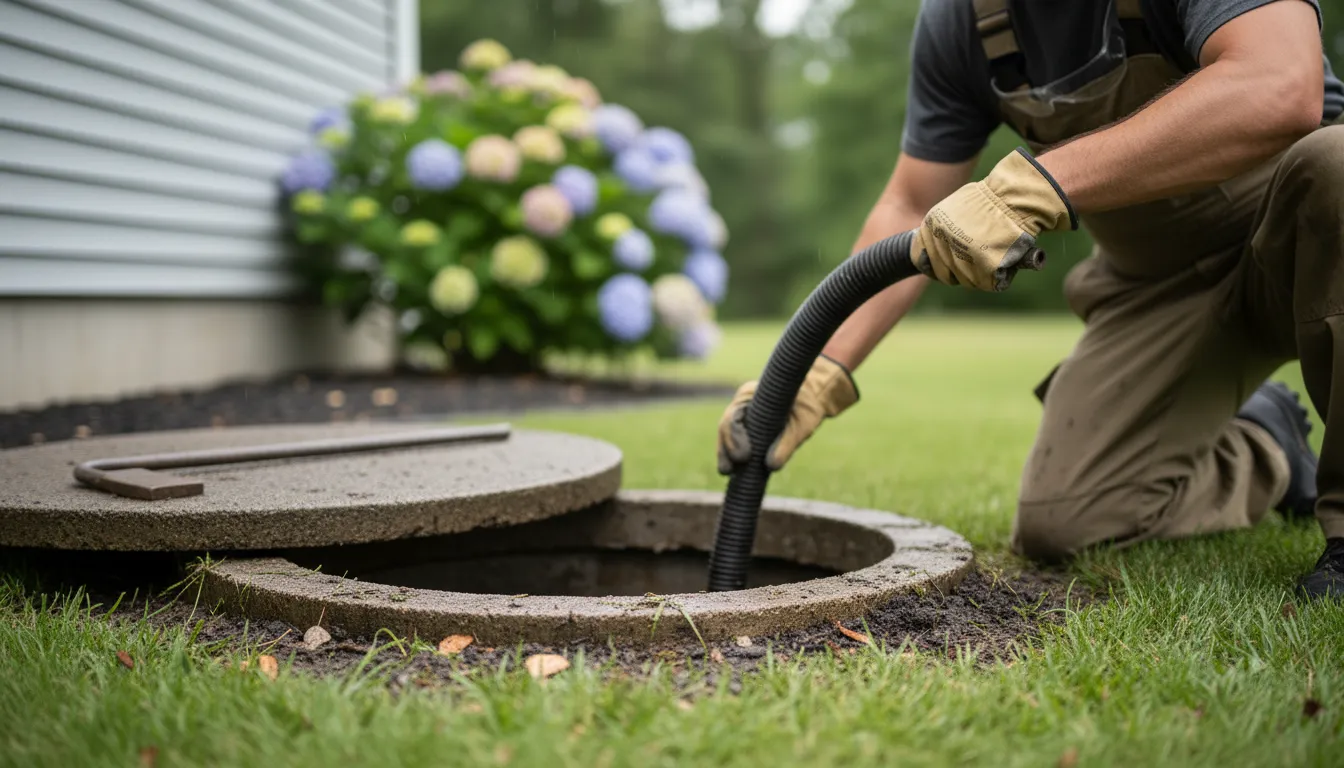
Find the Best Septic Tank Pumping Contractors for Your Business
No obligation • Fast responses • Nationwide coverage

Why you can trust Septic Spot
Septic Spot is a leading United States resource for understanding and comparing septic services. Our editors review providers using consistent criteria and verify key business details. Listings and scores are independent, and companies cannot pay to influence our content.
Search providers near you
Top Septic Tank Pumping Contractors in Lancaster, California Ranked
Maintaining a healthy septic system is a critical responsibility for homeowners not connected to a municipal sewer line. Septic tank pumping is the essential service of removing accumulated solids from your tank to prevent system failure, costly repairs, and environmental contamination. This guide provides key information on septic maintenance, including local service frequency and costs, to help you find and evaluate qualified septic pumping professionals in the Lancaster area.
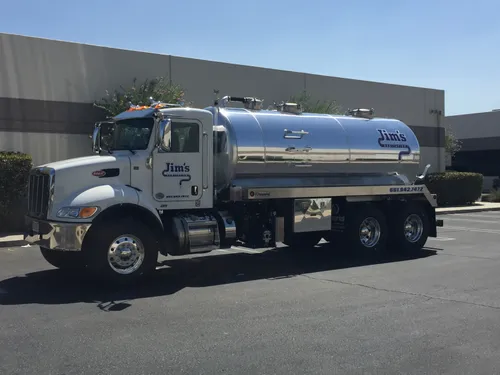
Jim's Sanitation
Lancaster, CA
Jim's Sanitation is a septic tank pumping company based in Lancaster, CA. They provide full-service septic tank pumping and cleaning for both commercial and residential properties. Their services include clog maintenance and drain and sewer cleaning using modern equipment. Jim's Sanitation offers emergency service to address urgent septic system needs.
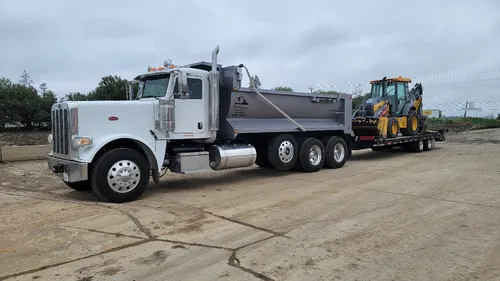
Panico Excavation & Sanitation
14300 Davenport Rd #5a, Agua Dulce, CA 91390
Panico Excavation & Sanitation is a septic tank pumping company serving Los Angeles, CA, and surrounding Southern California areas. They offer septic pumping, grease pumping, porta potty rentals, site services, and sewer rehabilitation using UV cured pipe lining. With over 10 years of experience and a team boasting more than 50 years in the industry, Panico Excavation & Sanitation provides a range of sanitation and excavation services. The company also offers 24-hour emergency service for urgent needs.
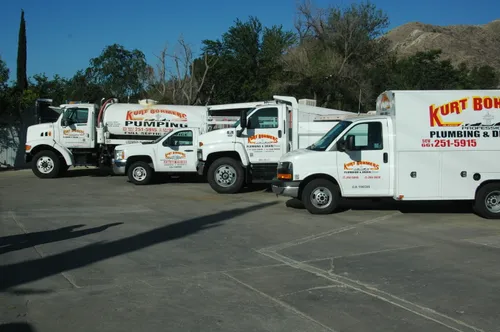
Kurt Bohmer Plumbing Inc.
16743 Sierra Hwy, Canyon Country, CA 91351
Kurt Bohmer Plumbing Inc. is a plumbing and septic service provider based in Los Angeles, CA. They serve the Santa Clarita Valley, Antelope Valley, and Ventura County, offering residential and commercial plumbing solutions. Their services include septic tank pumping, installation, repairs, and complete system design, supported by a fleet of pumping trucks and 24/7 availability for septic tank pumping. They also provide sewer and drain cleaning with high-pressure water jetting and video camera inspections. With over 35 years of experience, Kurt Bohmer Plumbing Inc. has established a long-standing presence in Southern California.
Why Regular Septic Pumping is Non-Negotiable
Your septic system is a self-contained wastewater treatment plant. When it functions correctly, you hardly think about it. However, neglecting routine septic tank cleaning can lead to catastrophic and expensive problems. The primary purpose of pumping is to remove the sludge (heavy solids) and scum (lighter fats and greases) that naturally accumulate and cannot be broken down by bacteria. If these layers become too thick, they can flow out into the drainfield, clogging the soil and causing sewage to back up into your home or pool on your lawn. Regular pumping is the most cost-effective way to protect your property value and ensure your system's longevity 1.
Recommended Pumping Frequency for Lancaster Homes
How often you need septic tank service depends on several household-specific factors. A general rule of thumb is to schedule pumping every 3 to 5 years 2 3. However, for many households in Lancaster, a more frequent interval of 1 to 3 years is recommended, especially with heavy usage.
Consider these key factors that may require more frequent septic system maintenance:
- Household Size: A home with 5 or more people produces significantly more wastewater and solids, filling the tank faster.
- Tank Size: Older or smaller tanks (under 1,000 gallons) have less capacity and need more frequent attention.
- Garbage Disposal Use: Using a garbage disposal regularly introduces additional organic solids that accelerate sludge buildup.
- Water Usage Habits: Excessive water from long showers, frequent laundry loads, or leaky fixtures reduces the tank's settling time.
A professional inspection is the best way to determine your tank's specific needs. Experts advise that pumping is necessary when the combined sludge and scum layer exceeds 25% of the tank's liquid depth 4 5.
What to Expect: The Septic Pumping Process
Understanding what happens during a septic service call can help you prepare and ensure the job is done thoroughly.
- Locating and Uncovering the Tank: The technician will locate the tank's access lids, which may require digging if they are buried.
- Initial Inspection: Before pumping, a visual check of the inlet and outlet baffles is often performed.
- Pumping: A large vacuum truck is used to remove all liquid and solid waste from the tank. A reputable provider will pump through both access ports to ensure complete removal.
- Post-Pump Inspection & Measurement: After pumping, a thorough inspection should be conducted. This includes measuring any remaining sludge to confirm the tank is clean, checking for cracks or leaks, and ensuring baffles and tees are intact. This inspection is crucial for assessing overall system health.
- System Flush & Advice: The technician may run water from your house to check flow from the tank to the drainfield and provide you with a report and any maintenance recommendations.
The Critical Role of Professional Inspections
While pumping removes accumulated waste, a comprehensive septic system inspection is what diagnoses potential issues. It's strongly recommended to have your system inspected every 1 to 3 years, often in conjunction with pumping 6. A proper inspection goes beyond the tank to evaluate the entire system's health.
Key components of a professional inspection include:
- Sludge and Scum Level Measurement to determine pumping needs.
- Baffle and Tee Integrity Check to ensure inlet/outlet structures are functioning.
- Tank Structure Assessment for cracks, leaks, or corrosion.
- Drainfield Evaluation to check for signs of failure, such as surfacing effluent or overly lush grass.
Maintaining detailed records of your tank's location, size, pumping dates, and inspection reports is invaluable for future service and if you sell your home 7.
Find the perfect septic tank pumping contractors for your needs
Get personalized recommendations and expert advice
Understanding Costs for Septic Pumping in Lancaster
The cost for septic tank pumping in Lancaster typically ranges from $280 to $520, with an average cost around $380 8. However, prices can vary based on several factors, with some basic services starting around $190 and more complex jobs reaching up to $890 8 9 10.
Factors that influence the final price include:
- Tank Size and Capacity: Larger tanks (1,500+ gallons) cost more to pump than standard 1,000-gallon tanks.
- Tank Accessibility: If the tank lids are buried deep or located far from where the truck can park, additional labor for digging or extra hose will increase the cost.
- Amount of Solids: Tanks that are severely overdue for service may require more time and effort.
- Additional Services: Costs for a full inspection, drainfield assessment, or minor repairs will be added to the base pumping fee.
While price is a consideration, the expertise and thoroughness of the service provider are paramount. A cheaper, incomplete pump job can lead to much higher expenses down the line.
Maintaining Your System Between Pumpings
Proper day-to-day care extends the time between necessary pumpings and protects your drainfield.
Do:
- Conserve water and fix leaks promptly.
- Spread out laundry loads over the week.
- Only flush human waste and toilet paper.
- Keep accurate records of all maintenance.
Don't:
- Pour cooking grease or oil down the drain.
- Flush wipes (even "flushable" ones), feminine hygiene products, or paper towels.
- Use excessive harsh chemicals or antibacterial soaps, which can kill the beneficial bacteria in your tank.
- Park vehicles or build structures over your drainfield.
Local Regulations and Resources in Los Angeles County
Septic system regulations can vary by county. For the most current and official guidelines specific to Lancaster and the Antelope Valley, homeowners are advised to contact the Los Angeles County Department of Public Health, Environmental Health Division 11 12. They can provide information on permitting, system requirements, and any local codes that may affect maintenance or repair work.
Signs Your Septic Tank Needs Immediate Attention
Don't wait for a scheduled maintenance date if you notice these warning signs of a full or failing system:
- Slow Drains: Sinks, showers, and toilets that drain slowly throughout the house.
- Sewage Odors: Unpleasant smells indoors near drains or outdoors near the tank/drainfield.
- Gurgling Sounds: Bubbling or gurgling noises from your plumbing.
- Pooling Water or Lush Grass: Soggy ground or unusually green, lush grass over the drainfield area.
- Sewage Backup: The most severe sign-wastewater backing up into household drains.
If you observe any of these issues, contact a septic professional immediately to prevent further damage and potential health hazards.
Frequently asked questions
Sources
Footnotes
-
Septic Pumping: 5 Reasons Why It's So Important | WRE - https://www.wrenvironmental.com/blog/2020/april/septic-pumping-5-reasons-why-it-s-so-important/ ↩
-
Septic Systems | Department of Environmental Protection - https://www.pa.gov/agencies/dep/residents/my-water/septic-systems ↩
-
Pumping & Maintenance Tips - Septic Treatment - https://www.sosonsiteca.net/resources/pumping-maintenance-tips ↩
-
Septic Tank Cleaning & Pumping Company Riverside - https://frankspumping.com/ ↩
-
Septic Tank Pumping Frequency: Crucial Maintenance Guide - https://septic911.com/septic-tank-pumping-frequency/ ↩
-
How Often Should My Septic Tank Pumped In California - https://www.lanikseptic.com/how-often-should-my-septic-tank-pumped-in-california/ ↩
-
How Often Should You Have Your Septic Tank Pumped? - https://www.johnklineseptic.com/how-often-should-you-have-your-septic-tank-pumped ↩
-
Septic Pumping in Lancaster, CA - Costs 01 / 2026 - Homeyou - https://www.homeyou.com/ca/septic-pumping-lancaster-costs ↩ ↩2
-
How much does it cost to get a septic tank pumped out? - Reddit - https://www.reddit.com/r/homeowners/comments/1nyn7a4/how_much_does_it_cost_to_get_a_septic_tank_pumped/ ↩
-
Understanding the Average Cost to Pump a Septic Tank - https://www.scorpionsepticservices.com/blog/understanding-the-average-cost-to-pump-a-septic-tank ↩
-
California Septic Tank Requirements | Onsite Wastewater Treatment Systems - https://www.ntotank.com/blog/california-septic-tank-requirements ↩
-
Septic Tank Pumping Frequency Guidelines - https://www.beckertwpsherburnecomn.gov/sites/g/files/vyhlif16406/files/media/services/file/426/septic_tank_pumping_frequency_guidelines.pdf ↩