Find the Best Septic Tank Pumping Contractors for Your Business
No obligation • Fast responses • Nationwide coverage

Why you can trust Septic Spot
Septic Spot is a leading United States resource for understanding and comparing septic services. Our editors review providers using consistent criteria and verify key business details. Listings and scores are independent, and companies cannot pay to influence our content.
Search providers near you
Top Septic Tank Pumping Contractors in Ceres, California Ranked
Maintaining a healthy septic system is a crucial responsibility for homeowners in Ceres. Regular septic tank pumping is the most effective way to prevent costly backups, system failures, and environmental contamination. This guide will help you understand the local requirements, typical costs, and best practices for finding a qualified professional to service your system.
A-1 Septic Services
2125 Wylie Dr #6, Modesto, CA 95355
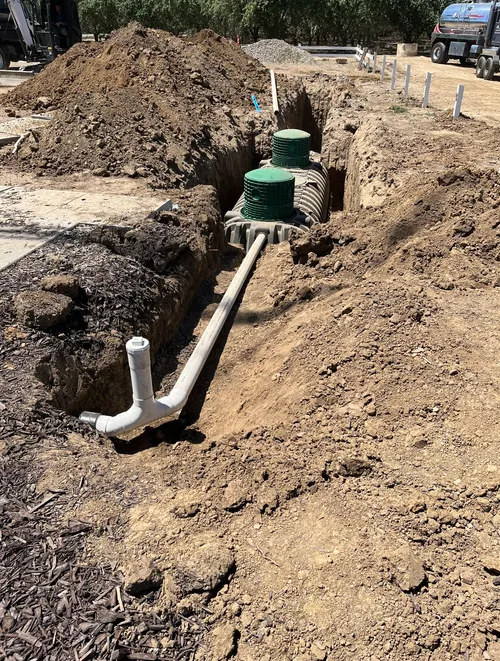
A-1 Septic Services is a full-service septic company based in San Jose, CA, offering comprehensive septic system solutions. They provide septic tank installation, repair, pumping, inspections, and drain field services, along with grading, excavation, and underground utility trenching. The company manages all aspects from design and permitting to final installation, ensuring code compliance and system longevity. With over 30 years of experience serving Stanislaus, San Joaquin, and Merced counties, A-1 Septic Services has extensive local knowledge and expertise. Their capabilities include septic system design, leach field installation, and utility trenching, supported by in-house crews and equipment to maintain control over project quality and scheduling.
Pro Pumping Septic Service
4016 Meadow Brook Ln, Salida, CA 95368
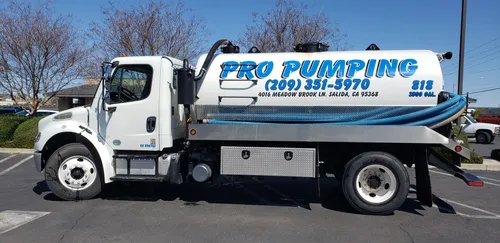
Pro Pumping Septic Service is a septic tank pumping, inspection, and repair company serving San Jose, CA. They offer septic tank pumping, cleaning, maintenance, site inspections, and repairs for both residential and commercial clients. As an owner-operated business, they focus on personalized service and work to ensure safe and environmentally sound septic systems. Pro Pumping serves homeowners, restaurant owners, and commercial accounts in the San Jose area.
AAA Septic Inc.
10583 S Airport Way, Manteca, CA 95336
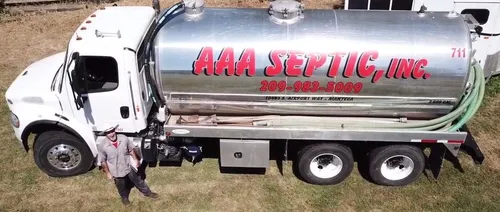
AAA Septic Inc. provides septic tank pumping and inspection services in Stockton, CA. They offer regular septic pumping to help maintain system efficiency and prevent backups, with advice tailored to household size and water use. Their services include locating and cleaning septic tanks, inspecting for damage, and installing septic risers for easier maintenance access. These capabilities help extend the life of septic systems and improve safety during yard activities.
Mountain Valley Pumping
581 Hi Tech Pkwy, Oakdale, CA 95361
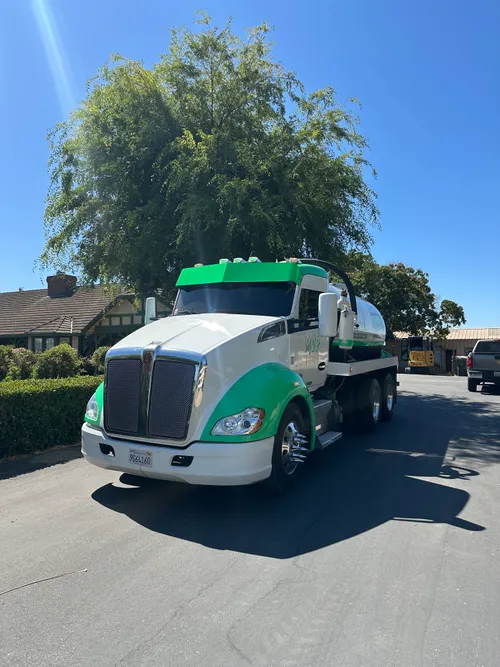
Mountain Valley Pumping is a septic tank pumping, inspection, repair, and installation company serving San Jose, CA. They provide a range of services including septic tank pumping, system inspections, repairs, and maintenance, as well as commercial lift station and grease trap pumping. The company uses up-to-date pumping technology to address various septic system issues. Mountain Valley Pumping offers 24-hour emergency service to assist customers whenever needed.
Applegate Septic & Sewer
1404 Fernview Dr, Modesto, CA 95355
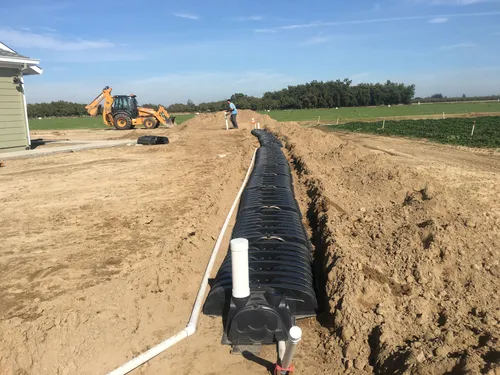
Applegate Septic & Sewer is a septic tank pumping, inspection, repair, and installation company serving San Jose, CA. Since 1995, they have provided septic and sewer services for residential and commercial clients in Modesto and nearby cities. The company is fully licensed and bonded, with a large fleet of service trucks and certified septic inspection capabilities. They offer 24/7 service and specialize in septic system construction and maintenance, ensuring precise and reliable work.
Understanding Your Septic System
A septic system is an on-site wastewater treatment structure, commonly used in areas without centralized sewer lines. It consists of a large underground tank and a drain field (or leach field). The tank separates solids from liquids, allowing effluent to flow out to the field for further filtration into the soil. Over time, solid waste (sludge) and floating scum accumulate in the tank. If these layers become too thick, they can clog the outlet and cause sewage to back up into your home or fail in the drain field. That's why periodic septic tank cleaning is non-negotiable.
How Often Should You Pump Your Septic Tank in Ceres?
The frequency for septic system pumping is not one-size-fits-all. For the average household in Ceres, professionals recommend an inspection every 1-3 years and pumping every 3-5 years 1. However, this schedule depends heavily on several key factors:
- Household Size: A smaller household of 1-2 people may extend the interval to 6-12 years, while a larger family of 4 or more may need service every 1-2 years 2.
- Tank Size: Smaller tanks fill up faster and require more frequent attention.
- Overall Usage: The volume of wastewater generated from laundry, showers, and garbage disposals directly impacts accumulation rates.
- System Components: Systems with electrical pumps, float switches, or other mechanical parts need more frequent inspections, often annually 3.
The most reliable method is to have a professional measure the sludge and scum layers during an inspection. Pumping is typically needed when the scum layer is within 6 inches of the bottom of the outlet baffle or when the sludge layer is within 12 inches of it 4.
Local Regulations and Professional Standards
In Ceres and the surrounding San Joaquin County, septic service is regulated to protect public health and groundwater. All waste from pumping must be transported and disposed of by a business registered under the California Health and Safety Code 5. This means you must hire a licensed contractor. Using an unlicensed provider not only risks improper disposal but may also void local compliance requirements. Always verify a company's license before scheduling work.
What to Expect: Costs for Pumping and Maintenance
Understanding the potential costs helps in budgeting for this essential home maintenance. Prices can vary based on tank size, accessibility, and the company you choose.
- Standard Pumping: In California, the typical cost for septic tank emptying ranges from $300 to $600, though some estimates cite a broader range of $200 to $1,200 depending on specific circumstances 6.
- Routine Inspection: A professional inspection, which should precede pumping, often costs between $100 and $250.
- Repairs and Major Work: Be aware that costs escalate quickly if problems are found. Fixing broken components like baffles or pumps can start at over $1,500, while a complete leach field replacement is a major project that can exceed $10,000 7. This highlights why consistent, preventative maintenance through pumping is a wise investment.
Find the perfect septic tank pumping contractors for your needs
Get personalized recommendations and expert advice
Choosing the Right Service Provider in Ceres
Finding a reliable company for septic tank maintenance involves more than just comparing prices. Start by ensuring the provider is fully licensed and insured to work in Stanislaus County. Ask about their disposal practices to confirm they follow state and county regulations. It's also wise to read recent customer reviews and ask neighbors for recommendations. A reputable professional will be happy to provide a detailed estimate, explain what their service includes, and answer any questions you have about your system's health.
Best Practices for Septic System Health
Pumping is the cornerstone of maintenance, but your daily habits play a significant role in extending the life of your system.
- Keep Detailed Records: Maintain a logbook of all inspections, pumpings, and repairs. This history is valuable for troubleshooting and for future homeowners.
- Conserve Water: Spread out laundry loads and fix leaky faucets to avoid overwhelming the tank with a surge of water.
- Mind What You Flush: Only human waste and toilet paper should go down the drain. Avoid flushing wipes (even "flushable" ones), feminine hygiene products, cooking grease, and chemicals.
- Protect the Drain Field: Never drive or park vehicles over the tank or leach field, as the weight can crush pipes and compact the soil. Also, divert rainwater runoff from roofs and driveways away from this area.
- Be Skeptical of Additives: Avoid using septic tank additives or "miracle" treatments. There is no substitute for regular pumping, and some additives can actually harm the bacterial balance in your tank or contaminate groundwater 8.
Signs Your Septic Tank Needs Immediate Attention
Don't wait for a complete failure. Watch for these warning signs that your tank may be full or your system is failing:
- Slow drains or gurgling pipes throughout the house.
- Sewage backups in toilets, showers, or sinks.
- Unpleasant odors around the tank or drain field.
- Exceptionally lush, green grass or soggy ground over the drain field.
- Standing water or surfacing sewage in your yard.
If you notice any of these issues, contact a professional for an inspection immediately to prevent more extensive damage.
Frequently asked questions
Sources
Footnotes
-
How Often Should My Septic Tank Pumped In California - https://www.lanikseptic.com/how-often-should-my-septic-tank-pumped-in-california/ ↩
-
Septic Systems | Department of Environmental Protection - https://www.pa.gov/agencies/dep/residents/my-water/septic-systems ↩
-
Homeowner's Guide to Septic Systems - El Dorado County - https://www.eldoradocounty.ca.gov/files/assets/county/v/1/documents/government/environmental-management/environmental-management/septic-documents/epa_homeowner_septic_guide.pdf ↩
-
How Often to Pump a Septic Tank 2026 - Clear River Environmental - https://clearriverenvironmental.com/how-often-to-pump-a-septic-tank/ ↩
-
Onsite Wastewater Treatment Systems Standards - https://www.sjgov.org/docs/default-source/environmental-health-documents/liquid-waste/onsite-wastewater-disposal-standards.pdf?sfvrsn=1ae0589b_3 ↩
-
7 Ways to Reduce the Cost for Septic System in California - https://www.lanikseptic.com/reduce-septic-system-costs-california/ ↩
-
Septic Tank Pumping Cost: Guide & Pricing in 2025 - Splash Plumbing - https://www.splashplumbing.com/how-much-does-it-cost-to-pump-septic-tank-understanding-pricing-and-factors-involved/ ↩
-
The Californian's Guide To Septic Tanks - https://cacciaplumbing.com/blog/california-septic-tank-guide/ ↩