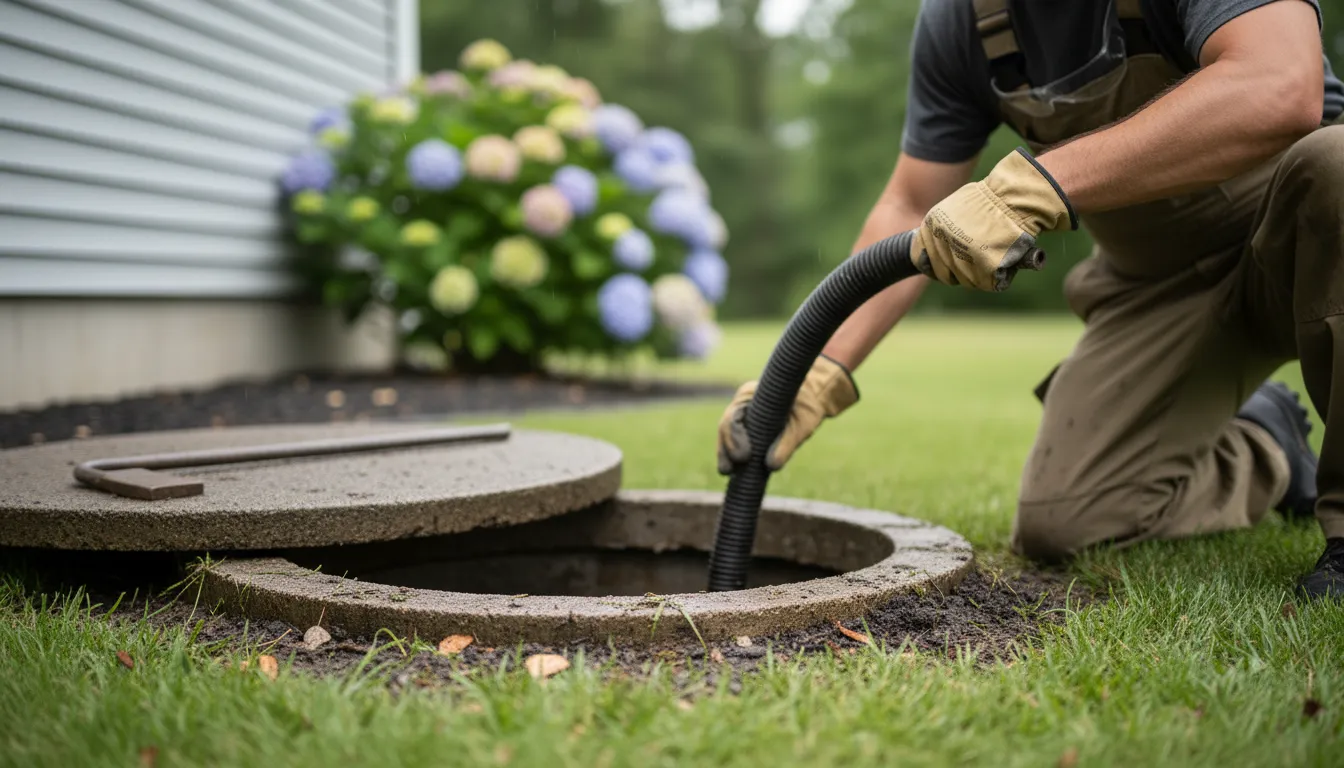
Find the Best Septic Tank Pumping Contractors for Your Business
No obligation • Fast responses • Nationwide coverage

Why you can trust Septic Spot
Septic Spot is a leading United States resource for understanding and comparing septic services. Our editors review providers using consistent criteria and verify key business details. Listings and scores are independent, and companies cannot pay to influence our content.
Search providers near you
Top Septic Tank Pumping Contractors in Chino, California Ranked
Maintaining a healthy septic system is a crucial, yet often overlooked, responsibility for homeowners in Chino. Regular septic tank pumping is the cornerstone of this maintenance, preventing system failures, environmental contamination, and costly repairs. This guide explains the importance of septic service, outlines key maintenance schedules and warning signs, and helps you understand what to expect when you need to find a qualified local professional for your septic tank cleaning or pumping needs.
Cisneros Brothers Plumbing, Heating & AC Repair, Water Damage Restoration & Flood Services
6881 Berkshire Ave, Rancho Cucamonga, CA 91701
Cisneros Brothers Plumbing, Heating & AC Repair, Water Damage Restoration & Flood Services provides septic tank pumping and a range of plumbing and restoration services in Fontana, CA. They serve both residential and commercial clients, offering capabilities such as flood damage restoration and septic pumping. With over two decades of experience in the Rancho Cucamonga area, the company emphasizes customer satisfaction and family-oriented service. They also offer 24/7 availability for emergency plumbing and flood restoration needs.
Cisneros Brothers Plumbing, Heating & AC Repair, Water Damage Restoration & Flood Services
11335 Wybourn Ave, Riverside, CA 92503
Cisneros Brothers Plumbing, Heating & AC Repair, Water Damage Restoration & Flood Services offers a range of plumbing, septic, restoration, and flood services in Riverside, CA. They provide residential and commercial plumbing, septic tank pumping, flood damage restoration, and HVAC services including installation, maintenance, and repair. With over 20 years of experience, the company emphasizes customer satisfaction and treats clients like family. They also offer 24/7 emergency service to address urgent plumbing and flood-related needs.
Mr. Rooter Plumbing of Orange County
430 N State College Blvd, Anaheim, CA 92806
Mr. Rooter Plumbing of Orange County is a septic tank pumping company serving Long Beach, CA, and the surrounding Orange County area. They provide a wide range of plumbing services for both residential and commercial customers, including drain cleaning, sewer line repair, and emergency plumbing. One notable capability is their use of HydroScrub Jetting for effective drain cleaning. The company offers 24/7 emergency plumbing services to address urgent issues at any time.

Thompson Family Plumbing & Drain
Long Beach, CA
Thompson Family Plumbing & Drain is a women-owned plumbing company serving Long Beach, CA, with locations in Hesperia, CA and Lake Havasu City, AZ. They offer a range of plumbing services including septic tank pumping and emergency repairs. The company is fully licensed, insured, and certified, providing 24/7 emergency service to address urgent plumbing needs. Their technicians are trained to deliver efficient and lasting solutions, supported by fully stocked trucks for same-day repairs. Thompson Family Plumbing & Drain has been serving customers for over 10 years, emphasizing transparent pricing and customer peace of mind.
Benjamin's Plumbing & Drain Cleaning
5639 Durango Rd, Riverside, CA 92506
Benjamin's Plumbing & Drain Cleaning is a plumbing and septic service provider based in Riverside, CA. They offer a wide range of services including septic tank pumping and repair, sewer and drain cleaning, hydro jetting, trenchless sewer line repair, and commercial plumbing solutions. Their expertise includes sewer and drain video inspections to accurately diagnose issues and trenchless technology to minimize property disruption during repairs. Serving Riverside and surrounding Inland Empire areas, they provide services for residential, commercial, and industrial clients.
Why Regular Septic Maintenance is Non-Negotiable
Your septic system is a self-contained wastewater treatment plant on your property. When functioning correctly, it safely processes all the water and waste from your home. The tank itself separates solids from liquids; solids settle as sludge at the bottom, while fats and oils float as scum on top. The clarified liquid then flows out to the drain field for final filtration into the soil. Over time, the sludge and scum layers accumulate. If not removed through periodic pumping, they can overflow into the drain field, causing clogs, backups, and complete system failure. A failed system poses serious health risks, can pollute local groundwater, and often requires a very expensive replacement. Proactive maintenance through scheduled septic tank pumping is far more affordable and reliable than emergency repairs.
Recommended Pumping Frequency for Chino Homes
How often you need to schedule septic tank pumping depends on several household-specific factors, including tank size, the number of residents, and overall water usage. For most residential systems in Chino, a general guideline is to pump every 3 to 5 years 1. However, this is just a starting point. A smaller tank or a larger household will fill up faster, potentially necessitating service every 1 to 2 years.
A useful rule of thumb involves your tank's capacity. For instance, a 1,000-gallon tank serving a family of four typically requires pumping approximately every 2.5 years. A 1,500-gallon tank under similar use may extend that interval to about 4 years 2. The only way to know for sure is through regular inspections, which can measure the actual sludge and scum levels in your tank.
The Critical Role of Professional Inspections
While pumping is essential, it should be informed by a professional inspection. Experts recommend having your septic system inspected every 1 to 3 years by a licensed professional. During an inspection, the technician will locate and access your tank, measure the thickness of the sludge and scum layers, and check for any signs of damage, leaks, or baffle problems 3.
A key threshold for action is when the sludge layer accumulates to within 12 inches of the outlet tee or the scum layer is within 6 inches of the bottom of the outlet device. At this point, pumping is necessary to prevent solids from escaping into the drain field 4. Regular inspections provide peace of mind and allow you to plan maintenance on your schedule, rather than reacting to a crisis.
Recognizing Warning Signs of a Full Tank
Don't wait for an inspection if you notice these red flags. Being aware of early warning signs can help you call for service before a minor issue becomes a major disaster:
- Slow Drains and Gurgling Pipes: If sinks, showers, and toilets throughout the house are draining slowly or you hear gurgling sounds from drains, it could indicate a full tank restricting flow.
- Sewage Backups: The most alarming sign is wastewater backing up into household drains or toilets.
- Unpleasant Odors: Foul smells emanating from drains indoors or from the yard near the tank or drain field are a strong indicator of problems.
- Standing Water or Lush Grass: Soggy ground, pooling water, or unusually green and lush grass over the drain field area suggests that untreated effluent is surfacing because the drain field is clogged or the tank is overflowing 5.
If you observe any of these signs, it's time to contact a septic service professional immediately.
Find the perfect septic tank pumping contractors for your needs
Get personalized recommendations and expert advice
Understanding Costs for Septic Services in Chino
Budgeting for septic maintenance is part of responsible homeownership. In the Chino area, costs can vary based on tank size, accessibility, and the extent of service required.
- Standard Pumping Service: The typical cost for a routine septic tank pumping in Chino ranges from $300 to $600. This usually includes pumping out the tank, a basic visual inspection of the tank's condition, and proper disposal of the waste at a licensed facility.
- Comprehensive Inspection: A more thorough inspection, which may involve opening distribution boxes and assessing the drain field, typically costs between $200 and $500.
- Repairs and Replaceations: Costs here can escalate significantly. Repairing a damaged baffle or inlet/outlet pipe may cost a few hundred to a couple thousand dollars. Major drain field repairs or a full system replacement can easily exceed $5,000 6, underscoring the value of preventative pumping and inspection.
Local Regulations and Best Practices
While state guidelines provide a framework, local county regulations are paramount. Chino homeowners should contact the San Bernardino County Department of Public Health for official, localized rules regarding septic system permits, inspections, and maintenance requirements 7. Adhering to county codes is not only a legal obligation but also ensures your system protects public health and the local environment.
Beyond pumping, you can extend your system's life with good habits. Conserve water by fixing leaks and using high-efficiency fixtures, avoid flushing anything besides human waste and toilet paper, and never pour grease, chemicals, or medications down the drain. Also, keep heavy vehicles and structures off your drain field to prevent soil compaction and pipe damage.
Choosing a qualified provider is essential. Look for licensed, insured professionals with good local reputations. They should be willing to explain their process, provide a clear estimate, and document the services performed, including how much waste was removed and where it was taken for disposal.
Frequently asked questions
Sources
Footnotes
-
Septic Systems | Department of Environmental Protection - https://www.pa.gov/agencies/dep/residents/my-water/septic-systems ↩
-
How Often Should You Pump Your Septic Tank: 3 Factors Solved - https://www.frasiers.com/blog/sewage-tank-pump-frequency/ ↩
-
Septic Tank Certification: What California Homeowners Need to Know - https://www.kgriverside.com/trending/septic-tank-certification-what-california-homeowners-need-to-know ↩
-
Homeowner's Guide to Septic Systems - Tuolumne County - https://www.tuolumnecounty.ca.gov/DocumentCenter/View/21759/Onsite-System-Care-and-Maintenance ↩
-
Septic Tank Pumping Frequency: Crucial Maintenance Guide - https://septic911.com/septic-tank-pumping-frequency/ ↩
-
Cost of Septic in Chino Hills, CA - https://chinohillsseptic.com/cost-of-septic-in-chino-hills-ca ↩
-
California Septic Tank Requirements | Onsite Wastewater ... - https://www.ntotank.com/blog/california-septic-tank-requirements ↩