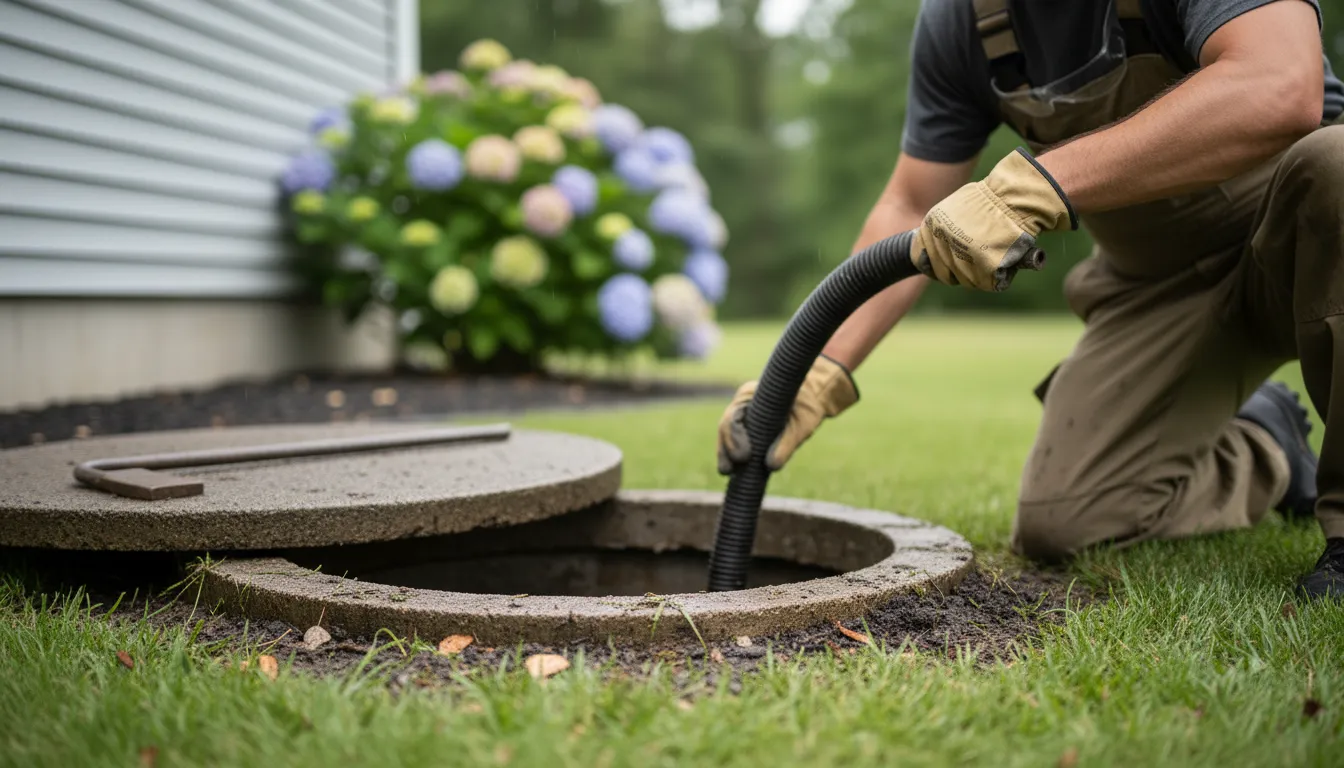
Find the Best Septic Tank Pumping Contractors for Your Business
No obligation • Fast responses • Nationwide coverage

Why you can trust Septic Spot
Septic Spot is a leading United States resource for understanding and comparing septic services. Our editors review providers using consistent criteria and verify key business details. Listings and scores are independent, and companies cannot pay to influence our content.
Search providers near you
Top Septic Tank Pumping Contractors in Chino Hills, California Ranked
Maintaining a healthy septic system is a crucial responsibility for homeowners in Chino Hills. Septic tank pumping, also known as septic cleaning or tank evacuation, is the essential process of removing accumulated solids from your tank to prevent system failure and environmental contamination. This guide explains why this service matters for your property's value and public health, and how you can find qualified local professionals to perform this vital maintenance.
Cisneros Brothers Plumbing, Heating & AC Repair, Water Damage Restoration & Flood Services
6881 Berkshire Ave, Rancho Cucamonga, CA 91701
Cisneros Brothers Plumbing, Heating & AC Repair, Water Damage Restoration & Flood Services provides septic tank pumping and a range of plumbing and restoration services in Fontana, CA. They serve both residential and commercial clients, offering capabilities such as flood damage restoration and septic pumping. With over two decades of experience in the Rancho Cucamonga area, the company emphasizes customer satisfaction and family-oriented service. They also offer 24/7 availability for emergency plumbing and flood restoration needs.
Cisneros Brothers Plumbing, Heating & AC Repair, Water Damage Restoration & Flood Services
11335 Wybourn Ave, Riverside, CA 92503
Cisneros Brothers Plumbing, Heating & AC Repair, Water Damage Restoration & Flood Services offers a range of plumbing, septic, restoration, and flood services in Riverside, CA. They provide residential and commercial plumbing, septic tank pumping, flood damage restoration, and HVAC services including installation, maintenance, and repair. With over 20 years of experience, the company emphasizes customer satisfaction and treats clients like family. They also offer 24/7 emergency service to address urgent plumbing and flood-related needs.
Mr. Rooter Plumbing of Orange County
430 N State College Blvd, Anaheim, CA 92806
Mr. Rooter Plumbing of Orange County is a septic tank pumping company serving Long Beach, CA, and the surrounding Orange County area. They provide a wide range of plumbing services for both residential and commercial customers, including drain cleaning, sewer line repair, and emergency plumbing. One notable capability is their use of HydroScrub Jetting for effective drain cleaning. The company offers 24/7 emergency plumbing services to address urgent issues at any time.

Thompson Family Plumbing & Drain
Long Beach, CA
Thompson Family Plumbing & Drain is a women-owned plumbing company serving Long Beach, CA, with locations in Hesperia, CA and Lake Havasu City, AZ. They offer a range of plumbing services including septic tank pumping and emergency repairs. The company is fully licensed, insured, and certified, providing 24/7 emergency service to address urgent plumbing needs. Their technicians are trained to deliver efficient and lasting solutions, supported by fully stocked trucks for same-day repairs. Thompson Family Plumbing & Drain has been serving customers for over 10 years, emphasizing transparent pricing and customer peace of mind.
Benjamin's Plumbing & Drain Cleaning
5639 Durango Rd, Riverside, CA 92506
Benjamin's Plumbing & Drain Cleaning is a plumbing and septic service provider based in Riverside, CA. They offer a wide range of services including septic tank pumping and repair, sewer and drain cleaning, hydro jetting, trenchless sewer line repair, and commercial plumbing solutions. Their expertise includes sewer and drain video inspections to accurately diagnose issues and trenchless technology to minimize property disruption during repairs. Serving Riverside and surrounding Inland Empire areas, they provide services for residential, commercial, and industrial clients.
Why Septic System Maintenance is Non-Negotiable
A septic system is an on-site wastewater treatment plant for your home. When functioning correctly, it safely processes everything from shower water to toilet waste. The tank itself separates solids from liquids; solids settle as sludge and scum, while the treated liquid effluent flows out to the drain field. Over time, these solids accumulate. If the sludge and scum layers become too thick, they can flow into and clog the drain field, leading to costly repairs, property damage, and health hazards. Regular septic pumping removes these solids, protecting your investment and your community's groundwater 1 2.
How Often Should You Schedule Septic Pumping?
The most common question homeowners have is about frequency. While a general rule of thumb is every 3-5 years, the ideal schedule for your Chino Hills home depends on several key factors 3.
- Household Size and Water Usage: More people generally means more wastewater and faster solids accumulation.
- Tank Capacity: Larger tanks hold more volume and may not need service as often.
- Volume of Solids: Garbage disposals significantly increase the solid waste entering your system.
Here's a more detailed guideline based on tank size and household occupancy 4:
- Small Household (1-2 people) / 750-gallon tank: Pump every 5-7 years.
- Average Household (3-4 people) / 1,000-gallon tank: Pump every 3-5 years.
- Large Household (5+ people) / 1,500+ gallon tank: Pump every 2-3 years, or more frequently.
The only way to know for sure is to have the sludge and scum levels inspected by a professional. Many experts recommend an inspection every 1-2 years, even if pumping isn't immediately needed.
Warning Signs Your Tank Needs Immediate Attention
Don't wait for a disaster. Be proactive and watch for these red flags that indicate your system may be overdue for service or failing 5:
- Pooling water or soggy soil over the drain field, especially with a foul odor.
- Sewage backups in home drains, toilets, or showers.
- Slow-draining fixtures throughout the house.
- Unusually green, lush grass over the drain field area compared to the rest of the yard.
- Persistent gurgling sounds coming from your plumbing.
If you notice any of these signs, contact a septic service provider promptly to assess the situation.
Special Requirements for Chino Hills Homeowners
Chino Hills has specific regulations, particularly for homeowners connecting to the city sewer system. The city mandates a formal abandonment procedure for your old septic tank to ensure safety and environmental protection.
If you are connecting to the sewer, you must comply with these City of Chino Hills requirements 6:
- Professional Inspection & Pumping: The tank must be pumped completely dry by a licensed septic pumper, who must provide a paid invoice as documentation.
- City Inspection: The empty tank typically requires a backfill inspection by the city.
- Tank Decommissioning: The concrete lid (top) of the tank must be broken into pieces (generally not exceeding 12 inches in size) and left inside the tank before it is safely filled in.
Find the perfect septic tank pumping contractors for your needs
Get personalized recommendations and expert advice
Understanding the Cost of Septic Tank Pumping
In the Chino Hills area, the cost for standard septic tank cleaning typically ranges from $300 to $600 7 8. This price can vary based on several factors:
- Tank Size and Accessibility: Pumping a 1,500-gallon tank costs more than a 1,000-gallon tank. Difficult access or the need to install a riser for future ease will add to the cost 9.
- Condition of the Tank: If the tank has never been pumped or is severely overdue, the extra labor and potential need for specialized equipment to handle hardened sludge can increase the price.
- Additional Services: The base pumping fee may not include an inspection, locating the tank lids, or cleaning the effluent filter. Always clarify what is included in a quoted price.
While price is a consideration, the expertise, proper licensing, and insurance of the service provider are paramount for a job done correctly and safely.
Best Practices for a Healthy Septic System
Pumping is the cornerstone of maintenance, but daily habits extend your system's life.
- Conserve Water: Fix leaks and spread out laundry loads to avoid hydraulically overloading the system.
- Mind What You Flush: Only human waste and toilet paper should go down the toilet. Avoid flushing wipes (even "flushable" ones), feminine hygiene products, dental floss, and cooking grease.
- Use Garbage Disposals Sparingly: They drastically increase solids. Consider composting food scraps instead.
- Protect Your Drain Field: Never park vehicles or build structures over it. Plant only grass over the area; tree roots can cause severe damage.
- Avoid Chemical "Solutions": Do not use additives that claim to eliminate the need for pumping. They can actually harm the bacterial balance in your tank and are not a substitute for physical removal of solids 10 11.
Keeping Essential Records
Maintain a file for your septic system. Include a diagram of the tank and drain field location, a record of the tank's size and installation date, and detailed invoices from every inspection and pumping service. This history is invaluable for troubleshooting, is often required for property sales, and helps you stay on a proactive maintenance schedule.
Frequently asked questions
Sources
Footnotes
-
Septic Tank Cleaning & Pumping Company Riverside - https://frankspumping.com/ ↩
-
Septic Systems | Department of Environmental Protection - https://www.pa.gov/agencies/dep/residents/my-water/septic-systems ↩
-
How Often Should My Septic Tank Pumped In California - https://www.lanikseptic.com/how-often-should-my-septic-tank-pumped-in-california/ ↩
-
Septic Tank Pumping Frequency: Crucial Maintenance Guide - https://septic911.com/septic-tank-pumping-frequency/ ↩
-
Discover the Recommended Septic Tank Pumping Frequency: 5 Facts! - https://www.unitedsewerservice.com/recommended-septic-tank-pumping-frequency/ ↩
-
sewer connection requirements - Chino Hills - https://www.chinohills.org/DocumentView.aspx?DID=1767 ↩
-
Understanding the Average Cost to Pump a Septic Tank - https://www.scorpionsepticservices.com/blog/understanding-the-average-cost-to-pump-a-septic-tank ↩
-
What Is the Cost to Pump a Septic Tank? - Plumbing - https://www.thisoldhouse.com/plumbing/cost-to-pump-septic-tank ↩
-
How Often to Pump a Septic Tank - Clear River Environmental - https://clearriverenvironmental.com/how-often-to-pump-a-septic-tank/ ↩
-
Septic Tank Pumping Frequency Guidelines - https://www.beckertwpsherburnecomn.gov/sites/g/files/vyhlif16406/files/media/services/file/426/septic_tank_pumping_frequency_guidelines.pdf ↩
-
The Californian's Guide To Septic Tanks - https://cacciaplumbing.com/blog/california-septic-tank-guide/ ↩