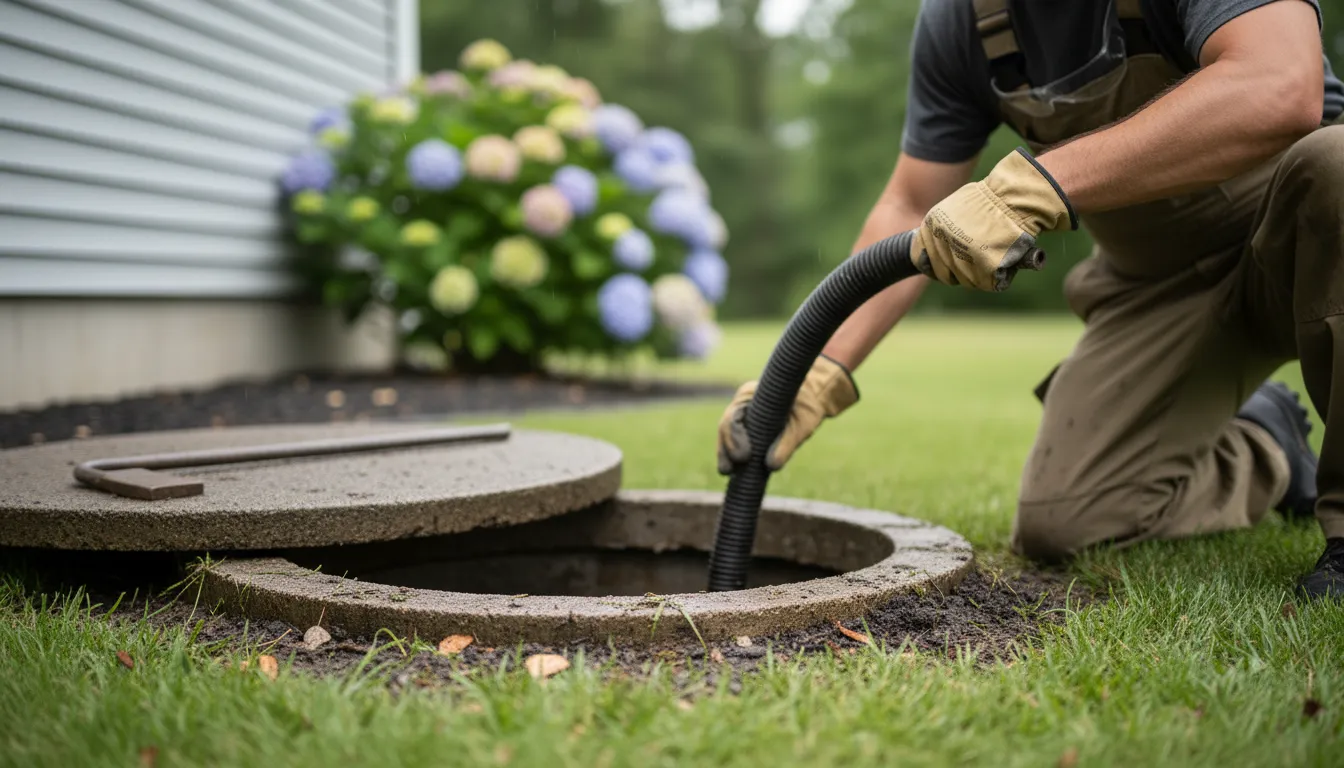
Find the Best Septic Tank Pumping Contractors for Your Business
No obligation • Fast responses • Nationwide coverage

Why you can trust Septic Spot
Septic Spot is a leading United States resource for understanding and comparing septic services. Our editors review providers using consistent criteria and verify key business details. Listings and scores are independent, and companies cannot pay to influence our content.
Search providers near you
Top Septic Tank Pumping Contractors in Cupertino, California Ranked
Maintaining your septic system is a critical responsibility for any homeowner not connected to a municipal sewer line. Septic tank pumping is the essential process of removing accumulated sludge and scum from your tank to prevent system failure and environmental contamination. In Cupertino and throughout Santa Clara County, proper maintenance is not just a recommendation-it's a regulated necessity to protect local groundwater and property value. This guide will help you understand the local requirements, typical costs, and best practices for finding qualified septic service professionals to handle your pumping and inspection needs.

Roto-Rooter Plumbing & Water Cleanup
2078 Walsh Ave c1, Santa Clara, CA 95050
Roto-Rooter Plumbing & Water Cleanup offers a wide range of plumbing services in San Jose, CA, including septic tank pumping, drain cleaning, sewer line repair, and water heater maintenance. They serve both residential and commercial customers, addressing issues from clogged drains to sewer line inspections using video camera technology and trenchless repair methods. The company is available 24/7 for emergency plumbing services, ensuring assistance whenever urgent problems arise.
Wade's Plumbing & Septic
San Jose, CA
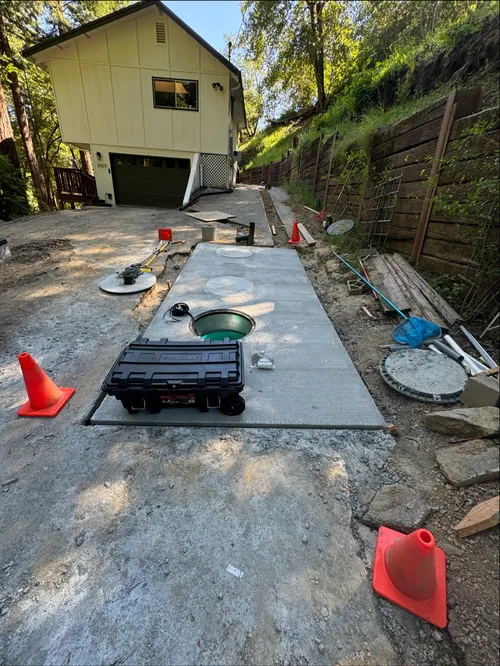
Wade's Plumbing & Septic is a family-owned company serving San Jose, CA, and licensed in California and Georgia. They specialize in septic tank pumping, inspection, repair, and installation, with a focus on enhanced treatment systems designed for challenging sites such as steep slopes, limited space, and environmentally sensitive areas. Their services include plumbing repairs and preventative maintenance, delivered by licensed professionals since 2021. Wade's offers upfront flat-rate pricing and emphasizes honest recommendations without upselling. They operate during regular business hours on weekdays.
Trinity Liquid Waste Services
San Jose, CA
Trinity Liquid Waste Services provides septic tank pumping, inspection, repair, and maintenance services for residential and commercial clients in San Jose, CA. The family-owned company offers a wide range of septic system solutions including grease trap pumping, sewage ejector tank maintenance, and water jetting to keep systems functioning properly. They also handle storm drain cleaning and provide 24/7 same-day service for urgent septic issues. Their team is experienced in addressing common septic problems caused by household appliance overuse and sediment buildup, helping customers maintain optimal system performance.
PICHANGA PUMPING SERVICE LLC
901 N Rengstorff Ave, Mountain View, CA 94043
PICHANGA PUMPING SERVICE LLC is a family-owned business with over 10 years of experience, serving San Jose, CA. They provide septic tank pumping, inspection, repair, and installation services. The company uses specialized equipment for camera inspections and locating issues within pipes and sewer lines. They also offer restroom rentals. Pichanga Pumping Service provides after-hours and emergency services for added convenience.
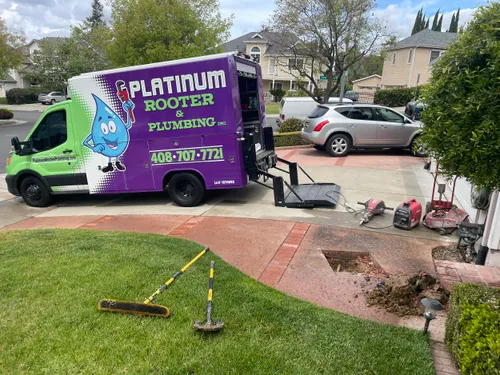
Platinum Rooter Plumbing and Septic Inc.
San Jose, CA
Platinum Rooter Plumbing and Septic Inc. is a septic tank pumping company based in San Jose, CA. They provide installation, cleaning, and maintenance services for septic tanks, grease traps, and water heaters. Serving areas from Gilroy to Livermore, they handle a range of plumbing issues from minor leaks to full pipeline replacements. The company offers hydro jetting services and is available 24/7 for emergency plumbing needs. With over 15 years in business, Platinum Rooter Plumbing and Septic Inc. emphasizes quick response times and honest pricing.
Understanding Your Septic System in Cupertino
A septic system is an on-site wastewater treatment structure, commonly used in areas without centralized sewer services. It consists of a septic tank and a soil absorption field, often called a leach field. The tank, typically made of concrete, fiberglass, or polyethylene, holds wastewater from your home, allowing solids to settle as sludge while oils and grease float to the top as scum. The liquid effluent then flows out into the drainfield for further natural treatment in the soil.
In Cupertino, these systems are formally known as Onsite Wastewater Treatment Systems (OWTS) and are regulated by the Santa Clara County Department of Environmental Health. The local climate and soil conditions make regular maintenance paramount. Neglecting your system can lead to backups into your home, foul odors, and costly repairs to the drainfield, which is the most expensive component to replace.
Why Regular Septic Pumping is Non-Negotiable
Scheduling routine septic tank cleaning is the most effective way to protect your investment and avoid emergencies. When a tank isn't pumped, solids build up and can eventually be carried into the drainfield. These solids clog the soil pores, causing the entire system to fail. A failed drainfield often requires complete replacement, which can cost tens of thousands of dollars and involve significant landscape disruption.
Beyond protecting your property, regular maintenance is an environmental imperative. A malfunctioning system can contaminate groundwater, streams, and San Francisco Bay with untreated sewage, posing public health risks. The Santa Clara County Department of Environmental Health enforces OWTS regulations specifically to prevent such pollution. Proactive pumping keeps your system functioning correctly, treating wastewater effectively before it returns to the environment.
How Often Should You Pump Your Septic Tank?
The frequency for septic tank servicing is not one-size-fits-all. General guidelines suggest an average household should schedule a pump-out every 3 to 5 years 1. However, several factors specific to your home can significantly alter this timeline.
- Household Size and Water Usage: More people in a home means more wastewater and solids entering the tank. High water usage from frequent laundry, long showers, or leaky fixtures fills the tank faster, requiring more frequent pumping.
- Tank Size: Older homes may have smaller tanks that fill with solids more quickly. Knowing your tank's capacity is crucial for determining a proper maintenance schedule.
- Use of a Garbage Disposal: Disposals grind food waste into fine particles that quickly increase sludge accumulation. If you use a disposal regularly, you should plan for more frequent pumping, potentially every 1-2 years 2 3.
- Solids Level: The most accurate method is to have your tank inspected annually. Pumping is strongly advised when the combined sludge and scum layer exceeds 25% of the tank's liquid depth 4 5.
For a typical Cupertino home, a 3-5 year cycle is a good starting point, but an inspection will provide a definitive recommendation tailored to your situation.
The Inspection: Your First Step Before Pumping
Before you schedule a pump-out, a professional inspection is highly recommended. A thorough septic system inspection involves locating and opening the tank's access ports to measure the levels of sludge and scum. The inspector will also check the tank's structural integrity, inlet and outlet baffles, and look for signs of backflow into the home or surfacing effluent in the yard.
In Santa Clara County, it is advised to have systems inspected every 1 to 3 years 6. This inspection is the only way to know for certain if your tank needs pumping. It can also identify minor issues-like a broken baffle or a small leak-before they escalate into major, expensive failures. Think of the inspection fee as a small investment that can save you thousands in repair costs.
Find the perfect septic tank pumping contractors for your needs
Get personalized recommendations and expert advice
What to Expect: The Septic Pumping Process
When a professional crew arrives to service your tank, they will typically follow a standard procedure. They will locate and uncover the tank's manhole access port(s). Using a large vacuum truck, they will evacuate all the contents of the tank-sludge, scum, and liquid-for proper disposal at a licensed treatment facility.
A thorough service includes more than just removal. After pumping, the technician should inspect the empty tank for cracks, leaks, and the condition of the baffles. They may also rinse the tank walls with clean water to help break up residual solids, though they will avoid over-filling the tank. Finally, they will securely replace the access cover. A reputable provider will give you a report detailing what was done, the condition of your system, and any recommendations for repair or the next service date.
Understanding Costs for Septic Service in California
The cost for septic tank pumping in Cupertino and the broader Bay Area can vary. On average, homeowners in California can expect to pay between $350 and $1,000 for a standard residential pump-out 7 8. A common price point is around $423, though this is highly dependent on specific factors 8.
Several variables influence the final price:
- Tank Size and Volume: Larger tanks (e.g., 1,500 gallons) cost more to pump than standard 1,000-gallon tanks.
- Tank Accessibility: If the tank is buried deep, hard to locate, or blocked by landscaping, decks, or patios, additional labor charges will apply.
- Condition of the Tank: If the access lids are rusted shut or the tank requires extra time to break up hardened sludge, the job will be more labor-intensive.
- Additional Services: Costs will increase if you bundle pumping with a full inspection, filter cleaning, or minor repairs.
Always get a detailed, written estimate before work begins. The lowest price isn't always the best value; choose a licensed, insured, and well-reviewed professional for this important job.
Choosing a Local Septic Service Provider
Selecting the right company for your septic maintenance is crucial. Look for providers who are licensed by the state of California and specifically familiar with Santa Clara County's OWTS regulations. They should carry ample insurance, including liability and workers' compensation, to protect you and your property.
Ask about their experience, request local references, and read online reviews. A trustworthy professional will be willing to explain the process, answer your questions, and provide a clear, itemized invoice. They should also be able to help you locate your tank and drainfield if you don't know where they are, which is a valuable service for planning landscaping or future home projects.
Maintaining Your System Between Pumpings
Proper care between professional service visits extends the life of your entire system. Key maintenance tips include:
- Conserve Water: Spread out laundry loads, fix leaky toilets and faucets, and install high-efficiency fixtures to reduce the flow into your tank.
- Mind What You Flush: Only human waste and toilet paper should go down the drain. Never flush wipes (even "flushable" ones), feminine hygiene products, dental floss, diapers, or cat litter.
- Be Careful with Chemicals: Avoid pouring cooking oils, grease, paint, pesticides, or excessive household chemicals down the drain, as they can kill the beneficial bacteria in your tank and contaminate groundwater.
- Protect Your Drainfield: Never park vehicles or build structures over the drainfield. Keep roof drains, sump pumps, and other surface water away from the area to prevent saturation.
Keeping a simple log of all inspections, pumpings, and repairs is also a smart practice. This record is valuable for troubleshooting, for future service providers, and if you ever decide to sell your home.
Frequently asked questions
Sources
Footnotes
-
Septic Tanks - Preventative Routine Maintenance - S.C. DHEC ↩
-
Septic Systems | Department of Environmental Protection, PA ↩
-
Maintenance of an OWTS - Santa Cruz County Environmental Health ↩
-
Common Septic Tank Repairs In California (& What They Cost) ↩
-
Septic Tank Pumping Cost: Guide & Pricing in 2025 - Splash Plumbing ↩ ↩2