Find the Best Septic Tank Pumping Contractors for Your Business
No obligation • Fast responses • Nationwide coverage

Why you can trust Septic Spot
Septic Spot is a leading United States resource for understanding and comparing septic services. Our editors review providers using consistent criteria and verify key business details. Listings and scores are independent, and companies cannot pay to influence our content.
Search providers near you
Top Septic Tank Pumping Contractors in Diamond Bar, California Ranked
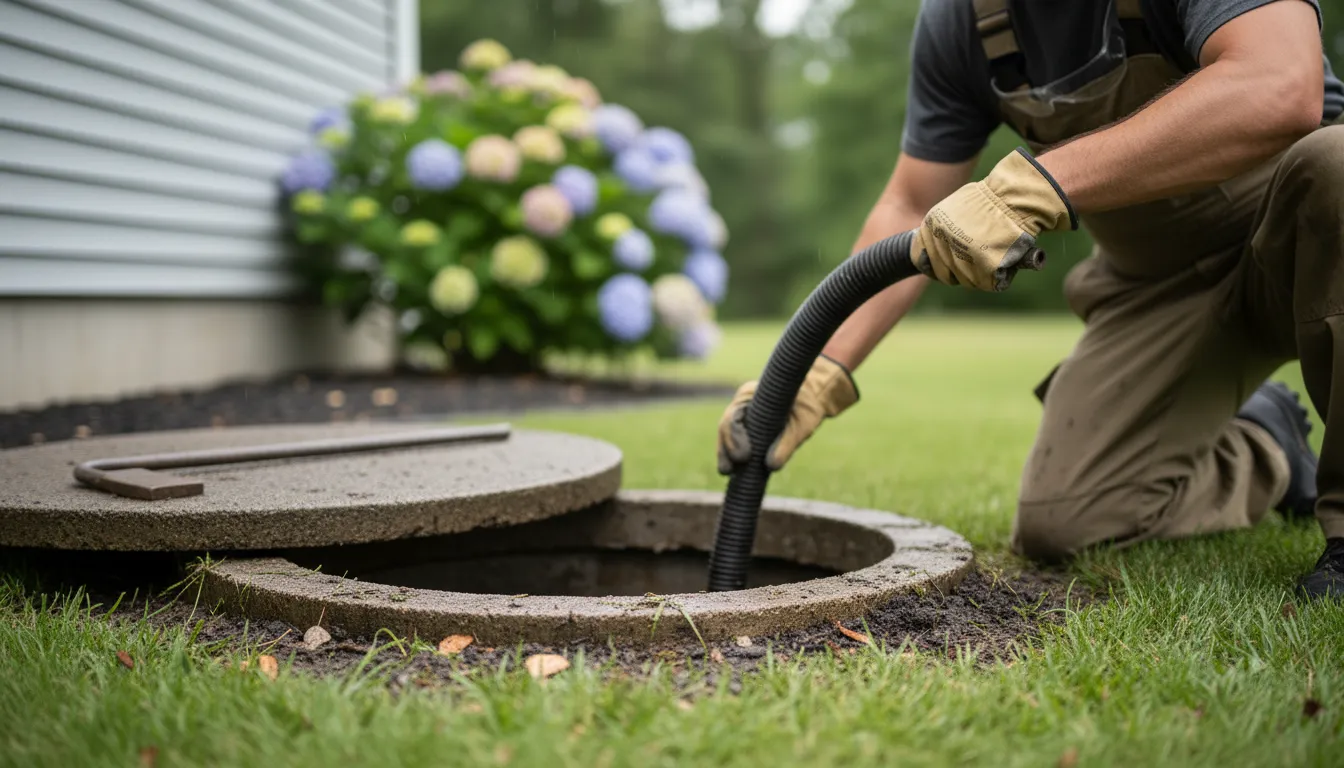
Maintaining your septic system is a crucial responsibility for any Diamond Bar homeowner. Regular septic tank pumping and inspection are essential to prevent costly failures, protect public health, and ensure your property remains compliant with local regulations. This guide explains the local requirements, best practices, and what to expect when you need to service your onsite wastewater treatment system, helping you connect with qualified professionals in the area.
Cisneros Brothers Plumbing, Heating & AC Repair, Water Damage Restoration & Flood Services
6881 Berkshire Ave, Rancho Cucamonga, CA 91701
Cisneros Brothers Plumbing, Heating & AC Repair, Water Damage Restoration & Flood Services provides septic tank pumping and a range of plumbing and restoration services in Fontana, CA. They serve both residential and commercial clients, offering capabilities such as flood damage restoration and septic pumping. With over two decades of experience in the Rancho Cucamonga area, the company emphasizes customer satisfaction and family-oriented service. They also offer 24/7 availability for emergency plumbing and flood restoration needs.
Cisneros Brothers Plumbing, Heating & AC Repair, Water Damage Restoration & Flood Services
11335 Wybourn Ave, Riverside, CA 92503
Cisneros Brothers Plumbing, Heating & AC Repair, Water Damage Restoration & Flood Services offers a range of plumbing, septic, restoration, and flood services in Riverside, CA. They provide residential and commercial plumbing, septic tank pumping, flood damage restoration, and HVAC services including installation, maintenance, and repair. With over 20 years of experience, the company emphasizes customer satisfaction and treats clients like family. They also offer 24/7 emergency service to address urgent plumbing and flood-related needs.
Mr. Rooter Plumbing of Orange County
430 N State College Blvd, Anaheim, CA 92806
Mr. Rooter Plumbing of Orange County is a septic tank pumping company serving Long Beach, CA, and the surrounding Orange County area. They provide a wide range of plumbing services for both residential and commercial customers, including drain cleaning, sewer line repair, and emergency plumbing. One notable capability is their use of HydroScrub Jetting for effective drain cleaning. The company offers 24/7 emergency plumbing services to address urgent issues at any time.
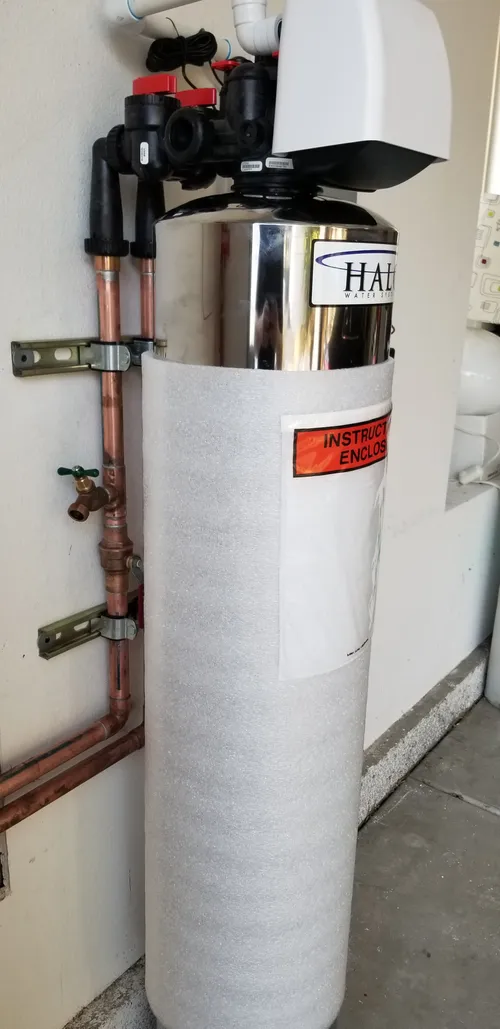
Benjamin's Plumbing & Drain Cleaning
5639 Durango Rd, Riverside, CA 92506
Benjamin's Plumbing & Drain Cleaning is a plumbing and septic service provider based in Riverside, CA. They offer a wide range of services including septic tank pumping and repair, sewer and drain cleaning, hydro jetting, trenchless sewer line repair, and commercial plumbing solutions. Their expertise includes sewer and drain video inspections to accurately diagnose issues and trenchless technology to minimize property disruption during repairs. Serving Riverside and surrounding Inland Empire areas, they provide services for residential, commercial, and industrial clients.
Mr. Rooter Plumbing of San Bernardino
410 W Valley Blvd, Colton, CA 92324
Mr. Rooter Plumbing of San Bernardino offers a wide range of plumbing services including septic tank pumping, repair, and installation in Riverside, CA. The company serves San Bernardino and surrounding areas with expertise in plumbing repairs, drain cleaning, sewer line services, and septic system solutions. They use advanced tools such as trenchless technology and video camera inspections to address plumbing issues efficiently. Mr. Rooter Plumbing provides 24/7 emergency plumbing services backed by the Neighborly Done Right Promise®, ensuring quality workmanship and customer satisfaction.
Understanding Local Septic System Regulations
In Diamond Bar, septic systems fall under the jurisdiction of the Los Angeles County Department of Public Health (LACDPH). The county operates under a Local Agency Management Program (LAMP) to oversee these systems. This means specific rules govern how often your tank must be inspected and pumped. Adhering to these guidelines isn't just a recommendation-it's a requirement to avoid system malfunctions that can lead to environmental contamination and expensive emergency repairs.
The cornerstone of LACDPH regulation is a mandatory inspection cycle. Systems must be inspected at least every three years by a qualified professional 1. This inspection is vital for measuring sludge and scum levels, which directly determines the pumping schedule. Following an inspection, pumping is typically required every three to five years to maintain system health and prevent solids from overflowing into the drain field.
How Often Should You Pump Your Septic Tank in Diamond Bar?
While the county's baseline is every 3-5 years, the ideal pumping frequency for your home depends on several factors. A professional inspection is the only way to know for sure, but these general rules apply:
- Standard Guideline: For an average household, pumping every 3 to 5 years is standard 2.
- High-Usage Households: If your home has four or more residents, uses a garbage disposal frequently, or has a tank smaller than 1,000 gallons, a more frequent schedule of every 2 to 3 years is often recommended.
- The 25-30% Rule: A key technical indicator is the combined depth of the scum and sludge layers. Pumping is necessary when these layers exceed 25% to 30% of the tank's total liquid volume 3.
- Alternative Systems: Homes with advanced systems featuring pumps, electrical switches, or aerobic treatment units require more vigilant care, including annual inspections to ensure mechanical components are functioning correctly.
Relying on a "set it and forget it" calendar schedule is risky. Conditions like household size, water usage, and tank size vary widely. A professional evaluation provides the precise data needed to create a maintenance plan tailored to your specific system.
The Importance of Professional Septic Inspections
A thorough inspection is more than just checking if the tank is full. It's a comprehensive assessment of your entire onsite wastewater system's health. In Diamond Bar, certain situations trigger a mandatory inspection by a licensed contractor (holding a Class-A, C-36, or C-42 license).
When is an inspection required?
- Routine Maintenance: As noted, every 1 to 3 years is recommended to proactively monitor sludge levels.
- Older Systems: Any system older than 15 years, or one that has no previous approval on file with the county, requires evaluation.
- Property Transactions: A C-42 certification inspection is commonly required during real estate sales to ensure the system is functioning properly and meets current standards.
- Building Permits: Before the county will permit major remodels, like adding a bedroom or an Accessory Dwelling Unit (ADU), you must often have the system inspected and certified.
- Post-Fire Rebuilds: Properties being rebuilt after a fire need a system inspection as part of the permitting process.
What does an inspector check? A qualified professional will:
- Locate and excavate the tank access lids.
- Measure the thickness of the scum and sludge layers.
- Check the tank for watertightness and structural integrity.
- Inspect inlet and outlet baffles for damage or blockage.
- Examine the drain field for signs of failure, such as soggy soil, foul odors, or surfacing sewage 4 5.
Find the perfect septic tank pumping contractors for your needs
Get personalized recommendations and expert advice
Best Practices for Septic System Care
Proper daily use extends the life of your system and reduces the frequency of needed pump-outs. Think of your septic system as a living ecosystem that relies on bacteria to break down waste.
- Conserve Water: Spread out water-intensive activities. Avoid doing all laundry in one day, fix leaky faucets promptly, and consider installing high-efficiency fixtures. A sudden surge of water can overwhelm the drain field 6.
- Mind What You Flush: Only human waste and toilet paper should go down the drain. Never flush wipes (even "flushable" ones), feminine hygiene products, dental floss, or cooking grease.
- Avoid the Garbage Disposal: Using a garbage disposal can increase the solid waste load in your tank by up to 50%, drastically accelerating sludge buildup and the need for pumping 7 8. Compost food scraps instead.
- Protect the Drain Field: Never drive, park, or build heavy structures on your drain field. The pressure can compact the soil and crush pipes. Also, plant trees and large shrubs away from the field, as roots can infiltrate and clog the lines.
Understanding Costs for Pumping and Maintenance
The cost for routine septic tank pumping in the Diamond Bar area typically ranges from $300 to $500 9 10. This is a baseline for a standard service call. Several factors can influence the final price:
- Tank Accessibility: If the tank lids are buried deep, overgrown, or not easily located, additional labor for excavation will increase the cost.
- Tank Size and Condition: Larger tanks cost more to pump. Tanks that have never been pumped or are severely neglected may require more time and effort.
- Additional Services: If an inspection reveals needed repairs-such as a damaged baffle, a clogged line, or a failing drain field-costs will be higher. Similarly, if you require formal certification paperwork (like a C-42 report) for a real estate transaction, there will be an additional fee 11 12 13.
Investing in regular maintenance at this predictable cost is far more economical than dealing with a failed system, which can involve costly drain field replacement, landscaping repairs, and potential fines from the health department.
Recognizing Signs of Septic System Trouble
Don't wait for a complete failure. Be alert to these warning signs that your system may need immediate attention:
- Slow Drains: Gurgling pipes, slow-draining sinks, or toilets that back up.
- Unpleasant Odors: Sewage smells inside your home or in your yard near the tank or drain field.
- Lush, Wet Patches: Soggy ground or standing water over the drain field, especially when it hasn't rained.
- Unusually Green Grass: Grass over the drain field that is much greener and faster-growing than the rest of the lawn.
If you notice any of these signs, contact a licensed septic service provider promptly for an inspection. Early intervention can prevent a minor issue from becoming a major disaster.
Frequently asked questions
Sources
Footnotes
-
Onsite Wastewater Treatment System in Los Angeles County - http://www.publichealth.lacounty.gov/eh/business/septic-systems.htm ↩
-
How Often to Pump Your Septic Tank? Splash Plumbing's Guide - https://www.splashplumbing.com/how-often-should-septic-tank-be-pumped-for-optimal-maintenance-and-longevity/ ↩
-
Pumping & Maintenance Tips - Septic Treatment - https://www.sosonsiteca.net/resources/pumping-maintenance-tips ↩
-
Onsite Wastewater Treatment System in Los Angeles County - http://www.publichealth.lacounty.gov/eh/business/septic-systems.htm ↩
-
How Often to Pump Your Septic Tank? 2025 Guide & Tips - https://www.splashplumbing.com/how-often-to-pump-septic-tank-for-a-family-of-4-essential-maintenance-guidelines/ ↩
-
How Often to Pump Septic Tank? Don't Wait Until It's Too Late - https://sewertechli.com/how-often-to-pump-septic-tank/ ↩
-
Care for Your Septic System - http://www.publichealth.lacounty.gov/eh/docs/business/how-to-care-septic-system.pdf ↩
-
Caring for Your Septic System - https://doh.wa.gov/community-and-environment/wastewater-management/septic-system/caring-your-system ↩
-
Los Angeles Residential C-42 Certification - West Coast Sanitation - https://westcoastsanitationinc.com/los-angeles-residential-c-42-certification/ ↩
-
Septic Tank Pumping Cost: Guide & Pricing in 2025 - https://www.splashplumbing.com/how-much-does-it-cost-to-pump-septic-tank-understanding-pricing-and-factors-involved/ ↩
-
How Often Should My Septic Tank Pumped In California - https://www.lanikseptic.com/how-often-should-my-septic-tank-pumped-in-california/ ↩
-
WHY MAINTAIN YOUR SEPTIC SYSTEM? - LA County Public Health - http://www.publichealth.lacounty.gov/Eh/docs/ep_lu_whyMaintainYourSepticSystem.pdf ↩
-
Septic Tank Inspection: A Guide - https://www.petesoutflow.com/septic-tank-inspection-a-guidee01bcb81 ↩