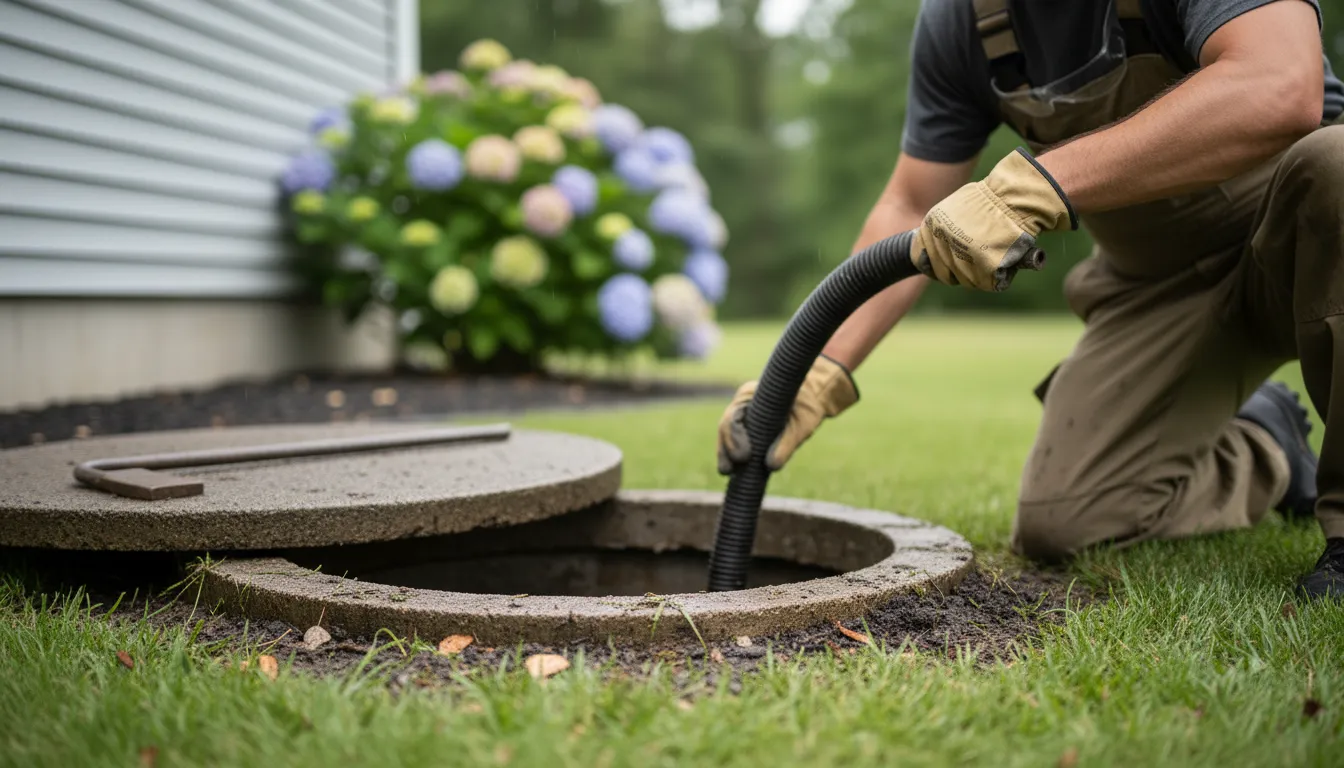
Find the Best Septic Tank Pumping Contractors for Your Business
No obligation • Fast responses • Nationwide coverage

Why you can trust Septic Spot
Septic Spot is a leading United States resource for understanding and comparing septic services. Our editors review providers using consistent criteria and verify key business details. Listings and scores are independent, and companies cannot pay to influence our content.
Search providers near you
Top Septic Tank Pumping Contractors in Eastvale, California Ranked
Maintaining a healthy septic system is a crucial responsibility for homeowners in Eastvale. Septic tank pumping, also known as septic tank cleaning or septic tank servicing, is the essential process of removing accumulated solids from your tank to prevent system failure and environmental contamination. This guide explains why regular maintenance matters, how to find qualified local professionals, and what you need to know about regulations and costs specific to the Riverside County area.
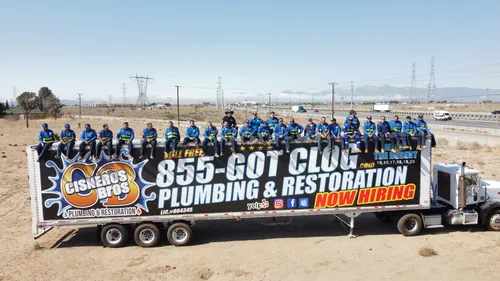
Cisneros Brothers Plumbing, Heating & AC Repair, Water Damage Restoration & Flood Services
6881 Berkshire Ave, Rancho Cucamonga, CA 91701
Cisneros Brothers Plumbing, Heating & AC Repair, Water Damage Restoration & Flood Services provides septic tank pumping and a range of plumbing and restoration services in Fontana, CA. They serve both residential and commercial clients, offering capabilities such as flood damage restoration and septic pumping. With over two decades of experience in the Rancho Cucamonga area, the company emphasizes customer satisfaction and family-oriented service. They also offer 24/7 availability for emergency plumbing and flood restoration needs.
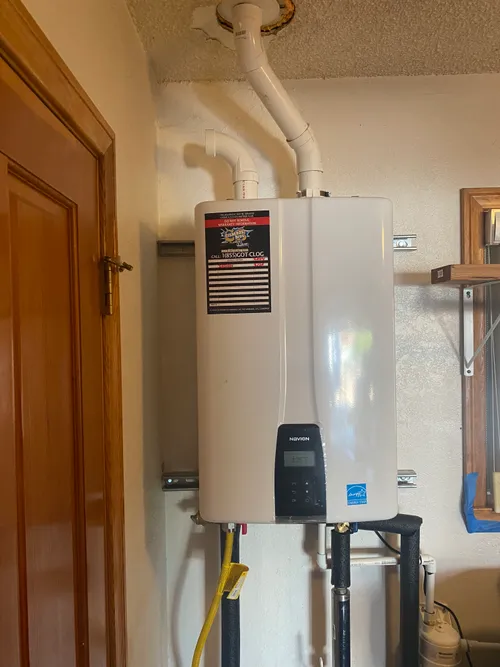
Cisneros Brothers Plumbing, Heating & AC Repair, Water Damage Restoration & Flood Services
11335 Wybourn Ave, Riverside, CA 92503
Cisneros Brothers Plumbing, Heating & AC Repair, Water Damage Restoration & Flood Services offers a range of plumbing, septic, restoration, and flood services in Riverside, CA. They provide residential and commercial plumbing, septic tank pumping, flood damage restoration, and HVAC services including installation, maintenance, and repair. With over 20 years of experience, the company emphasizes customer satisfaction and treats clients like family. They also offer 24/7 emergency service to address urgent plumbing and flood-related needs.
Mr. Rooter Plumbing of Orange County
430 N State College Blvd, Anaheim, CA 92806
Mr. Rooter Plumbing of Orange County is a septic tank pumping company serving Long Beach, CA, and the surrounding Orange County area. They provide a wide range of plumbing services for both residential and commercial customers, including drain cleaning, sewer line repair, and emergency plumbing. One notable capability is their use of HydroScrub Jetting for effective drain cleaning. The company offers 24/7 emergency plumbing services to address urgent issues at any time.

Thompson Family Plumbing & Drain
Long Beach, CA
Thompson Family Plumbing & Drain is a women-owned plumbing company serving Long Beach, CA, with locations in Hesperia, CA and Lake Havasu City, AZ. They offer a range of plumbing services including septic tank pumping and emergency repairs. The company is fully licensed, insured, and certified, providing 24/7 emergency service to address urgent plumbing needs. Their technicians are trained to deliver efficient and lasting solutions, supported by fully stocked trucks for same-day repairs. Thompson Family Plumbing & Drain has been serving customers for over 10 years, emphasizing transparent pricing and customer peace of mind.
Benjamin's Plumbing & Drain Cleaning
5639 Durango Rd, Riverside, CA 92506
Benjamin's Plumbing & Drain Cleaning is a plumbing and septic service provider based in Riverside, CA. They offer a wide range of services including septic tank pumping and repair, sewer and drain cleaning, hydro jetting, trenchless sewer line repair, and commercial plumbing solutions. Their expertise includes sewer and drain video inspections to accurately diagnose issues and trenchless technology to minimize property disruption during repairs. Serving Riverside and surrounding Inland Empire areas, they provide services for residential, commercial, and industrial clients.
Why Regular Septic System Pumping is Essential
A septic system is an on-site wastewater treatment plant for your home. When it functions correctly, it safely processes household water from toilets, showers, sinks, and appliances. Over time, solids settle at the bottom of the tank as sludge, and lighter materials like grease and soap float to the top as scum. If these layers become too thick, they can flow into the drain field, clogging the soil and causing sewage backups in your home or contamination of groundwater.
Regular septic tank cleaning is the most effective preventative measure. In Eastvale, the Riverside County Department of Environmental Health oversees these systems and requires regular maintenance to prevent failures, which are considered a public nuisance 1. A failed system is not only a health hazard but also a significant financial burden, often costing thousands of dollars to repair or replace.
Recommended Pumping Frequency for Eastvale Homes
How often you need septic tank servicing depends on several household factors. The general recommendation is to pump your tank every 3 to 5 years 2. However, this is a guideline, not a strict rule. Your specific frequency may vary.
- Household Size: More people generate more wastewater and solids, requiring more frequent pumping.
- Tank Size: A larger tank can hold more solids and may not need pumping as often.
- Water Usage Habits: Using garbage disposals frequently, doing many loads of laundry, or having long showers increases the load on your system.
- System Age and Condition: Older systems or those with a history of issues may need more attentive care.
Some systems, especially those with smaller tanks or higher occupancy, may require pumping every 1-2 years 3. The most reliable way to determine the need for service is through a professional inspection, which should be conducted every 1-3 years 3.
Signs Your Septic Tank Needs to Be Pumped
Don't wait for a disaster. Be proactive and look for these warning signs that your tank is reaching capacity:
- Slow Drains: Sinks, showers, and tubs that drain slowly, especially if multiple fixtures are affected.
- Unpleasant Odors: Foul sewage smells in your yard, particularly near the drain field or tank location.
- Soggy Lawn: Unexpectedly lush, wet, or spongy grass over the drain field, even during dry weather.
- Sewage Backup: The most severe sign-wastewater backing up into household drains.
- Gurgling Sounds: Strange gurgling noises coming from your plumbing.
A professional inspector can provide a definitive answer by measuring the sludge and scum layers inside your tank. A common rule is that the tank must be pumped if the sludge layer is within 12 inches of the outlet baffle or if the scum layer is within 6 inches of it 4.
Find the perfect septic tank pumping contractors for your needs
Get personalized recommendations and expert advice
What to Expect During a Professional Pumping Service
Hiring a licensed professional for septic tank pumping in Eastvale ensures the job is done safely, thoroughly, and in compliance with local codes. Here's what a standard service typically involves:
- Locating and Uncovering the Tank: The technician will find and expose the tank's access lids.
- Inspecting the System: Before pumping, a good professional will inspect the tank's inlet and outlet baffles, check for cracks or leaks, and assess the sludge and scum levels 5.
- Pumping the Tank: Using a large vacuum truck, all liquid and solid waste is removed from the tank.
- Disposal: The waste is transported to a licensed treatment facility for proper processing.
- Final Check: The technician should ensure the tank is empty and the lids are securely replaced.
This is also an ideal time to discuss any other components, like pumps, filters, or alarms, that may need maintenance 6.
Understanding Septic Tank Pumping Costs in Eastvale
The cost for septic tank pumping can vary. For a standard residential tank in Eastvale, homeowners can generally expect to pay between $300 and $500 for a routine pumping service 7. Several factors influence the final price:
- Tank Size and Capacity: Larger tanks cost more to pump.
- Tank Accessibility: Difficult-to-reach locations may incur additional charges.
- Condition of the Tank: If the tank hasn't been pumped in many years (e.g., 7+ years), the solids can harden, making the job more labor-intensive and potentially increasing the cost by $100-$200 8.
- Additional Services: Costs for inspections, filter cleaning, or minor repairs are typically extra.
While prices can range from $290 to over $700 for more complex situations, investing in regular service is far less expensive than dealing with a failed drain field 9 10.
Local Regulations and Installation Notes
Eastvale and Riverside County have specific rules governing septic systems. It is unlawful to discharge wastewater in a manner not in accordance with regulations. Furthermore, if a municipal sewer line is available within 200 feet of your property line, new septic system installations are typically prohibited. This makes maintaining your existing system even more critical, as replacement with a new septic system may not be an option.
Regular maintenance, including pumping and inspections, is your best defense against system failure and ensures you remain in compliance with local health codes. Keeping records of all service performed on your system is also highly recommended.
Frequently asked questions
Sources
Footnotes
-
California Septic Tank Requirements | Onsite Wastewater ... - https://www.ntotank.com/blog/california-septic-tank-requirements ↩
-
Septic Systems | Department of Environmental Protection - https://www.pa.gov/agencies/dep/residents/my-water/septic-systems ↩
-
Frequent Questions on Septic Systems | US EPA - https://www.epa.gov/septic/frequent-questions-septic-systems ↩ ↩2
-
Pumping & Maintenance Tips - Septic Treatment - https://www.sosonsiteca.net/resources/pumping-maintenance-tips ↩
-
Homeowner's Guide to Septic Systems - El Dorado County - https://www.eldoradocounty.ca.gov/files/assets/county/v/1/documents/government/environmental-management/environmental-management/septic-documents/epa_homeowner_septic_guide.pdf ↩
-
ORDINANCE ADOPTED - Local Agency Management Program - http://publichealth.lacounty.gov/eh/docs/about/ordinance-adopted-local-agency-management-program.pdf ↩
-
Heating, Cooling, and Electric - https://www.wilsonplumbingandheating.com/post/septic-tank-pumping-cost ↩
-
How Much Does It Cost to Pump a Septic Tank? [2026 Data] | Angi - https://www.angi.com/articles/how-much-does-septic-tank-pumping-cost.htm ↩
-
Septic Pumping Cost by State: 2024 Complete Price Guide - https://wastedoor.com/article/septic-pumping-cost-by-state ↩
-
Septic Tank Pumping Cost: Guide & Pricing in 2025 - Splash Plumbing - https://www.splashplumbing.com/how-much-does-it-cost-to-pump-septic-tank-understanding-pricing-and-factors-involved/ ↩