Find the Best Septic Tank Pumping Contractors for Your Business
No obligation • Fast responses • Nationwide coverage

Why you can trust Septic Spot
Septic Spot is a leading United States resource for understanding and comparing septic services. Our editors review providers using consistent criteria and verify key business details. Listings and scores are independent, and companies cannot pay to influence our content.
Search providers near you
Top Septic Tank Pumping Contractors in Encinitas, California Ranked
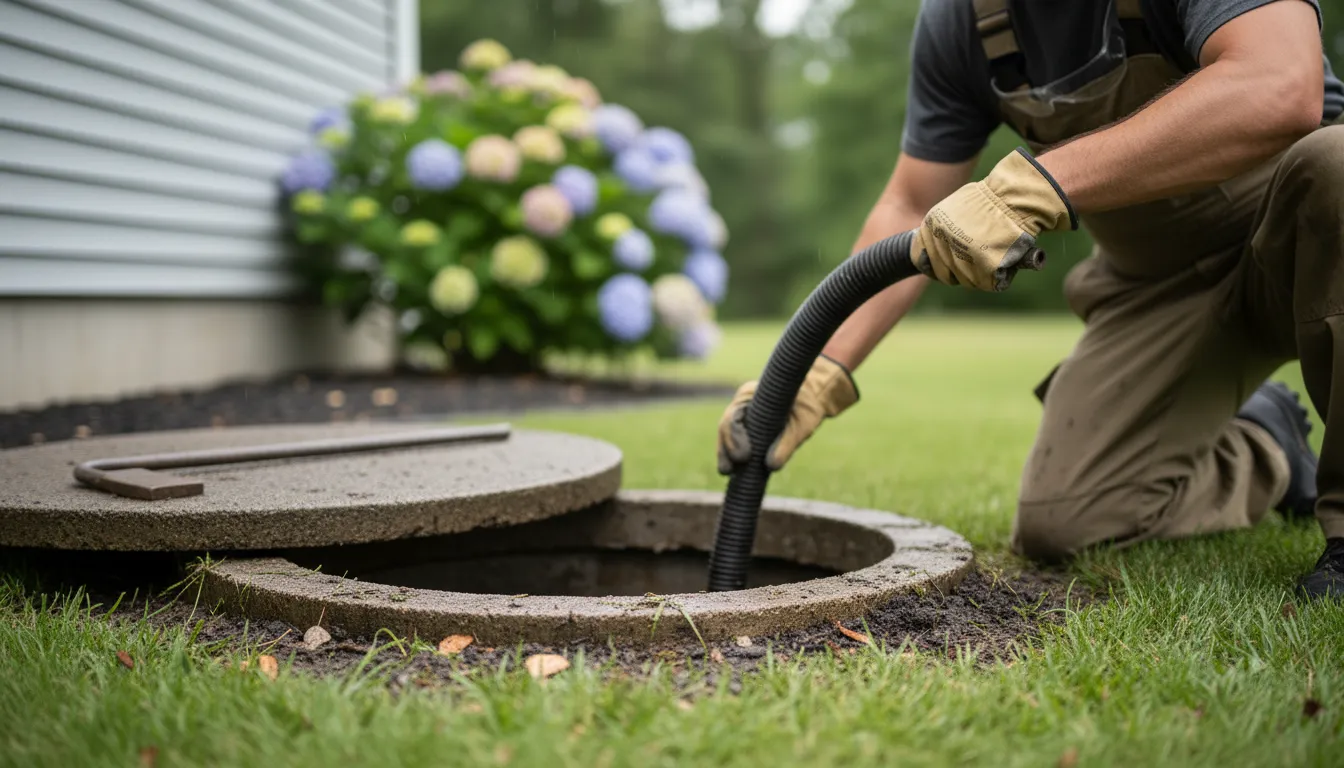
Maintaining a healthy septic system is a crucial responsibility for homeowners in Encinitas. Septic tank pumping, also known as septic cleaning or sludge removal, is the essential process of removing accumulated solids from your tank to prevent system failure and environmental contamination. This service matters because a neglected system can lead to costly repairs, property damage, and health hazards. For Encinitas residents, finding a qualified local professional is the first step in a compliant and effective maintenance plan, ensuring your system functions properly for years to come.
All-American Septic Pumping & Services, Inc
29105 Valley Center Rd Suite 115, Valley Center, CA 92082
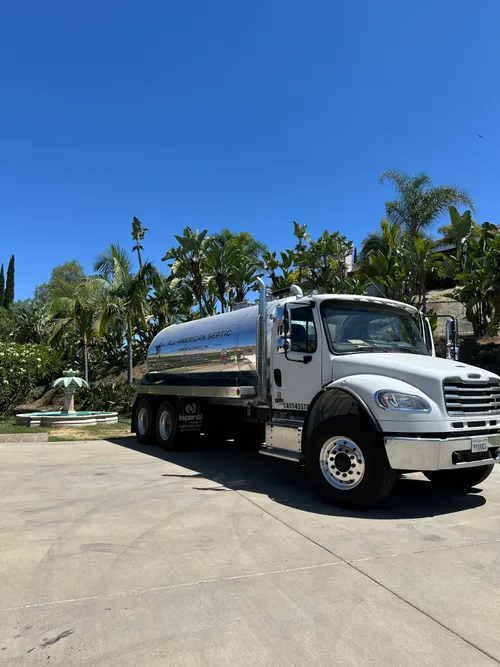
All-American Septic Pumping & Services, Inc provides septic tank pumping, inspection, and repair services in Los Angeles, CA. They assist with maintaining and repairing septic systems to ensure proper function and compliance with local standards. Customers can conveniently book appointments online.
Anytime Septic Service
8867 Gardena Rd, Lakeside, CA 92040
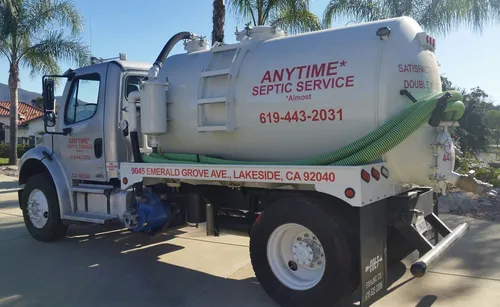
Anytime Septic Service is a family-owned company serving San Diego, CA, with over 55 years of experience in septic system care. They provide septic tank pumping, inspection, repairs, and installation across multiple local communities including El Cajon, Lakeside, La Mesa, and others. The team uses modern techniques and equipment to ensure septic systems function properly, offering thorough visual inspections and detailed explanations of their findings. They also provide after-hours emergency service for urgent septic needs.
Modern Septic Service
1506 Pioneer Way, El Cajon, CA 92020
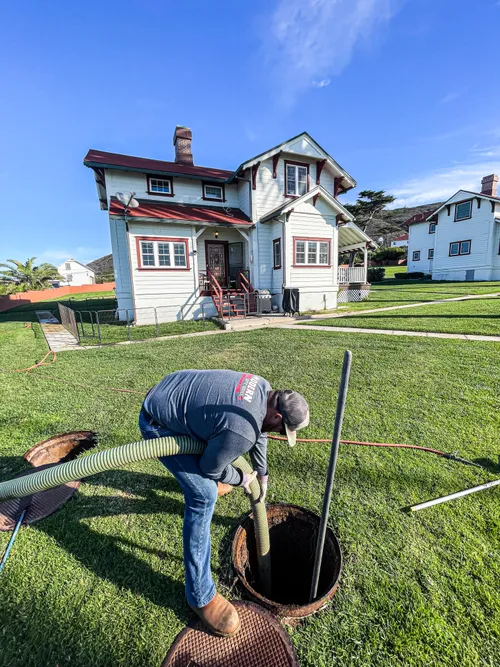
Modern Septic Service is a family-owned septic tank pumping, inspection, and repair company serving San Diego, CA. With over 60 years of experience, they provide residential and commercial septic services, including routine pumping, cleaning, troubleshooting, and maintenance. The company specializes in handling large-capacity septic systems for various commercial and municipal clients, offering 24/7 emergency pumping services and supporting public works projects with prevailing wage compliance. Founded in 1960, Modern Septic Service has grown through three generations, expanding its fleet and capabilities to meet diverse septic system needs across San Diego County.
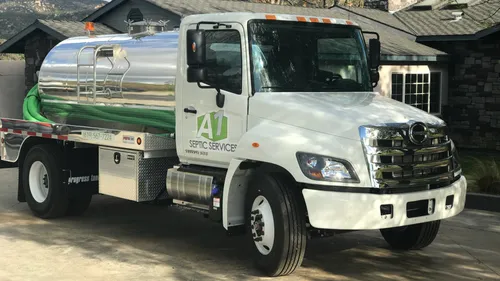
A1 Septic Services
9787 Snow View Dr, El Cajon, CA 92021
A1 Septic Services is a septic tank pumping and inspection company based in San Diego, CA. They serve El Cajon, Alpine, Lakeside, and East County San Diego, offering septic tank pumping, inspections for real estate certifications, and locating and digging out septic tank lids. Their inspection services include checking inlet and outlet baffles, separator walls, tank integrity, and leaching system tests. The company uses new, quiet equipment designed to avoid driveway damage and follows strict safety standards. A1 Septic Services emphasizes thorough inspections that must be paired with pumping to ensure full visibility of the system.
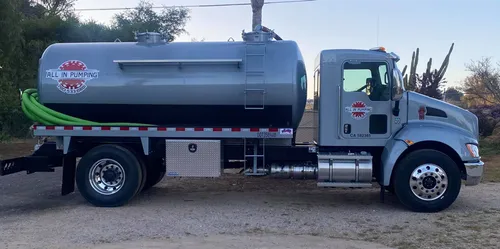
All In Pumping
Escondido, CA
All In Pumping is a family-owned septic tank pumping company based near Escondido, CA. They provide septic pumping services throughout San Diego County, focusing on timely and high-quality septic maintenance. The company is centrally located in Ramona and serves the broader San Diego area.
Understanding Your Septic System in Encinitas
A septic system is an on-site wastewater treatment structure common in areas not served by centralized sewer lines. In Encinitas, with its blend of coastal properties and more rural lots, many homes rely on these systems. The core component is the septic tank, where solids settle and begin to decompose. Over time, however, sludge (heavy solids) and scum (lighter materials like grease) accumulate. If these layers are not periodically removed via professional septic pumping, they can flow into the drain field, clogging the soil and causing a complete system backup. Regular maintenance isn't just a recommendation; in San Diego County, it's a regulated requirement for protecting our local watershed and coastline.
San Diego County Pumping Regulations and Requirements
Encinitas falls under the jurisdiction of the San Diego County Department of Environmental Health and Quality (DEHQ). The county has clear, enforceable rules for septic system maintenance. Homeowners are required to have their septic tank pumped by a County-registered professional at least once every three years as part of a standard Operation and Maintenance Plan. This isn't a suggestion-it's a mandated minimum for standard systems. Your maintenance provider will typically file the necessary paperwork with the county after service, helping you stay in compliance. Failing to adhere to this schedule can result in system failure, environmental contamination, and potential fines.
Recommended Pumping Frequency
While the three-year rule is the legal baseline, the ideal interval for your home can vary. Many households may find a schedule of every 2 to 5 years is more appropriate based on actual usage 1. Several key factors influence how often you should schedule septic tank cleaning:
- Household Size: A larger household (4 or more people) generates more wastewater and solid waste, filling the tank faster.
- Tank Size: Older homes may have smaller tanks (e.g., 1,000 gallons) that require more frequent pumping than newer installations with 1,500-gallon tanks.
- Water Usage: Habits like long showers, frequent laundry loads, or running dishwashers daily increase the hydraulic load on the system.
- Garbage Disposal Use: Using a garbage disposal significantly increases the amount of solids entering the tank, accelerating sludge buildup.
The most reliable way to determine your needed frequency is through regular inspections. A professional can measure the sludge and scum layers during a routine check. The tank should be pumped if the scum layer is within 6 inches of the outlet pipe or if the sludge layer is within 12 inches of the outlet.
What to Expect During Professional Septic Service
Hiring a registered septic pumping company in Encinitas ensures the job is done correctly and legally. A comprehensive service involves more than just vacuuming out the tank.
The Inspection: A qualified technician will first locate and uncover your tank's access lids. They will inspect the tank's inlet and outlet baffles for integrity and check for any cracks or leaks in the tank itself. This inspection for structural soundness is vital to prevent future failures.
The Pumping Process: Using a specialized vacuum truck, the technician will pump out the contents from both the primary and secondary compartments (if your tank has two). It's critical that both sections are thoroughly evacuated. They will also rinse the tank with water to help break up remaining solids, providing a more complete clean.
Final Checks and Advice: After pumping, the technician should advise you on the condition of your system and recommend the next service date. They will securely replace the tank lids. Reputable companies registered with the San Diego County DEHQ will provide you with documentation of the service, which serves as proof of compliance with county regulations.
Find the perfect septic tank pumping contractors for your needs
Get personalized recommendations and expert advice
Cost of Septic Tank Pumping in Encinitas
The price for septic system pumping in the San Diego area, including Encinitas, varies based on several factors. On average, homeowners can expect to pay between $300 and $600 for a standard pumping service. Here's a more detailed breakdown:
- 1,000-Gallon Tank: Typically ranges from $250 to $700.
- 1,500-Gallon Tank: Usually costs between $350 and $1,100 2 3.
The final cost is influenced by:
- Tank Accessibility: If the tank is buried deep, requires extensive digging, or is located in a difficult-to-reach area of the yard, the price will be higher.
- Volume of Waste: The total gallons of sludge and wastewater removed can affect the price.
- Additional Services: Costs for initial inspections, filter cleaning, or minor repairs will be added to the base pumping fee.
While cost is a consideration, the most important factor is ensuring the company is registered with the County of San Diego DEHQ. This registration is your assurance of proper training, insurance, and adherence to environmental standards.
How to Maintain Your System Between Pumpings
Proactive care between professional septic tank cleanings can extend the life of your system and help avoid emergencies.
- Conserve Water: Fix leaking toilets and faucets immediately. Spread out laundry loads over the week instead of doing many in one day. Excess water can overwhelm the drain field 4.
- Mind What You Flush: Only human waste and toilet paper should go down the drain. Never flush chemicals, paints, grease, coffee grounds, feminine hygiene products, wipes (even "flushable" ones), or medications. These can kill the beneficial bacteria in your tank or clog the system 5 6.
- Protect Your Drain Field: Never park vehicles or place heavy structures like sheds on your drain field. Keep roof drains, sump pumps, and other surface water away from the area to prevent saturation.
- Use Septic-Safe Products: Choose cleaning products and toilet paper labeled as septic-safe. Harsh chemicals like bleach and antibacterial soaps can disrupt the bacterial balance necessary for decomposition 7.
Signs Your Septic Tank Needs Immediate Attention
Don't wait for a scheduled maintenance date if you notice these warning signs. They indicate your tank may be full or your system is failing:
- Slow Drains: Sinks, showers, and toilets that drain slowly, especially if gurgling sounds are present.
- Sewage Odors: Unpleasant smells coming from your drains, yard, or near the tank location.
- Wet, Spongy Yard: Soggy ground or standing water over the drain field, particularly when it hasn't rained.
- Sewage Backup: The most severe sign-wastewater backing up into household drains or toilets.
If you observe any of these issues, contact a registered septic pumping professional in Encinitas immediately to assess the situation.
Choosing the Right Septic Service Provider
Your choice of provider is critical. Always verify that the septic cleaning company is currently registered with the San Diego County DEHQ. You can ask for their registration number or verify it through the county. Look for companies with strong local reputations, proper insurance, and transparent pricing. A trustworthy provider will be happy to explain the process, provide a detailed estimate, and show you their county registration credentials.
Frequently asked questions
Sources
Footnotes
-
Residential Septic Tank Pricing | Homeowner's Guide to Costs - https://www.ntotank.com/blog/residential-septic-tank-pricing ↩
-
How Much Does it Cost to Pump a Septic Tank? - https://www.drsepticsd.com/news/how-much-does-it-cost-to-pump-a-septic-tank/ ↩
-
How Much Does it Cost to Pump a Septic Tank? 2026 Price Guide - https://rescueheroplumbing.com/how-much-does-it-cost-to-pump-a-septic-tank ↩
-
Septic Tank Cleaning & Pumping Company Riverside - https://frankspumping.com/ ↩
-
standard septic system operation and maintenance plan - https://www.sandiegocounty.gov/content/dam/sdc/deh/lwqd/Standard_Operation_and_Maintenance_Plan_Template_FILLABLE.pdf ↩
-
septic system - County of San Diego - https://www.sandiegocounty.gov/content/dam/sdc/dpw/WATERSHED_PROTECTION_PROGRAM/watershedpdf/Residential-Outreach/English/Septic_Systems.pdf ↩
-
7 Ways to Reduce the Cost for Septic System in California: Practical Solutions for Homeowners - https://www.lanikseptic.com/reduce-septic-system-costs-california/ ↩