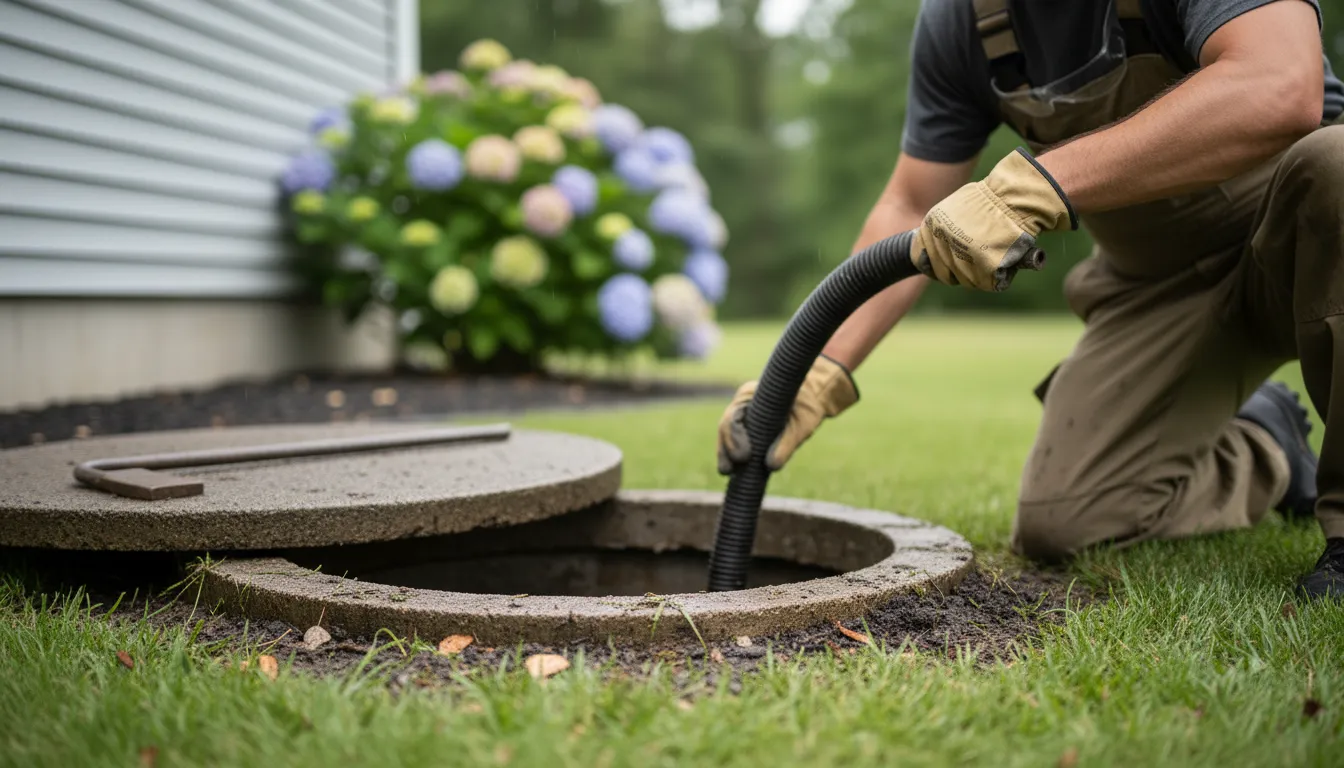
Find the Best Septic Tank Pumping Contractors for Your Business
No obligation • Fast responses • Nationwide coverage

Why you can trust Septic Spot
Septic Spot is a leading United States resource for understanding and comparing septic services. Our editors review providers using consistent criteria and verify key business details. Listings and scores are independent, and companies cannot pay to influence our content.
Search providers near you
Top Septic Tank Pumping Contractors in Folsom, California Ranked
Maintaining your septic system is a crucial responsibility for any homeowner not connected to a municipal sewer line. Septic tank pumping is the essential process of removing accumulated solids from your tank to prevent system failure, environmental contamination, and costly repairs. In Folsom, with its specific soil conditions and county regulations, staying on top of this maintenance is key to protecting your property and our local watershed. This guide will help you understand the recommended service intervals, local requirements, and what to expect when it's time to service your system, so you can confidently find qualified local professionals.
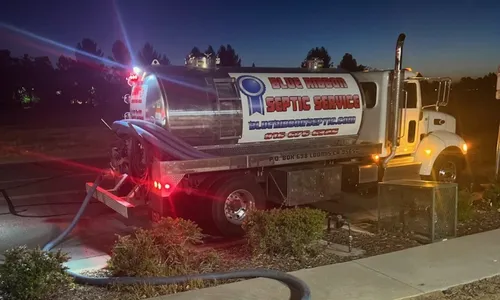
Blue Ribbon Septic LLC
Sacramento, CA
Blue Ribbon Septic LLC provides septic tank pumping, cleaning, inspection, and repair services in Sacramento, CA. With over 30 years of experience, they serve residential and commercial clients in Sacramento and nearby areas including Roseville and Elk Grove. Their capabilities include lift station pumping, septic riser and lid installation, and outlet baffle replacement. They also offer comprehensive real estate septic system inspections with full reports. The company emphasizes reliable septic system maintenance and emergency septic tank pumping when needed.
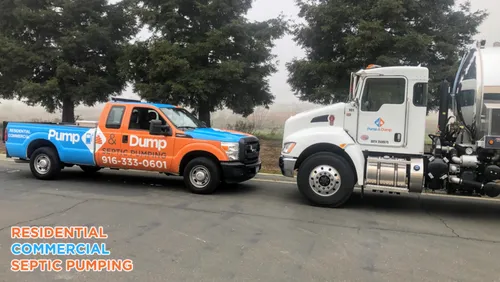
Pump & Dump Septic
1030 N D St #300, Sacramento, CA 95811
Pump & Dump Septic is a septic tank pumping company based in Sacramento, CA. They provide septic services throughout Sacramento, the Bay Area, Northern California, and Central California. The company offers septic tank pumping and related services with availability for emergency service via text. Their office operates daily with extended hours to accommodate customer needs.
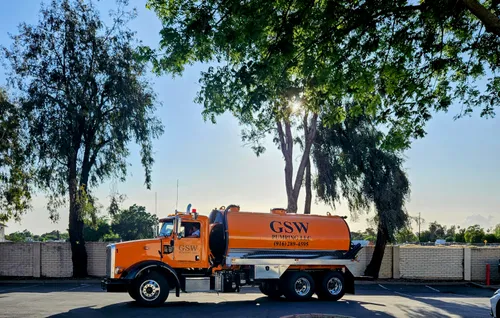
GSW Pumping LLC
Sacramento, CA
GSW Pumping LLC is a septic tank pumping company based in Antelope, CA, serving Sacramento and surrounding areas. They provide septic pumping, grease trap cleaning, wastewater hauling, and line jetting services. The company offers 24/7 availability to handle emergencies and routine maintenance. Their high-pressure line jetting service helps clear stubborn clogs and maintain proper flow in plumbing systems. GSW Pumping LLC emphasizes safe and efficient wastewater management with a local commitment to their community.
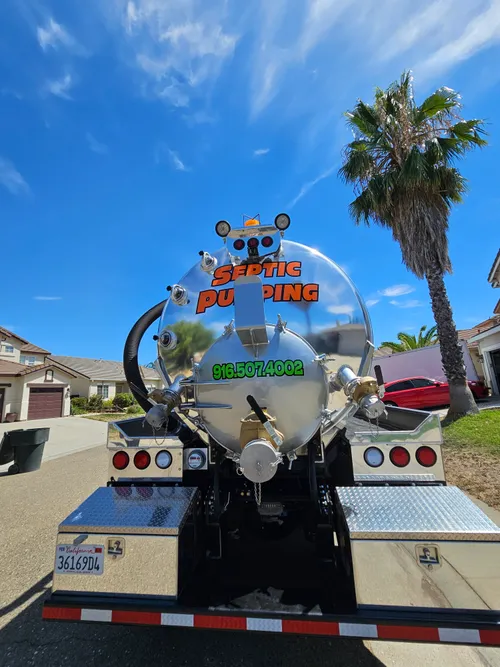
Septic Pumping and Drain Solutions
7901 Doe Trail Way, Antelope, CA 95843
Septic Pumping and Drain Solutions is a septic service provider based in Sacramento, CA, offering residential and commercial septic pumping, inspections, and repairs. They serve Sacramento and surrounding areas including Elk Grove, Roseville, Folsom, Davis, and Rio Linda. The company provides 24/7 emergency septic services, handling issues like backups, overflows, and system failures with advanced diagnostic tools and immediate repairs. Established in 2003, they have over 20 years of experience in septic system maintenance and emergency response.

Western Slope Septic Pumping Inc
100 Shultz Vineyard Rd, Shingle Springs, CA 95682
Western Slope Septic Pumping Inc is a locally owned septic tank pumping company based near Sacramento, CA. The company provides pumping services throughout El Dorado County, including Placerville, Cameron Park, Camino, and other nearby communities. Their services focus on septic system maintenance and pumping to help keep systems functioning properly.
Understanding Your Septic System and Why Pumping is Vital
A septic system is an on-site wastewater treatment structure, typically consisting of a tank and a drain field. All the water from your home-from toilets, showers, sinks, and appliances-flows into the underground septic tank. Here, solids settle to the bottom as sludge, fats and oils float to the top as scum, and the relatively clear liquid in the middle (effluent) exits into the drain field for further filtration into the soil.
Over time, the sludge and scum layers build up. If they aren't removed through regular septic tank cleaning, they can overflow into the drain field. This can clog the soil, causing sewage to back up into your home or pool on your lawn, creating health hazards and requiring very expensive excavation and repairs. Regular pumping is the most effective preventative maintenance you can perform.
Recommended Pumping Frequency for Folsom Homes
How often you need to schedule septic tank pumping depends on several factors. While a common rule of thumb is every 3 to 5 years, your specific situation may differ.
- Tank Size: The capacity of your tank is the primary factor. A 1,000-gallon tank is common for many single-family homes in the area.
- Household Size: More people generate more wastewater and solids.
- Overall Water Usage: High-efficiency appliances use less water, while large families, frequent laundry loads, or garbage disposals can increase the solid load.
Based on these variables, here are more tailored guidelines for a standard 1,000-gallon tank:
- Small Household (1-2 people): May extend to 5-8 years between pumpings.
- Average Household (3-4 people): The standard 3-5 year interval is a safe benchmark 1.
- Large Household (5+ people): May require pumping as often as every 2 years to prevent issues 2.
The best way to determine the exact schedule is through an annual inspection, where a professional measures the sludge and scum layers. The U.S. Environmental Protection Agency (EPA) and local agencies recommend these inspections to accurately gauge when pumping is needed 3.
Signs Your Folsom Septic Tank Needs Service
Don't wait for a complete failure. Be proactive and watch for these warning signs that your tank may be reaching capacity or that there is a blockage:
- Slow Drains: Sinks, tubs, and toilets that drain slowly, especially if multiple fixtures are affected.
- Gurgling Sounds: Unusual gurgling noises coming from your plumbing.
- Sewage Odors: Foul smells near the tank or drain field, or inside the home.
- Wet, Spongy Lawn: Unexpectedly lush, green, or soggy patches of grass over the drain field.
- Sewage Backup: The most severe sign, where wastewater backs up into household drains.
If you notice any of these signs, it's important to contact a septic service provider promptly to assess the situation.
The Importance of Inspections and Local Compliance
Beyond pumping, regular septic system inspections are a critical part of responsible ownership. For standard gravity systems, an inspection every 3 years is a good minimum, but annual checks are ideal 4. Systems with more complex components, like electric pumps, float switches, or aerobic treatment units (ATUs), require more frequent inspection-at least annually-to ensure mechanical parts are functioning 5 6.
In Folsom, septic systems fall under the jurisdiction of the Sacramento County Environmental Management Department. This department requires permits for any system repairs, modifications, or expansions 7. When hiring a company for pumping or repairs, it's wise to verify they are familiar with local permitting processes. Keeping detailed records of all maintenance, inspections, and pumping is also essential for compliance and is invaluable if you decide to sell your home 8.
Find the perfect septic tank pumping contractors for your needs
Get personalized recommendations and expert advice
What to Expect During a Pumping Service
When a professional arrives to pump your tank, they will typically:
- Locate and uncover the tank's access lids.
- Inspect the tank interior, inlet, and outlet baffles for damage.
- Use a large vacuum truck to remove all contents (sludge, scum, and liquid) from the tank.
- Properly dispose of the waste at a licensed treatment facility.
- Possibly rinse the tank with water to inspect for cracks or leaks (though they avoid over-filling it).
This is also an opportune time for them to assess the overall health of your system and advise on any other needed maintenance.
Cost Considerations for Septic Services
The cost for septic tank pumping can vary. On average, homeowners can expect to pay between $200 and $500, though this is a general national range 9. In Folsom and the surrounding Sacramento region, prices are often influenced by tank size and accessibility. Data from industry sources indicates:
- Pumping a 1,000-gallon tank may range from $325 to $700.
- For a larger 1,500-gallon tank, costs can range from $450 to $1,100 10.
Additional fees may apply if the tank lids are buried deep, if the truck has difficulty accessing your yard, or if an inspection is included. Always ask for a detailed estimate before work begins.
Maintaining Your System Between Pumpings
Proper care extends the life of your system and the time between necessary pumpings:
- Conserve Water: Fix leaks and spread out laundry loads to avoid overwhelming the drain field.
- Mind What You Flush: Only human waste and toilet paper should go down the toilet. Avoid flushing wipes (even "flushable" ones), feminine hygiene products, diapers, and paper towels.
- Use the Sink Wisely: Never pour cooking grease, oil, or fat down the drain. Minimize use of a garbage disposal, as it adds significant solids.
- Protect Your Drain Field: Never park or drive over it. Plant only grass over and near it; tree and shrub roots can cause damage.
Frequently asked questions
Sources
Footnotes
-
How Often to Pump a Septic Tank - Clear River Environmental ↩
-
Maintaining your Septic System A Guide for Homeowners - Indian Health Service ↩
-
How Often Should My Septic Tank Pumped In California - Lanik Septic ↩
-
Homeowner's Guide to Septic Systems - El Dorado County (EPA Guide) ↩
-
Compliance Requirements for Septic & Grease Trap Services - Septic Pumping Solution ↩
-
Septic Pumping Folsom | 24/7 Service - Septic Pumping Solution ↩
-
Discover the Recommended Septic Tank Pumping Frequency: 5 Facts! - United Sewer Service ↩
-
How Much Does It Cost to Pump a Septic Tank? [2026 Data] | Angi ↩